In the bottom right corner of the poster for James Gunn’s 2021 The Suicide Squad, it says “get DC comics at comics shops”. That was the first time any comic book movie has explicitly stated this to its viewers.
Despite superheroes dominating 21st century cinema, earning hundreds of millions upon hundreds of millions at the box office, that success hasn’t blown back on the comic book industry. Movie studios are comfortable digging through comic bins for hot new intellectual property, but they are not comfortable returning the favor and sharing their success.
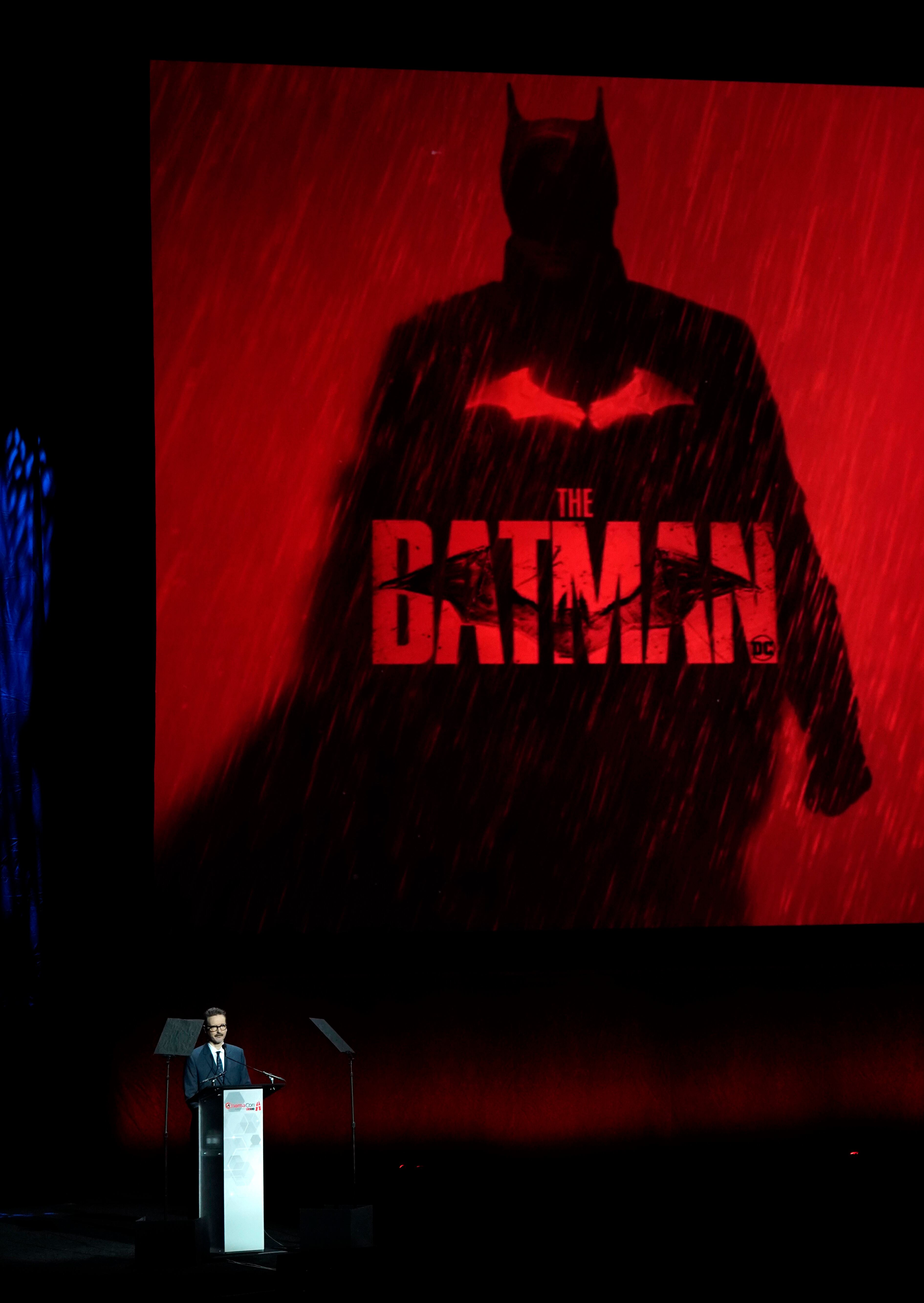
DC started to turn this around in 2022 with “The Batman.” The comic book company created a box set including stories that inspired the movie such as “Batman: The Long Halloween” and “Batman: Ego.” It was new reader-friendly material that would ease people into this wonderful medium.
In addition to that, the end of the YouTube version of trailers for then upcoming films beginning with “The Batman” and continuing with “Blue Beetle,” “Black Adam,” and all releases going forward feature recommended reading if you wanted to get to know the character before you met them on the big screen. This program isn’t exclusive to the theatrical films with these graphics also appearing on the trailers for animated films and video games.
When James Gunn was instated as co-CEO of DC Studios and announced his initial film slate, he blew the doors open. His announcement of a film based on Tom King and Bilquis Everly’s “Supergirl: Woman of Tomorrow” turned that comic that barely sold in periodicals into a graphic novel that couldn’t stay on shelves.
DC has been working overtime to help film fans transfer to the comics. Batman comics are once again popping up in grocery stores, and it’s also started selling compact comics, which are smaller and cheaper graphic novels that are easy to carry around.
It’s been incredibly successful and profitable, and you can tell because Marvel has started copying DC’s tactics.




