Legal technology platform CannaRegs is on a mission to make sense of the legal landscape of marijuana for stakeholders in this growing space. The company's founder and CEO Amanda Ostrowitz explains the regulatory landscape for marijuana, and why she was inspired to launch this start-up.
"I realized the only solution to my problem was to build it," says Ostrowitz. "It's actually kind of influencing the way law is being made because we've been able to track it to such a level where the first time a city government even talks about cannabis--we've tracked it."
Ostrowitz says more than a dozen county governments in California are using the CannaRegs platform. "California is still figuring everything out, and there's a lot of opportunity. With a lot of opportunity there's a lot of risk--a lot of reward," says Ostrowitz.
Americans traveled in record numbers over July 4th despite rising costs. Skift's Sarah Kopit explains what it says about consumers, airfares, and summer travel.
The U.S. economy is being held up in part by the AI boom, but that boom could still lead to broader prosperity or inequality, says a Nobel Prize winner.
Foundation Robotics co-founder Michael LeBlanc explains how humanoid robots are moving from the lab to military and industrial missions and what comes next.
Jeff Burnstein, President of the Association for Advancing Automation (A3), discusses humanoid robots, AI, smart manufacturing, and the future of U.S. industry.
Should kids be banned from social media? Nick Lichtenberg of Fortune breaks down the global push to restrict under-16 users and what it means for Big Tech.
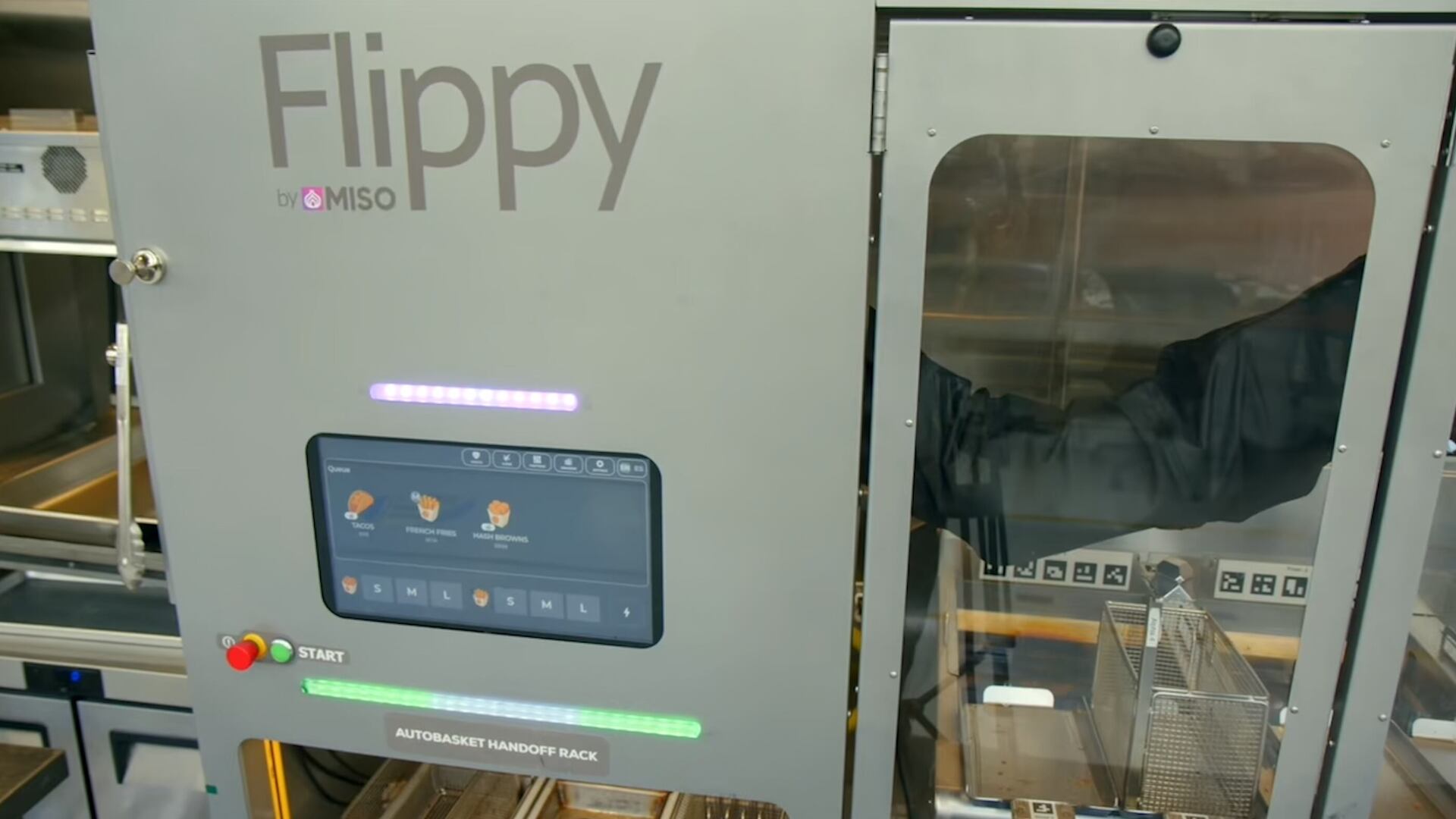
Miso Robotics CEO Rich Hull discusses Flippy Fry Station, the future of AI-powered restaurant automation and how acquiring Zume's IP could reshape food robotics
After two years of AI-fueled spending, Wall Street is asking what's next. Gil Luria breaks down monetization, valuations, winners, losers, and AI's future.