How a Trade War Could Impact Employment in the U.S.
Another round of proposed tariffs, another market meltdown. That seemed to be the theme of the day...and the week.
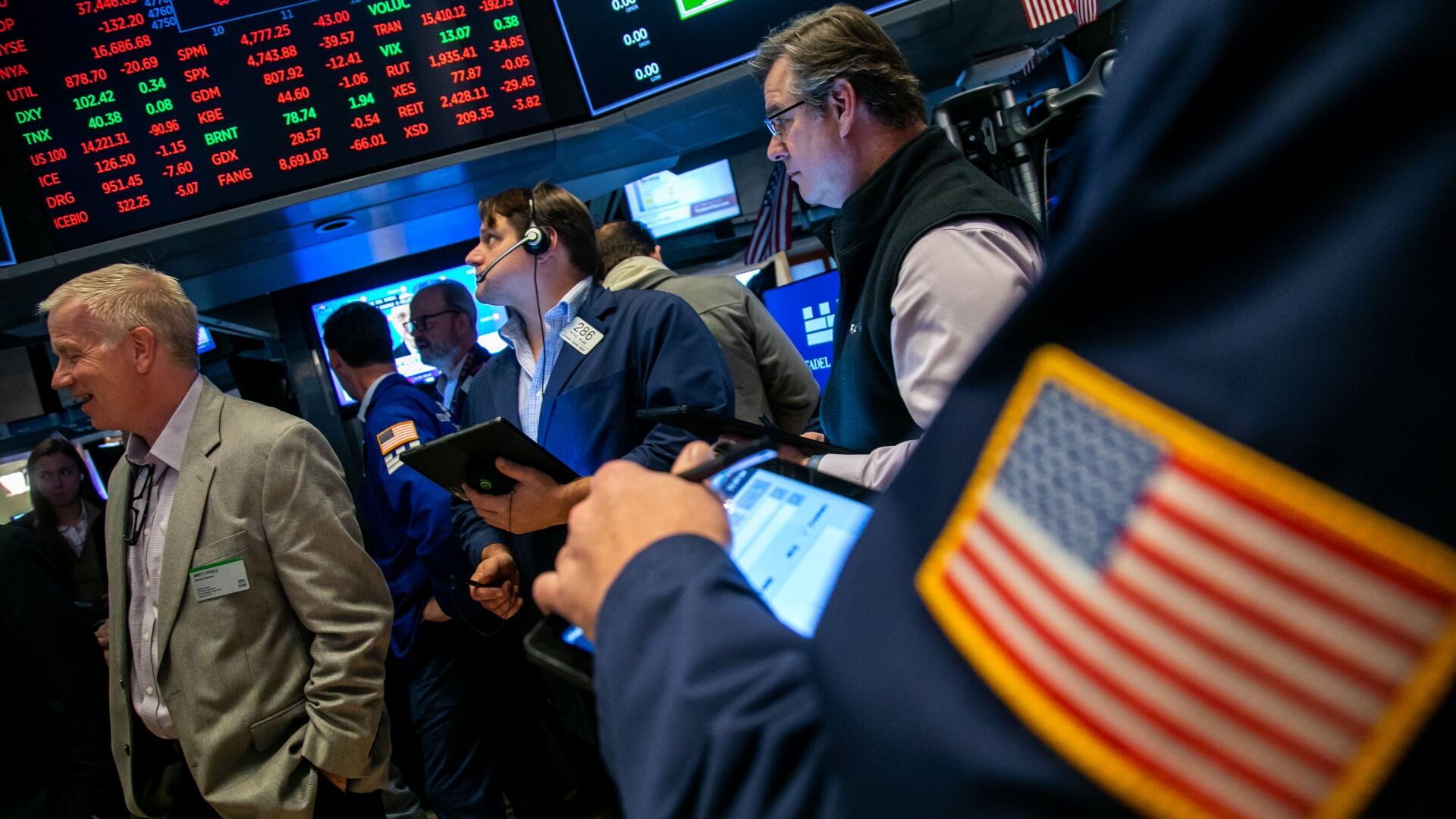
On Friday, the Dow Industrials, the S&P 500, and the Nasdaq all fell by more than two percent, capping off another down week.
The latest declines came on the heels of President Trump saying he’s considering tariffs on an additional $100 billion worth of Chinese goods as a response to that country’s “unfair retaliation” to his initial tax proposal.
Comments from Secretary of Treasury Steve Mnuchin acknowledging the possibility of a trade war suggested that, this time, there may be real consequences to Trump’s proposal.
“This runs the risk of overplaying his hand,” said Clayton Allen, Vice President, Special Situations at Height Capital Management.
“This is a fear that’s possibly driven more by the concept of the worst possible outcome rather than by the realistic expectation of where this goes over the next three months.”
Another factor that pressured markets was the March jobs report, which showed the U.S. economy far fewer jobs last month than expected.
And if a trade war between the U.S. and China were to escalate, more jobs could be on the line, said Allen.
“Companies in the U.S. that...build things out of components shipped from China would...have a less competitive advantage if the price of those shipments goes up.”
The latest calculations from several science agencies showing Earth obliterated global heat records last year may seem scary. But scientists worry that what’s behind those numbers could be even worse.
Along with the $122 million from delinquent millionaires in October, nearly half a billion dollars in back taxes from rich tax cheats has been collected.
Greg Moran, CEO of Zoomcar, joined Cheddar to talk about the growth of the car-sharing platform, the company's recent debut on the NASDAQ, and its continued work in emerging markets.
Higher rents and food prices boosted overall U.S. inflation in December, a sign that the Federal Reserve's drive to slow inflation to its 2% target will likely remain a bumpy one.