By Farnoush Amiri
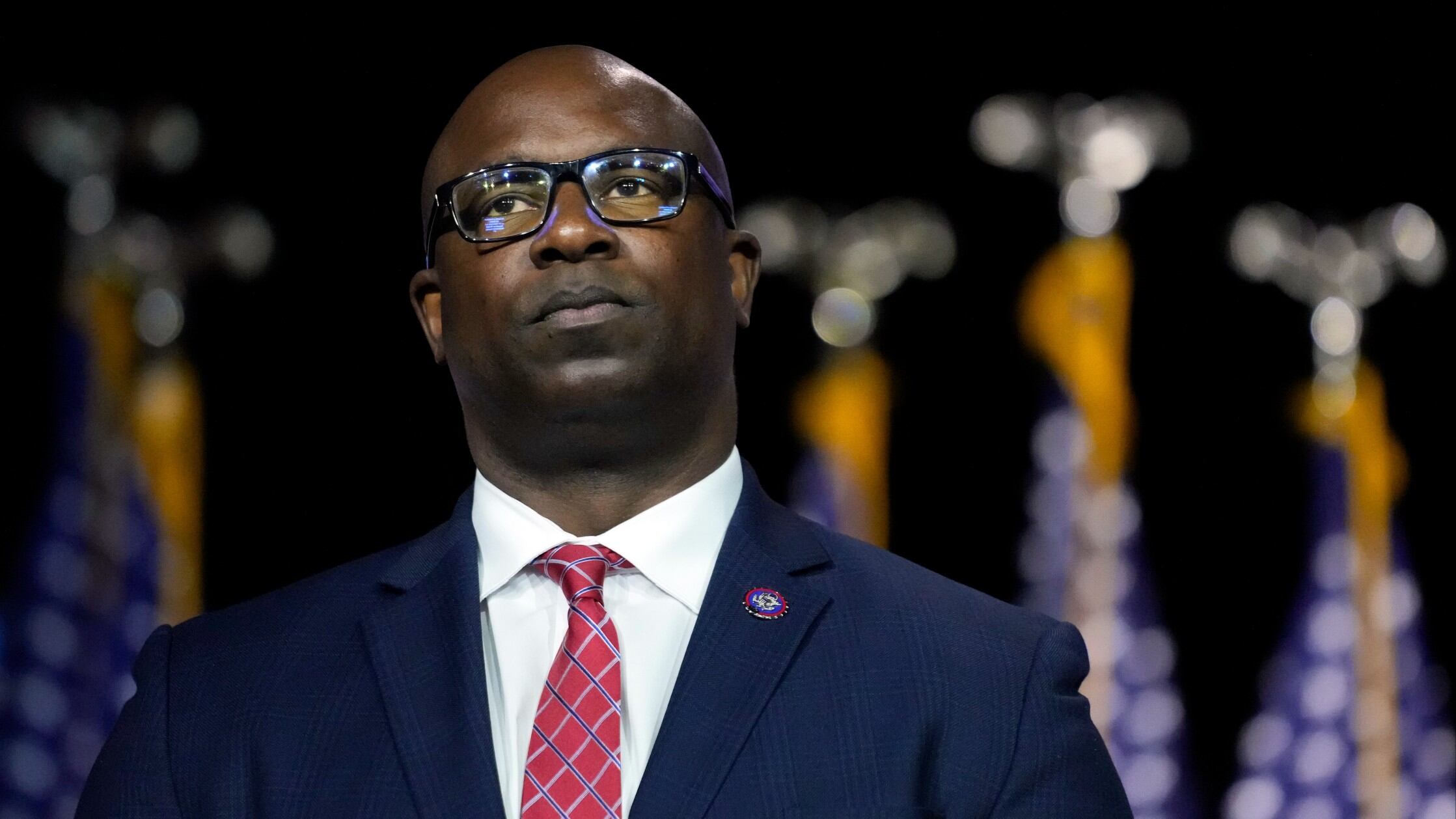
House members voted again Thursday to punish one of their own, targeting Democratic Rep. Jamaal Bowman for triggering a fire alarm in one of the U.S. Capitol office buildings in September when the chamber was in session.
The Republican censure resolution passed with some Democratic votes, but most Democrats stood by Bowman in opposition of an effort they said lacked credibility and integrity. The prominent progressive now becomes the third Democratic House member to be admonished this year through the censure process, which is a punishment one step below expulsion from the House.
“It’s painfully obvious to myself, my colleagues and the American people that the Republican Party is deeply unserious and unable to legislate,” Bowman said Wednesday as he defended himself during floor debate. “Their censure resolution against me today continues to demonstrate their inability to govern and serve the American people.”
The 214-191 vote to censure Bowman caps nearly a year of chaos and retribution in the House of Representatives. Since January, the chamber has seen the removal of a member from a committee assignment, the first ouster of a speaker in history and, just last week, the expulsion of a lawmaker for only the third time since the Civil War.
Rep. Lisa McClain, R-Mich., who introduced the censure resolution, defended her resolution, claiming Bowman pulled the alarm to “cause chaos and the stop the House from doing its business" as lawmakers scrambled to pass a bill to fund the government before a shutdown deadline.
“It is reprehensible that a Member of Congress would go to such lengths to prevent House Republicans from bringing forth a vote to keep the government operating and Americans receiving their paychecks," McClain said in a statement.
Bowman pleaded guilty in October to a misdemeanor count for the incident, which took place in the Cannon House Office Building. He agreed to pay a $1,000 fine and serve three months of probation, after which the false fire alarm charge is expected to be dismissed from his record under an agreement with prosecutors.
The fire alarm prompted a building-wide evacuation when the House was in session and staffers were working in the building. The building was reopened an hour later after Capitol Police determined there was no threat.
Bowman apologized and said that at the time he was trying to get through a door that was usually open but was closed that day because it was the weekend.
Many progressive Democrats, who spoke in his defense, called the Republican effort to censure him “unserious," and questioned why the party decided to target one of the few Black men in the chamber and among the first to ever represent his district.
“This censure is just the latest in this chamber’s racist history of telling Black men that they don’t belong in Congress,” said Rep. Ayanna Pressley. D-Mass.
The vote is the latest example of how the chamber has begun to deploy punishments like censure, long viewed as a punishment of last resort, routinely and often in strikingly partisan ways.
“Under Republican control, this chamber has become a place where trivial issues get debated passionately and important ones not at all," Rep. Jim McGovern, D-Mass., said during floor debate. “Republicans have focused more on censuring people in this Congress than passing bills that help people we represent or improving this country in any way.”
While the censure of a lawmaker carries no practical effect, it amounts to severe reproach from colleagues, as lawmakers who are censured are usually asked to stand in the well of the House as the censure resolution against them is read aloud.
Bowman is now the 27th person to be censured by the chamber — and the third just this year. Last month, Republicans voted to censure Democratic Rep. Rashida Tlaib of Michigan in an extraordinary rebuke of her rhetoric about the Israel-Hamas war.
In June, Democrat Adam Schiff of California was censured for comments he made several years ago about investigations into then-President Donald Trump’s ties to Russia.