Ericsson ConsumerLab just released its annual "10 Hot Consumer Trends for 2018" report, providing insight on the biggest consumer tech trends for the coming year. The report hits on underlying shifts behind automation and the creation of a leisure society, social media echo chambers, augmented hearing, and other trends. Michael Bjorn, Head of Research at Ericsson and author of the report, sat down with us to discuss the biggest trends to watch out for.
Bjorn fills us in on what he believes is the most surprising trend. He says we used to have to know how to use the devices, but now the devices know how to use us. As an example, Bjorn highlights face recognition technology and says it could help use your mood or expressions to know how to react.
Emerging tech is scary and alluring at the same time, says Bjorn. One of the scary parts uncovered from his research is that half of the people said they'd be spooked if they couldn’t tell whether communication was coming from a bot or a human. Concerns that privacy is at risk have been rising, but he predicts we’ll see more of a demand for services that protect us as well.
The Federal Trade Commission (FTC) has proposed a new rule that would make it easier for consumers to cancel free subscriptions. The so-called "click to cancel" provision requires sellers to make it as easy for users to cancel subscriptions as it was to subscribe.
Ford's business will gradually transition from its internal combustion vehicles to battery electric vehicles, but combustion vehicles will continue to grow for the next few years, CFO John Lawler told Cheddar News.
The U.S. Department of Health and Human Services has released a plan to overhaul the nation's organ transplant system, which has long been plagued by sometimes lethal delays and IT failures.
Web browser Mozilla is investing $30 million into launching a startup, called Mozilla.ai, focused on building a "trustworthy, independent, and open-source AI ecosystem."
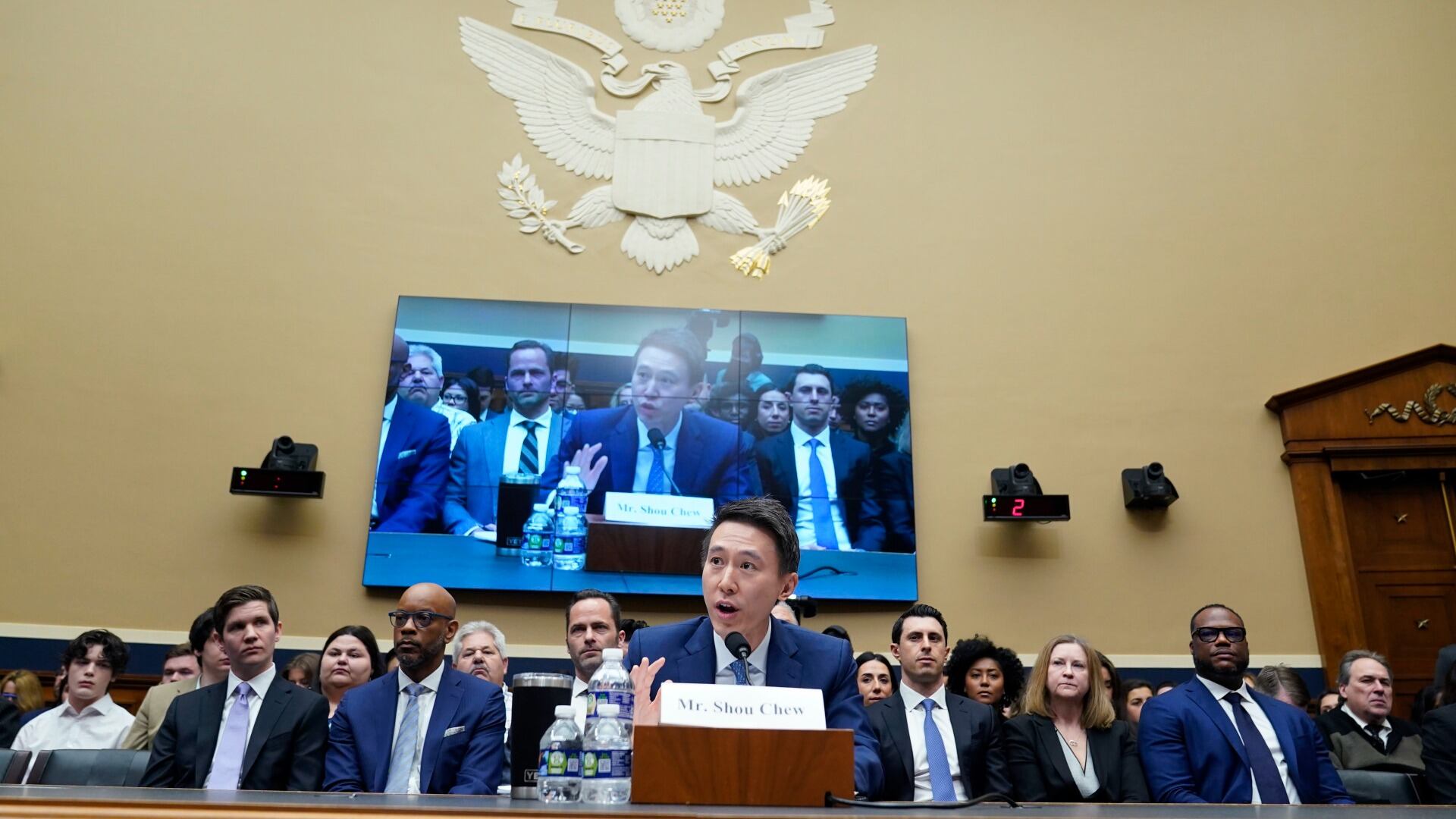
Lawmakers grilled TikTok CEO Shou Zi Chew on Thursday in a high-stakes hearing on the future of the popular, Chinese-owned video sharing platform in the U.S.