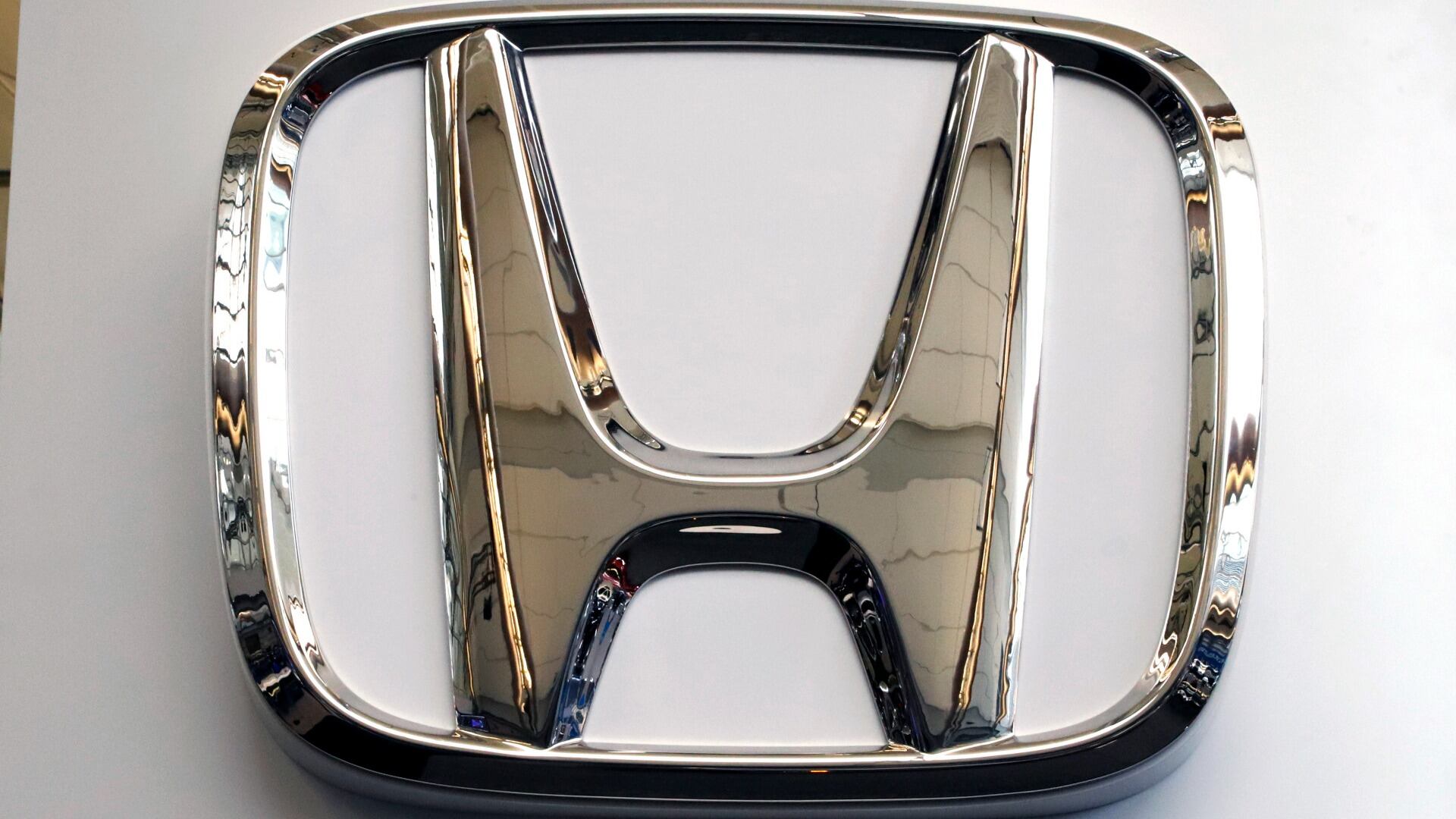
This Feb. 14, 2019 file photo shows a Honda logo at the 2019 Pittsburgh International Auto Show in Pittsburgh. Honda is recalling a half-million vehicles in the U.S. and Canada, Wednesday, March 15, 2023, because the front seat belts may not latch properly. The recall covers some of the the automaker’s top-selling models including the 2017 through 2020 CR-V, the 2018 and 2019 Accord, the 2018 through 2020 Odyssey and the 2019 Insight. Also included is the Acura RDX from the 2019 and 2020 model years. (AP Photo/Gene J. Puskar, File)
Honda is recalling a half-million vehicles in the U.S. and Canada because the front seat belts may not latch properly.
The recall covers some of the the automaker's top-selling models including the 2017 through 2020 CR-V, the 2018 and 2019 Accord, the 2018 through 2020 Odyssey and the 2019 Insight. Also included is the Acura RDX from the 2019 and 2020 model years.
Honda says in documents posted Wednesday by U.S. safety regulators that the surface coating on the channel for the buckle can deteriorate over time. The release button can shrink against the channel at lower temperatures, increasing friction and stopping the buckle from latching.
If the buckle doesn't latch, a driver or passenger may not be restrained in a crash, increasing the risk of injury.
Honda says it has no reports of injuries caused by the problem.
Dealers will replace the front seat belt buckle release buttons or the buckle assemblies if needed. Owners will be notified by letter starting April 17.
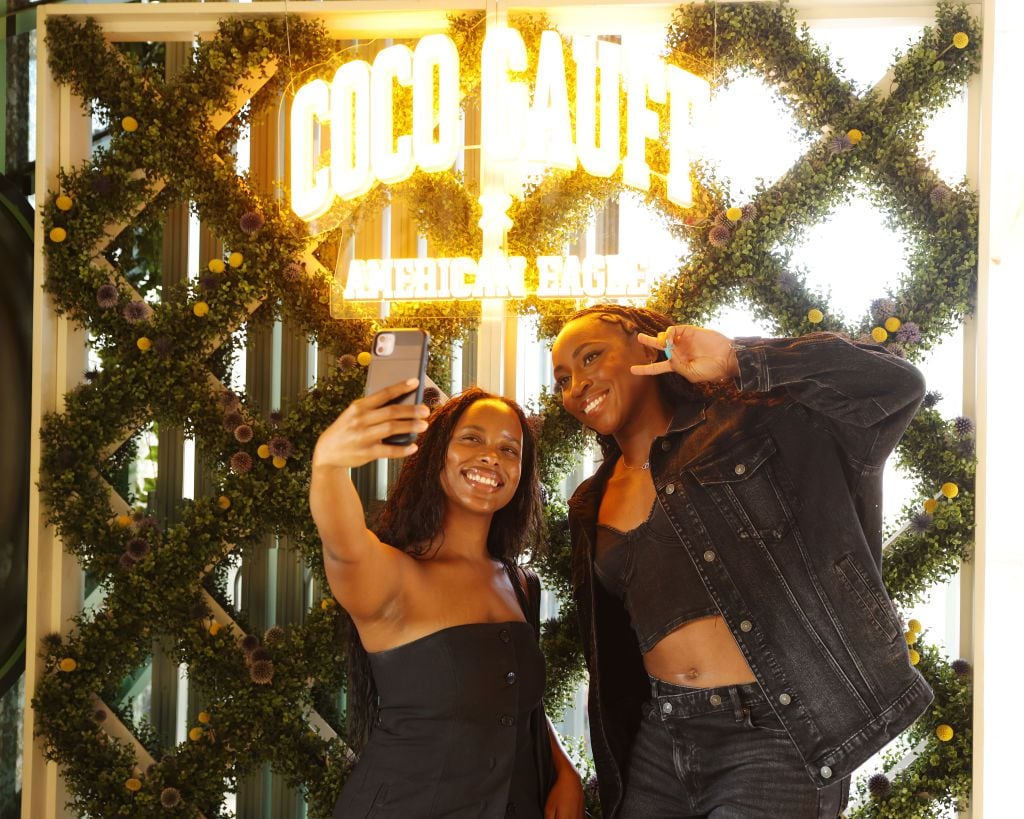
PLUS: American Eagle marks 30 NYSE years with a record stock high. CMO Craig Brommers discusses Gen-Z trends and collabs with Coco Gauff and Trevor Lawrence.
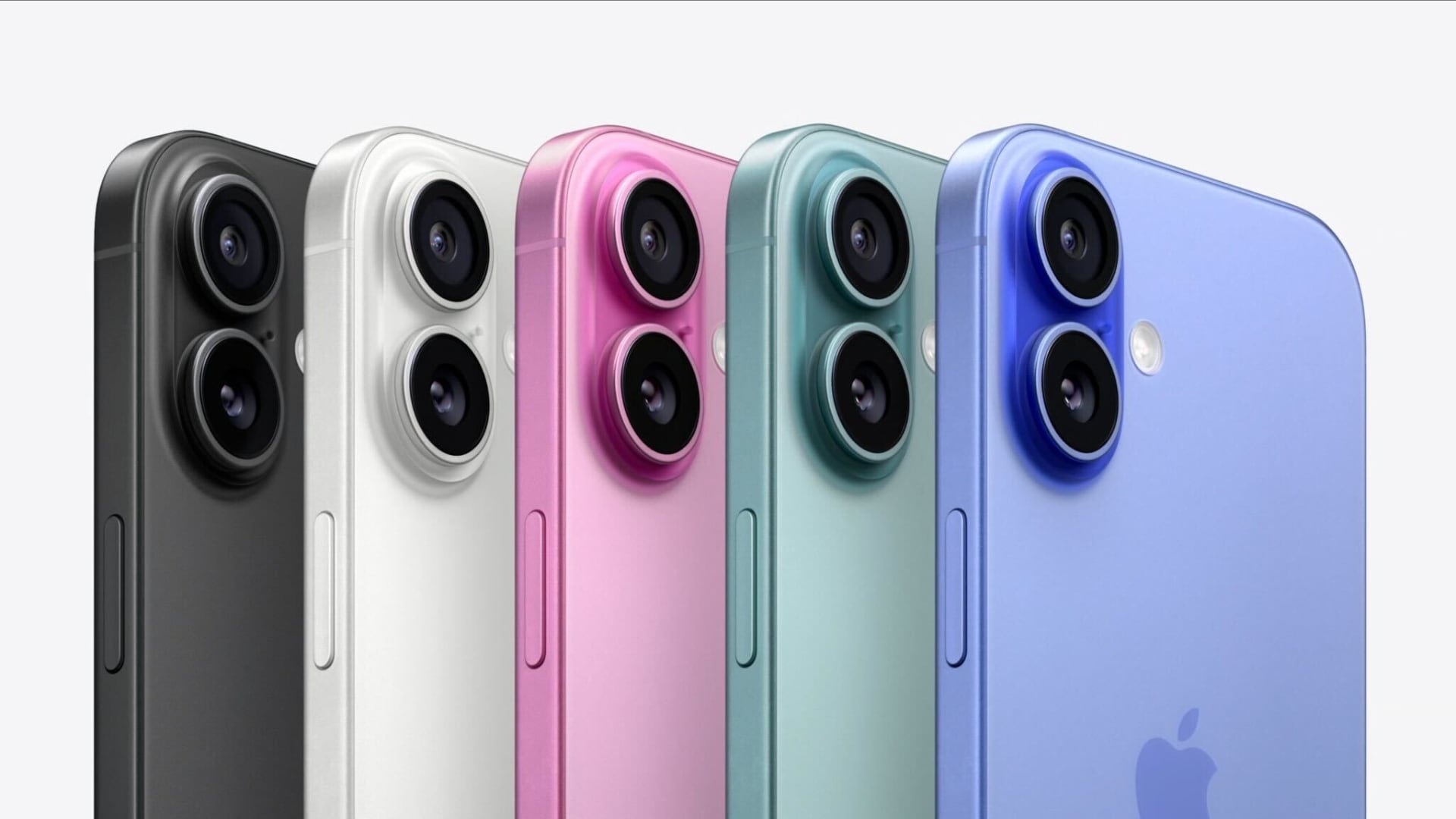
The Verge's Emma Roth joins Cheddar to discuss the iPhone 16, Apple Watch upgrades, all things Airpods and Apple Intelligence. But is it worth the hype? Watch!
The U.S. added 142,000 jobs in August, below expectations. The unemployment rate fell to 4.2%. The cooling job market raises chances for an interest rate cut.
The X and Starlink owner plays a game of chicken with Brazil's Supreme Court. Also: Disney v DirecTV, the future of steel, and that crazy ol' stock market!