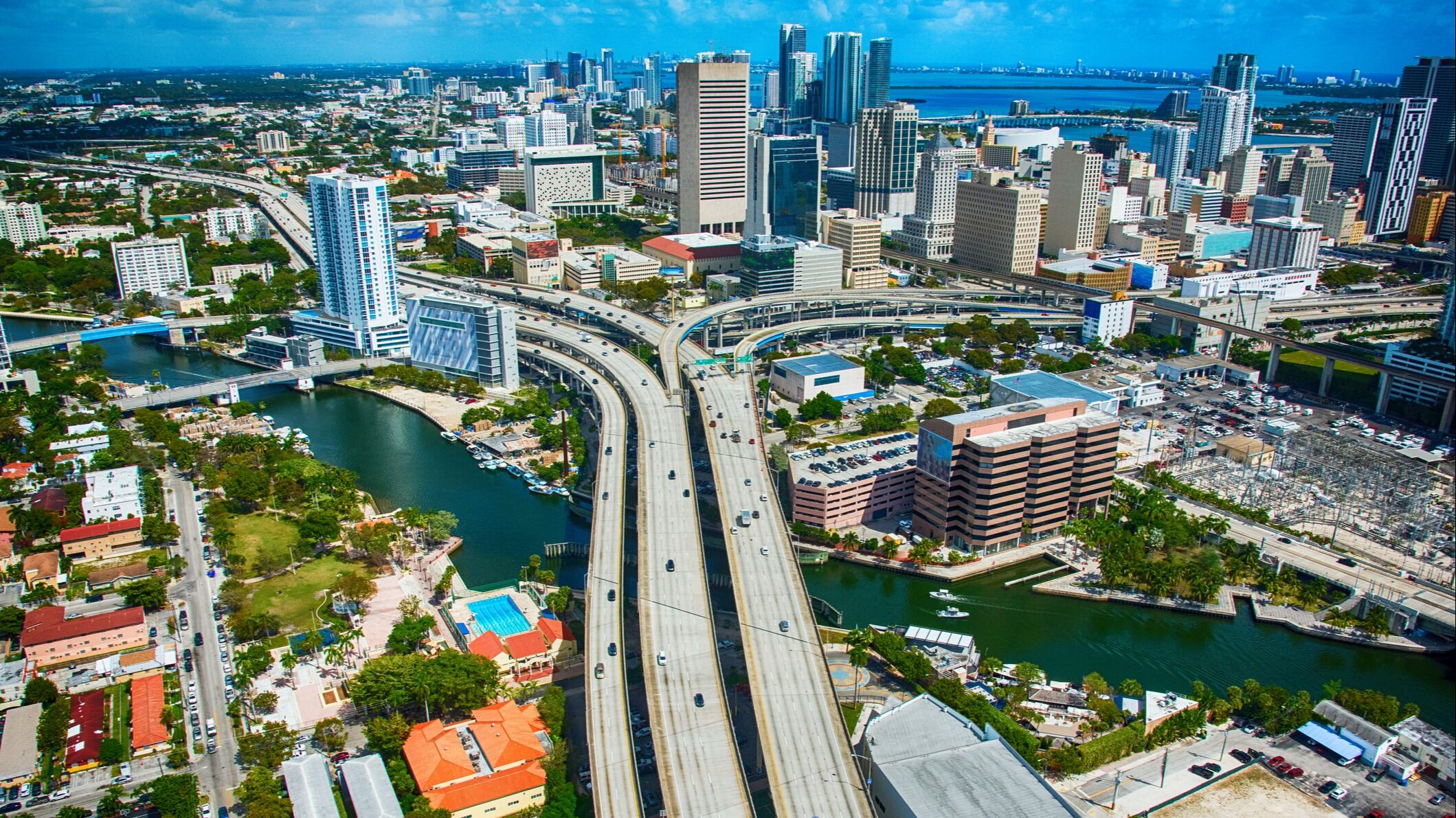
Miami was the most popular destination for home relocations in January, according to data from online real estate firm Redfin.com.
The glitzy coastal city joins five other Florida cities and towns that made Redfin's top 10 list for net migrations: Tampa, Cape Coral, Orlando, and North Port-Sarasota.
“A lot of buyers have flocked into coastal Florida from out of town over the last several months,” said Elena Fleck, a Redfin agent in Palm Beach. “Buyers moving in from places like New York and San Francisco are helping the local market recover from last fall’s housing downturn."
Miami is not an especially cheap place to live. The average sale price for a Miami home was $470,000 in January, which is well above the $383,000 national median. However, many buyers are coming from even more expensive locales. In New York, which was the top place of origin for relocators, the typical home sold for $650,000 in January.
"They’re not nearly as fazed by high mortgage rates because homes here are so much less expensive than their hometowns, and they get larger lots, pools, nice weather and lower taxes," said Fleck about the homebuyers.
Redfin said a record one-quarter of users were looking to move to a different metro area in January, as work from home and high housing prices have pushed many to seek greener, more affordable pastures. The cities with the most outflow included San Francisco, Los Angeles, New York, Washington, DC, and Chicago.
Other popular destinations outside of Florida included Sacramento, Las Vegas, and Phoenix