By Alex Veiga
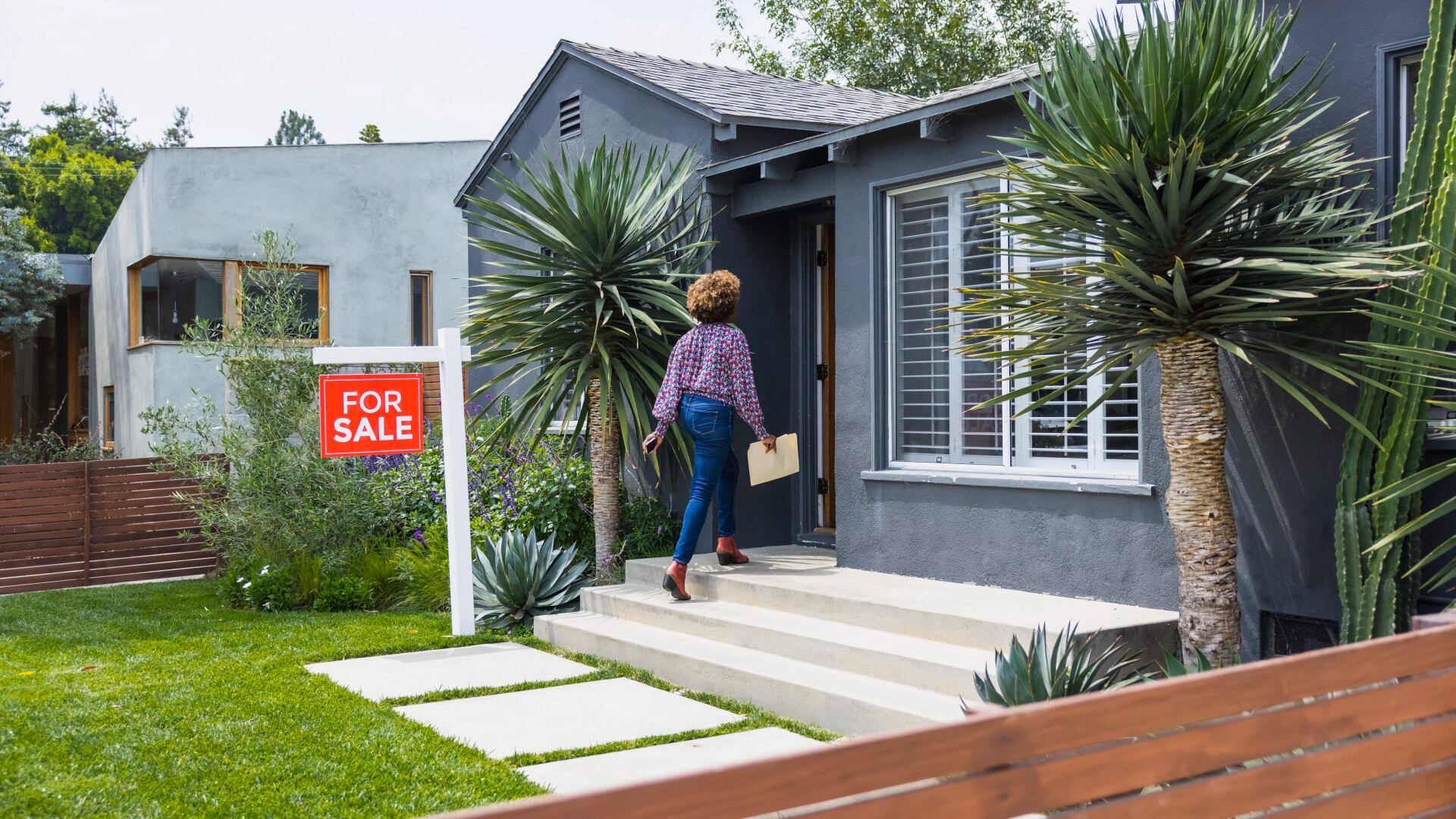
Sales of previously occupied U.S. homes fell for the third month in a row in August, as higher mortgage rates, rising prices and a dearth of properties on the market shut out many would-be homebuyers.
Existing home sales fell 0.7% last month from July to a seasonally adjusted annual rate of 4.04 million, the National Association of Realtors said Thursday. That’s below the 4.10 million pace that economists were expecting, according to FactSet.
Sales slumped 15.3% compared with the same month last year and are down 21% through the first eight months of the year versus the same stretch in 2022.
Meanwhile, prices rose again last month, propped up by buyers competing for a near-record low inventory of homes on the market.
The national median sales price rose 3.9% from August last year to $407,100, marking the third month in a row that the median price remained above $400,000. Last month's median sale price is also the fourth-highest on records going back to 1999.
“Home prices continue to march higher despite lower home sales,” said Lawrence Yun, the NAR’s chief economist. “Supply needs to essentially double to moderate home price gains.”
Even as rising mortgage rates force many buyers to the sidelines, the shortage of homes for sale has kept the market competitive, driving bidding wars in many places, especially for the most affordable homes.
Buyers snapped up homes last month typically within just 20 days after the properties hit the market, and about 31% of homes sold for more than their list price.
“Sales are down, people are struggling to buy a home, but prices are going up," Yun said.
All told, there were 1.1 million homes on the market by the end of last month, down 0.9% from July and 14.1% from August last year, the NAR said. That amounts to just a 3.3-month supply, going by the current sales pace. In a more balanced market between buyers and sellers, there is a 4- to 5-month supply.
Would-be homebuyers are also seeing their purchasing power diminish as mortgage rates push higher.
The weekly average rate on a 30-year mortgage hovered just below 7% in June and July, when many of the home sales that were finalized in August would have gone under contract. It has remained above 7% since, surging at one point last month to 7.23%, a 22-year high, according to mortgage buyer Freddie Mac. This week, the average rate edged up to 7.19%.
High rates can add hundreds of dollars a month in costs for borrowers, limiting how much they can afford in a market already unaffordable to many Americans. They also discourage homeowners who locked in those low rates two years ago from selling.
Mortgage rates have been echoing moves in the 10-year Treasury yield, which lenders use as a guide to pricing loans. The yield has been climbing amid expectations that the Federal Reserve will keep short-term interest rates higher for longer to fight inflation.
On Wednesday, Federal Reserve policymakers signaled that they expect to raise rates once more this year and envision their key rate staying higher in 2024 than most analysts had expected.
The 10-year Treasury yield surged to 4.46% in morning trading Thursday, up from 4.40% late Wednesday and from 0.50% three years ago. It’s now near its highest level since 2007.
“It's possible mortgage rates may go up to 8% in the short run,” Yun said.