Within the hallways of the U.S. Capitol, there is growing confidence by GOP Senators that Senate Majority Leader Mitch McConnell can whip his caucus to block a vote on witnesses Friday.
While returning to the chamber after a short break Thursday, Senator Tim Scott (R-S.C.) told Cheddar he's "feeling good" about tomorrow's expected vote.
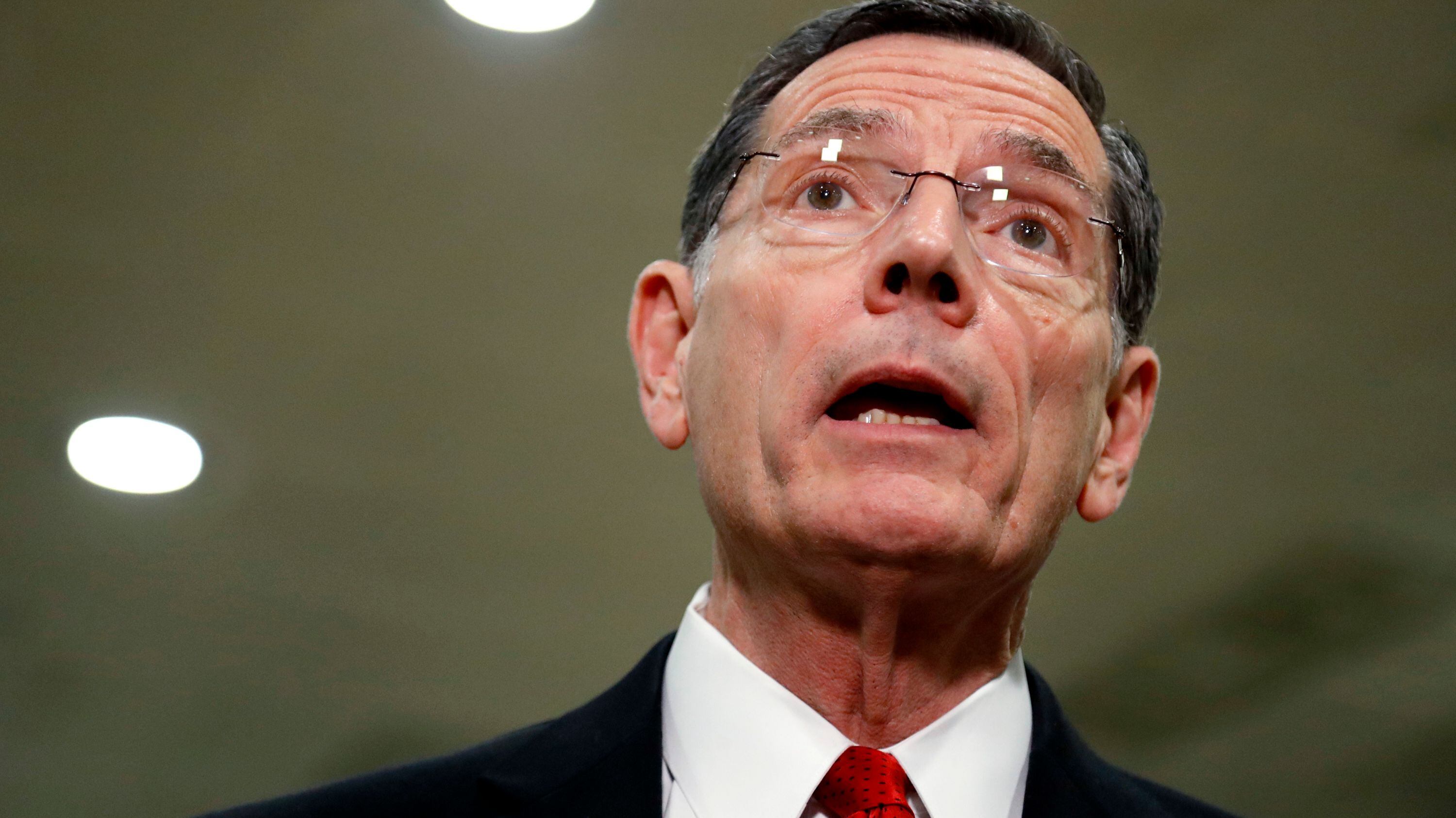
Senator John Barrasso (R-Wyo.) told reporters during the break that Republicans have the "momentum" to move to end the trial tomorrow without witnesses. "If we're able to say no [to witnesses] and go right to final judgment, we'd move in that direction and stay here until that work is decided and completed Friday evening. That's where all the momentum is now."
Still up for debate is what, exactly, happens, if the Republicans vote to end the debate on witnesses quickly.
Meanwhile, back in the chamber, lead impeachment manager Adam Schiff said witness depositions could be limited to just one week and said that the trial should not be rushed just because the State of the Union is Tuesday.
After the break, Senators asked two bipartisan questions, both of which were from senators who may still be undecided on the issue of whether to allow witnesses. First, Senators Joe Manchin (D-W.Va.), Susan Collins (R-Maine), Lisa Murkowski (R-Alaska), and Kyrsten Sinema (D-Ariz.) asked the defense team if the president would assure them that private citizens would not be directed to conduct foreign policy unless formally designated by the president and the State Department.
Murkowski and Senator Brian Schatz (D-Hawaii) submitted the second bipartisan question, asking if any action a president takes is inherently political and where the line is between permissible political actions and impeachable political actions.
In President Bill Clinton's impeachment trial, there was only one bipartisan question asked, which Sen. Collins had signed onto at the time.
Cheddar hosts Kristen Scholer and Tim Stenovec cover the breaking news that former Trump National Security Adviser Michael Flynn will plead guilty to lying to the FBI. Jarad Gelner, Senior Advisor, Democratic Coalition, and Peter Van Voorhis, Writer at Red Alert Politics, join in the conversation as well.
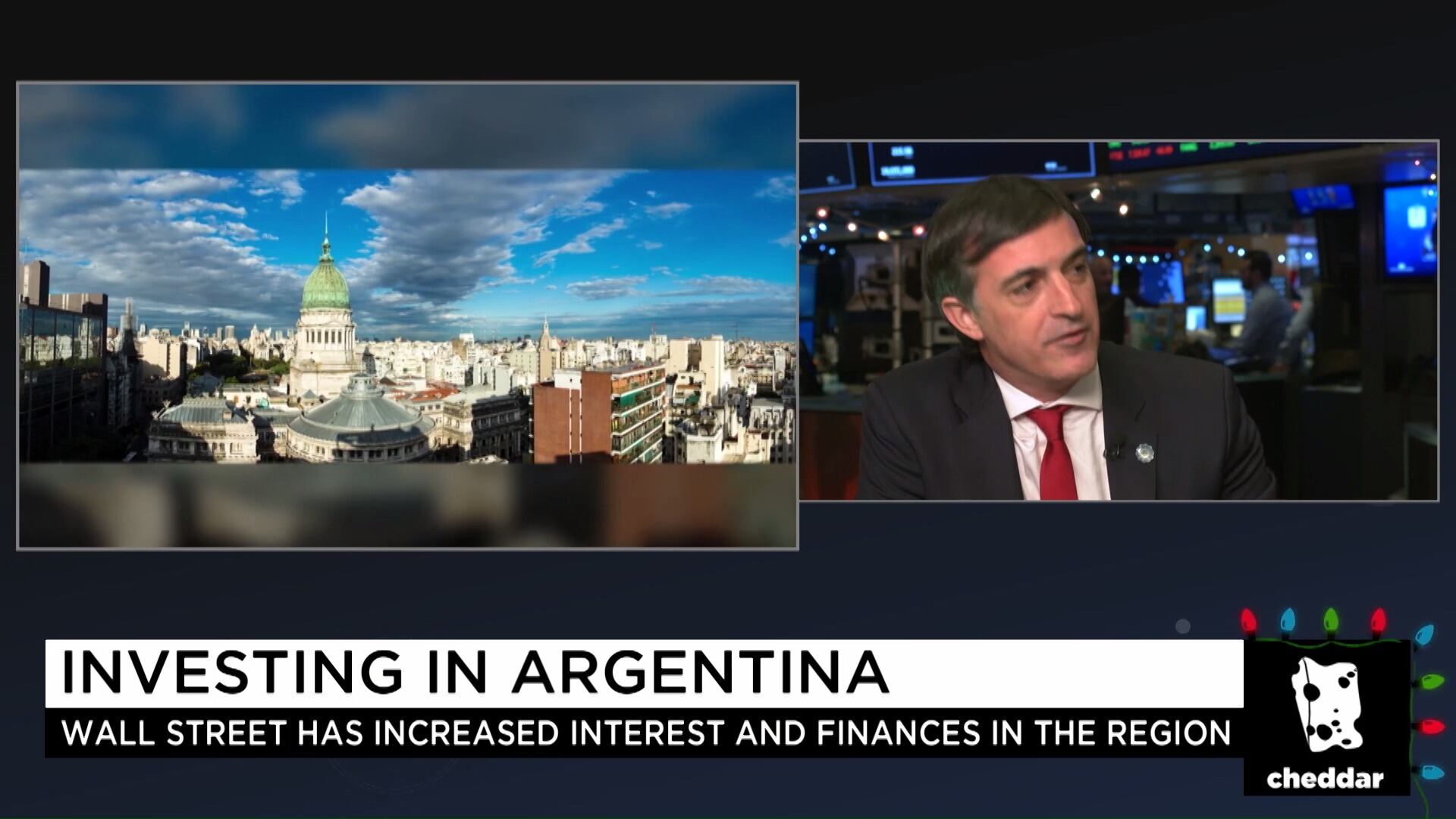
After years of economic and political struggle, Argentina is starting to see a resurgence in investment and entrepreneurial growth. Estaban Bullrich is a Senator Elect for Argentina, and he joins Cheddar to explain how the country is moving forward.
VF Hive looks at the intersection of Wall Street, Silicon Valley and Washington D.C. and the egos that drive them. Between Bells follows the latest business, technology, and culture news.
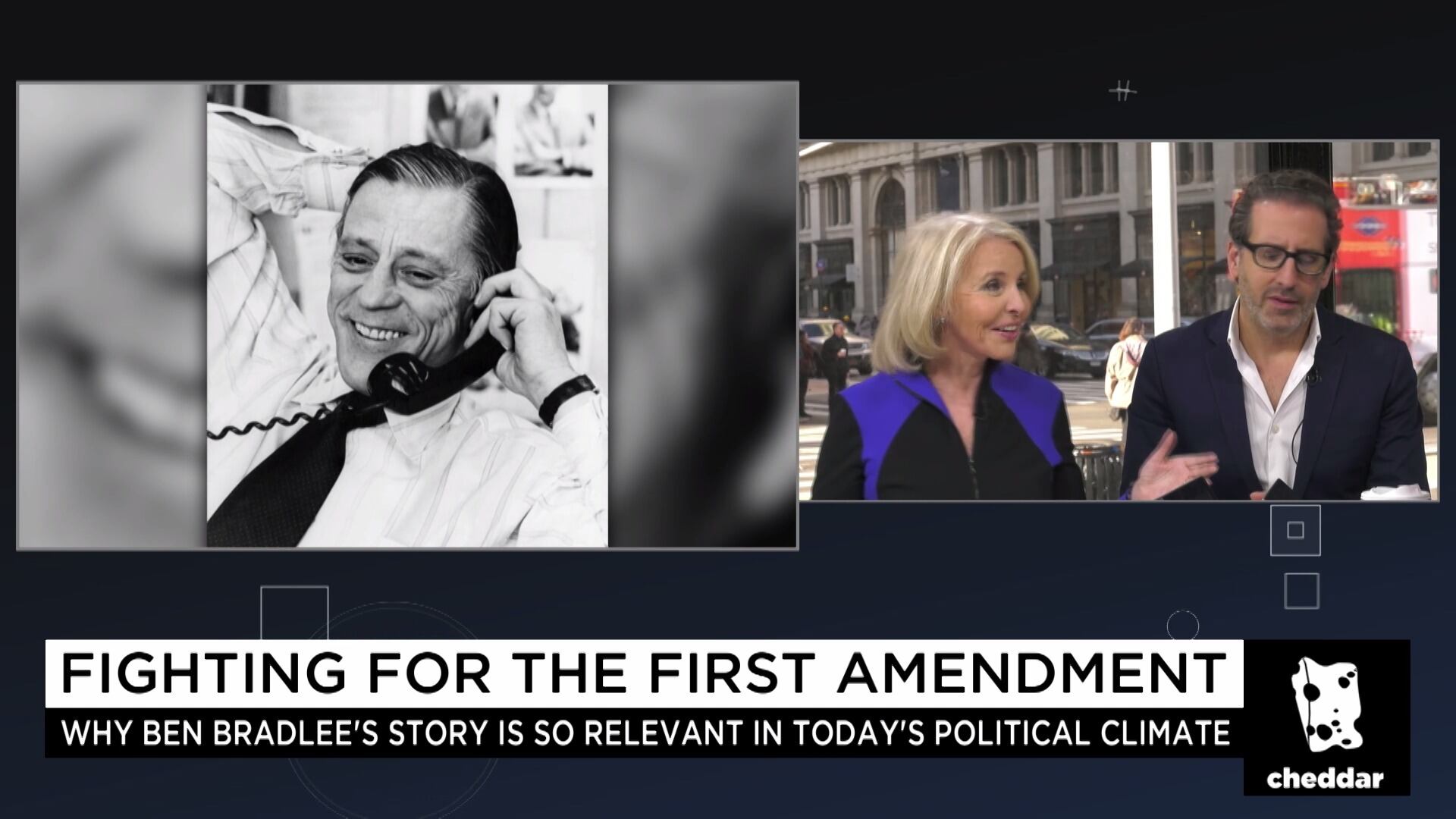
Ben Bradlee earned the moniker of America's most dangerous editor during his tenure as executive editor of The Washington Post. Bradlee's wife, Sally Quinn, and director John Maggio join Cheddar to discuss HBO's new documentary, "The Newspaperman: The Life and Times of Ben Bradlee."
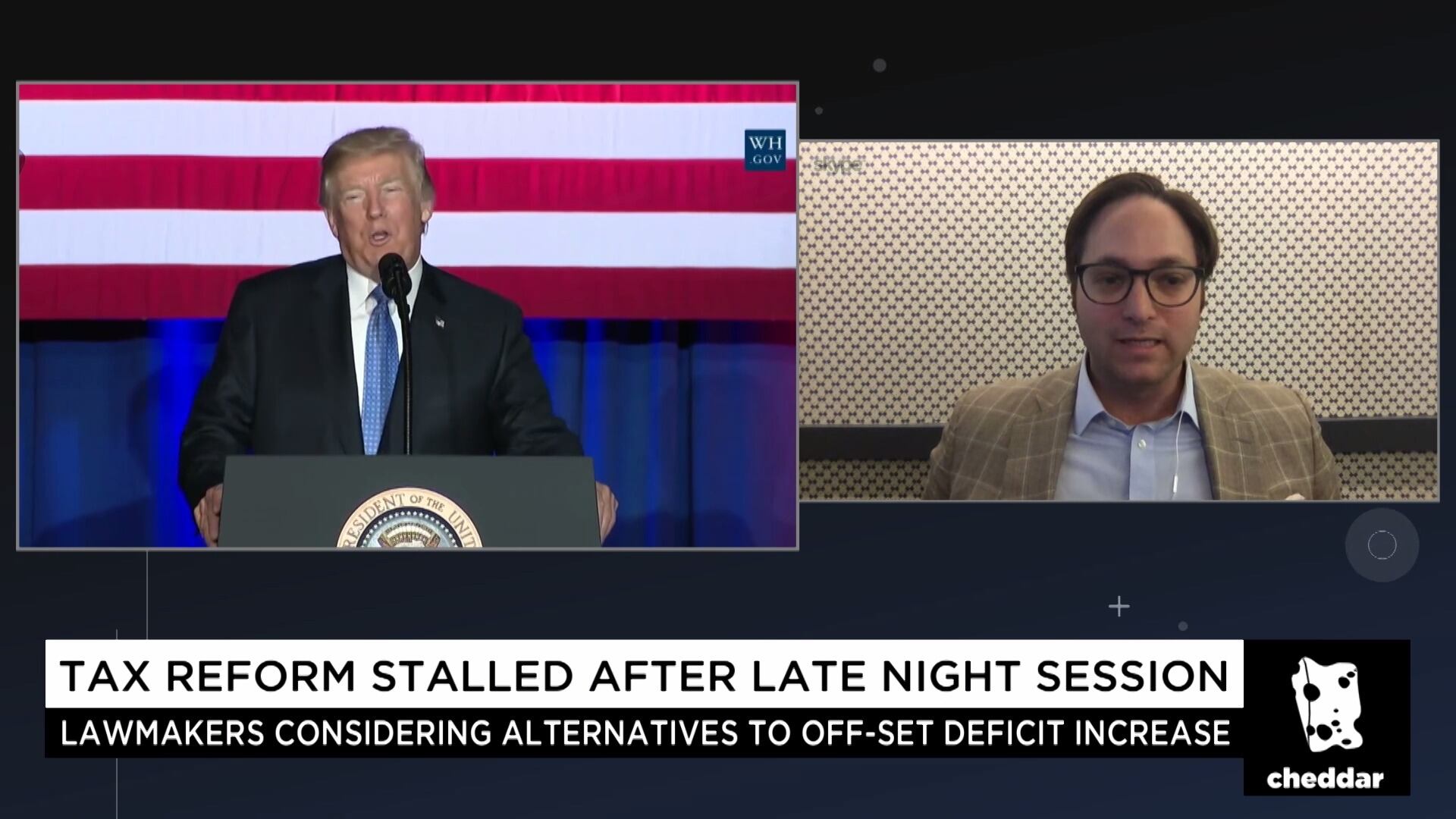
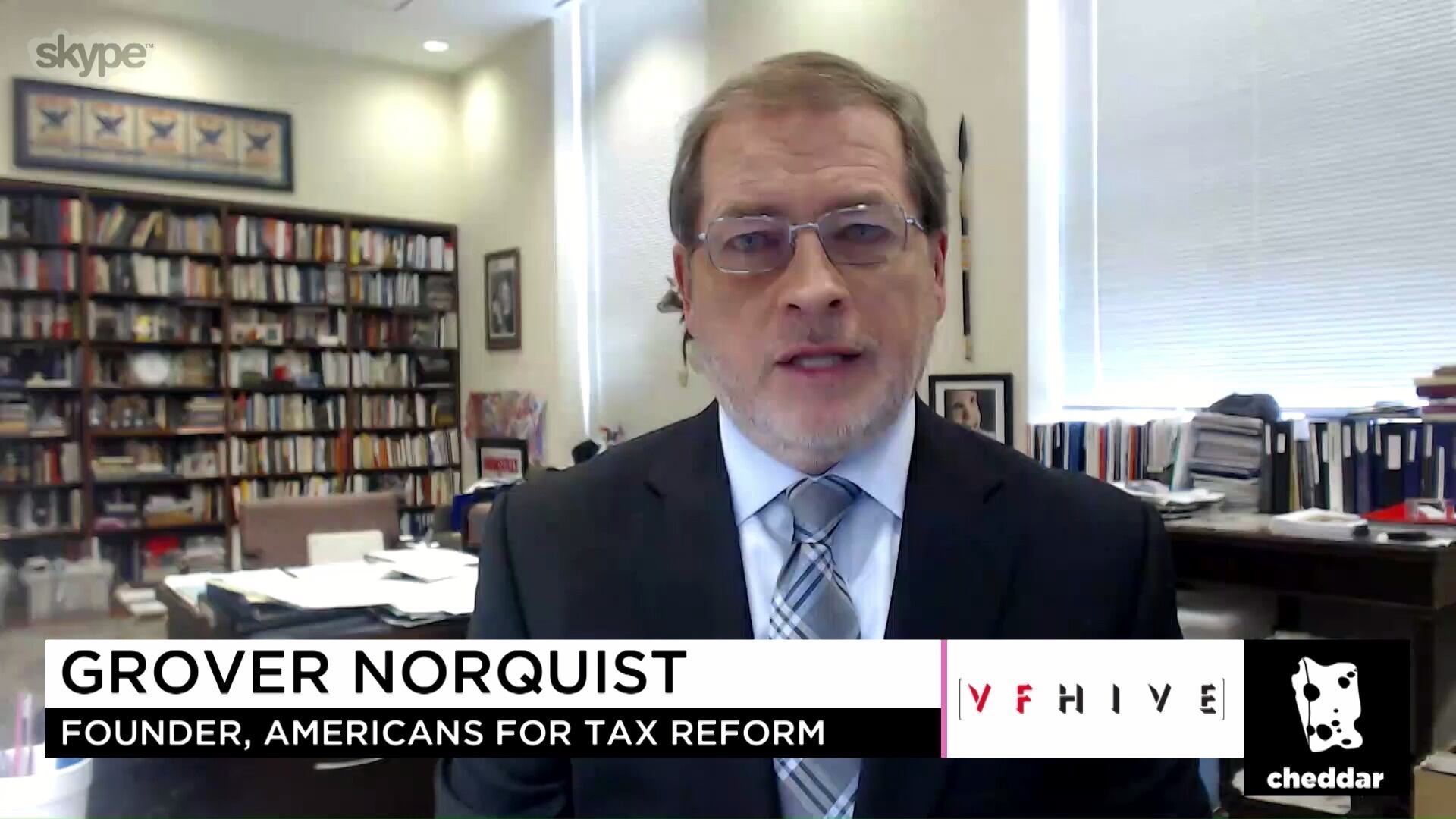
Sen. John McCain said this morning that he would vote in favor of the Republican tax bill. Grover Norquist is the founder and president of Americans for Tax Reform to explain why he's optimistic the bill will pass.
VF Hive editor Jon Kelly, Kristin Scholer and the Hive panel take us through the five biggest stories of the week in politics, business and technology.
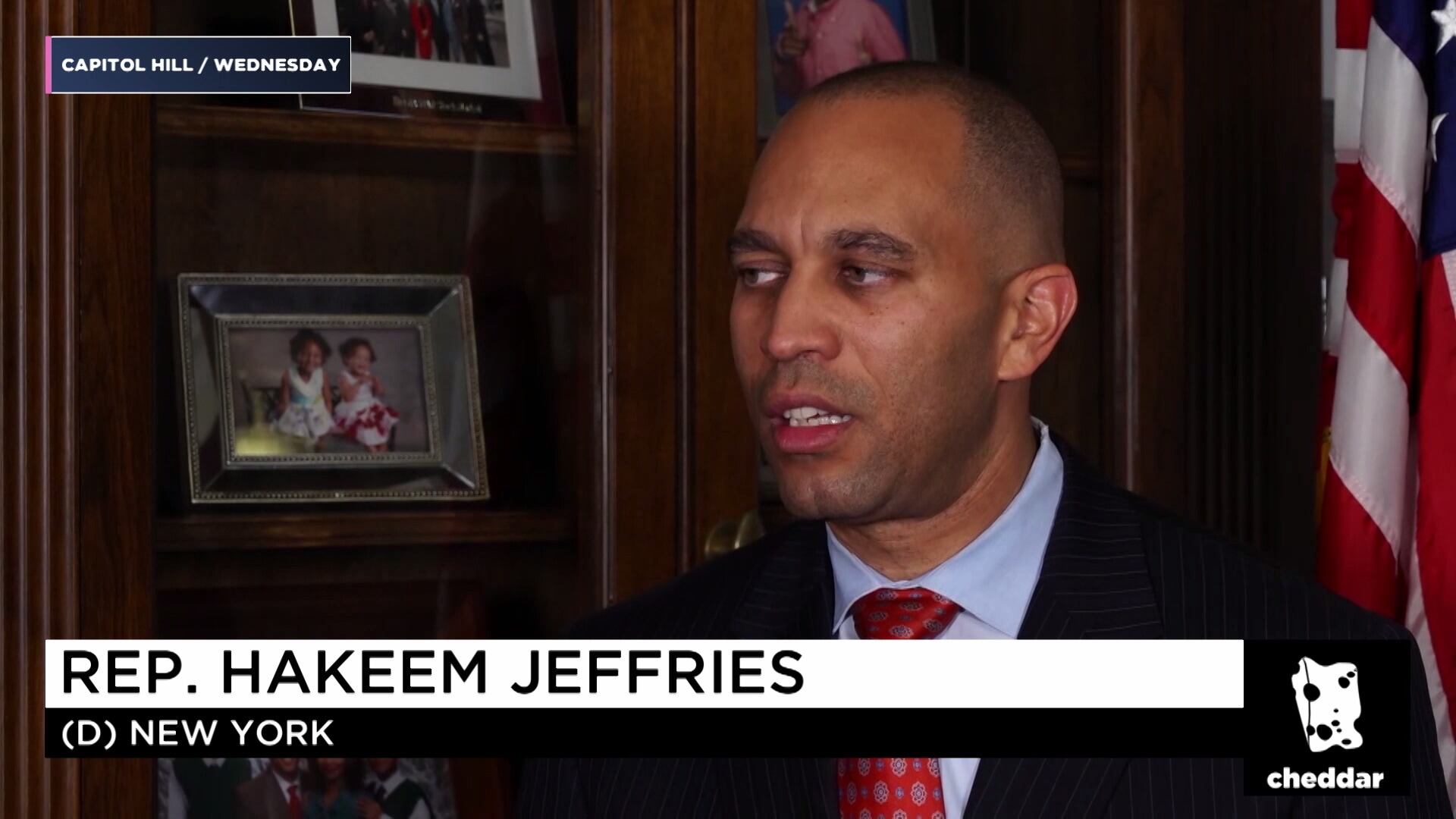
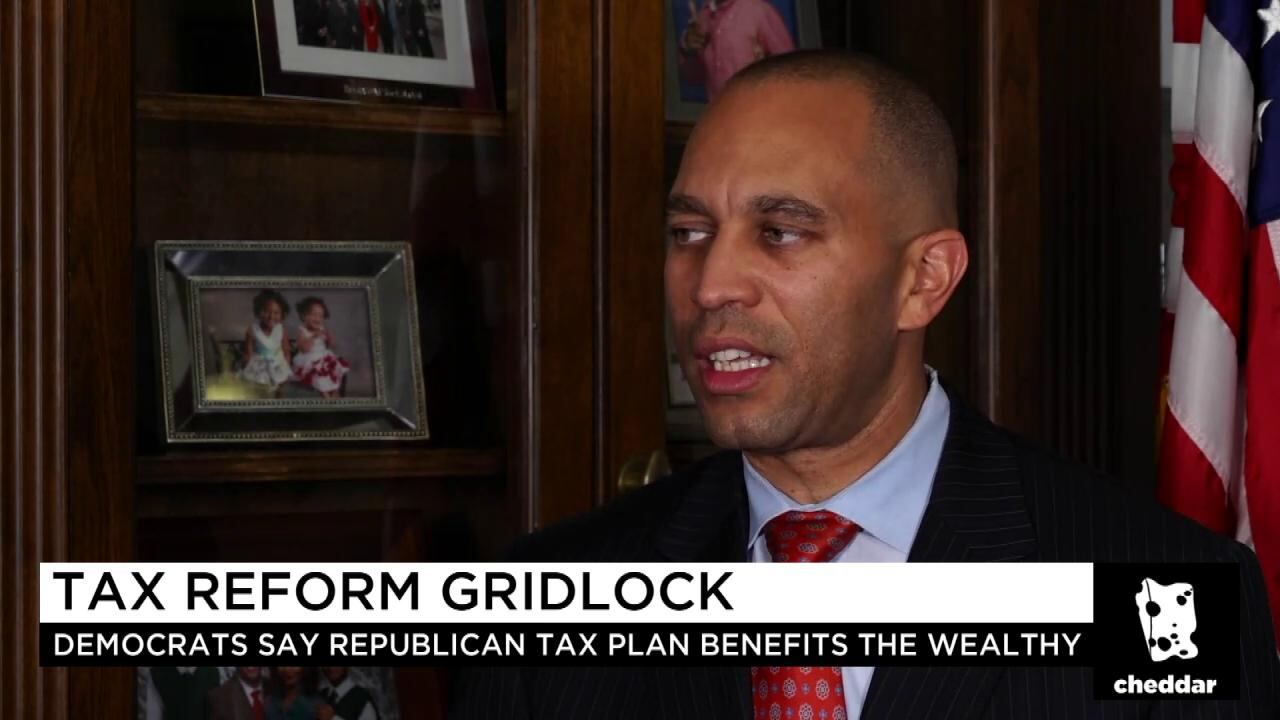
Democratic Congressman Hakeem Jeffries represents the eighth district of New York. He believes the Republican tax plan will protect millionaires and hurt middle-class Americans. The Congressman says that, despite an emphasis on reducing the federal deficit, the current plan will increase it by over a trillion dollars.
The speed at which this bill is getting pushed through Congress doesn't concern Norquist. He says the Senate has held 70 hearings on the plan. The Americans for Tax Freedom founder explains more.
Rep. Jeffries criticized the GOP's plan, saying Republicans want to hurt the middle class and help only the richest Americans. He also said state and local tax deductions should be completely cut.
More from Sen. Al Franken: "This has been a shock, and it's been extremely humbling. I am embarrassed, I feel ashamed."