Within the hallways of the U.S. Capitol, there is growing confidence by GOP Senators that Senate Majority Leader Mitch McConnell can whip his caucus to block a vote on witnesses Friday.
While returning to the chamber after a short break Thursday, Senator Tim Scott (R-S.C.) told Cheddar he's "feeling good" about tomorrow's expected vote.
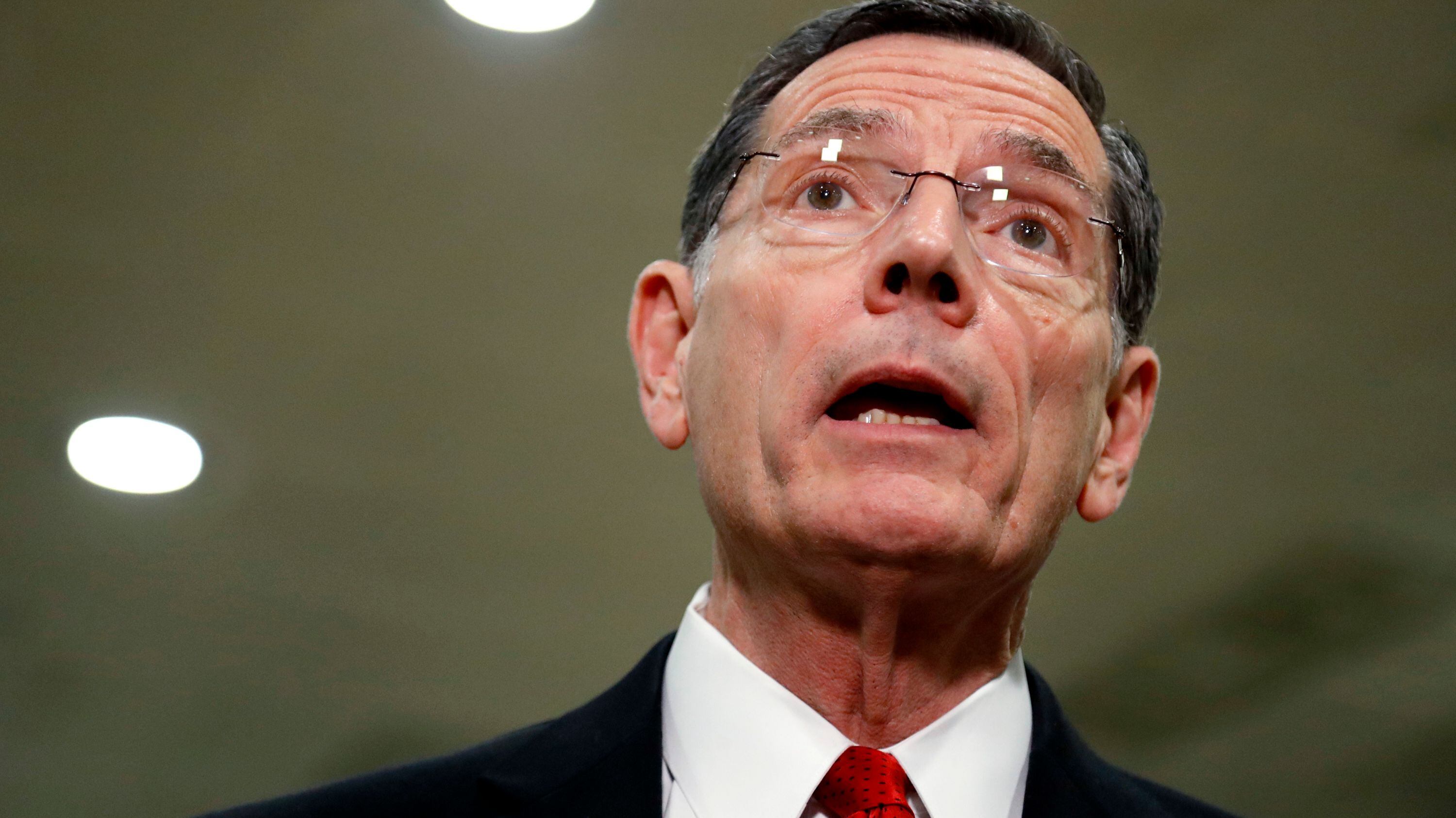
Senator John Barrasso (R-Wyo.) told reporters during the break that Republicans have the "momentum" to move to end the trial tomorrow without witnesses. "If we're able to say no [to witnesses] and go right to final judgment, we'd move in that direction and stay here until that work is decided and completed Friday evening. That's where all the momentum is now."
Still up for debate is what, exactly, happens, if the Republicans vote to end the debate on witnesses quickly.
Meanwhile, back in the chamber, lead impeachment manager Adam Schiff said witness depositions could be limited to just one week and said that the trial should not be rushed just because the State of the Union is Tuesday.
After the break, Senators asked two bipartisan questions, both of which were from senators who may still be undecided on the issue of whether to allow witnesses. First, Senators Joe Manchin (D-W.Va.), Susan Collins (R-Maine), Lisa Murkowski (R-Alaska), and Kyrsten Sinema (D-Ariz.) asked the defense team if the president would assure them that private citizens would not be directed to conduct foreign policy unless formally designated by the president and the State Department.
Murkowski and Senator Brian Schatz (D-Hawaii) submitted the second bipartisan question, asking if any action a president takes is inherently political and where the line is between permissible political actions and impeachable political actions.
In President Bill Clinton's impeachment trial, there was only one bipartisan question asked, which Sen. Collins had signed onto at the time.
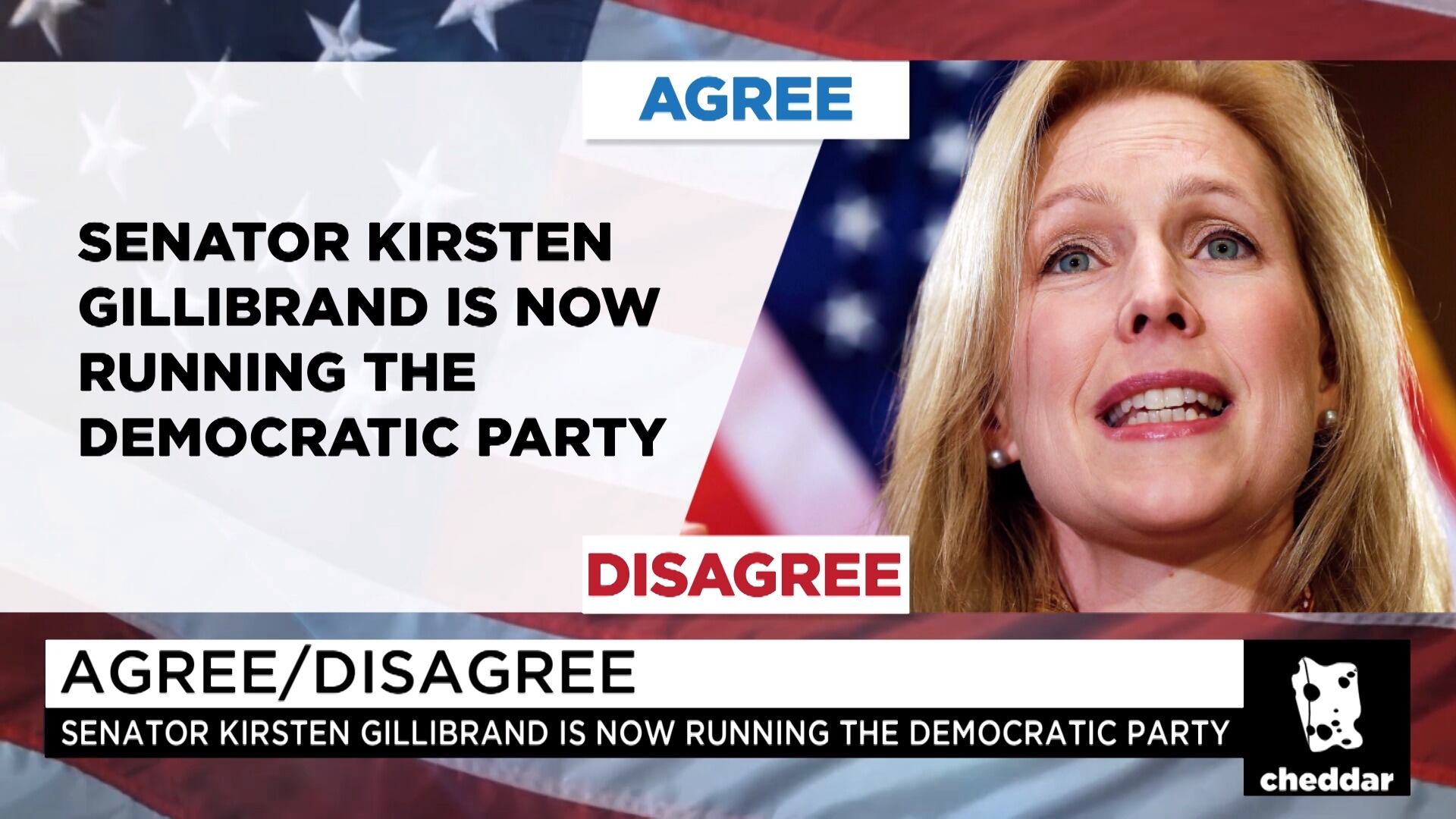
President Trump is ramping up his attacks on the media. Did the White House time his latest barrage against the press to match up with the Senate election in Alabama? Our round table debates that topic and more in today's edition of "Agree to Disagree."
Todd Johnson, Managing editor at The Grio, and Jack Hunter, editor for Rare Politics, discuss the accusations of sexual harassment and assault against President Trump, as his accusers speak out for the second time.
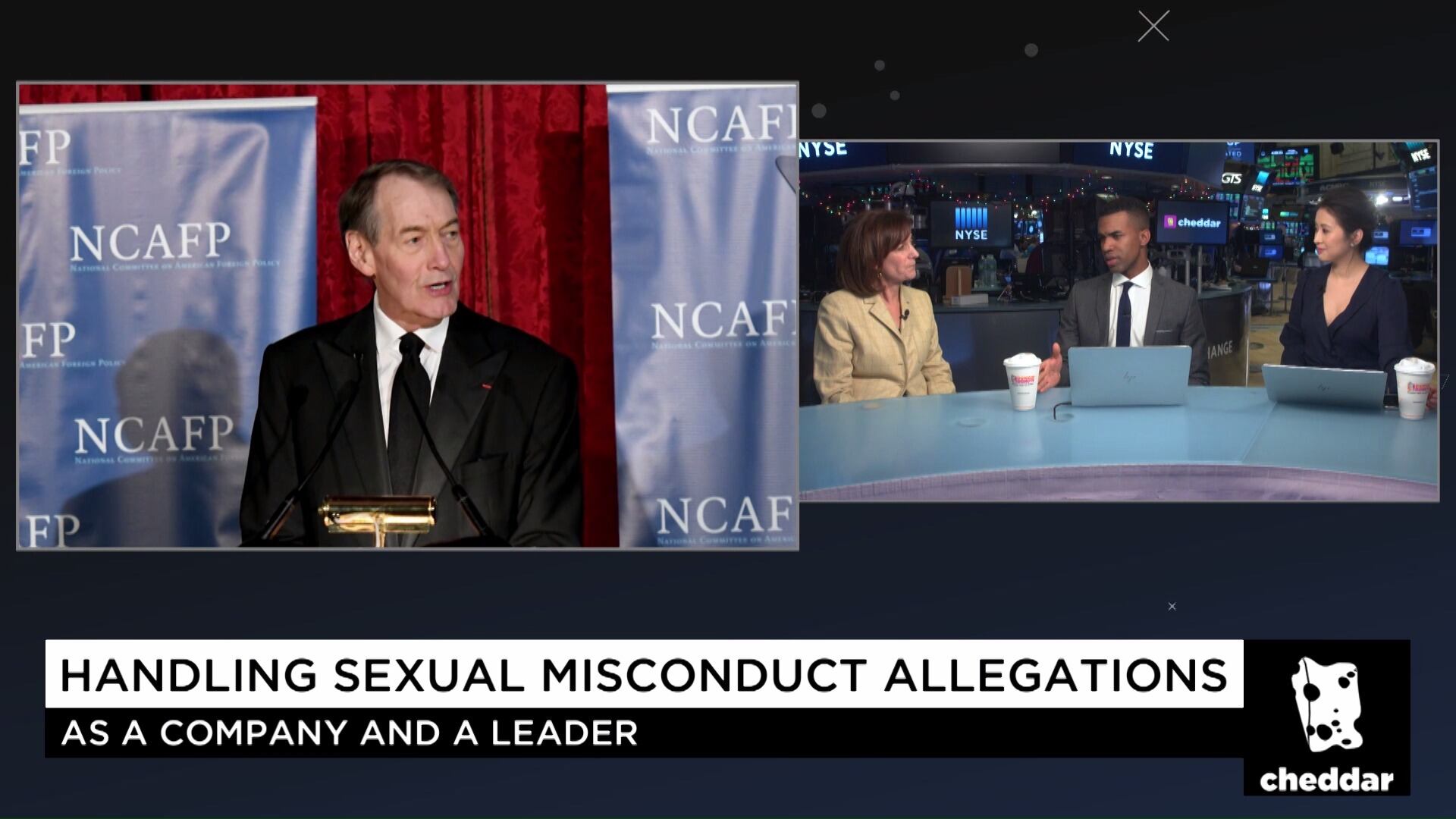
For the past couple of months, there has been a windfall of sexual harassment and assault allegations coming out of Hollywood, Washington, the media, and more. Sue Jacobson is the co-founder of Jacobson Strategic Communications, and she joins Cheddar to explain why responding quickly in these situations is so important.
Between Bells brings you the latest political news, along with a few doses of business, culture, beauty, and tech.
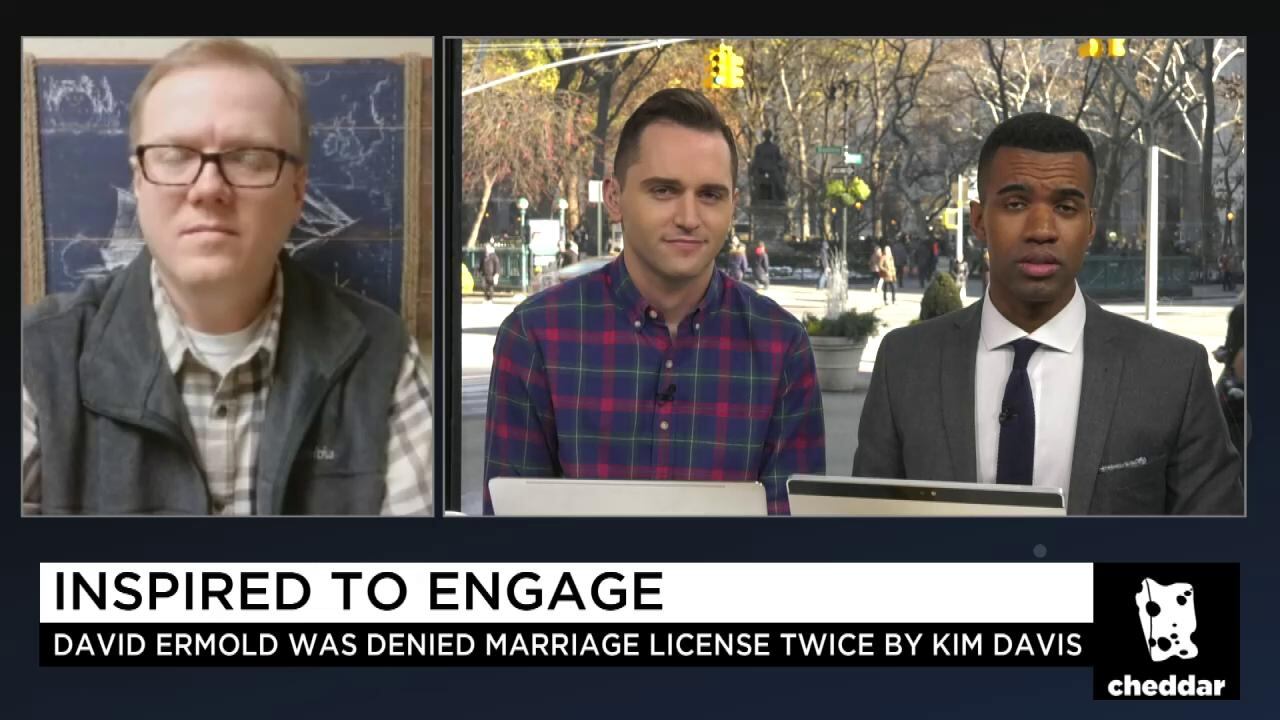
Kim Davis made headlines two years ago for refusing to issue marriage licenses to same-sex couples as the county clerk in Rowan County, Kentucky. David Ermold and his now-husband were denied one of those licenses. Now David is running against Kim Davis to be the next Rowan County Clerk.
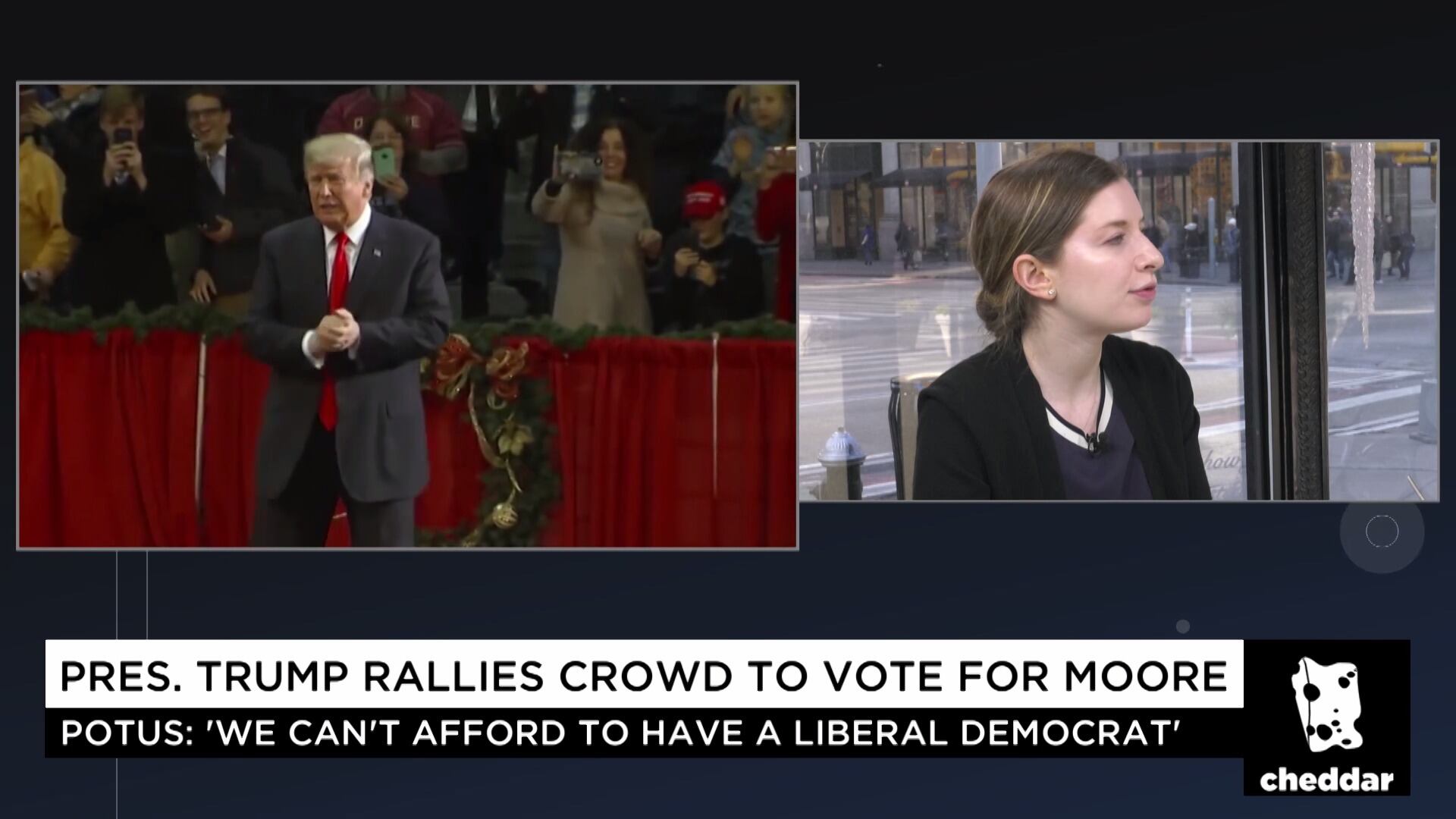
One of the most-controversial Senate elections in history is heading into the homestretch. Elle.com's Mattie Kahn joins us with everything you need to know before the people of Alabama head to the polls.
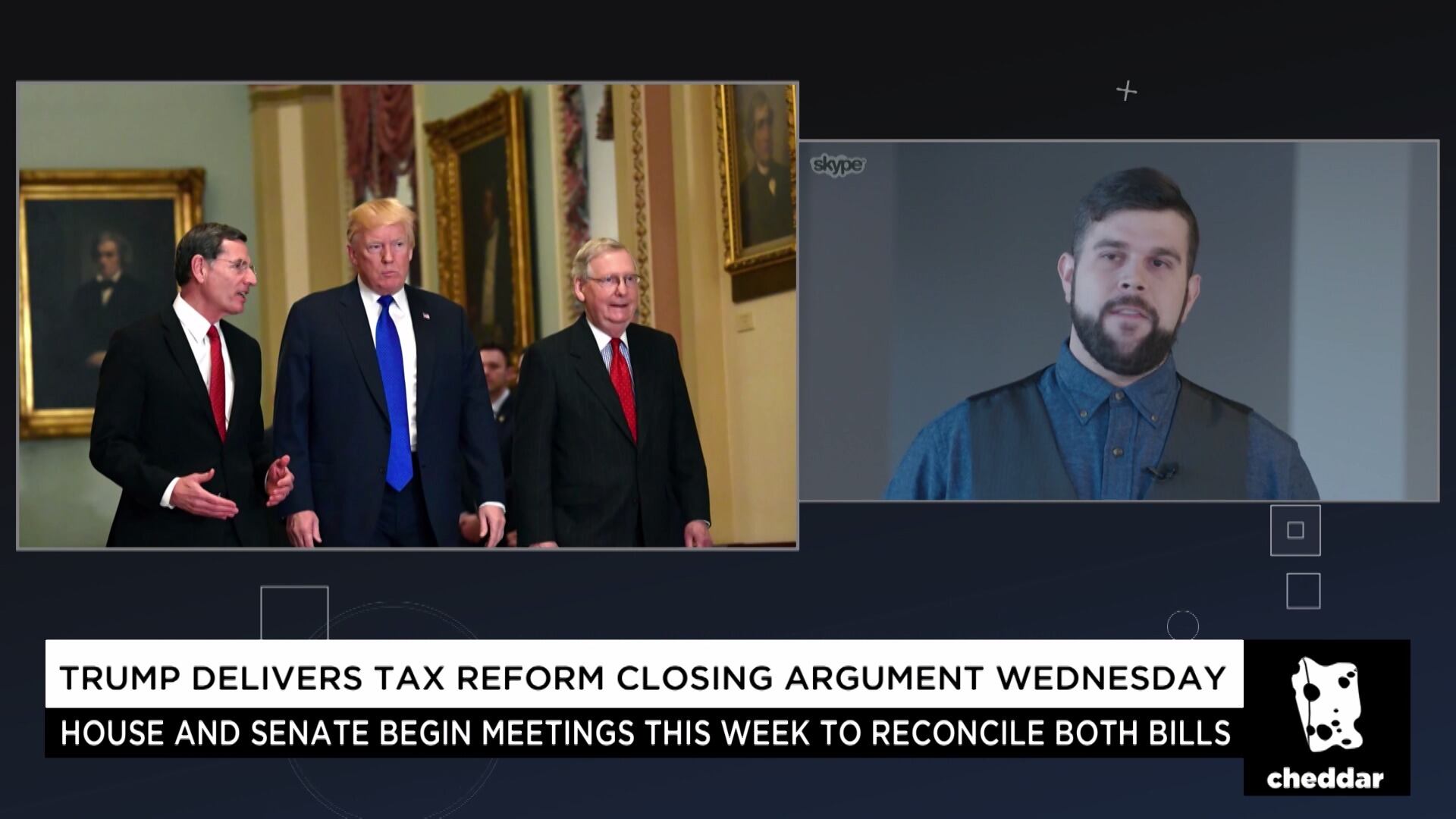
Nick Johnston, Editor in Chief at Axios, and Nate Madden, CRTV's Congressional Correspondent, give a preview of the upcoming weeks in Washington, including a discussion about the women accusing President Trump of assault and the future of tax reform and budget agreements.
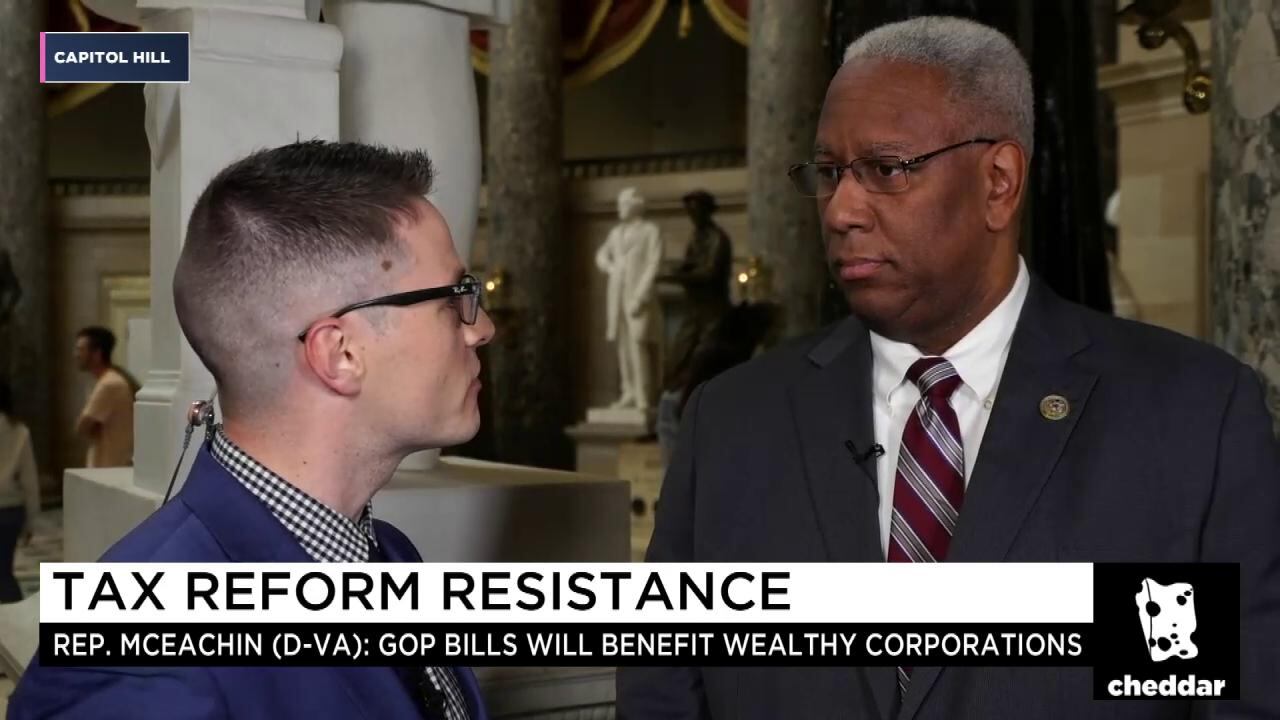
The Congressman told Cheddar that the proposed Republican tax bill benefits the one percent, hurts the middle class, and runs a $1.5 trillion deficit. He also says the reform is robbing the military.
David Ermold was denied a same-sex marriage license twice by the county clerk, who drew national headlines with her move. Now he's running for her seat in Rowan County, Kentucky, trying to change what he deems wrong.
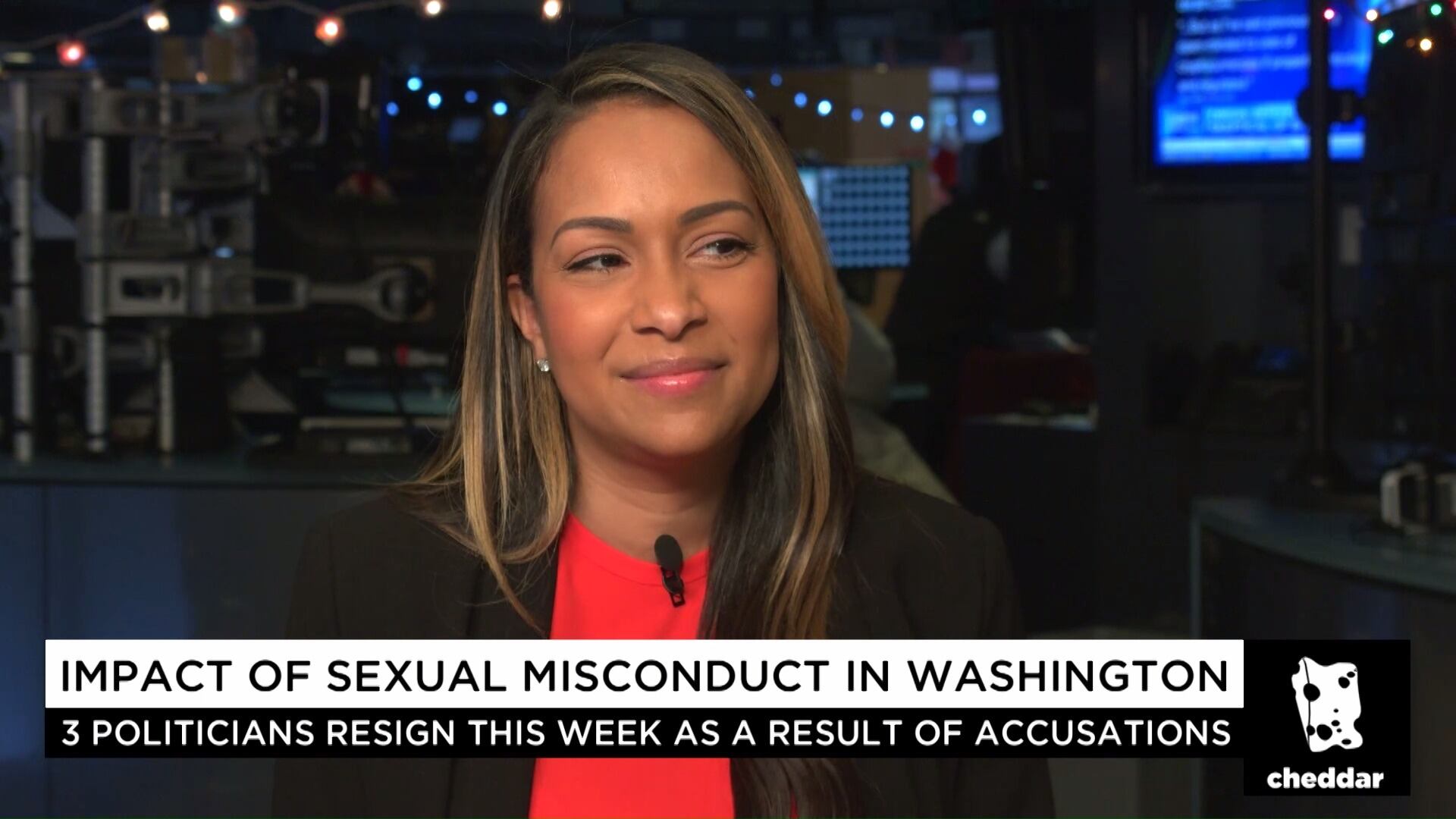
Valeisha Butterfield Jones is the CEO of Women In Entertainment Empowerment Network, a former Obama Administration official, and a former Google executive. Jones gives her perspective on the moment of reckoning that Hollywood, media, and politics are experiencing amidst sexual misconduct allegations.