Within the hallways of the U.S. Capitol, there is growing confidence by GOP Senators that Senate Majority Leader Mitch McConnell can whip his caucus to block a vote on witnesses Friday.
While returning to the chamber after a short break Thursday, Senator Tim Scott (R-S.C.) told Cheddar he's "feeling good" about tomorrow's expected vote.
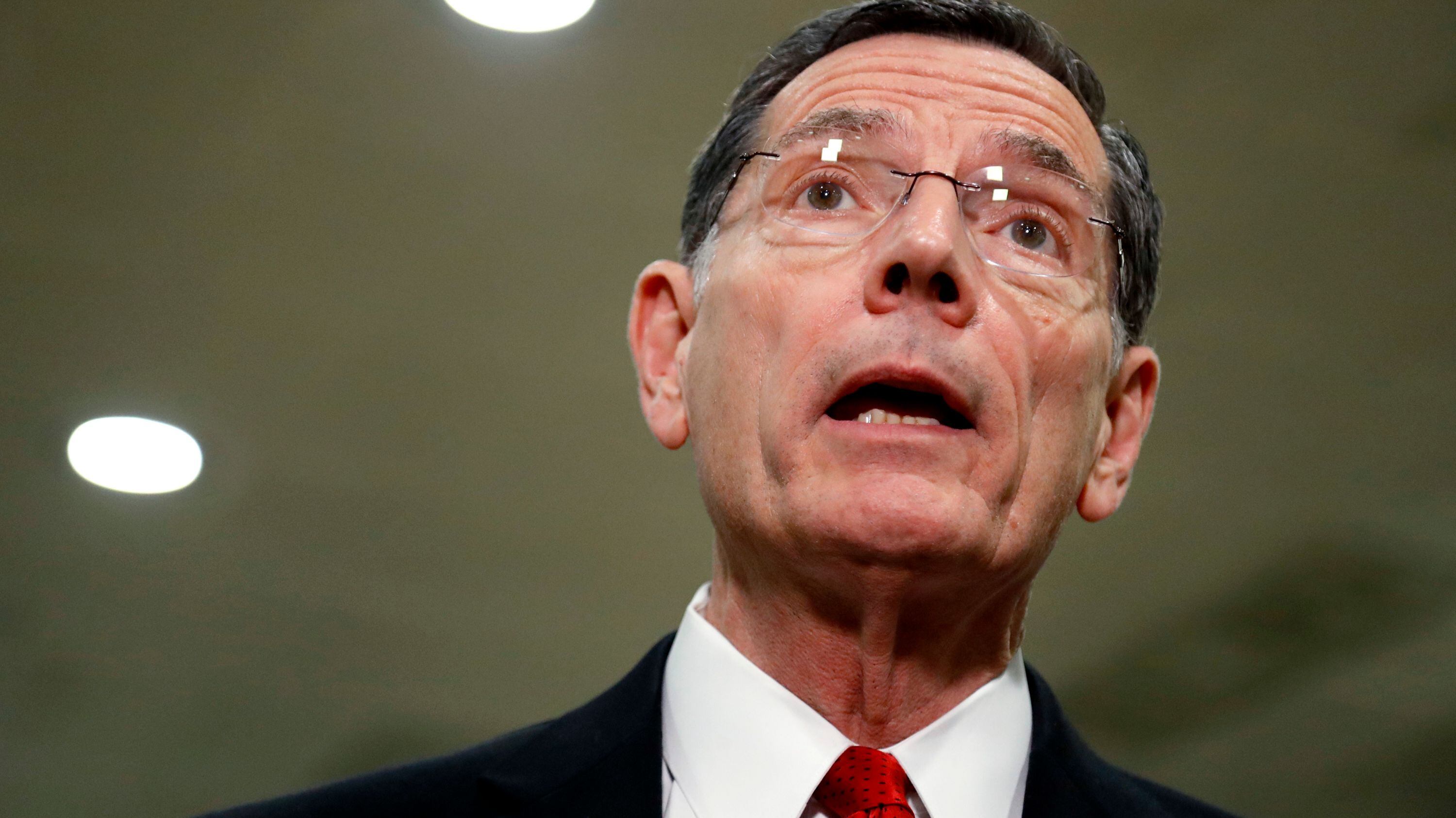
Senator John Barrasso (R-Wyo.) told reporters during the break that Republicans have the "momentum" to move to end the trial tomorrow without witnesses. "If we're able to say no [to witnesses] and go right to final judgment, we'd move in that direction and stay here until that work is decided and completed Friday evening. That's where all the momentum is now."
Still up for debate is what, exactly, happens, if the Republicans vote to end the debate on witnesses quickly.
Meanwhile, back in the chamber, lead impeachment manager Adam Schiff said witness depositions could be limited to just one week and said that the trial should not be rushed just because the State of the Union is Tuesday.
After the break, Senators asked two bipartisan questions, both of which were from senators who may still be undecided on the issue of whether to allow witnesses. First, Senators Joe Manchin (D-W.Va.), Susan Collins (R-Maine), Lisa Murkowski (R-Alaska), and Kyrsten Sinema (D-Ariz.) asked the defense team if the president would assure them that private citizens would not be directed to conduct foreign policy unless formally designated by the president and the State Department.
Murkowski and Senator Brian Schatz (D-Hawaii) submitted the second bipartisan question, asking if any action a president takes is inherently political and where the line is between permissible political actions and impeachable political actions.
In President Bill Clinton's impeachment trial, there was only one bipartisan question asked, which Sen. Collins had signed onto at the time.
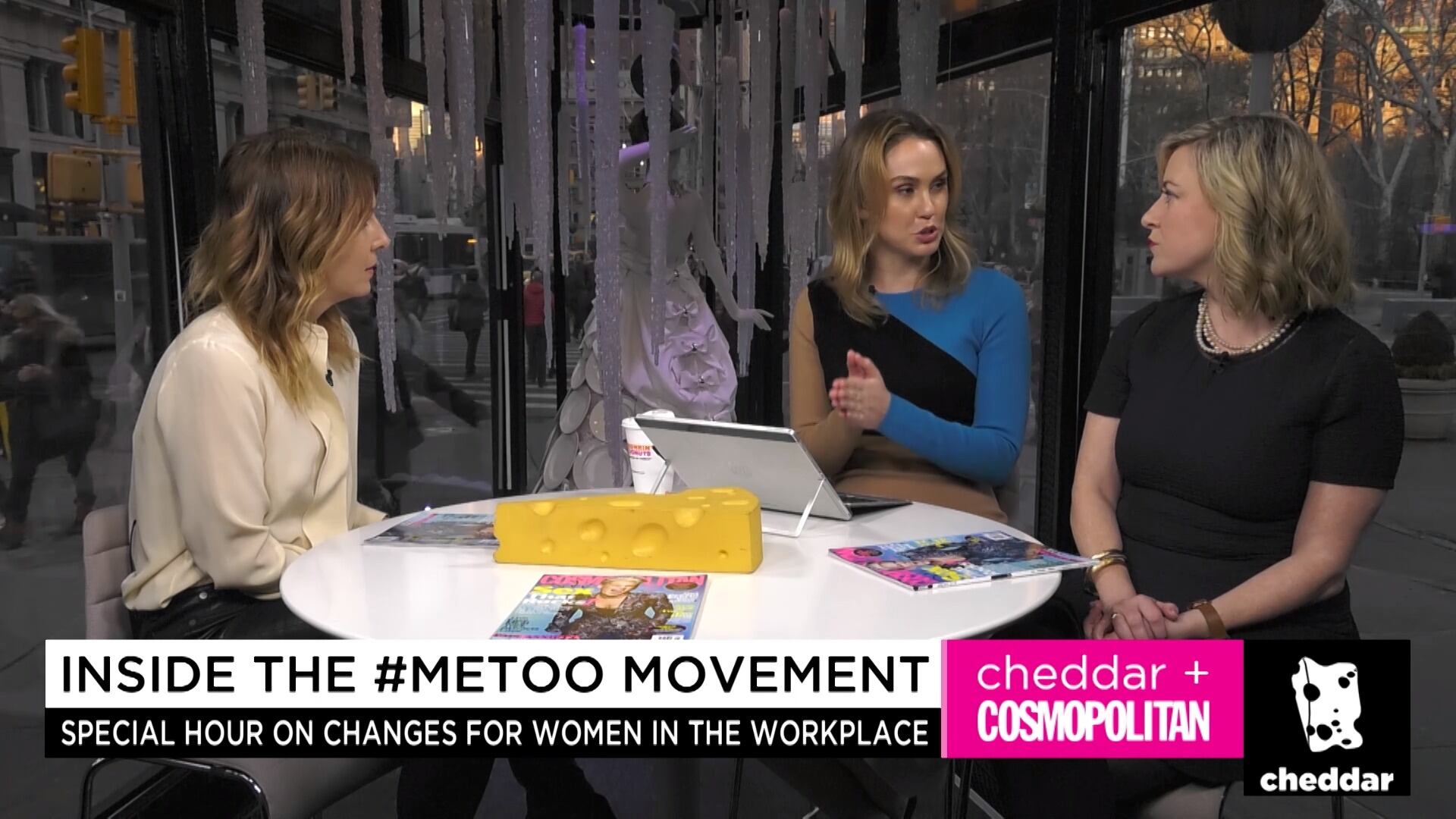
During a special episode of Cheddar's Closing Bell in partnership with Cosmopolitan, we discussed the flood of sexual harassment and misconduct allegations against men in power, the shift happening for women in the workplace, and how to continue the conversation forward in 2018. Cheddar Anchor Kristen Scholer, Cosmopolitan Editor-in-Chief Michele Promaulayko, and Cosmopolitan Director of Editorial and Business Development Laura Brounstein take a look back at the hour inside the #MeToo movement.
More people are calling for legislation to create a safer environment for women in the workplace. New York City Public Advocate Letitia James explains how she is pushing for change in legislation at the local level.
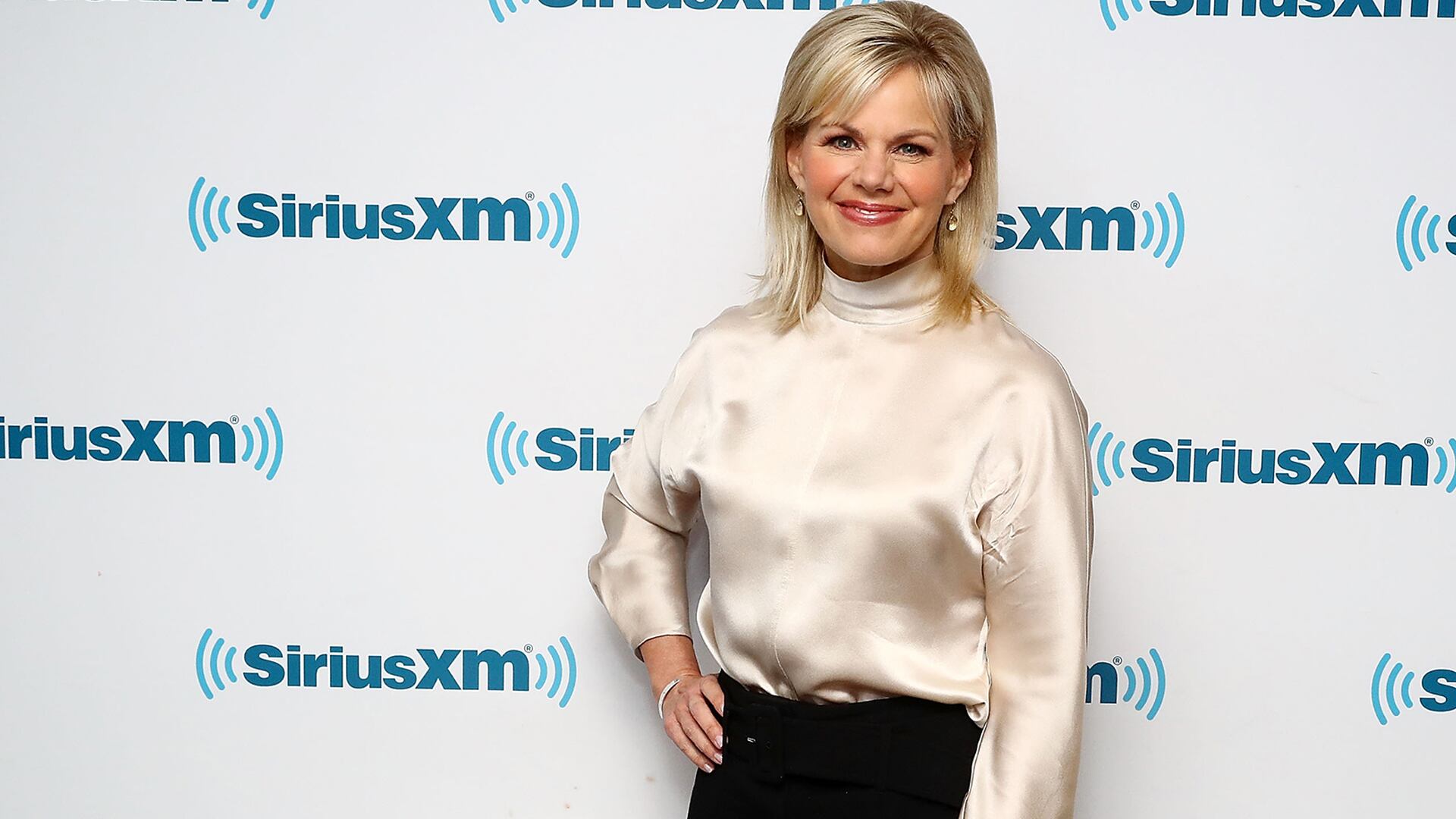
In 2016 Gretchen Carlson sued her former boss Fox News Chairman Roger Ailes for sexual harassment. This opened the floodgates for more women to come forward against Ailes. In a special hour in partnership with Cosmopolitan, Carlson shares why she was inspired to speak up.
Between Bells brings you the latest news from the worlds of politics, culture, tech, and business.
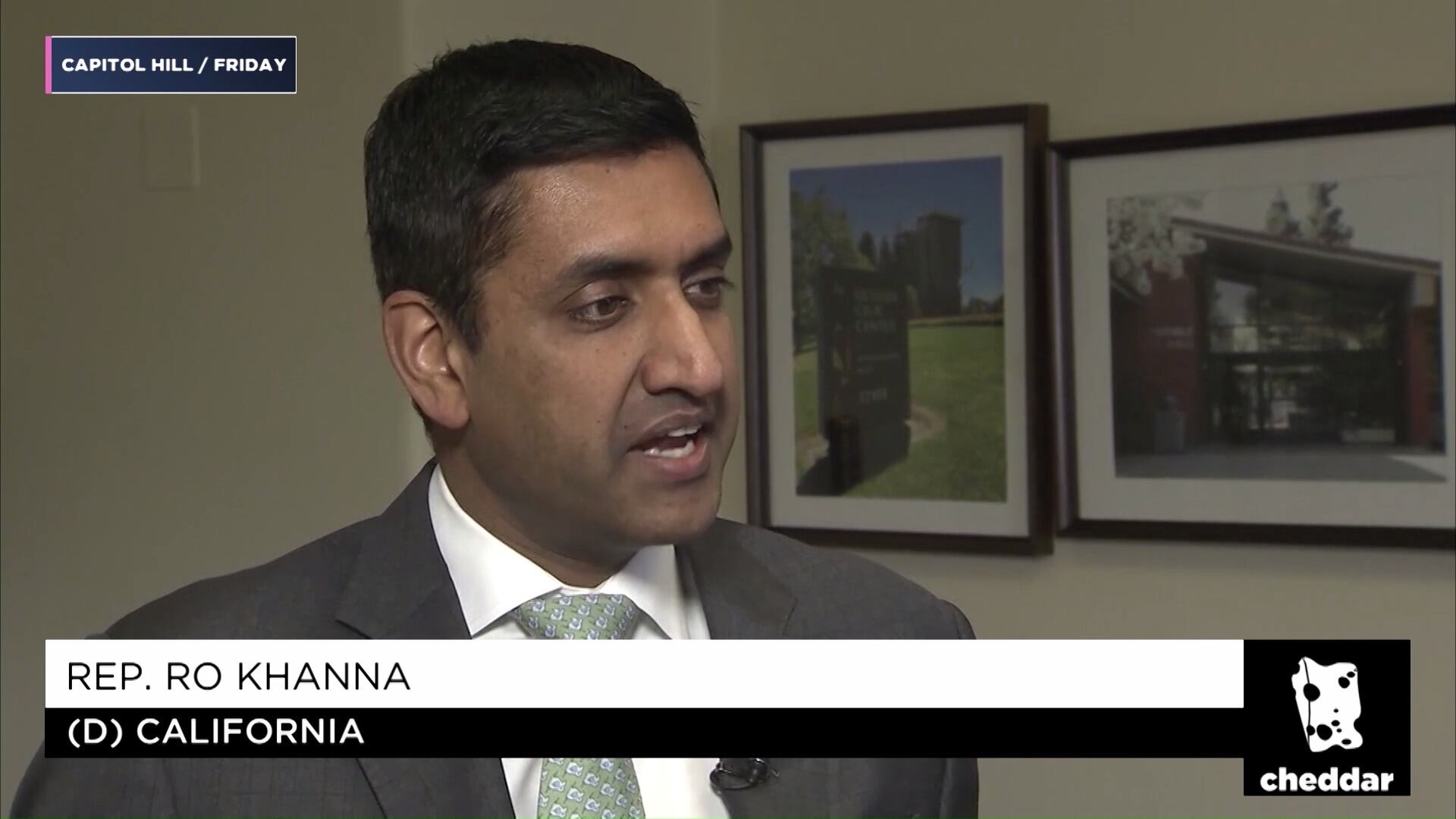
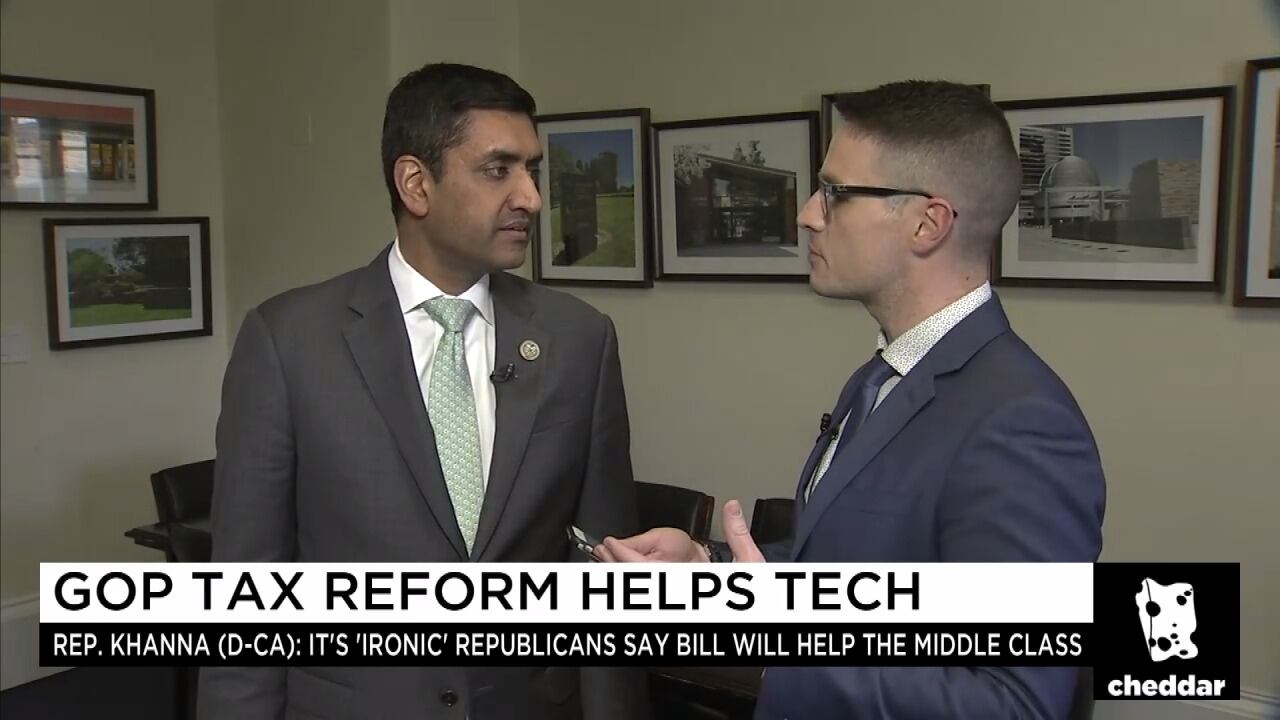
Congressman Ro Khanna represents the 17th district of California, better known as Silicon Valley. Khanna says that, despite the administration's insistence Republican tax reform will help the middle class, it will actually help corporations, including big tech companies.
Roy Moore's loss in the Senate election in Alabama came as a surprise to many. It means that Republicans will have an even smaller margin of error when it comes to passing legislation. But, in the long run, how will this impact the GOP?
Despite reports to the contrary, President Trump told reporters he is not firing Special Counsel Robert Mueller. Independent Journal Review's Jason Howerton joins Cheddar to consider the investigation's future.
The Californian Congressman says America needs to implement changes that go into developing tech industries outside of Silicon Valley.
Bitcoin futures start trading on the CME, and Congressional Democrats call for a hearing on the Disney/Fox deal. Plus tax reform gets closer, weather could have an impact on holiday shopping, and the rise of ICOs.
Jon Miller, White House Correspondent for CRTV, discusses the GOP tax bill, which could be voted on as early as Tuesday. The Republican Party secured the number of votes needed to pass the bill on Friday, when Senators Marco Rubio and Bob Corker jumped on board.