Within the hallways of the U.S. Capitol, there is growing confidence by GOP Senators that Senate Majority Leader Mitch McConnell can whip his caucus to block a vote on witnesses Friday.
While returning to the chamber after a short break Thursday, Senator Tim Scott (R-S.C.) told Cheddar he's "feeling good" about tomorrow's expected vote.
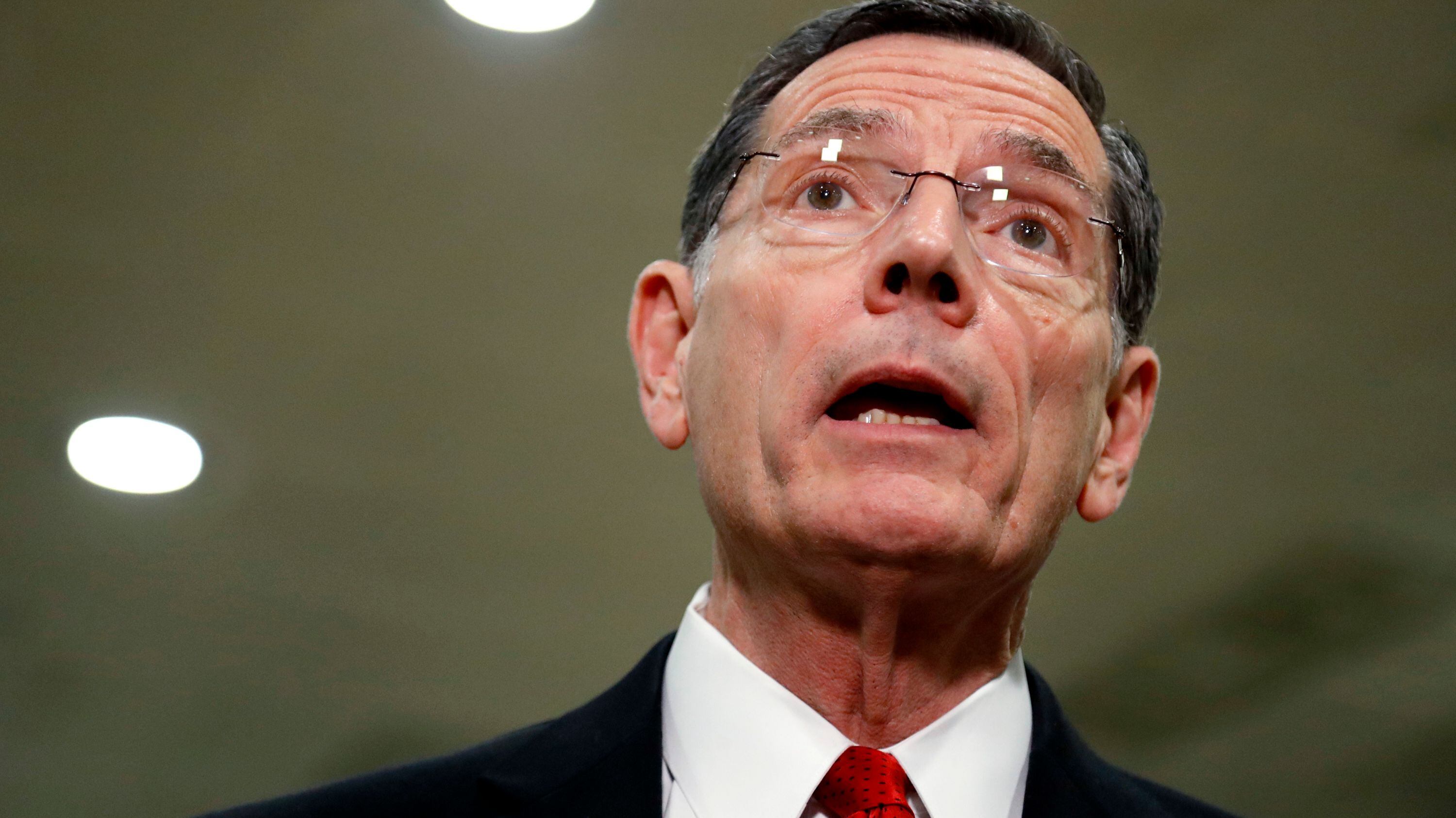
Senator John Barrasso (R-Wyo.) told reporters during the break that Republicans have the "momentum" to move to end the trial tomorrow without witnesses. "If we're able to say no [to witnesses] and go right to final judgment, we'd move in that direction and stay here until that work is decided and completed Friday evening. That's where all the momentum is now."
Still up for debate is what, exactly, happens, if the Republicans vote to end the debate on witnesses quickly.
Meanwhile, back in the chamber, lead impeachment manager Adam Schiff said witness depositions could be limited to just one week and said that the trial should not be rushed just because the State of the Union is Tuesday.
After the break, Senators asked two bipartisan questions, both of which were from senators who may still be undecided on the issue of whether to allow witnesses. First, Senators Joe Manchin (D-W.Va.), Susan Collins (R-Maine), Lisa Murkowski (R-Alaska), and Kyrsten Sinema (D-Ariz.) asked the defense team if the president would assure them that private citizens would not be directed to conduct foreign policy unless formally designated by the president and the State Department.
Murkowski and Senator Brian Schatz (D-Hawaii) submitted the second bipartisan question, asking if any action a president takes is inherently political and where the line is between permissible political actions and impeachable political actions.
In President Bill Clinton's impeachment trial, there was only one bipartisan question asked, which Sen. Collins had signed onto at the time.
President Trump notched his first major policy win with tax reform last week. Can he use the momentum from that win to push his policies through in 2018, or will Democrats stand in his way?
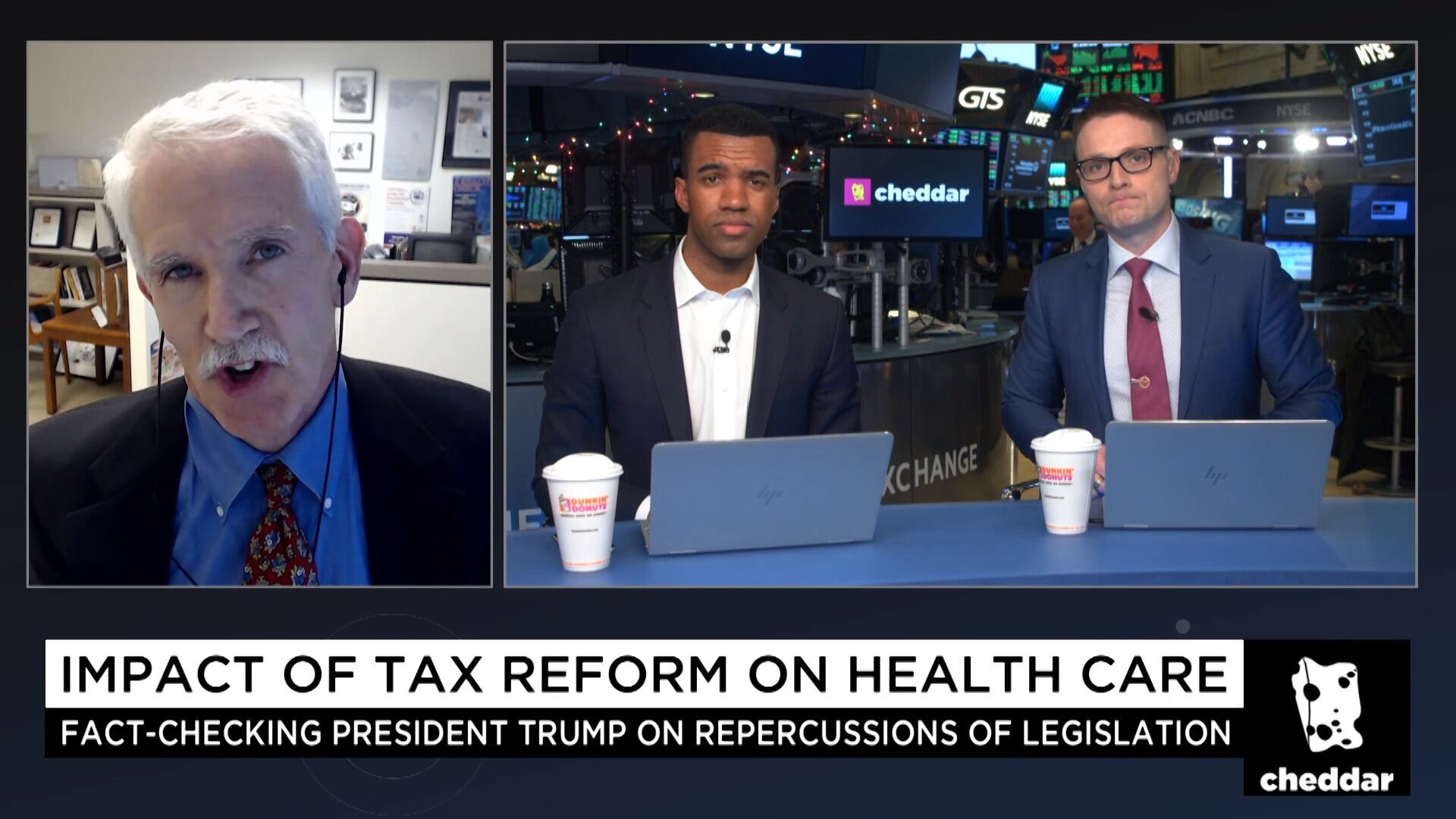
President Donald Trump touting his tax bill over Twitter. Politifact Staff Writer Jon Greenberg fact-checks claims Trump made over the impact of tax reform.
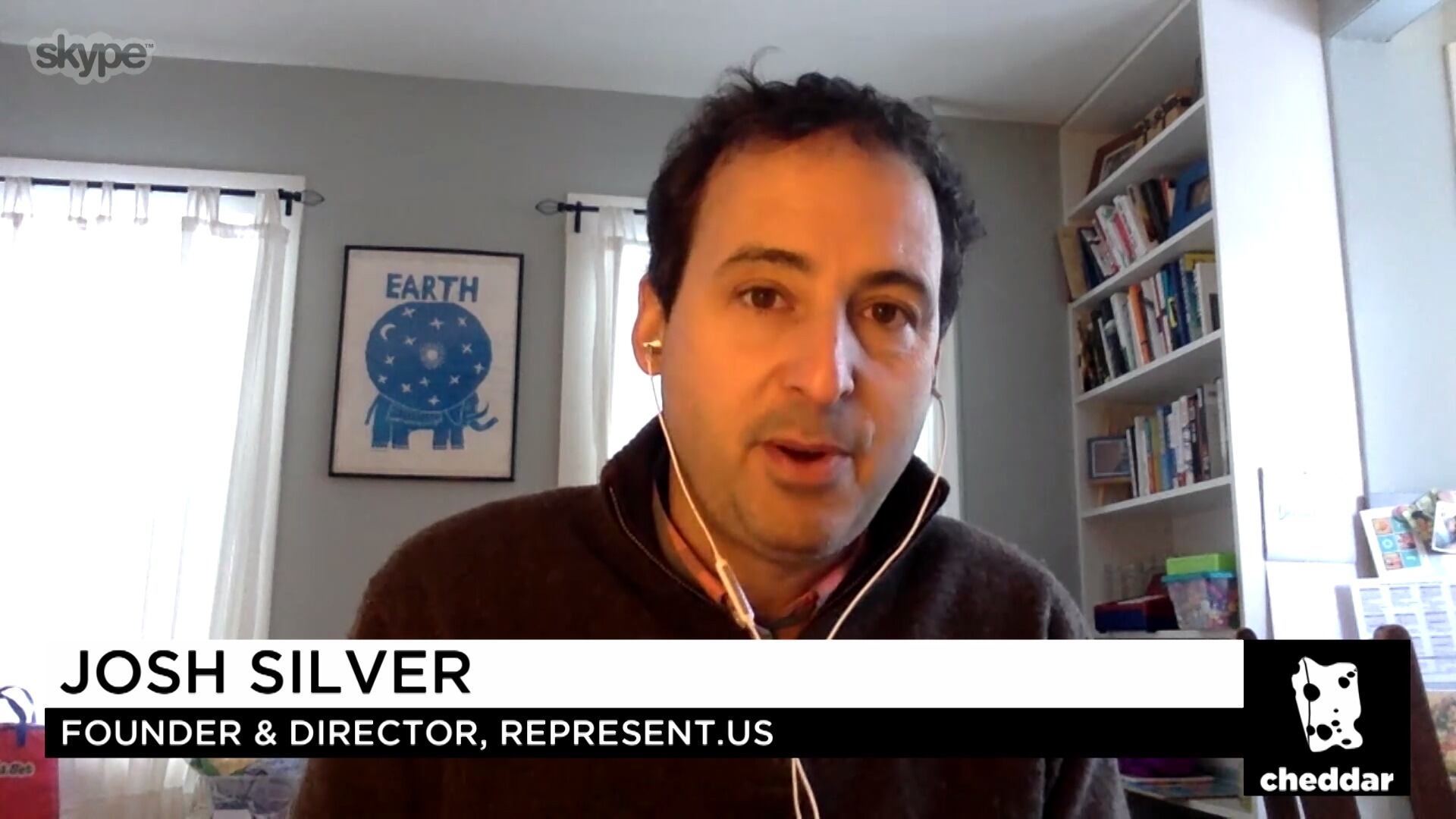
Money shouldn't have any influence on politics. Represent.Us, the nation's largest grassroots anti-corruption campaign, is looking to make sure corruption is eradicated from America's political system. Josh Silver, Founder & Director of Represent.Us, joined us to share why he feels corruption is a major problem hurting real Americans every day.
This Changes Things: Advice for the executives and leaders of tomorrow, powered by American Express OPEN. On Between Bells: The year ahead in politics, the best cars of 2018, and why you should eat your feelings. With Salon, Cultura Colectiva, The Drive, and Fast Company.
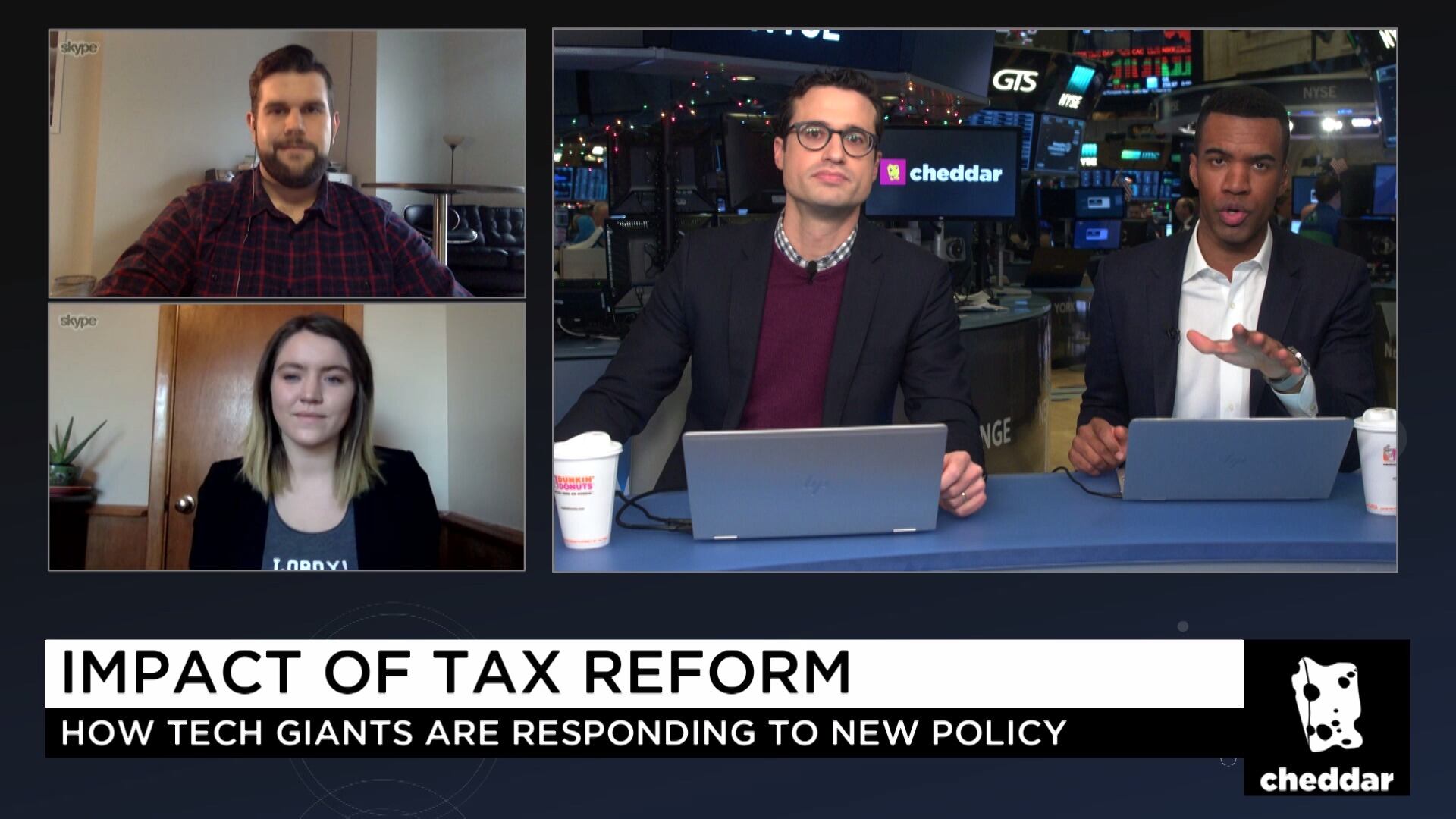
With President Trump's tax reform bill now signed into law, some major U.S. corporations may now be prompted to bring back their cash from abroad. Raw Story Staff Writer Elizabeth Preza and CRTV Congressional Correspondent Nate Madden explain how people and businesses are reacting to the new tax policy.
Josh Silver, Founder and Director at anti-corruption organization Represent.US, says that gerrymandering and lobbying are the biggest U.S. government woes.
Between Bells brings you the biggest tech, business, and political headlines for December 22, 2017.
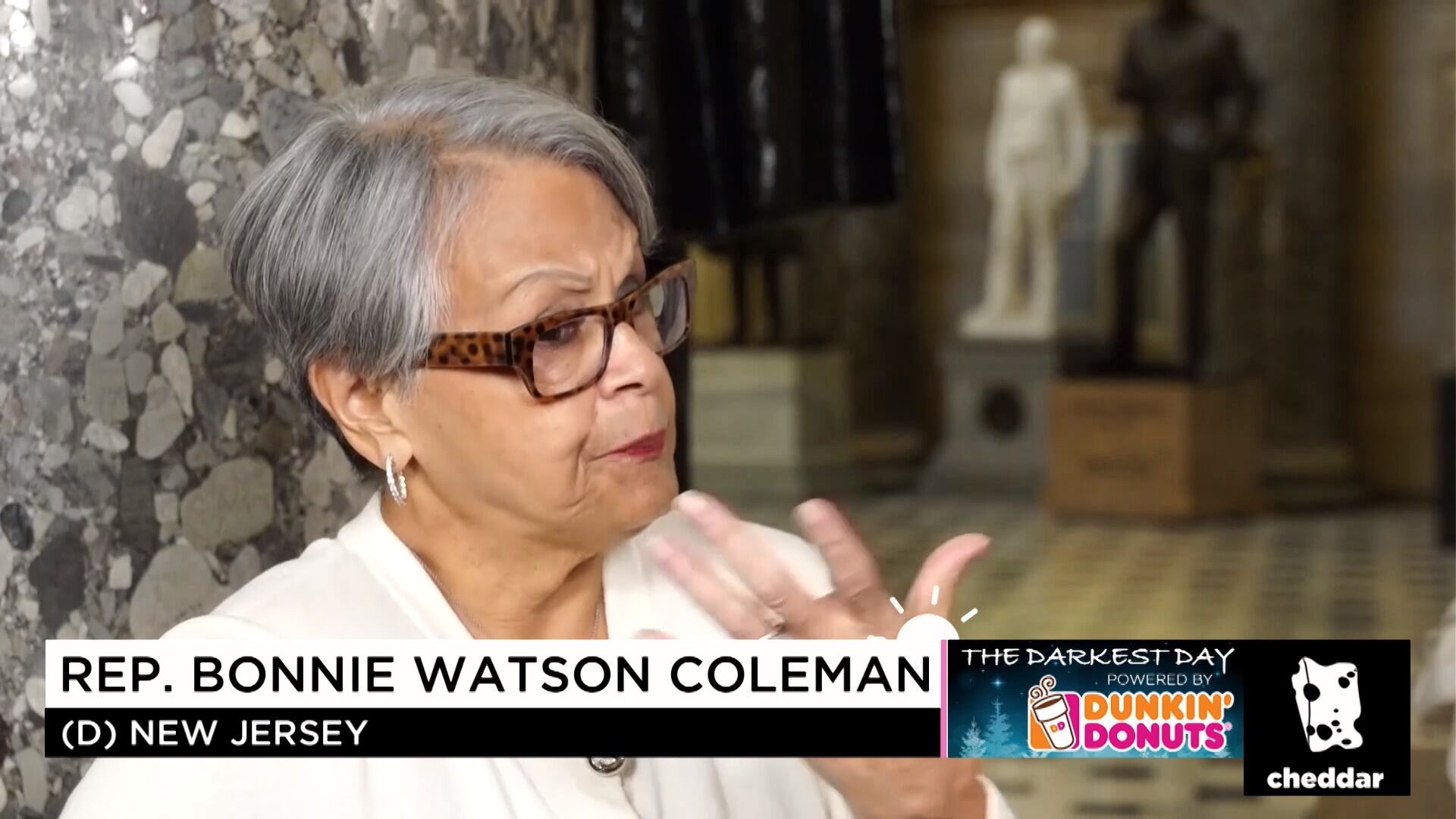
Congresswoman Bonnie Watson Coleman represents New Jersey's 12th district. She says a majority of people in the country, and her constituents, will see a tax increase under the new law. The Congresswoman points out that estate tax eliminations will benefit the richest Americans, including President Trump.
VF Hive + Between Bells: We’re joined by the crew at Vanity Fair’s Hive to discuss the latest in politics. Between Bells covers culture, tech, and business.
The Democratic Senator from Rhode Island told Cheddar that the bill was a byproduct of "donor maintenance."