Within the hallways of the U.S. Capitol, there is growing confidence by GOP Senators that Senate Majority Leader Mitch McConnell can whip his caucus to block a vote on witnesses Friday.
While returning to the chamber after a short break Thursday, Senator Tim Scott (R-S.C.) told Cheddar he's "feeling good" about tomorrow's expected vote.
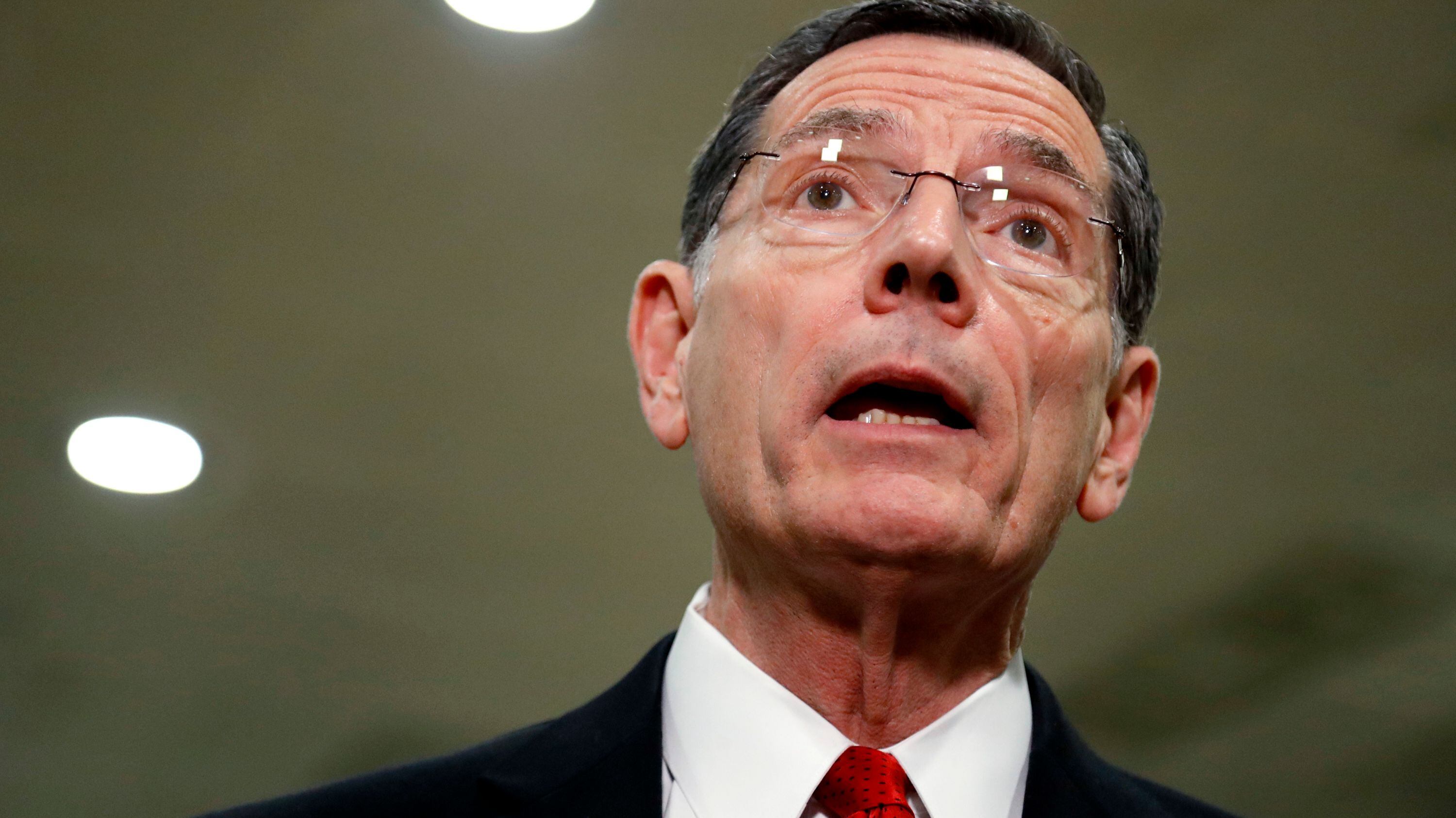
Senator John Barrasso (R-Wyo.) told reporters during the break that Republicans have the "momentum" to move to end the trial tomorrow without witnesses. "If we're able to say no [to witnesses] and go right to final judgment, we'd move in that direction and stay here until that work is decided and completed Friday evening. That's where all the momentum is now."
Still up for debate is what, exactly, happens, if the Republicans vote to end the debate on witnesses quickly.
Meanwhile, back in the chamber, lead impeachment manager Adam Schiff said witness depositions could be limited to just one week and said that the trial should not be rushed just because the State of the Union is Tuesday.
After the break, Senators asked two bipartisan questions, both of which were from senators who may still be undecided on the issue of whether to allow witnesses. First, Senators Joe Manchin (D-W.Va.), Susan Collins (R-Maine), Lisa Murkowski (R-Alaska), and Kyrsten Sinema (D-Ariz.) asked the defense team if the president would assure them that private citizens would not be directed to conduct foreign policy unless formally designated by the president and the State Department.
Murkowski and Senator Brian Schatz (D-Hawaii) submitted the second bipartisan question, asking if any action a president takes is inherently political and where the line is between permissible political actions and impeachable political actions.
In President Bill Clinton's impeachment trial, there was only one bipartisan question asked, which Sen. Collins had signed onto at the time.
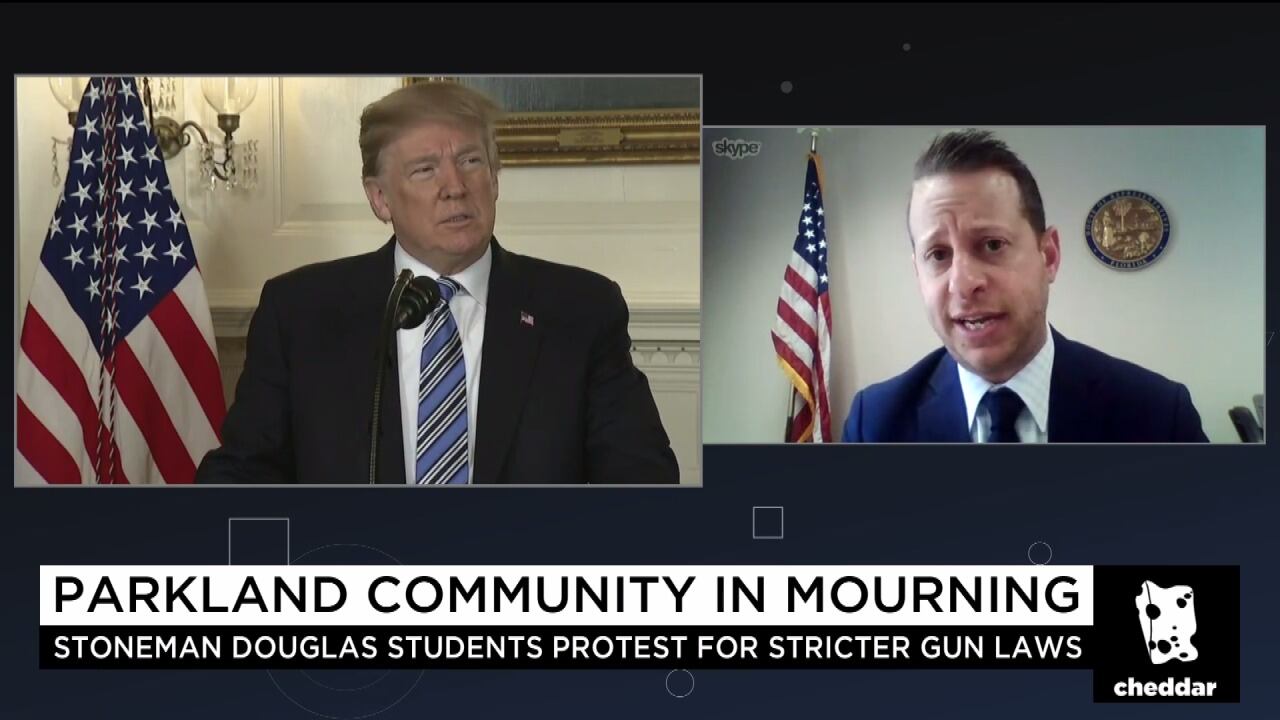
The state representative from Coral Gables, Fla., says now is the time for President Trump to prove he's a leader who can do things differently by banning bump stocks and improving background checks. And if he can't get Congress on board, he should sign an executive order.
The teenage survivors of Marjory Stoneman Douglas High School are genuinely motivated to change gun control laws, says State Representative Jared Moskowitz. The Democrat from Coral Gables, Fla., says that if adults aren't able to get anything done, then we have to listen to our children.
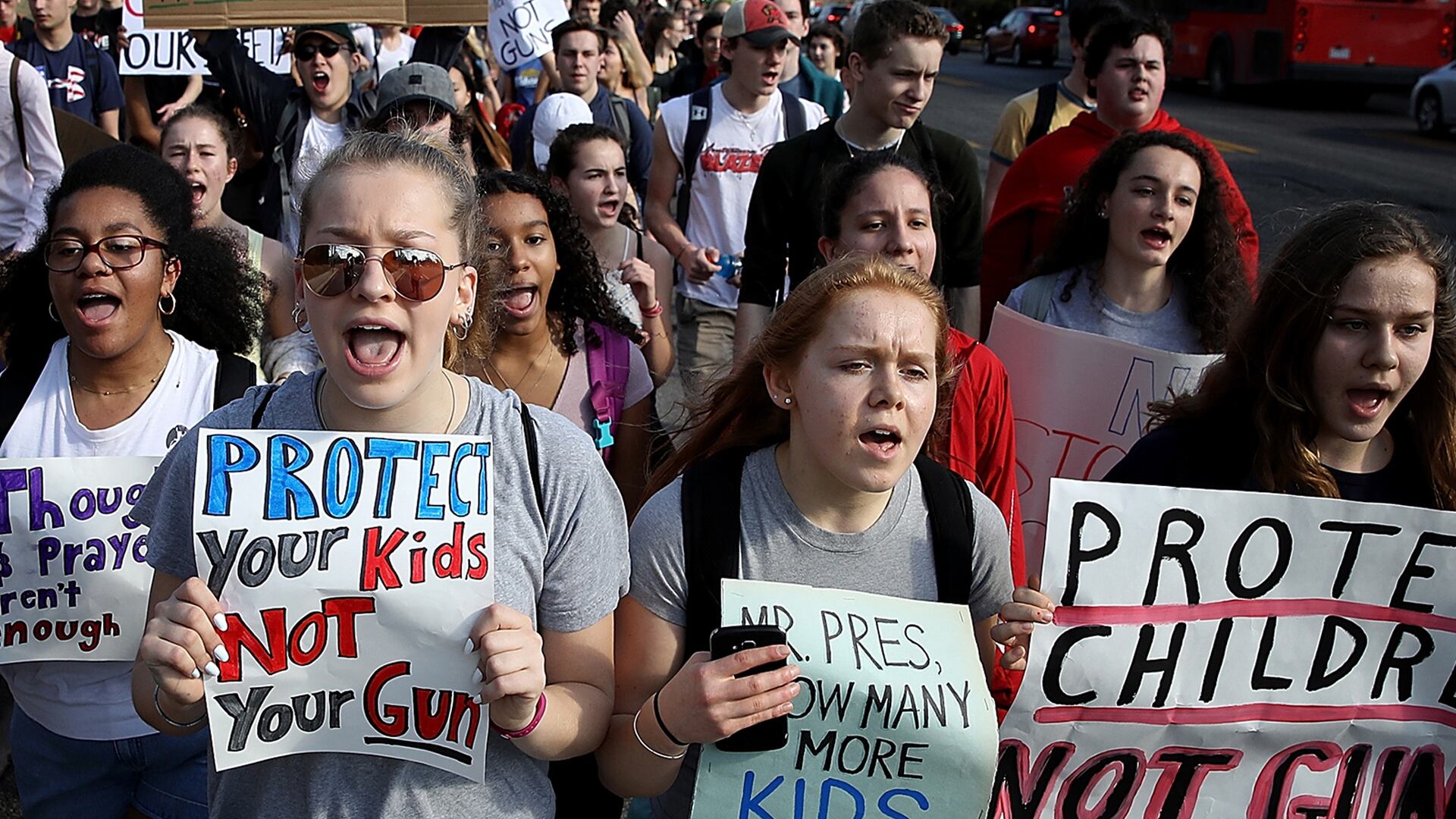
Students across Florida -- and the nation -- held walkouts in solidarity with Parkland, Fla., Wednesday. The protests come one day after Florida House Republicans blocked a move by Democrats to debate a ban on assault weapons in the state. State Representative Jared Moskowitz (D-Coral Springs) explains the response inside Florida's Capitol to the student protests for more gun control.
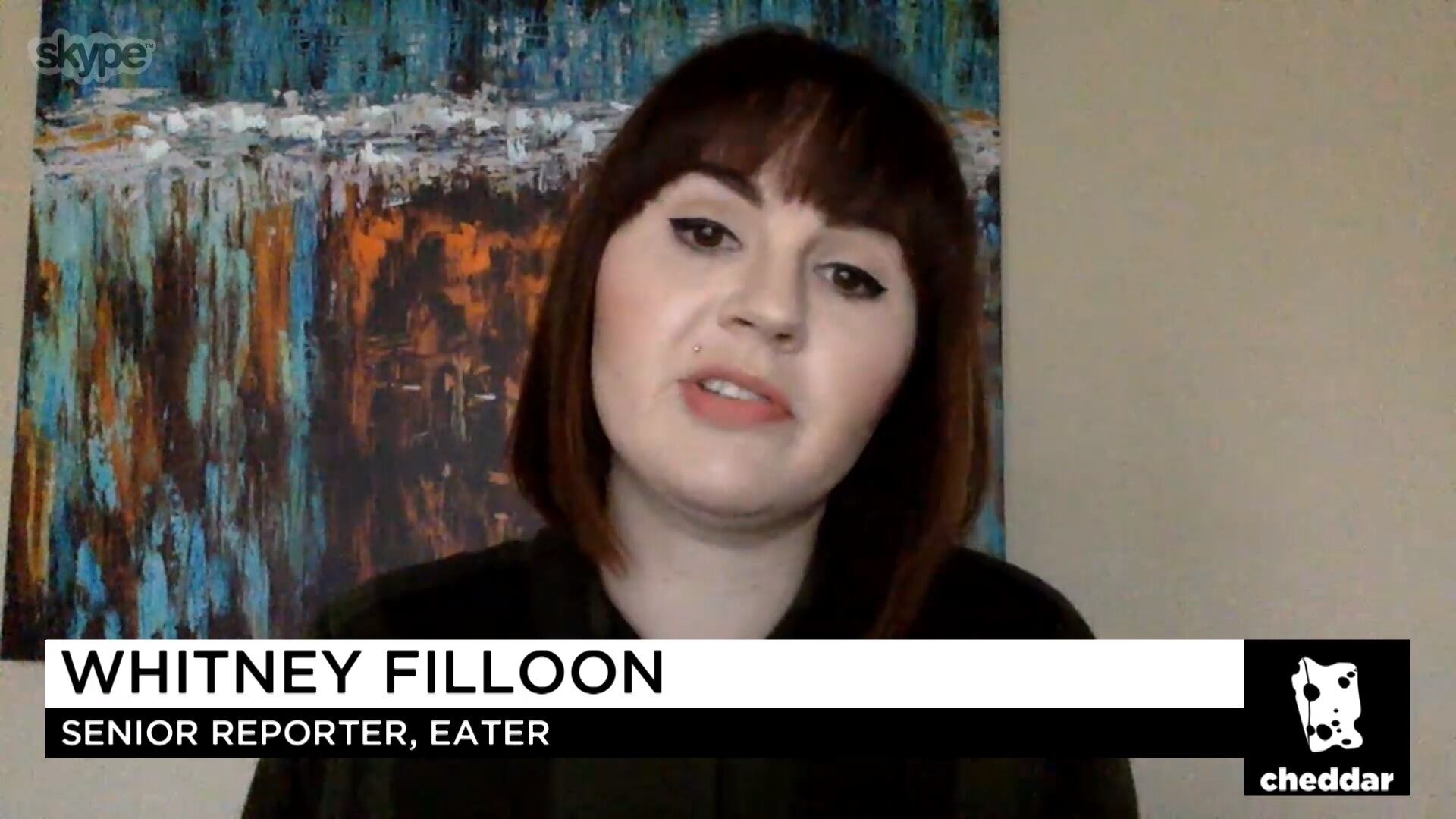
On Between Bells: Talking to kids about gun violence, Dallas Mavericks under fire, restaurant servers fight tip-pooling laws, and more. With Eater, Parents Magazine, and Popular Science.
The way restaurant workers get paid could be changing. The Department of Labor has proposed making tip-pooling legal again.
The Parkland shootings are forcing parents to grapple with how to talk to their children about gun violence. Parents Magazine's Liz Vaccariello joins Cheddar to discuss how to approach these challenging conversations.
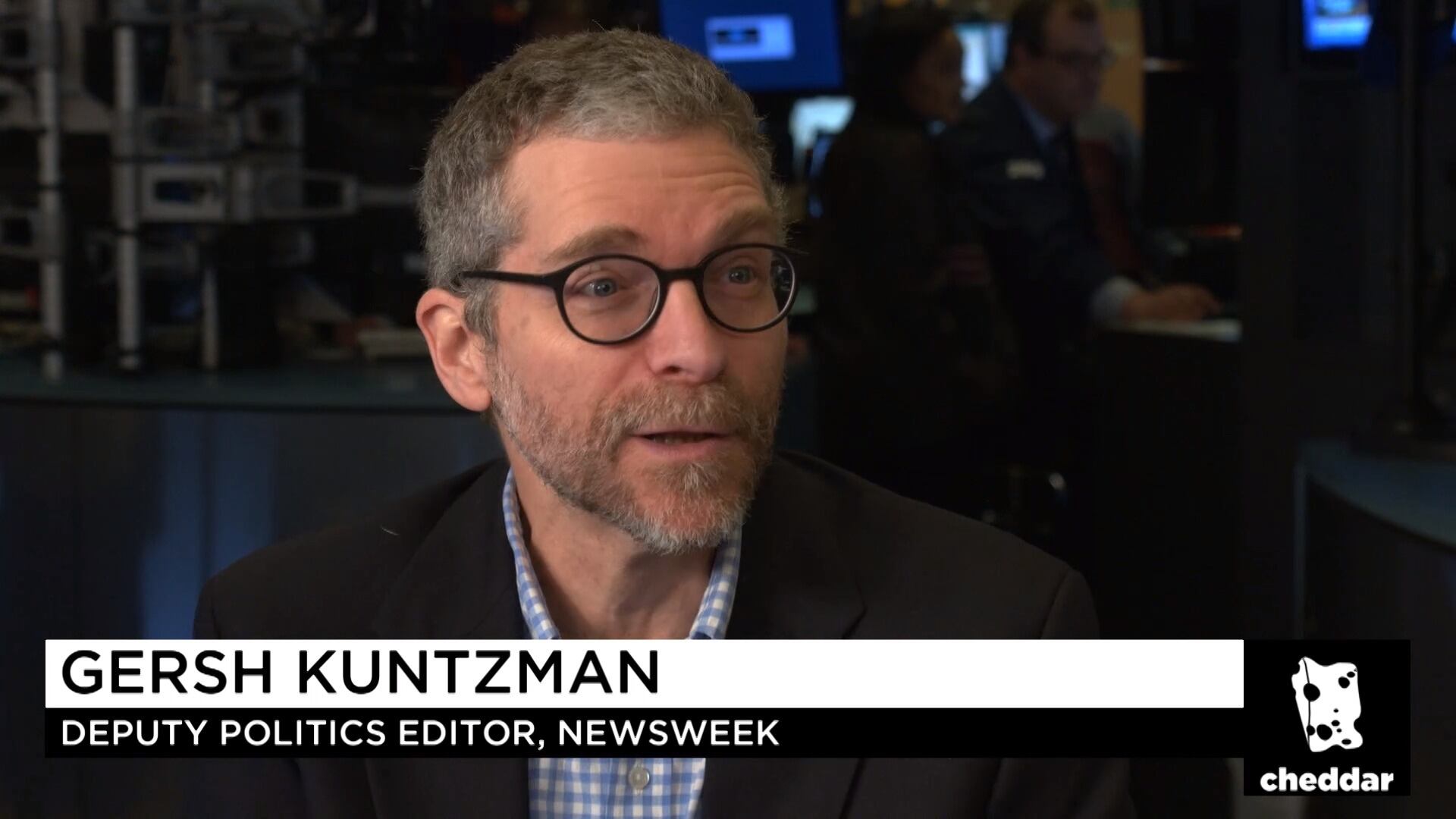
Gersh Kuntzman, deputy politics editor at Newsweek, discusses President Trump's request for the Justice Department to ban bump stocks, devices that turn legal guns into machine guns.
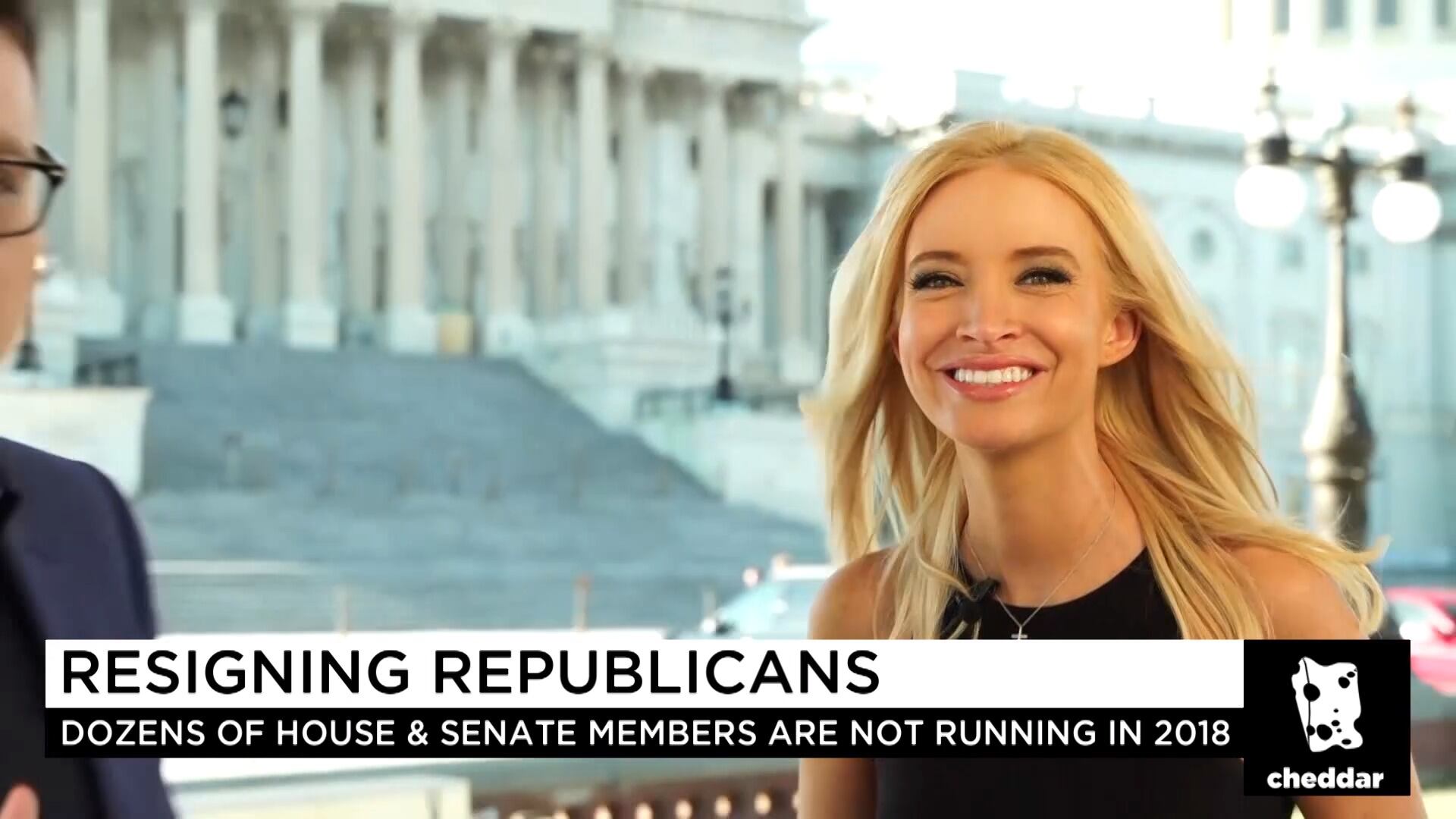
In the aftermath of the Parkland mass shooting that left 17 dead and many more wounded, lawmakers are seeking solutions to prevent further tragedies. Cheddar spoke with RNC spokeswoman Kayleigh McEnany about how Republicans plan to handle the controversial issue.
The actor and producer's new documentary "Survivors Guide To Prison" looks at the system through the eyes of wrongly-convicted prisoners. Arquette hopes the documentary will inspire change.
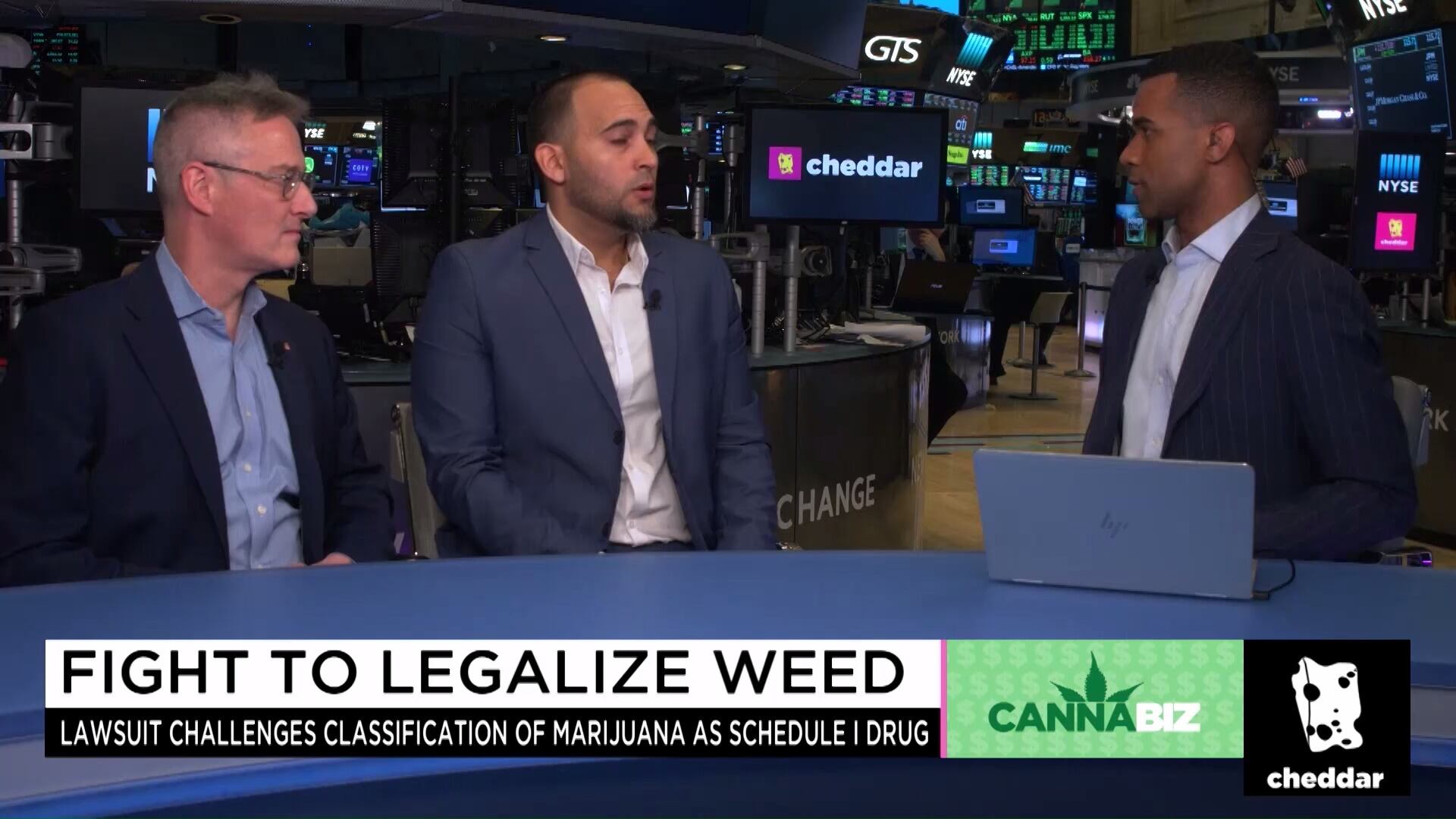
Marijuana advocates are awaiting a federal judge's decision on its challenge against federal marijuana laws. Five plaintiffs filed a lawsuit against the DEA and Attorney General Jeff Sessions. It challenges the listing of marijuana as a schedule I drug, which classifies the drug as having no medical use and it cannot be legally prescribed. Jose Belen, U.S. Army combat veteran and one of the plaintiffs on this case, and attorney Joseph Bondy explain why they were inspired to fight for this cause.