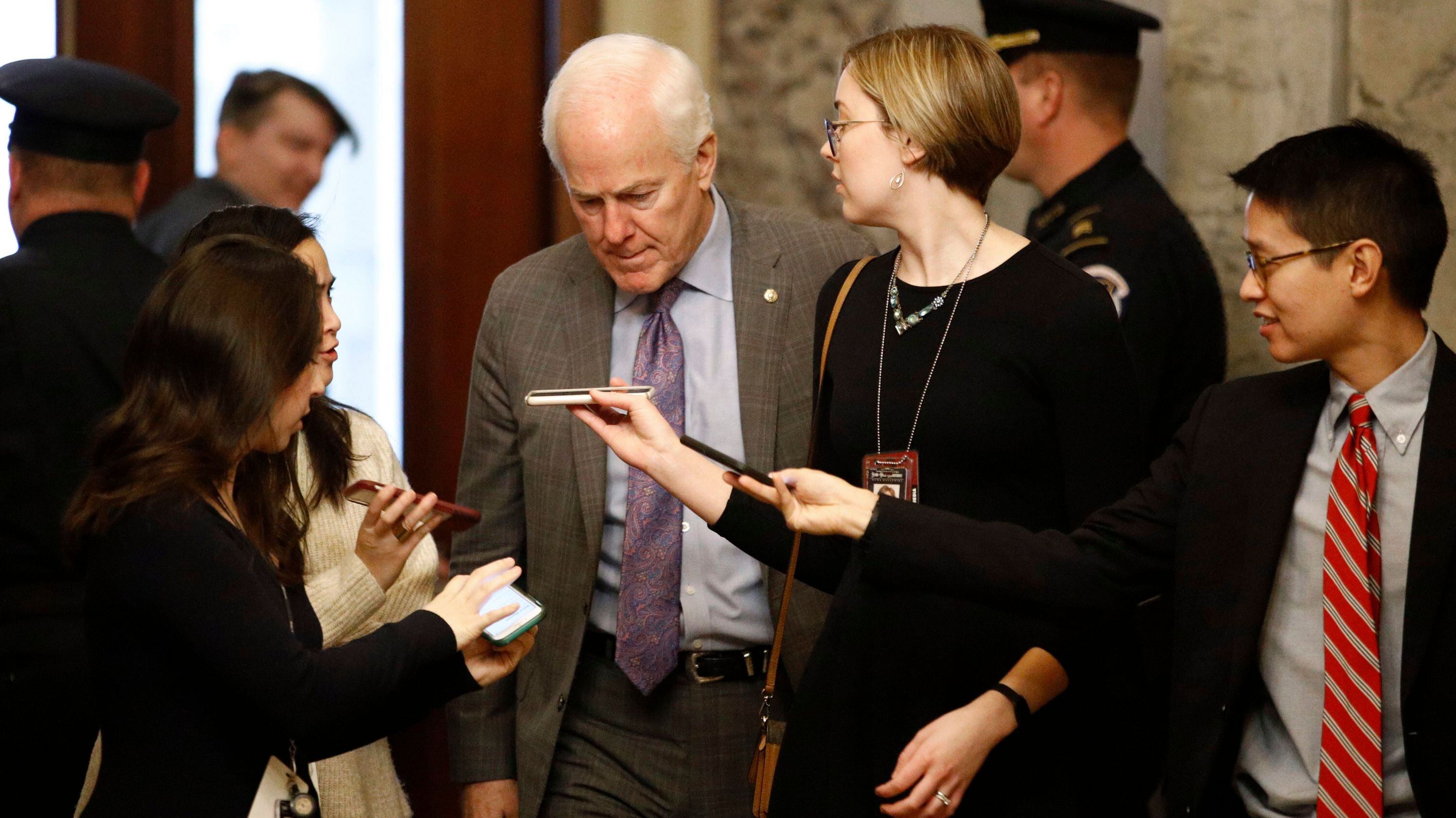
As day six of the impeachment trial headed into the evening hours, Republican Senator John Cornyn of Texas told Cheddar his experience as a judge and lawyer tells him "in every trial, there are sort of twists and turns, things we can't expect to be answered instantaneously, but will be answered by the time the trial will come to an end."
"I expect to give both sides an opportunity to put this in context. We don't even know what this book says," he said, referencing a book written by ex-national security advisor John Bolton. So far, President Trump's lawyers had yet to bring up Bolton's book in today's session, the manuscript of which was leaked over the weekend and left Republican senators reportedly "blindsided."
Sen. Cornyn added that though he believes The New York Times is biased against the Trump administration, he "frankly would like to see the book itself, but I'm sure the parties will have a chance to answer that." Bolton denied that he, his publisher, or his literary agent coordinated with the Times.
The president's defense team, which had 22 hours left in the trial schedule at the start of today's session, focused on what they described as the threat of the increased use of impeachment, questions of due process, and the ability of the president to withhold information from Congress through executive privilege. Across the way, the White House reportedly prepared for a split in the party that could lead to a request for testimony from Bolton.
Republicans did not bring Bolton up in the first five hours of the day. Defense lawyer Jane Raskin did spend time on the president's personal lawyer Rudy Giuliani and warned senators not to be "distracted" by how Democrats portrayed his involvement.
Executive privilege was brought up continuously throughout the afternoon as defense lawyers underscored the president's reasoning for barring aides from testifying in the name of "immunity."
At times, Senators appeared inattentive through the early portions of the day's sessions. Democratic Senators Bernie Sanders of Vermont and Cory Booker of New Jersey had their hands clasped under their chins for much of the time.
Some remained engaged throughout the session, such as Senator Amy Klobuchar of Minnesota, who, at one point, asked her neighbor Senator Chris Coons of Connecticut for what looked like a pocket copy of the U.S. Constitution, which she read from as the former independent counsel who investigated President Bill Clinton, Ken Starr, read from the preamble of the document. Most senators at the center of the debate for adding witnesses took down pages of notes, like Republican Senators Lisa Murkowski of Alaska and Susan Collins of Maine.
As the day wore on, the White House defense team focused on Hunter Biden, whose work in Ukraine was central to Trump's fateful July phone call with Ukraine President Volodymyr Zelensky.
But the reverberations from the John Bolton manuscript remained the day's main storyline with two Republican Senators, Mitt Romney and Susan Collins, saying that the disclosures could spur other Republicans to seek new evidence and hear witnesses, like Bolton.
If that happens, the fast acquittal that Donald Trump was hoping for will be much slower to arrive, and the president could face the prospect of delivering the State of the Union address with the threat of a trial still hanging over his head.
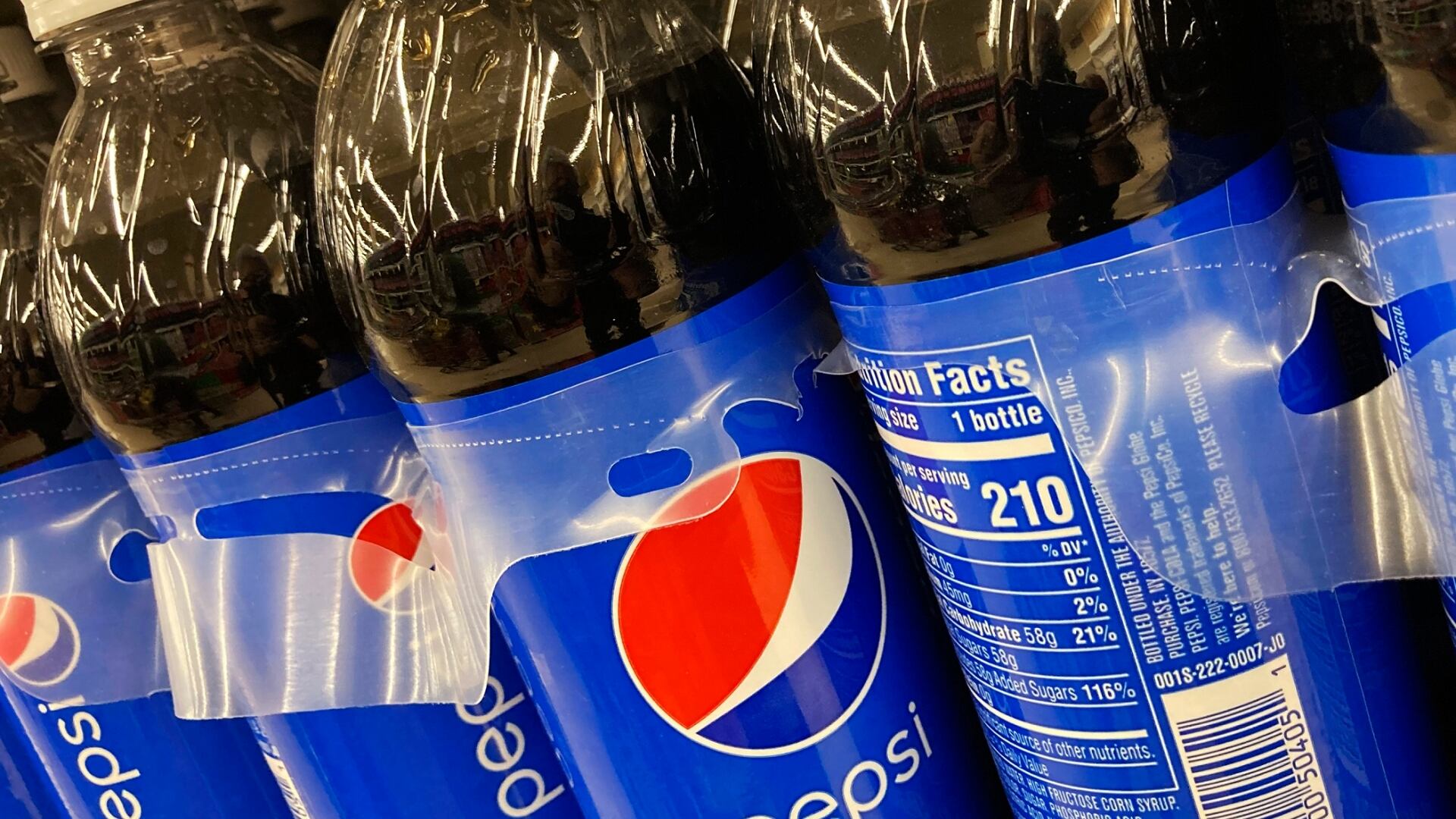
Following the invasion of Ukraine, a multitude of Western companies have paused doing business with Russia. PepsiCo, Coca-Cola, McDonald's, and Starbucks are the most recent companies to temporarily cease operations in Russia. Dean of Miami Herbert Business School at the University of Miami, John Quelch, joined Cheddar News to discuss what message this sends to Russia and the Russian consumer. “I would not underestimate the collective strength of all of these multinational companies, essentially coming together to make their collective statement in support of the political statements that have come out of Washington," he said.
The war in Ukraine continues to reveal heartbreaking gut-wrenching stories. The war in itself is not only devastating but also expensive. Experts estimate that Russia is draining nearly $20 million dollars each day to continue occupying and invading Ukraine. All this could force the country to turn to cryptocurrencies. It's a major turn for the country that briefly considered outlined digital assets entirely, but it could also have serious implications for cryptos. Managing Director at Quantum Fintech Group, Harry Yeh, joined Cheddar to discuss more.
President Biden announced a ban on Russian oil and natural gas imports to the U.S. in response to its invasion of Ukraine, a move he warned could lead to an even greater surge in gas prices. The ban is prompting a conversation about the current oil production levels in the U.S. and whether or not the industry can ramp up production to soften the blow to American families at the gas pump. Clark Williams-Derry, Energy Finance Analyst with the Institute for Energy Economics and Financial Analysis, breaks down the state of the U.S. oil industry and how the ban might impact production levels here at home.
PepsiCo, Coca-Cola, McDonald’s, and Starbucks are the latest American food brands to have halted business operations in Russia after having faced scrutiny and criticism for originally failing to do so amid the country's invasion of Ukraine.
As Russia intensifies its war on Ukraine, President Biden announced a ban on oil imported from the aggressor nation. Critics of Russia have said this would be the best way to force Putin to pull back, but curbs on Russian oil exports are expected to send already skyrocketing oil and gas prices even higher, further impacting consumers, businesses, financial markets, and the global economy. Leslie Beyer, CEO of the Energy Workforce and Technology Council, joined Cheddar News' Closing Bell to discuss. "It's certainly going to increase pricing, but it is the right thing to do," she said. "The industry itself has already pulled out of the significant portion of its operations in Russia."
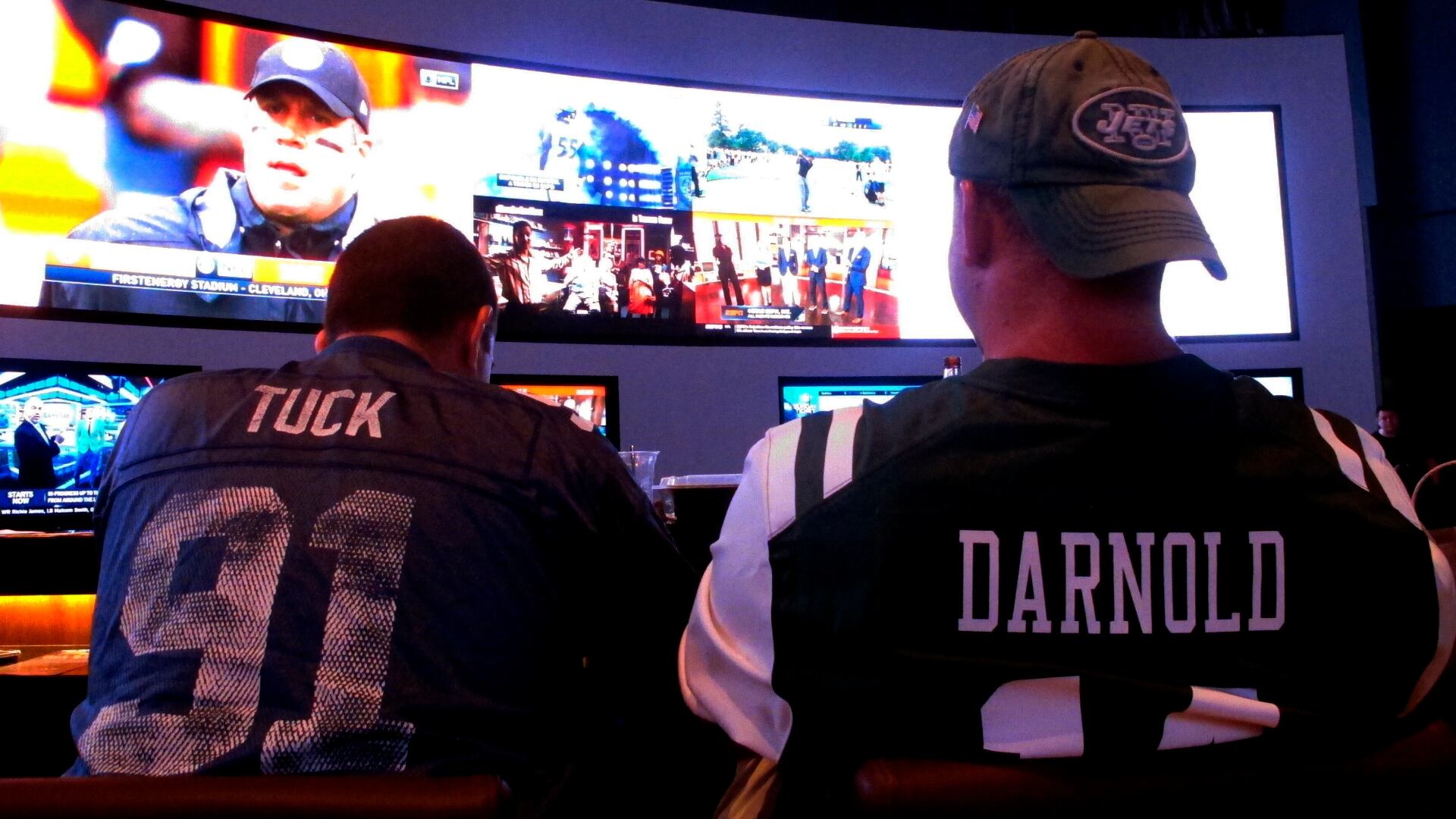
Sports Betting in the U.S. is booming. According to industry experts, we could see another boom this year as more states move towards statewide legalization of sports wagering. While this comes as huge news for fans, there are some very real concerns as to whether or not sports betting potentially poses a threat to public health. Senior Clinician at the Caron Treatment Centers, Eric Webber, joined Cheddar to discuss more.
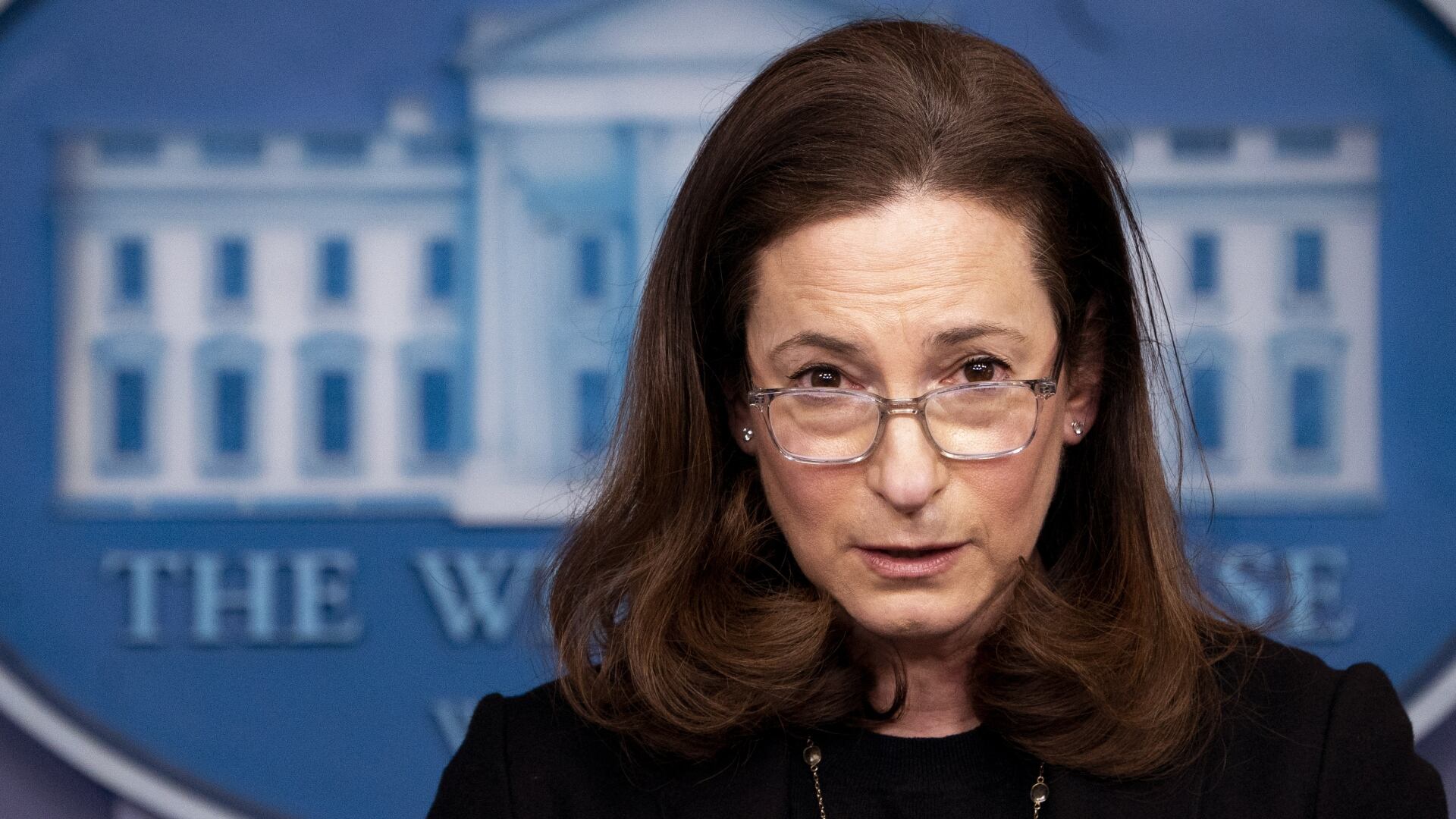
The Biden administration has made gender policy a core part of how it governs. The president established the first Gender Policy Council. It's on the same level as the National Security Council, Domestic Policy Council and National Economic Council, putting the interests of women and other underserved groups at the table for the most important policy discussions.
Cheddar News sat down with Jennifer Klein, executive director and co-chair of the White House Gender Policy Council, to discuss the council's work and its significance during Women's History Month.
State Representative Jessica González, Vice Chair of the Texas House LGBTQ Caucus, joins Cheddar News to discuss the latest Texas anti-transgender directive.
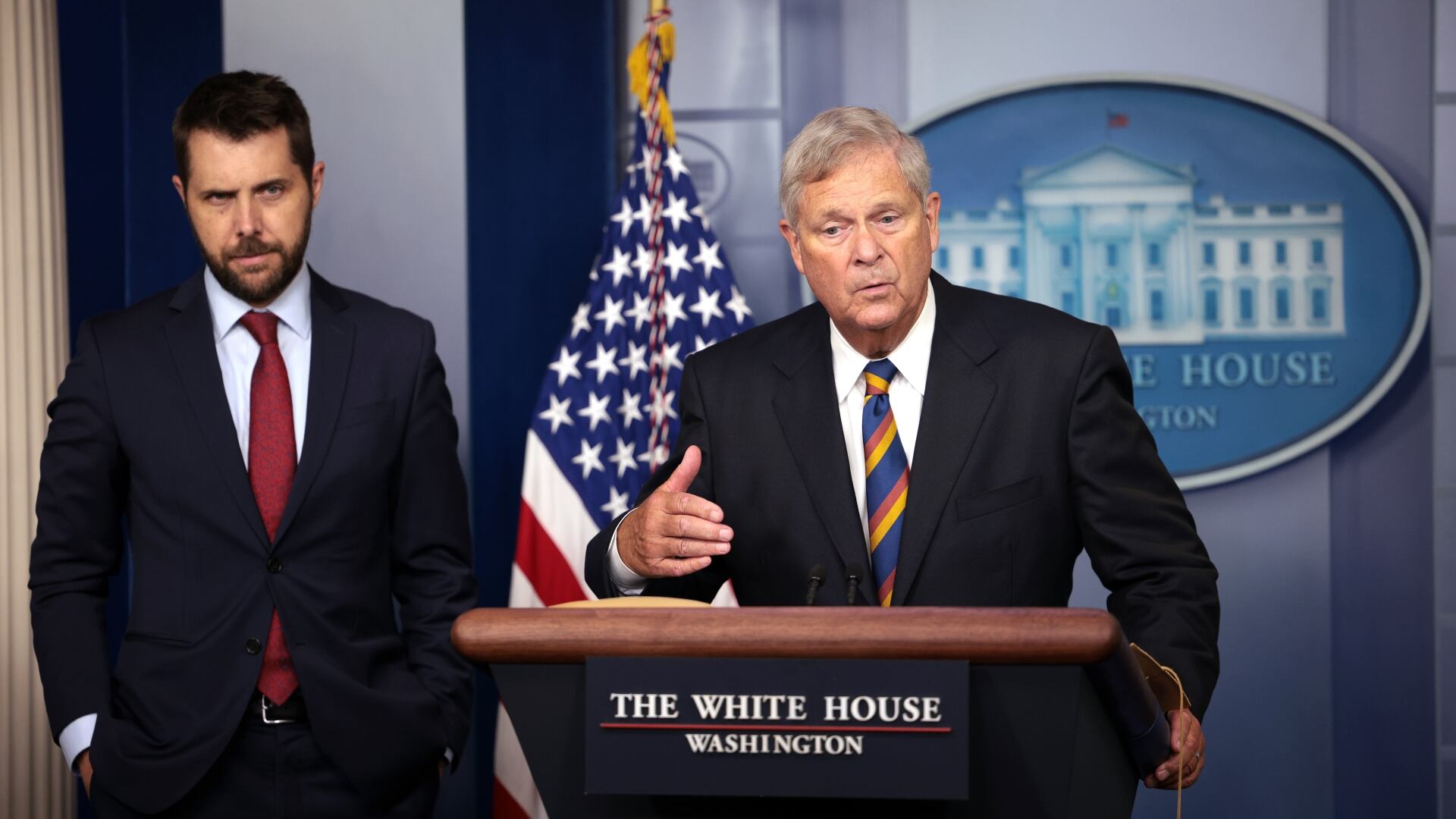
The United States Secretary of Agriculture, Tom Vilsack joins None of the Above to discuss the newly emerging conflict in Europe, what it means for agriculture in the states, dairy and meat consumption, and how the department is planning to promote climate-smart agriculture.