Although Mark Sanford has been a vocal critic of President Trump's excessive spending and demeanor, the former Republican Congressman from South Carolina so far hasn't pressed his former Capitol Hill colleagues to call for articles of impeachment. Rather, in an interview with Cheddar over the weekend, Sanford brought up the idea of "censure" instead.
"If you can't kill the king, don't shoot at him," Sanford said. "I have a problem with some of the components of Trump-ism, and if you want to — in essence — end it, it has to be ended at the electoral voting booth."
On September 8, Sanford announced he, too, would run for President, saying the Republican party has lost its way. Sanford served in Congress from 1995 to 2001 and again in 2013 to 2019, with a stint as governor in between (during which he disappeared for several days with his mistress).
Sanford has stated the reason he lost his seat in last year's midterm election is because he publicly disagreed with Trump.
Although Sanford does not have a vote on any articles of impeachment, his situation as a GOP rival to President Trump during an impeachment inquiry is unique. He told Cheddar the public focus on the inquiry could put a snag in his presidential bid. "The giant sucking sound that we'll hear this fall is impeachment."
"I think you are going to see a real circling of the wagons at times," Sanford added. "That'll make it more difficult, not just for me to my message out, but frankly for a lot of others."
But despite the trouble he predicts for his campaign, Sanford thinks lawmakers need to act on the reports they have received regarding the potentially problematic use of White House power to try to get Ukraine to investigate political rival, Joe Biden, and his son Hunter.
"What you don't want is for the House to move forward with articles, the Senate to do nothing, and then what the President says: 'See, I'm absolved of all guilt, what was going on in Ukraine was totally proven false,'" Sanford said.
Sanford says he is in line with former colleague House Majority Whip Jim Clyburn.
"Let's tap the breaks here," Sanford says of Clyburn. "Let's go through the process, see what we find, and then we're going to figure [out what to do] as to whether we should or shouldn't go forward with impeachment."
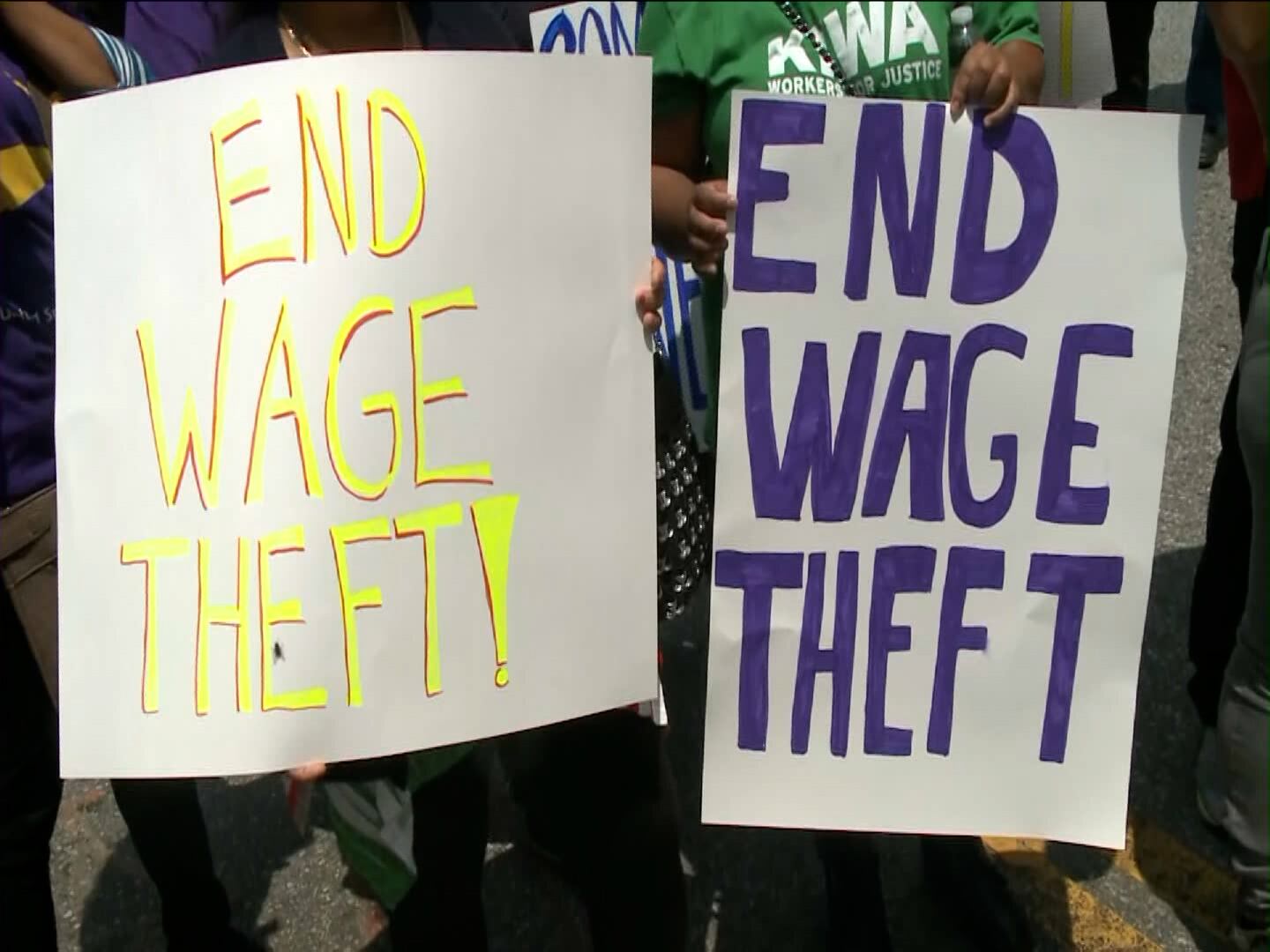
The average city in California has a 38% higher cost of living than the average American city, according to a cost of living index. For many, the general minimum wage of $15/hour just doesn't cut it. Anti-poverty activist Joe Sanberg wants to get the minimum wage changed to $18/hour. He joins Cheddar News to discuss the Living Wage Act of 2022.
Liana Guzmán, CEO of FOLX Health, joins Cheddar News to discuss the company launching billboards across the country in response to anti-LGBTQ+ legislation.
President Biden has announced an additional $800 million in military assistance to Ukraine, including artillery, armored personnel carriers, and helicopters. It comes as Russian forces appear to be preparing for a new, aggressive offensive in the eastern part of Ukraine. Paul McLeary, defense reporter for Politico, joined Cheddar to discuss this new round of aid and what it means for the U.S. commitment to arming the embattled country.
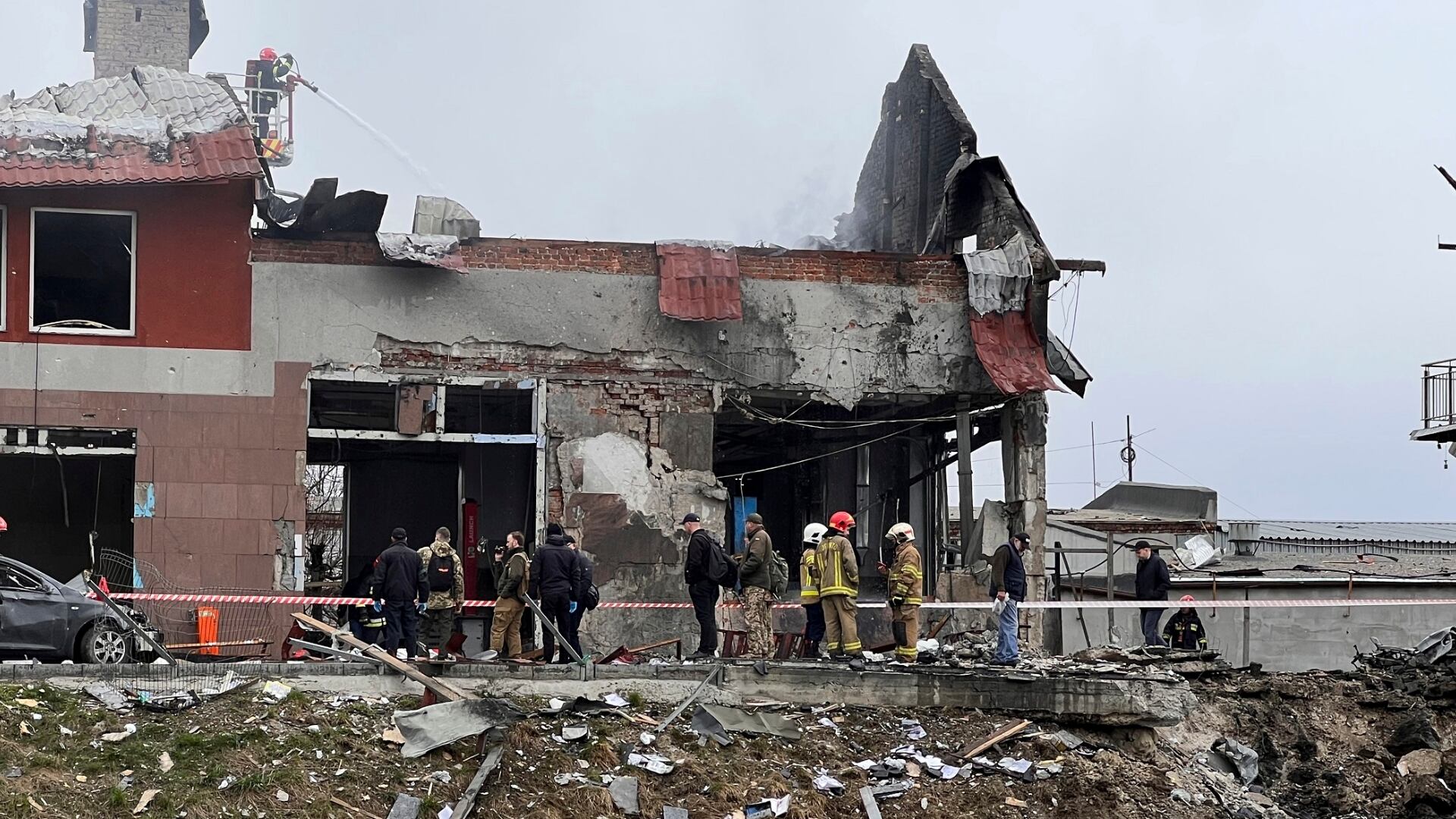
Catching you up on what you need to know on April 18, 2022, with Russian missile attacks on the Ukrainian city of Lviv killing seven, mass shootings in South Carolina and Pittsburgh, Lucky Charms cereal under official investigation by the FDA, and more.
Activism is growing around the country in response to school boards banning books from shelves that focus on sexuality, gender, identity, or race. Jen Cousins, co-founder of The Florida Freedom to Read Project, joins Cheddar News to discuss.
As the Russian invasion of Ukraine intensifies, President Biden has announced a ban on importing Russian oil, gas, and energy. To discuss how this ban will impact the war and Americans, Amir Handjani, non-resident fellow at Quincy Institute, joins Cheddar News.
Thousands of protesters around the world are expressing their solidarity with Ukraine against Russia's invasion.
Jason Beardsley, national executive director of the Association of the U.S. Navy and national security expert, joins Cheddar News to discuss.
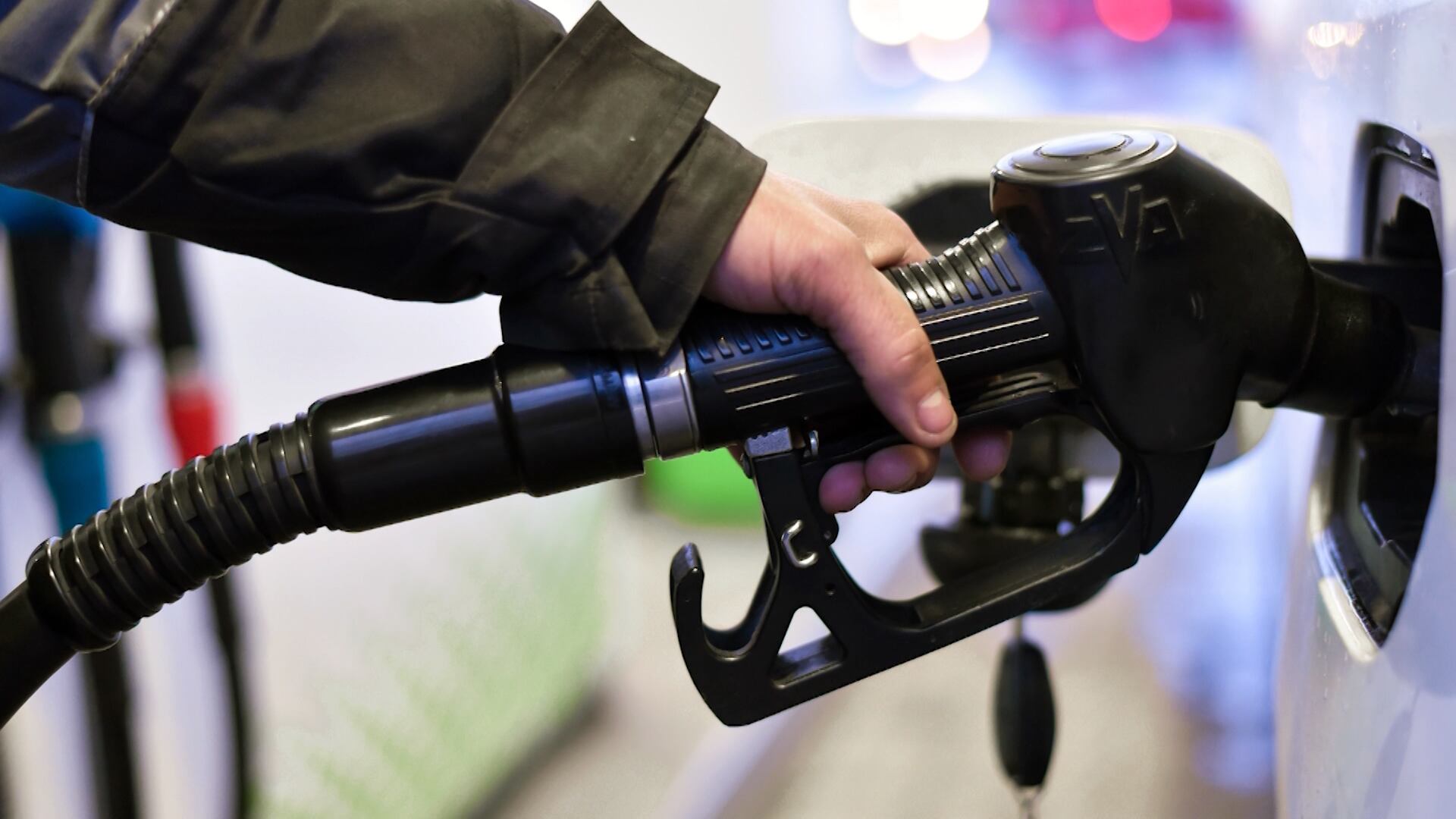
As gas prices surge amid the Russian invasion of Ukraine, other nations could potentially transition faster to using clean energy than previously expected. Philip K. Verleger, a senior fellow at the Niskanen Center, joined Cheddar News to explain how this could be a possibility in the near future. "Part of the reason I think we have this invasion and the tantrum that's being thrown by Russia, terrible tantrum, is because the Russians were trying to slow down the transition," he said. "Ironically they speeded it up."