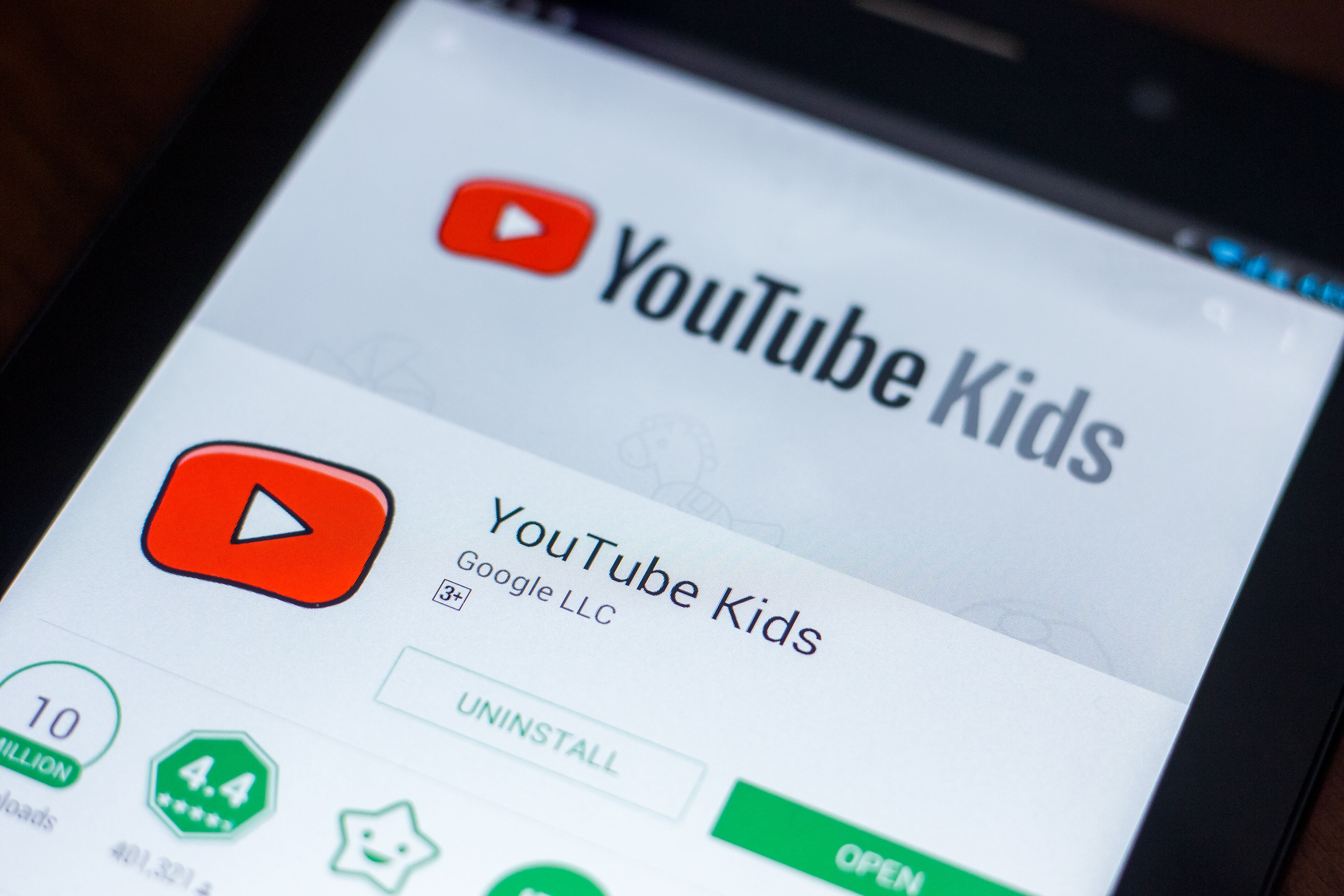
Google has agreed to pay a $170 million fine ー the largest of its kind ー as part of a settlement over allegations that YouTube violated the law by collecting personal data about children in order to serve them ads.
The terms of the settlement between YouTube-parent Google ($GOOGL) and the FTC and New York state attorney general were announced on Wednesday. Google and YouTube will pay $136 million to the federal government and another $34 million to New York. The FTC says it is the largest penalty ever in a case related to the law known as COPPA, or the Children's Online Privacy Protection Act, which passed in 1998.
The settlement, which had been expected, "sends a strong message to children's content providers and to platforms about their obligation to comply with the COPPA Rule," said FTC Chair Joseph Simons in an accompanying release. Regulators had alleged that YouTube did not tell the viewers of "child-directed" content that they were being tracked. Under COPPA, sites that are aimed at children must ask for and receive parental consent for any data they collect on children under 13.
While the largest fine under COPPA by an order of magnitude, it is still a fraction of the revenue Google brings in from advertising on YouTube. Alphabet, Google's parent, famously refuses to break out YouTube's financial results in its earnings. Analysts estimate that YouTube brings in as much as $25 billion annually. Google generated $137 billion in revenue last year.
Two FTC members voted against the settlement over concerns that it does no go far enough. One member compared it to the recent $5 billion fine levied against Facebook for its privacy missteps. Commissioner Rohit Chopra wrote that the agreement offered "no individual accountability, insufficient remedies to address the company's financial incentives, and a fine that still allows the company to profit from its lawbreaking. The terms of the settlement were not even significant enough to make Google issue a warning to its investors."
Shares of Alphabet were trading fractionally higher following the announcement.
President Donald Trump's administration last month awarded a $1.2 billion contract to build and operate what's expected to become the nation’s largest immigration detention complex to a tiny Virginia firm with no experience running correction facilities.
Chipmaker Nvidia is poised to release a quarterly report that could provide a better sense of whether the stock market has been riding an overhyped artificial intelligence bubble or is being propelled by a technological boom that’s still gathering momentum.
Cracker Barrel said late Tuesday it’s returning to its old logo after critics — including President Donald Trump — protested the company’s plan to modernize.
Low-value imports are losing their duty-free status in the U.S. this week as part of President Donald Trump's agenda for making the nation less dependent on foreign goods. A widely used customs exemption for international shipments worth $800 or less is set to end starting on Friday. Trump already ended the “de minimis” rule for inexpensive items sent from China and Hong Kong, but having to pay import taxes on small parcels from everywhere else likely will be a big change for some small businesses and online shoppers. Purchases that previously entered the U.S. without needing to clear customs will be subject to the origin country’s tariff rate, which can range from 10% to 50%.
Southwest Airlines will soon require plus-size travelers to pay for an extra seat in advance if they can't fit within the armrests of one seat. This change is part of several updates the airline is making. The new rule starts on Jan. 27, the same day Southwest begins assigning seats. Currently, plus-size passengers can pay for an extra seat in advance and later get a refund, or request a free extra seat at the airport. Under the new policy, refunds are still possible but not guaranteed. Southwest said in a statement it is updating policies to prepare for assigned seating next year.
Cracker Barrel is sticking with its new logo. For now. But the chain is also apologizing to fans who were angered when the change was announced last week.
Elon Musk on Monday targeted Apple and OpenAI in an antitrust lawsuit alleging that the iPhone maker and the ChatGPT maker are teaming up to thwart competition in artificial intelligence.