Google Street View Gives a Glimpse into Power of A.I.
The power of A.I. can reach deeper than just recommending which show to binge on Netflix. It can also be used to analyze millions of images to predict things like income, political leanings, and buying habits. Steve Lohr, Technology and Economics Reporter at The New York Times, joined us to discuss artificial intelligence's full potential when it comes to predictive analytics.
Lohr's recent piece in The New York Times highlights a Stanford study that used 50 million images from Google Street View to give a glimpse of A.I.'s ability to gather data. He explains that researchers identified 22 million cars to draw conclusions about information such as which political candidate a particular zip code favored. The project took just 2 weeks to classify all the cars. In his piece, Lohr points out that without the help of AI, it would take human experts over 15 years to accomplish that task.
This type of data collection raises concerns over privacy and issues of data access. He says most of predictive analysis has been used for commercial purposes and selling products. The use of data becomes scary when it becomes integrated into decisions such as hiring, he says, because the mistakes become more costly.
Joby CPO Eric Allison discusses the UAE’s historic EVTOL take off, marking Dubai as the launchpad for global air taxi adoption and Joby’s commercial readiness.
SIRI co-creator Babak Hodjat, now CTO of AI at Cognizant, shares insights on AI’s evolution and how Cognizant is building powerful agents for Fortune 500 firms.
Andrew Nusca, Editorial Director at Fortune, dives into WhatsApp’s first-ever ads rollout —and how Meta’s ad push intensifies its showdown with OpenAI.
Al Root, Associate Editor at Barron's, joins to discuss Tesla’s robotaxis going live in Texas—what it means for autonomy, safety, and the EV race ahead.
IBM Fellow Jerry Chow talks IBM’s expansion of the Quantum Data Center in Poughkeepsie, installing Heron processors that deliver utility‑scale performance.
Mark Spoonauer, Global Editor-In-Chief at Tom's Guide, discusses the craze behind the latest Nintendo Switch 2 and why it already flying off shelves. Watch!
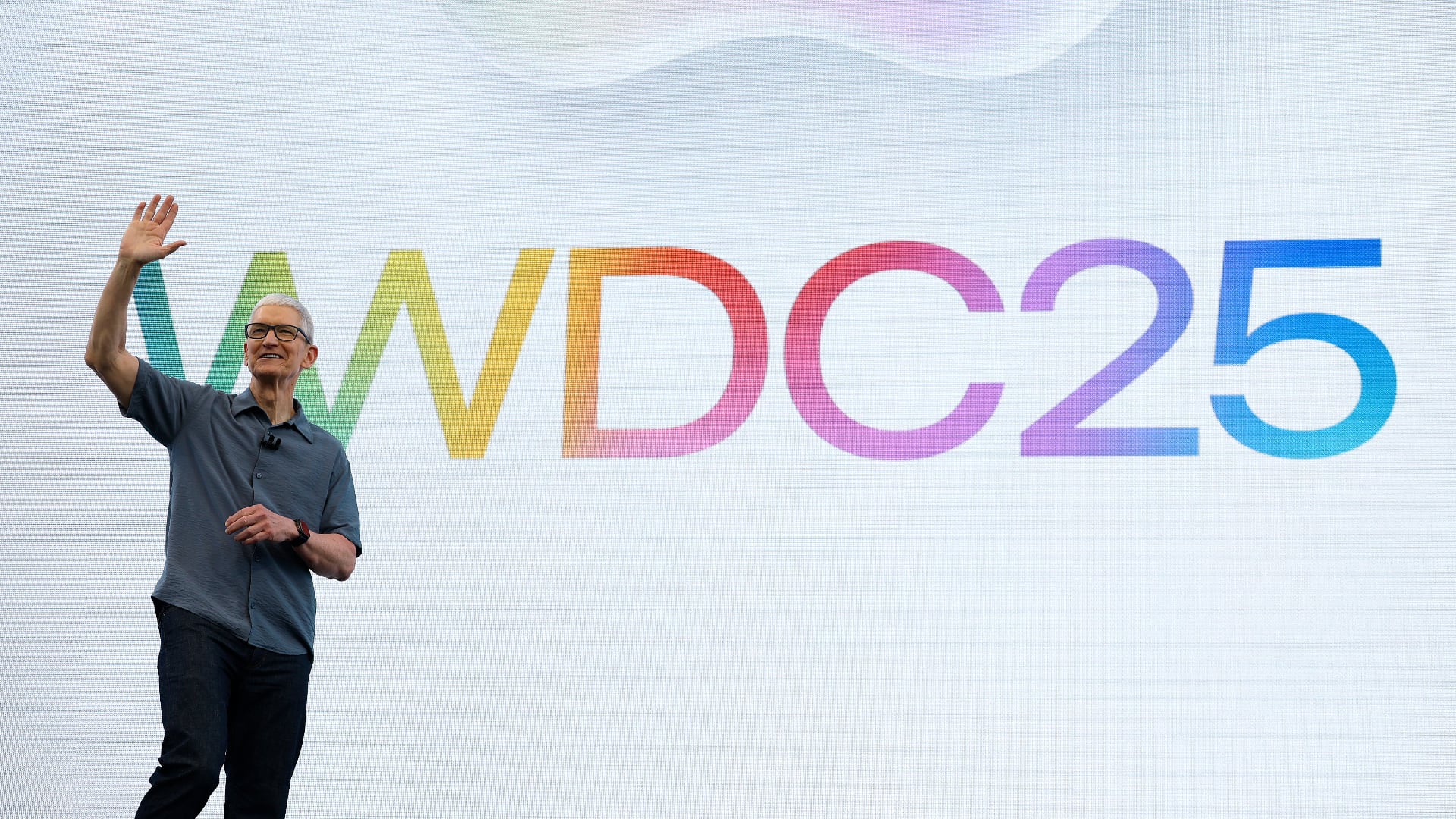
Amanda Silberling, Senior Culture Writer at Tech Crunch, discusses the exciting (and not so exciting) announcements out of Apple's WWDC 25 event. Watch!