The power of A.I. can reach deeper than just recommending which show to binge on Netflix. It can also be used to analyze millions of images to predict things like income, political leanings, and buying habits. Steve Lohr, Technology and Economics Reporter at The New York Times, joined us to discuss artificial intelligence's full potential when it comes to predictive analytics.
Lohr's recent piece in The New York Times highlights a Stanford study that used 50 million images from Google Street View to give a glimpse of A.I.'s ability to gather data. He explains that researchers identified 22 million cars to draw conclusions about information such as which political candidate a particular zip code favored. The project took just 2 weeks to classify all the cars. In his piece, Lohr points out that without the help of AI, it would take human experts over 15 years to accomplish that task.
This type of data collection raises concerns over privacy and issues of data access. He says most of predictive analysis has been used for commercial purposes and selling products. The use of data becomes scary when it becomes integrated into decisions such as hiring, he says, because the mistakes become more costly.
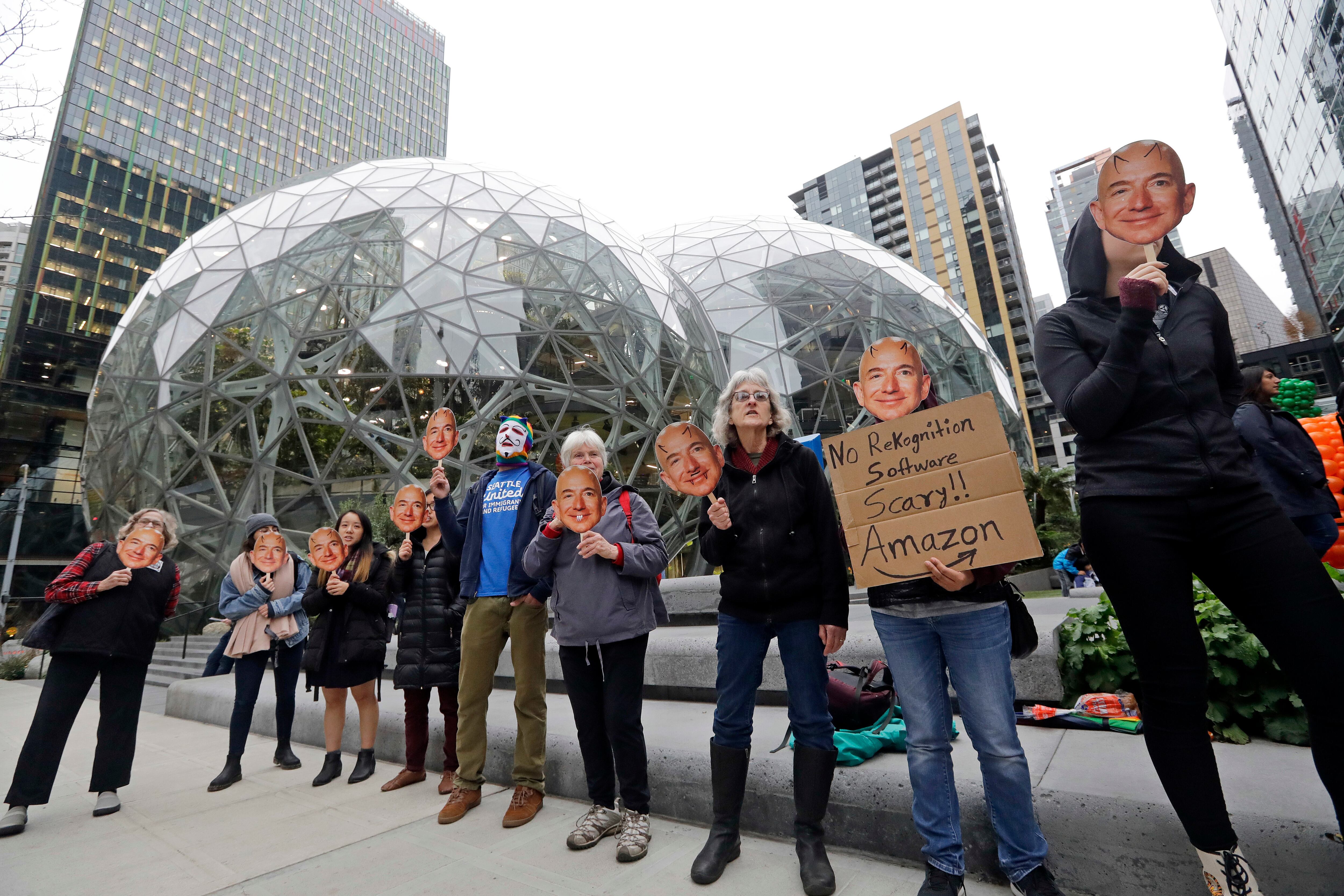
At Amazon's annual shareholder meeting this spring, a group of investors will be asking the tech giant to halt all governments sales of its proprietary facial recognition technology, known as Rekognition. The software, which scans faces and can read human emotions, tells the government "who we are, what we are, what we're doing, and who we're doing it with," said Michael Connor, the executive director of corporate accountability non-profit Open Mic.
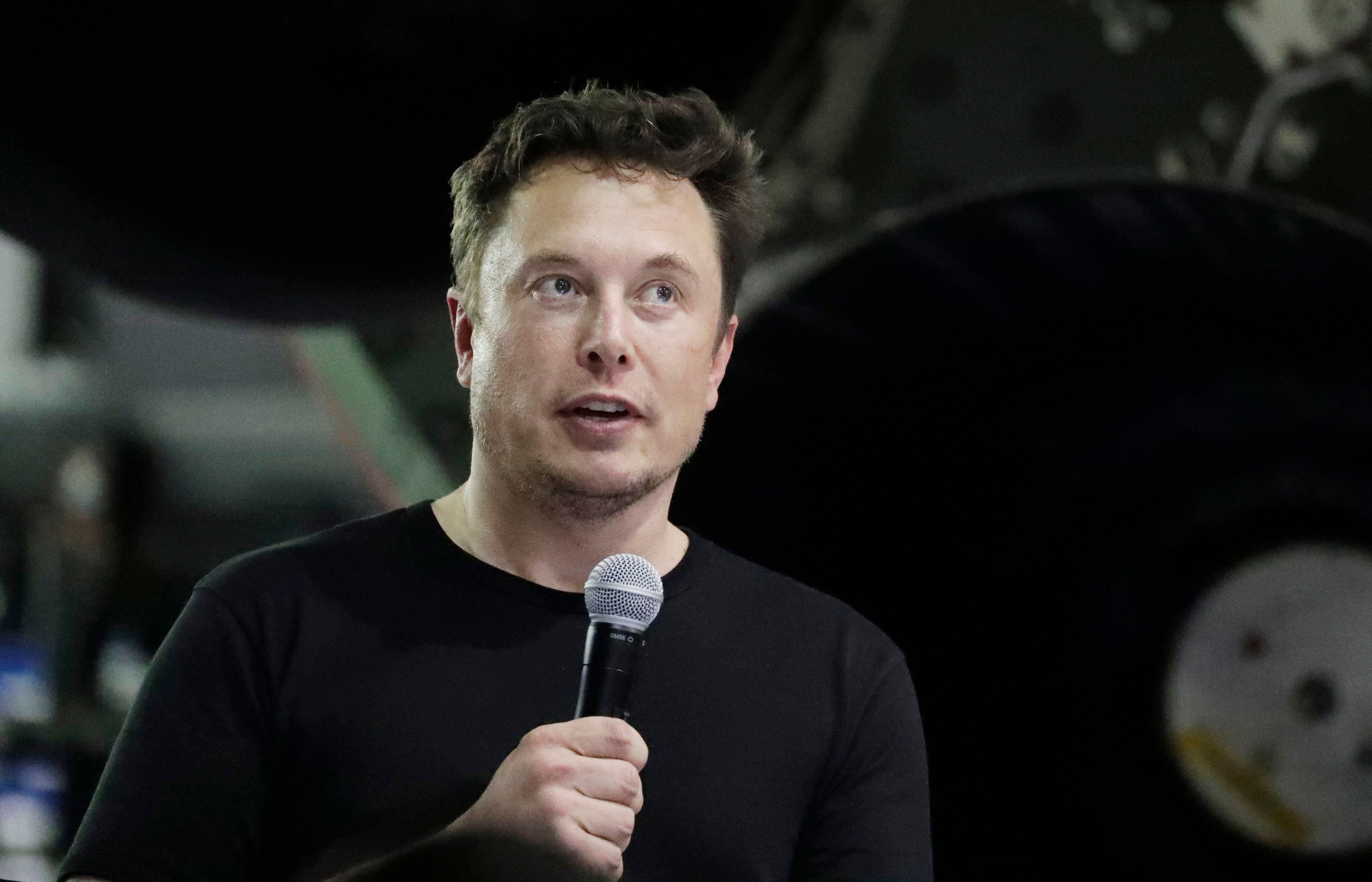
Tesla CEO Elon Musk's email to employees on Friday announcing that the electric car maker will be slashing its workforce by 7 percent is just the latest in a long line of troubles for the embattled company ー troubles that brand and marketing expert Ian Wishingrad don't see ending any time soon.
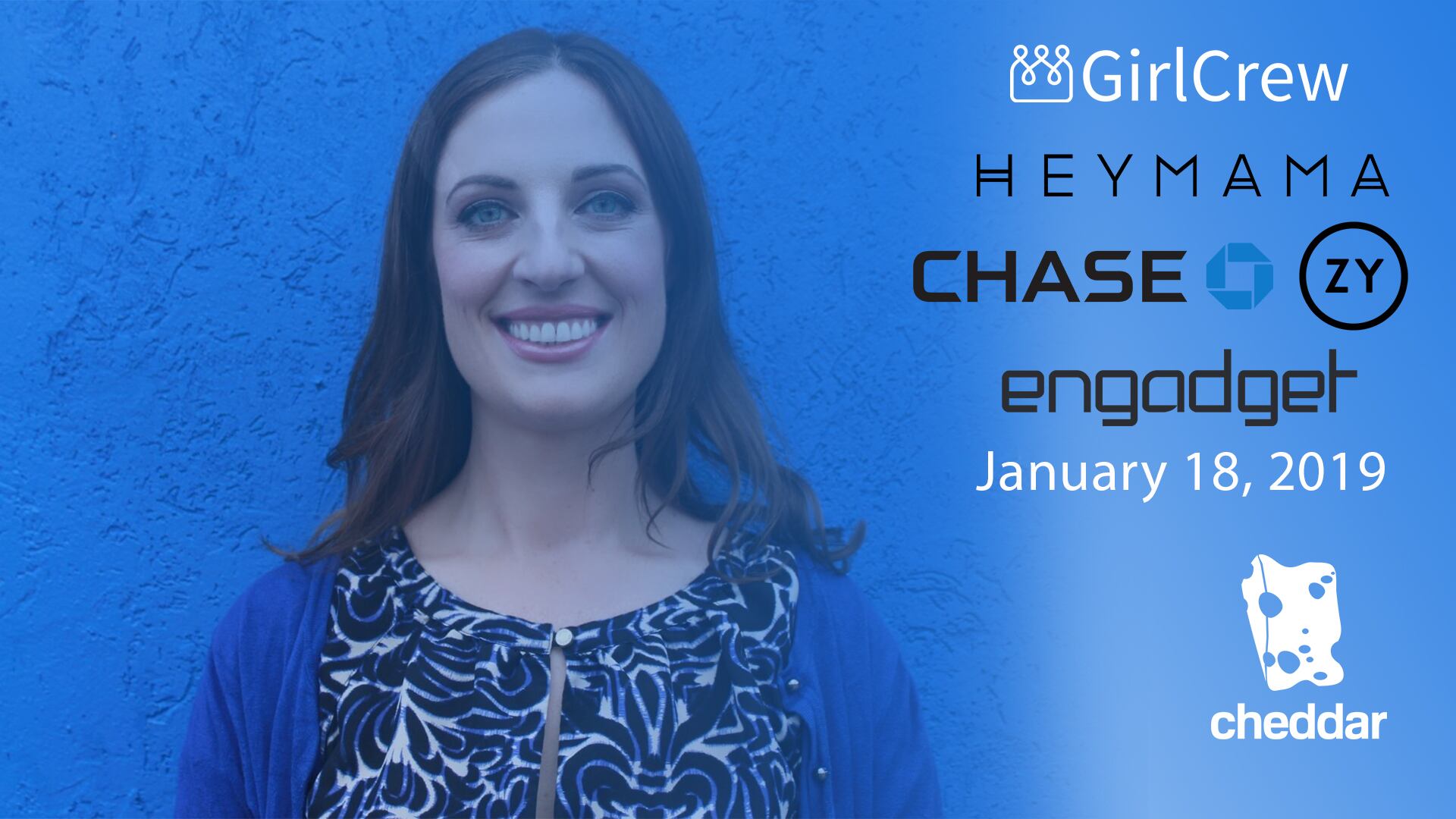
On Friday morning, Tesla announced it would slash its workforce by 7 percent in order to make a cheaper Model 3 vehicle. Netflix shares were trading slightly lower after the streaming giant reported mixed results in its most recent quarter. Plus, GirlCrew co-founder Pamela Newenham joins our weekly show ChedHER to discuss the inspiration behind her platform.
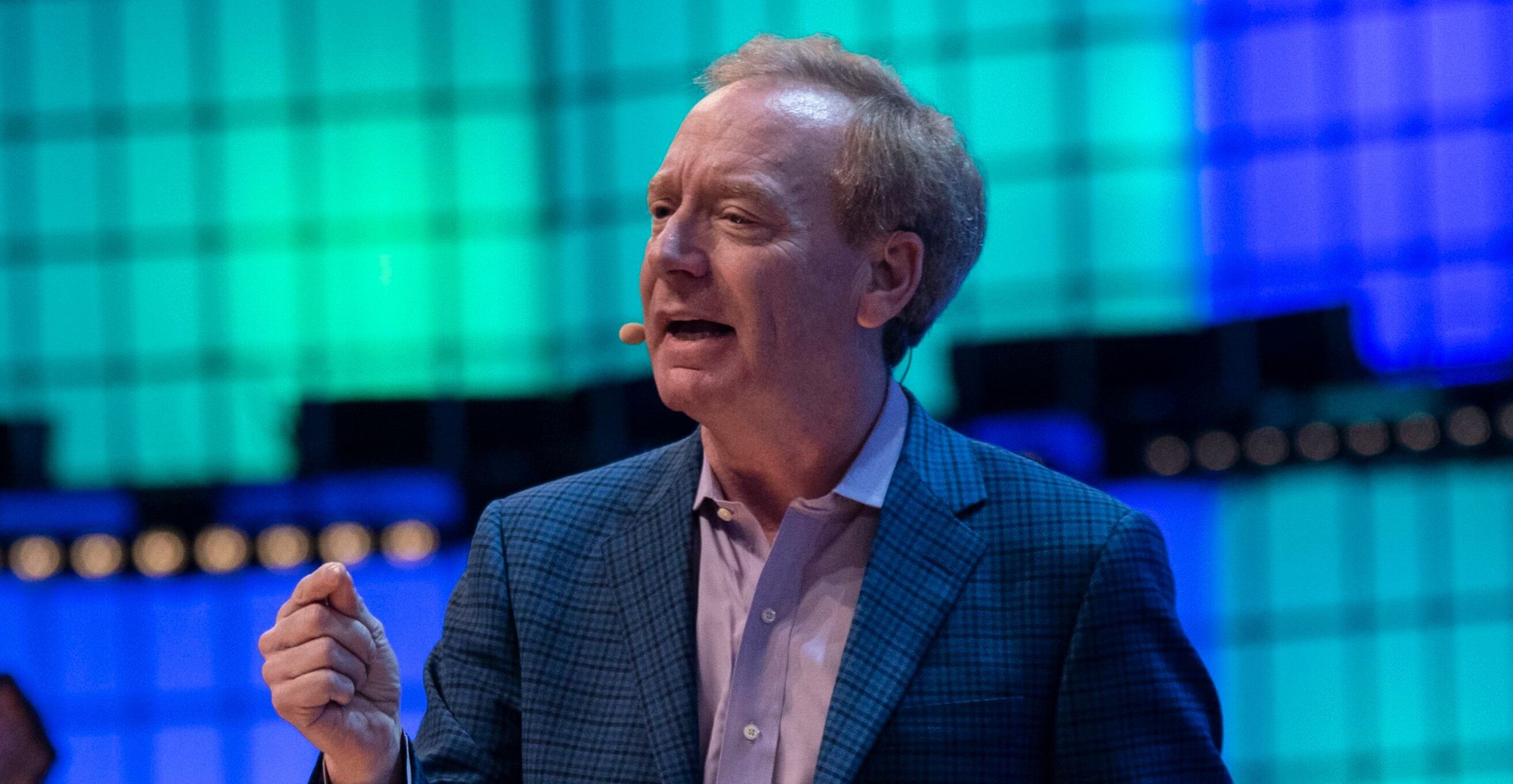
Microsoft President Brad Smith called for an end to the government shutdown during an appearance on Cheddar Thursday, saying that the political stalemate in the U.S. is contributing to broader international instability resulting from the ongoing Brexit chaos and weakness in the Chinese economy.
Inflated housing prices and long commute times in tech hubs nationwide is "sapping the vitality" from cities, Microsoft President Brad Smith told Cheddar Thursday following the company's announcement it would invest $500 million to address affordable housing and homelessness in and around Seattle, Wash.
TradeStation, the online broker-dealer, is dipping its toes into crypto. Speaking with Cheddar's Tanaya Macheel at the North American Bitcoin Conference in Miami on Thursday, CEO John Bartleman said crypto trading would be a "natural extension" to the asset classes currently offered on the TradeStation platform.
Abra, the crypto exchange and digital wallet startup, is trying to fundamentally change the way banking is done with a simple consumer-facing app that allows users to effectively create "synthetic" dollars using the inherent value of Bitcoin and other cryptocurrencies. Bill Barhydt, Abra's co-founder and CEO, explained the strategy to Cheddar's Tanaya Macheel at the North American Bitcoin Conference in Miami.
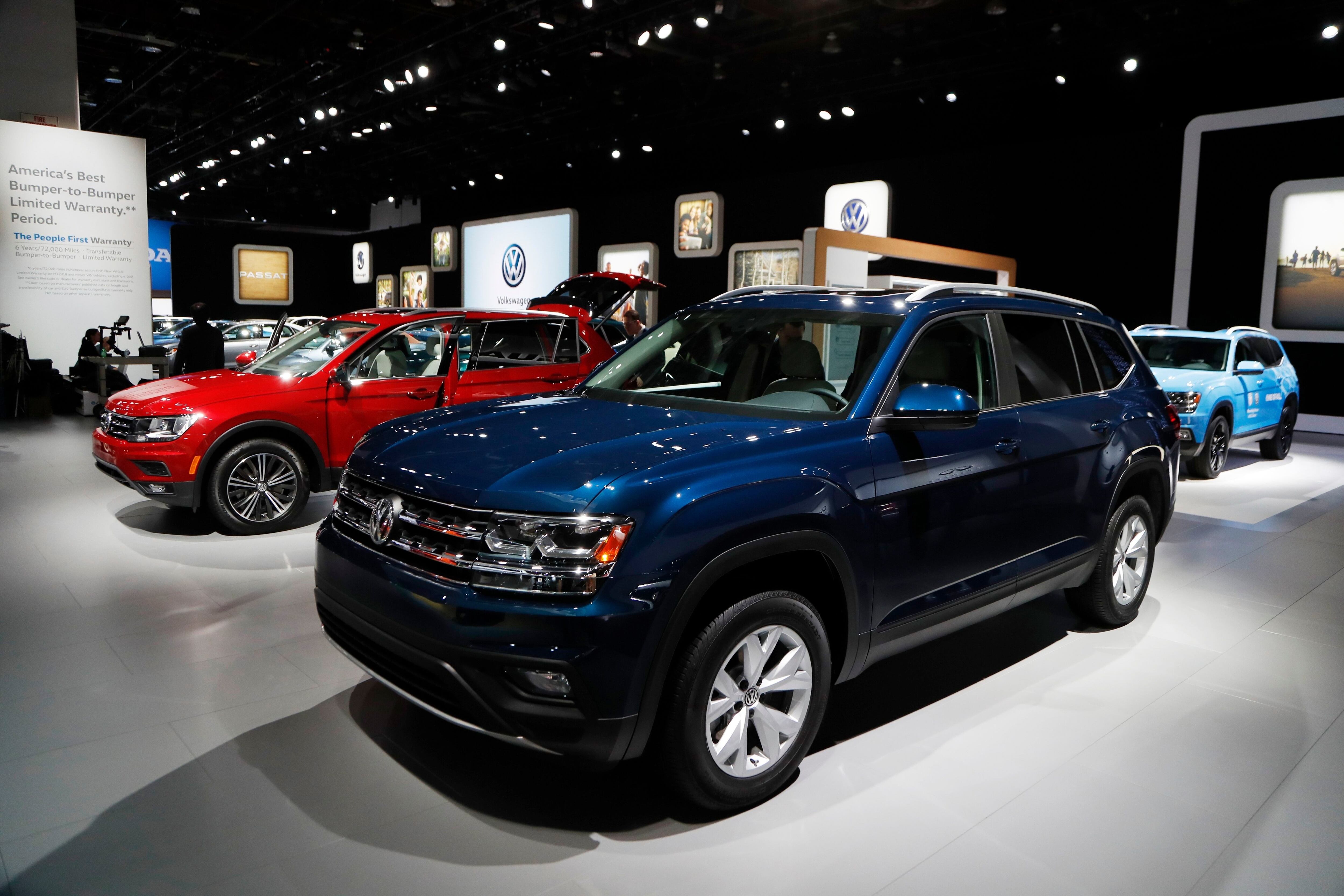
Ford Motor Company and Volkswagen AG announced at the Detroit Auto Show they will form a "broad alliance," but the reality of a partnership may present certain conflicts for both companies. "I think that this is going to be a very difficult friendship to make work because Ford ($F) is expected to make some pickup trucks for Volkswagen, which sounds good because Volkswagen needs those pickups in other markets," Nathan Bomey, business reporter at USA Today, told Cheddar Wednesday.
There is a scene in the 2002 sci-fi film "Minority Report" that has always struck me. John Anderton, the film's protagonist played by Tom Cruise, is running through a mall, bombarded by ads from premium brands like American Express and Lexus that are tailor-made just for him. I was always fascinated by that moment in the film ー because it seemed so far-fetched and dystopian, but at the same time, almost pre-ordained.
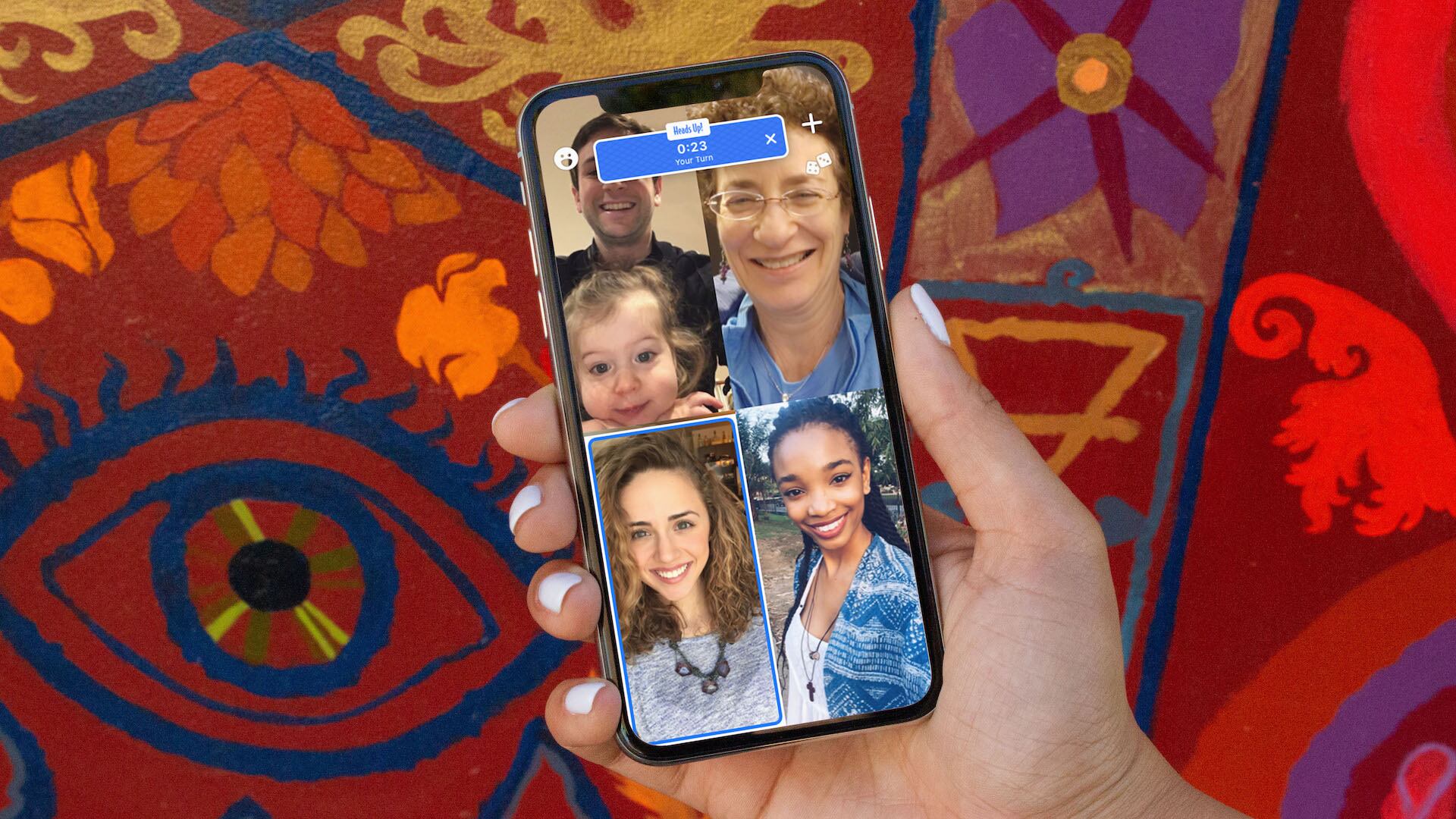
After two years and $52 million in funding from some of Silicon Valley’s top investors, the video chat app Houseparty is ready to start making money. On Thursday, the social network announced a partnership with “Heads Up!,” the charades-like game for phones that was created by Ellen DeGeneres and Warner Bros. Entertainment.