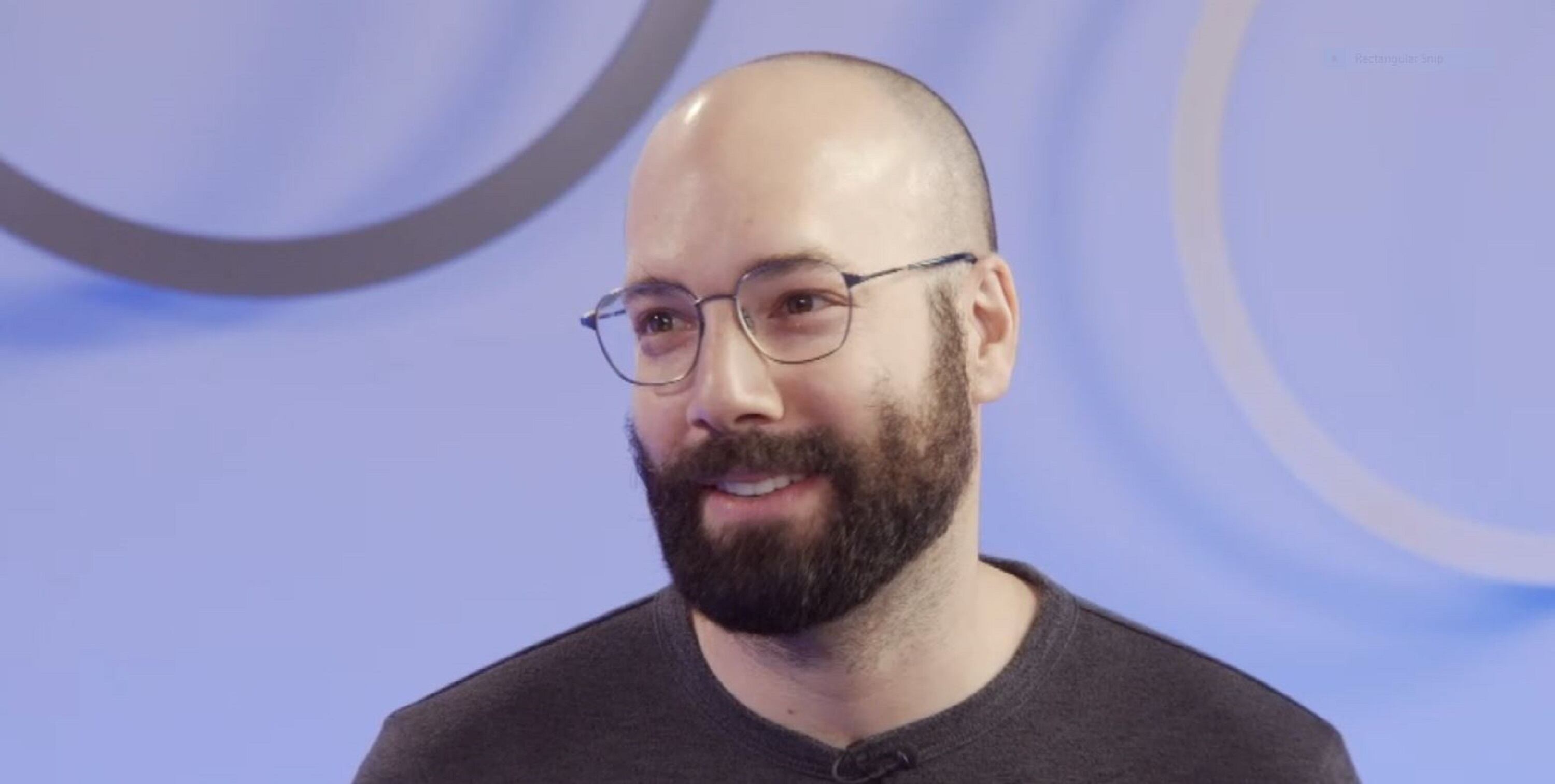
The power of A.I. can reach deeper than just recommending which show to binge on Netflix. It can also be used to analyze millions of images to predict things like income, political leanings, and buying habits. Steve Lohr, Technology and Economics Reporter at The New York Times, joined us to discuss artificial intelligence's full potential when it comes to predictive analytics.
Lohr's recent piece in The New York Times highlights a Stanford study that used 50 million images from Google Street View to give a glimpse of A.I.'s ability to gather data. He explains that researchers identified 22 million cars to draw conclusions about information such as which political candidate a particular zip code favored. The project took just 2 weeks to classify all the cars. In his piece, Lohr points out that without the help of AI, it would take human experts over 15 years to accomplish that task.
This type of data collection raises concerns over privacy and issues of data access. He says most of predictive analysis has been used for commercial purposes and selling products. The use of data becomes scary when it becomes integrated into decisions such as hiring, he says, because the mistakes become more costly.
Listeners have come to expect their podcasts free of charge. But Pocket Cast has still managed to become one of the leading podcast platforms as a paid app. The company was recently acquired by NPR, WNYC Studios, and WBEZ Chicago, in a move that CEO Owen Grover told Cheddar will only move the medium forward.
President Trump's longtime ally Roger Stone was arrested Friday in connection with Robert Mueller's Russia probe. The FAA reported delays at several major airports across the U.S. because of an increase in employees taking sick leave at air traffic control centers. And Lois Backon, head of Corporate Partner Marketing for JPMorgan Chase, tells Cheddar how the bank partners with celebrities to share their financial planning tips.
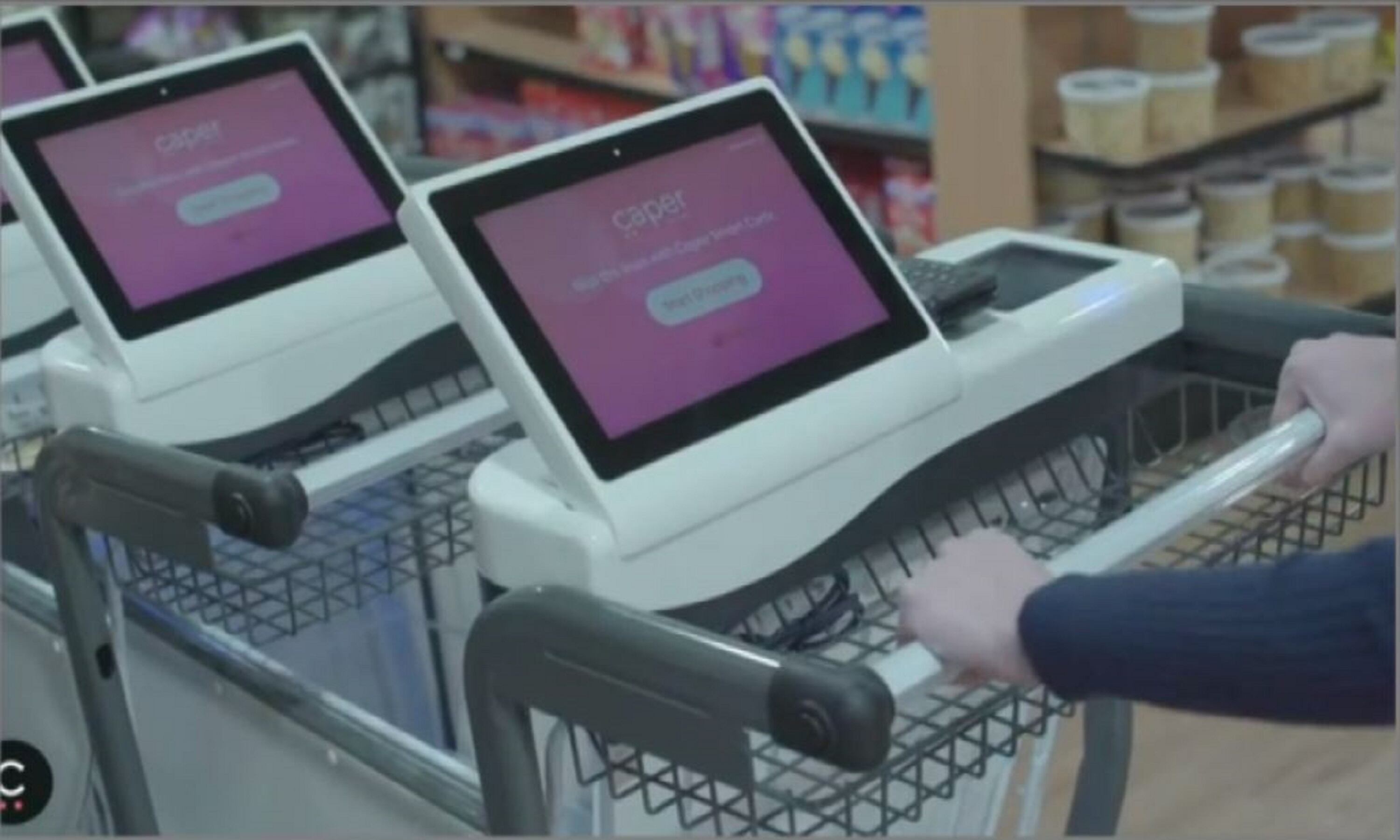
A new startup is using the technology pioneered by Amazon in its cashier-less stores and applying it directly to the grocery cart. "Checkout is by far one of the most annoying experiences in physical retail," said Caper CEO Lindon Gao in an interview Friday on Cheddar. Caper will allow customers to bypass the checkout line completely and pay for their purchases directly via an interface on their carts.
T-Mobile will join the streaming wars in the next few weeks with a free, ad-supported mobile video service, according to a source familiar with the matter. The company has plans to launch the mobile TV service based on licensed Xumo technology through its Layer3 division, which provides free over-the-top (non-cable or satellite) television and video-on-demand services, the source said.
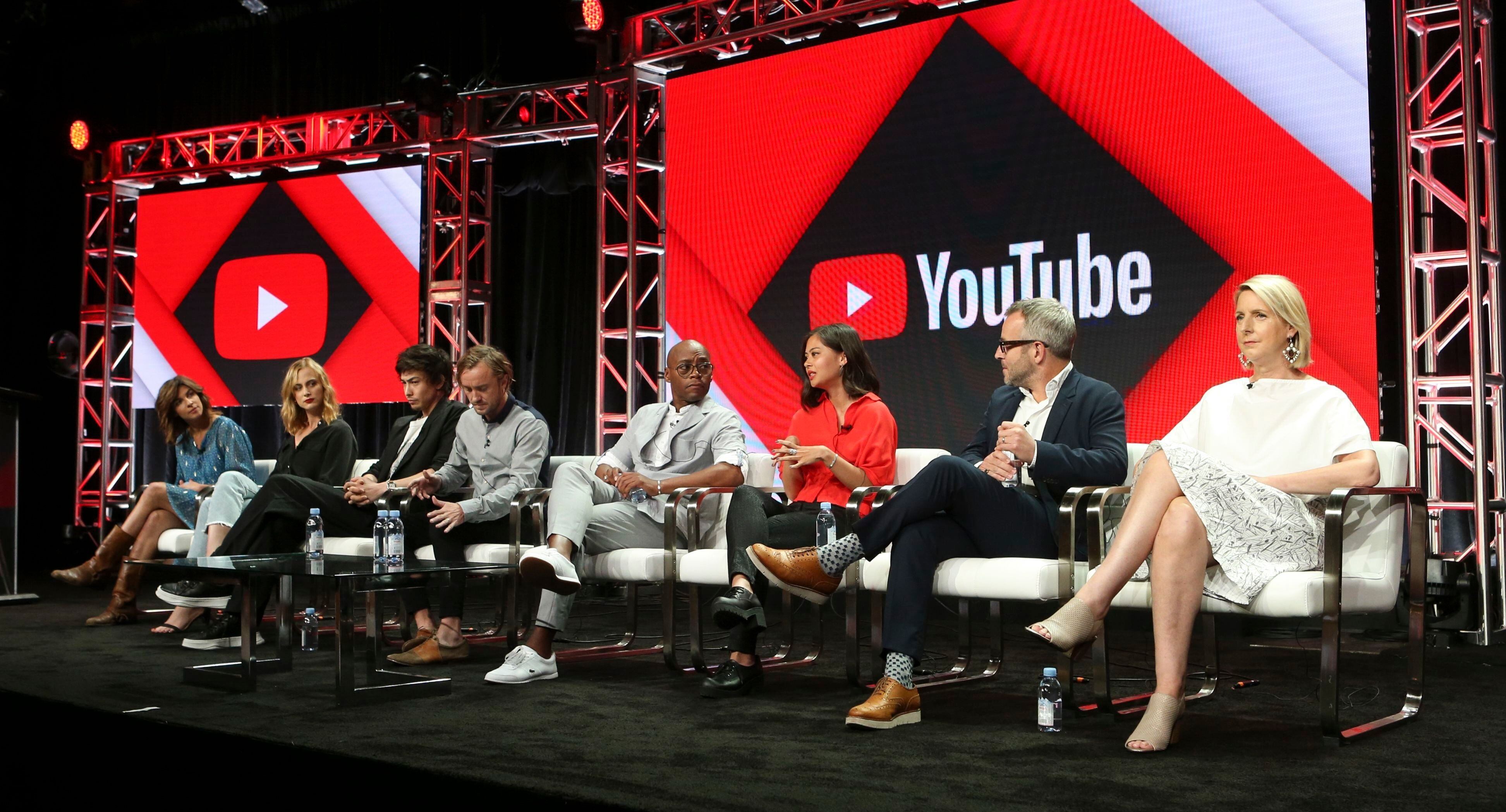
Cord cutters, rejoice! YouTube TV, Google's ambitious live-television streaming service, is going nationwide. The platform will soon add 95 new markets, making it available to 98 percent of U.S. households, Google announced Wednesday ー just one of several major announcements in the streaming industry this week.
Pennsylvania's new, relaxed approach to cryptocurrency regulation is narrow in scope, but could serve as a model for other state regulators adopting a "lighter touch approach," said Drew Hinkes, co-founder and general counsel at Athena Blockchain.
Major players in retail and tech are shaking up the health care industry with massive consolidation. But just as some new unions in the industry are forming, others have shown signs of instability. Amazon, a player that seems to dominate any field it enters, is well positioned to exploit those weaknesses and find itself at the top of another industry once again.
The power of Black Twitter, the name given to a loose network of black Twitter users behind both viral memes and social campaigns, is the premise of "Power Star Live," a 30-minute show that will live stream every Wednesday on the social platform. Jessie Woo and co-host Xilla Valentine aim to dissect how the Twitter users influence pop culture.
The internet is moving away from an ad-based revenue system says Jack Conte, co-founder and CEO of Patreon, a platform that allows people to pay for access to exclusive content from digital creators. That trend is evidenced by the growth that Patreon saw in 2018, Conte said in an interview on Cheddar Wednesday, the same day the company announced it now has more than 3 million subscribers, or "patrons," with more than 100,000 creators on the platform. The company began 2018 with 2 million patrons supporting its content.
TD Ameritrade posted quarterly earnings above expectations, but Wall Street's reaction wasn't exactly enthusiastic. Still, the brokerage firm is celebrating last month's successes. President and CEO Tim Hockey talked to Cheddar about how the company navigates market volatility.