The power of A.I. can reach deeper than just recommending which show to binge on Netflix. It can also be used to analyze millions of images to predict things like income, political leanings, and buying habits. Steve Lohr, Technology and Economics Reporter at The New York Times, joined us to discuss artificial intelligence's full potential when it comes to predictive analytics.
Lohr's recent piece in The New York Times highlights a Stanford study that used 50 million images from Google Street View to give a glimpse of A.I.'s ability to gather data. He explains that researchers identified 22 million cars to draw conclusions about information such as which political candidate a particular zip code favored. The project took just 2 weeks to classify all the cars. In his piece, Lohr points out that without the help of AI, it would take human experts over 15 years to accomplish that task.
This type of data collection raises concerns over privacy and issues of data access. He says most of predictive analysis has been used for commercial purposes and selling products. The use of data becomes scary when it becomes integrated into decisions such as hiring, he says, because the mistakes become more costly.
Instagram is ramping up its anti-bullying efforts with two new features that it hopes will protect users from hurtful and abusive content, the company announced this week.
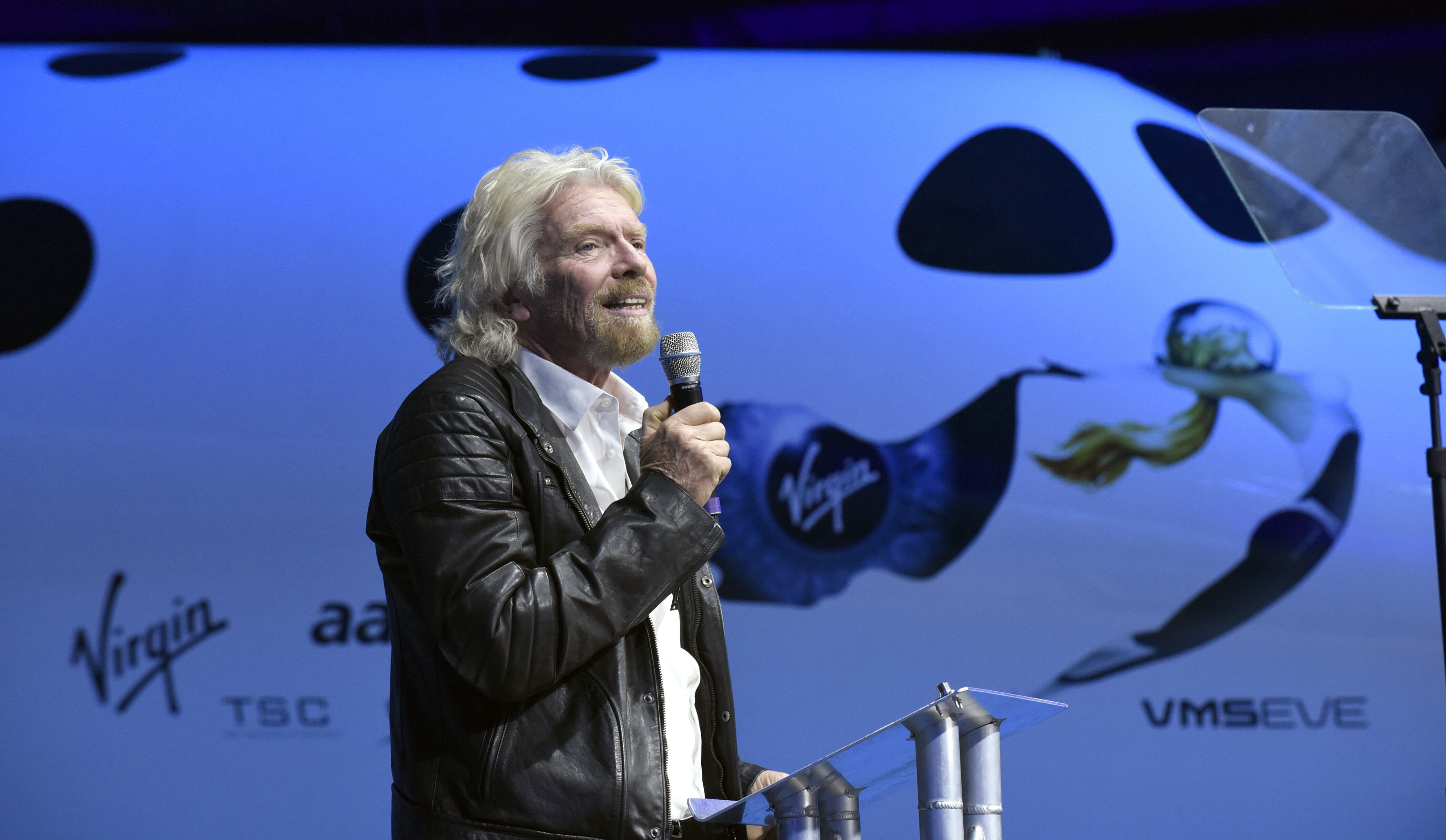
The modern-day space race just took a major step toward maturity, with Sir Richard Branson's announcement that Virgin Galactic will go public. When it lists later this year, Virgin will become the first publicly traded space-tourism company.
The market for hemp-derived CBD is expected to hit $5.1 billion in 2019 and $23.7 billion by 2023, according to new research from CBD and cannabis-focused market research firm, Brightfield Group. Despite bullish projections from researchers, enthusiasm from the industry, and curiosity from consumers, however, legislation at the federal and local levels isn’t keeping pace.
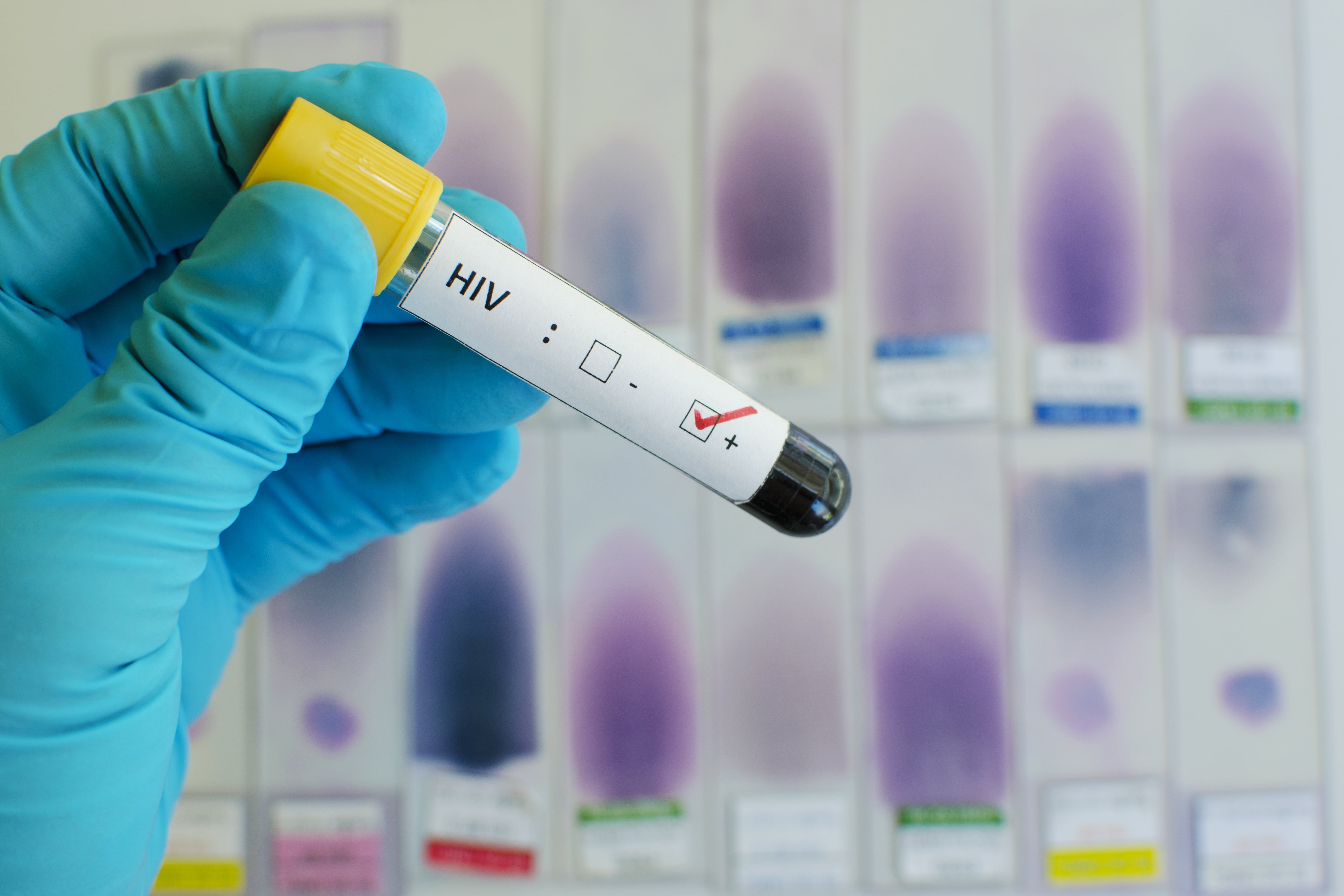
Researchers at the University of Nebraska Medical Center and Temple University reported using gene therapy to eradicate HIV in mice. Now the team is considering how to turn that into a life-saving cure for humans.
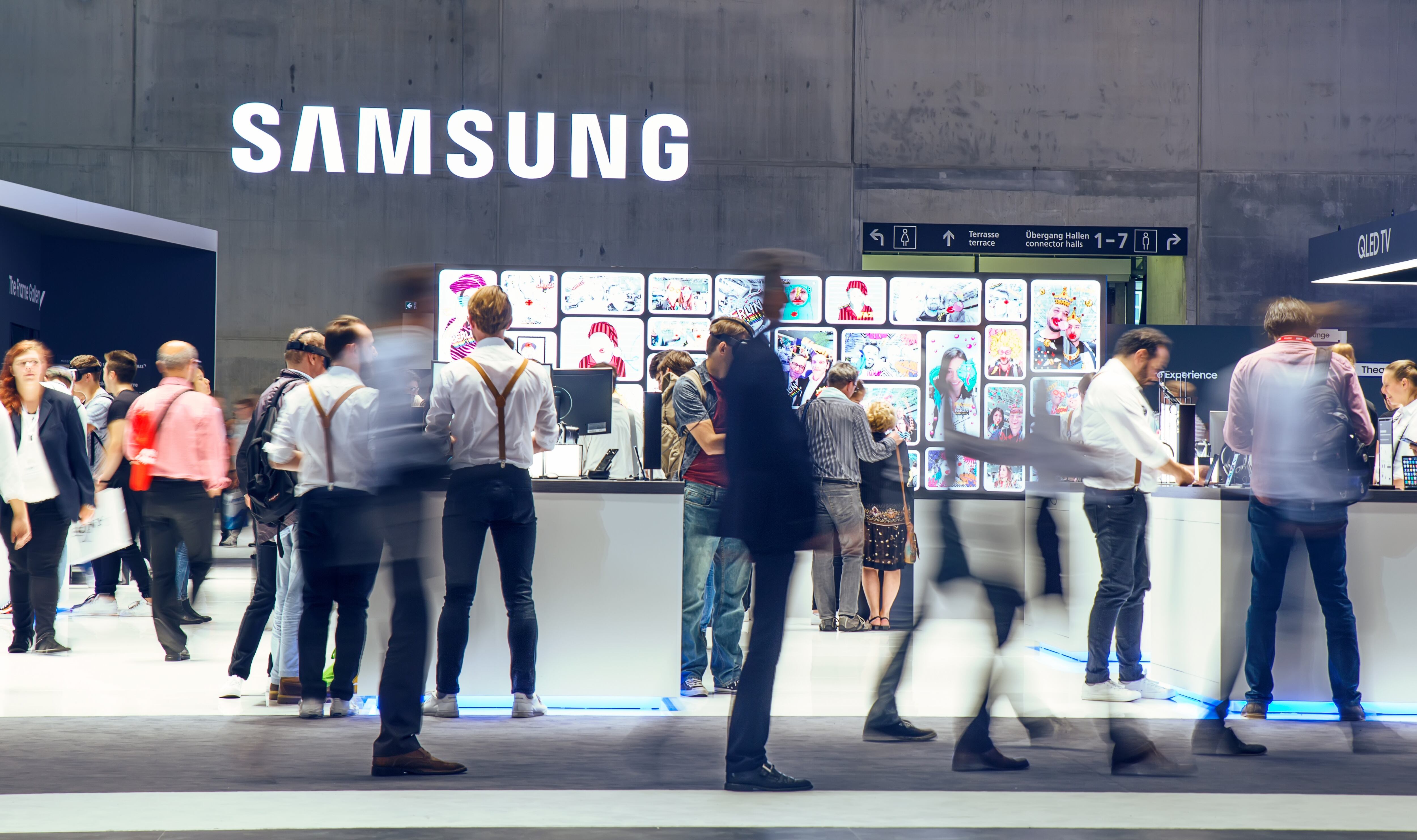
The South Korean company reports that profits are likely down more than half of what they were at the same time last year.
From Wall Street to Silicon Valley, these are the top stories that moved markets and had investors, business leaders, and entrepreneurs talking this week on Cheddar.
These are the headlines you Need 2 Know for Friday, July 5, 2019.
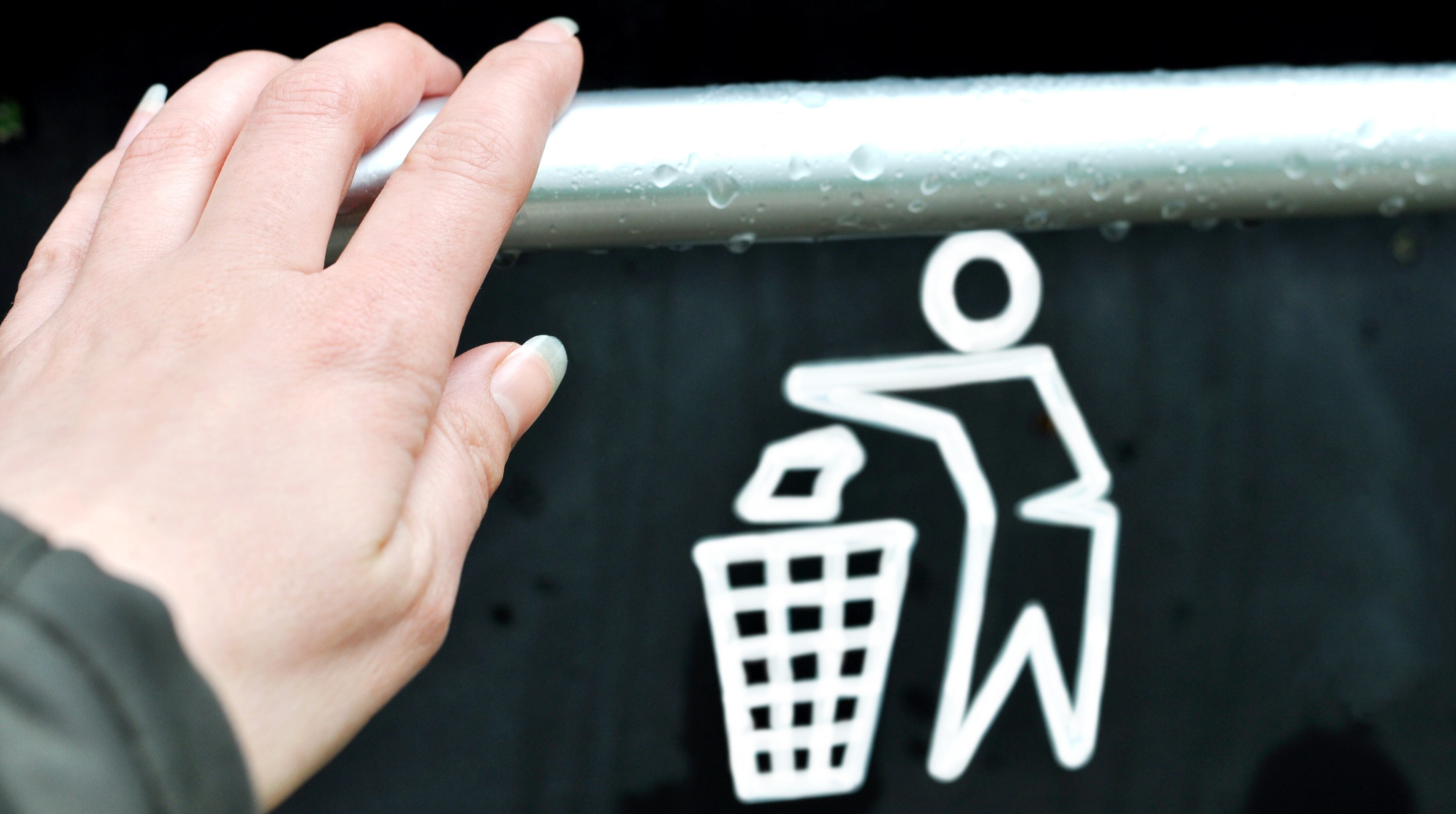
Companies like Nordsense, Ecube, and Bigbelly wager that public bins can serve as highly-efficient, environmentally-friendly, networked devices for our future smart cities, producing data on trash that has never before been available.
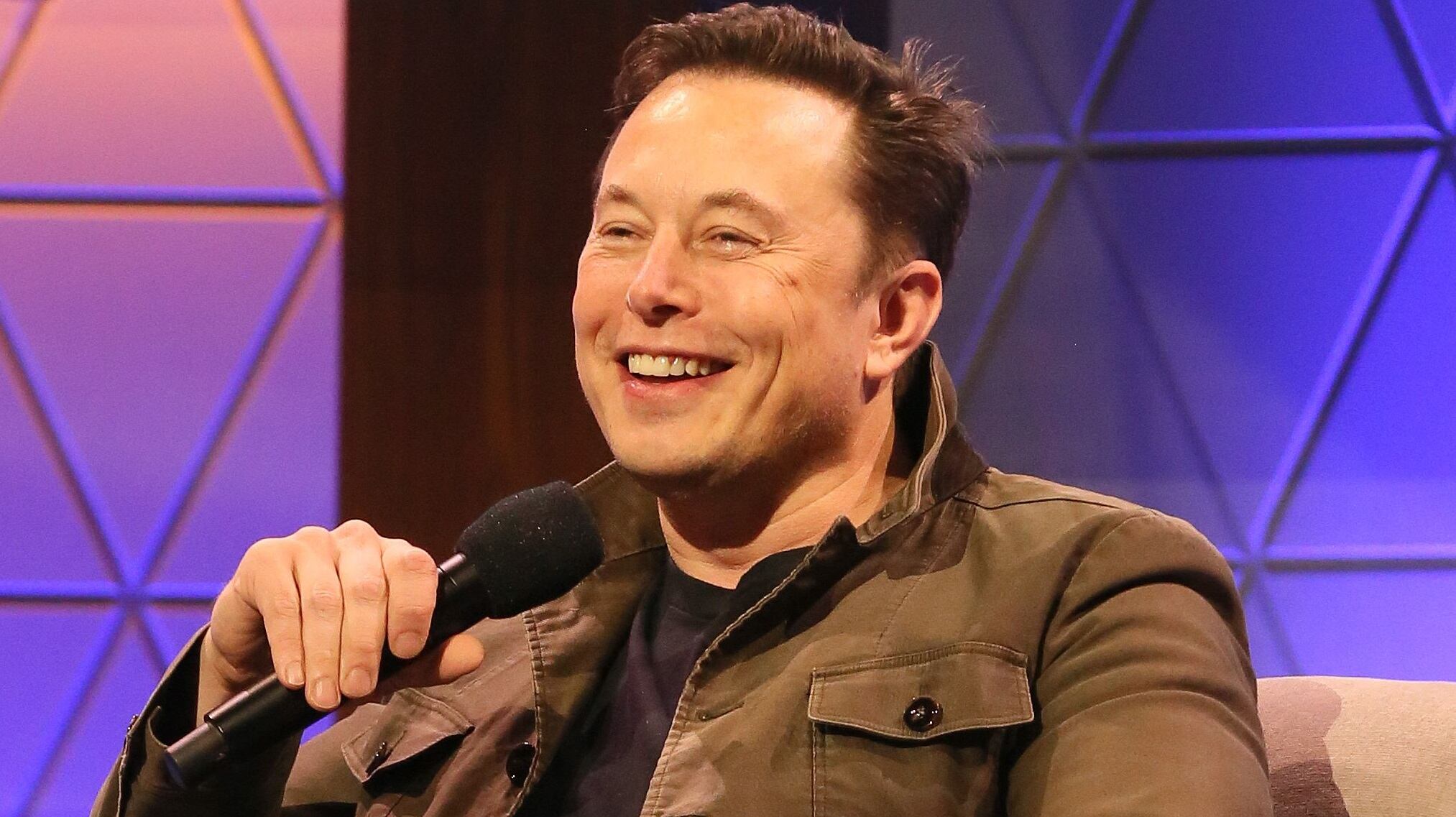
Tesla delivered 95,200 vehicles in the second quarter ー nearly double what it delivered in the second quarter of 2018. The production beat was a sliver of good news in an otherwise bad first half of the year for the company.
'Stranger Things' is everywhere as more brands are jumping on the supernatural trend. Coca-Cola, Tide, and Baskin-Robbins are just a few to team up with Netflix. The streaming service has avoided advertising for years, but are they ready to cash in on the opportunity? Cheddar senior reporter Michelle Castillo breaks it all down.