The power of A.I. can reach deeper than just recommending which show to binge on Netflix. It can also be used to analyze millions of images to predict things like income, political leanings, and buying habits. Steve Lohr, Technology and Economics Reporter at The New York Times, joined us to discuss artificial intelligence's full potential when it comes to predictive analytics.
Lohr's recent piece in The New York Times highlights a Stanford study that used 50 million images from Google Street View to give a glimpse of A.I.'s ability to gather data. He explains that researchers identified 22 million cars to draw conclusions about information such as which political candidate a particular zip code favored. The project took just 2 weeks to classify all the cars. In his piece, Lohr points out that without the help of AI, it would take human experts over 15 years to accomplish that task.
This type of data collection raises concerns over privacy and issues of data access. He says most of predictive analysis has been used for commercial purposes and selling products. The use of data becomes scary when it becomes integrated into decisions such as hiring, he says, because the mistakes become more costly.
For Microsoft CEO Satya Nadella, a man tasked with running one of the most integral — and most valuable — companies in the world, the basis of success is simple: make sure what they do is what their customers and employees want.
These are the headlines you Need 2 Know for Wednesday, July 24, 2019.
Facebook and the Federal Trade Commission have officially reached a $5 billion settlement over a nearly 18-month investigation into the social media giant's practice of sharing user data with third parties without their consent.
Seedo’s self-contained grow box lets you grow our own plants with the help of an app, there’s no prior plant or experience needed. The technology was originally created to grow vegetables and herbs without pesticides or climate effects.
Online wealth advisor Betterment announced Tuesday that it's launching checking and savings accounts with a competitive annual yield of 2.69%.
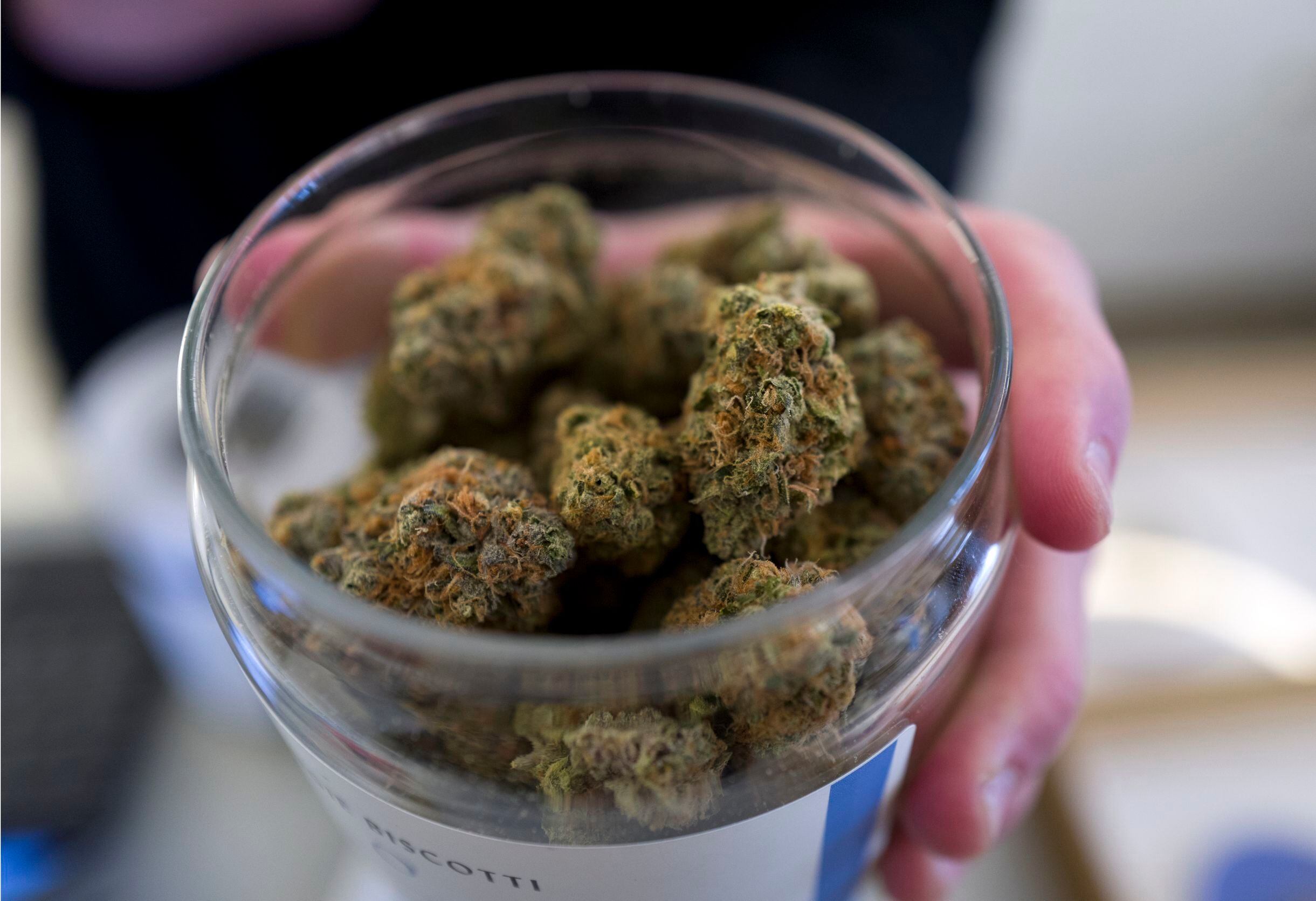
ELLO Capital will focus on guiding U.S.-focused cannabis, hemp, and ancillary companies through mergers and acquisitions, capital raises and private placements. The company also aims to assist “traditional cpg companies that are looking at how to navigate the CBD or cannabis world,” like Altria, Diageo, and Constellation.
A new co-investment platform for homeownership called Haus has just raised $7.1 million in seed funding. Haus, created by Uber
Co-founder Garrett Camp, says that its system results in 30% lower payments for homeowners than traditional mortgages. Haus CEO Jonathan McNulty joined Cheddar to discuss how his company shares some of the risk for a slice of the reward.
*From Wall Street to Silicon Valley, these are the top stories that moved markets and had investors, business leaders, and entrepreneurs talking this week on Cheddar.*
These are the headlines you Need 2 Know for Friday, July 19, 2019.
eMarketer reports U.S. esports ad revenues are expected to pass $200 million by 2020. Jimmy Mondal, host of Cheddar Esports, breaks down why it's so important for teams to bring on partners and why a website is crucial to building a fan base.