The power of A.I. can reach deeper than just recommending which show to binge on Netflix. It can also be used to analyze millions of images to predict things like income, political leanings, and buying habits. Steve Lohr, Technology and Economics Reporter at The New York Times, joined us to discuss artificial intelligence's full potential when it comes to predictive analytics.
Lohr's recent piece in The New York Times highlights a Stanford study that used 50 million images from Google Street View to give a glimpse of A.I.'s ability to gather data. He explains that researchers identified 22 million cars to draw conclusions about information such as which political candidate a particular zip code favored. The project took just 2 weeks to classify all the cars. In his piece, Lohr points out that without the help of AI, it would take human experts over 15 years to accomplish that task.
This type of data collection raises concerns over privacy and issues of data access. He says most of predictive analysis has been used for commercial purposes and selling products. The use of data becomes scary when it becomes integrated into decisions such as hiring, he says, because the mistakes become more costly.
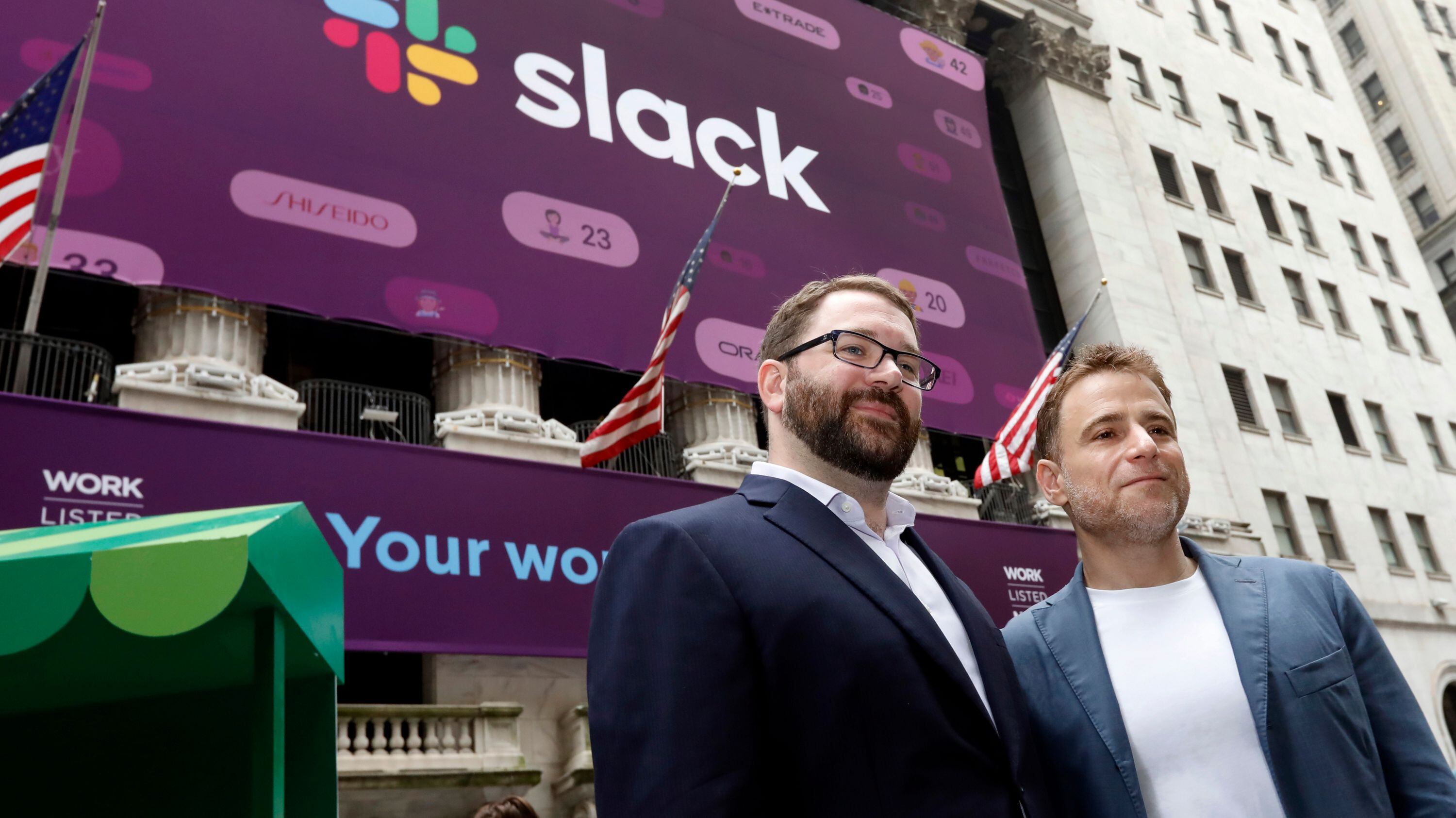
Slack beat expectations in its second quarter earnings report, posting $145 million in sales after the bell on Wednesday. The company was expected to report $141.25 million in sales.
The terms of the settlement between YouTube-parent Google and the FTC and the New York state attorney general were announced on Wednesday. Google and YouTube will pay $136 million to the federal government and another $34 million to New York.
The new funds will help Elliptic develop its offerings as it prepares to add more digital assets and address more types of risk for new and different types of customers, mainly in banking and financial services, CEO James Smith told Cheddar.
Fact or Fiction: search engine optimization has lost its value thanks to podcasts, video, and social media. Brian Fanzo, founder of iSocialFanz, joins Cheddar to break down this myth and help entrepreneurs grow their business.
These are the headlines you Need 2 Know for Friday, Aug. 30, 2019.
According to the survey from Hub Entertainment Research, Disney+ seems to be entering U.S. households at the perfect time, as more and more viewers consider cutting the cord.
The exercise media and equipment company reported that it had made $915 million in revenues in the past fiscal year, but saw net losses of about $196 million, in its filing to go public.
These are the headlines you Need 2 Know for Wednesday, Aug. 28, 2019.
Elon Musk says SpaceX will again attempt to launch its Starhopper prototype rocket around 5 p.m. ET today, 24 hours after engineers were forced to scrub the launch with one second remaining on the countdown clock.
On the back of a groundbreaking partnership with data heavyweights Deloitte and Nielsen, cannabis industry intelligence company Headset on Monday announced the launch of its real time analytics tool in the province of Alberta, marking its official debut in the Canadian market. Stakeholders anticipate the data Headset Insights generates ー first in Alberta, and eventually across all of Canada ー will serve as a road map for companies outside of cannabis looking to penetrate the industry, and for Canadian cannabis companies as the market grows more diverse and competitive.