The power of A.I. can reach deeper than just recommending which show to binge on Netflix. It can also be used to analyze millions of images to predict things like income, political leanings, and buying habits. Steve Lohr, Technology and Economics Reporter at The New York Times, joined us to discuss artificial intelligence's full potential when it comes to predictive analytics.
Lohr's recent piece in The New York Times highlights a Stanford study that used 50 million images from Google Street View to give a glimpse of A.I.'s ability to gather data. He explains that researchers identified 22 million cars to draw conclusions about information such as which political candidate a particular zip code favored. The project took just 2 weeks to classify all the cars. In his piece, Lohr points out that without the help of AI, it would take human experts over 15 years to accomplish that task.
This type of data collection raises concerns over privacy and issues of data access. He says most of predictive analysis has been used for commercial purposes and selling products. The use of data becomes scary when it becomes integrated into decisions such as hiring, he says, because the mistakes become more costly.
In an effort to get "tax policy parity" with other renewable resources, the American Wind Energy Association says it will seek the same tax credit pursued by the solar energy sector.
Girls Who Code founder and CEO Reshma Saujani discussed the first all-digital "march" to spread awareness of gender inequality in the tech space.
Wisecrack has over 2.7 million subscribers on YouTube and seven podcasts. Jacob Salamon, co-founder and CEO of Wisecrack, breaks down the importance of community and shares tips to help creators improve their craft.
Apple this week removed a smartphone app called HKmap.live that was used by pro-democracy demonstrators in Hong Kong to track police movements, and Google dropped a smartphone game that lets users role-play as protesters in the city.
These are the headlines you Need 2 Know for October 10, 2019.
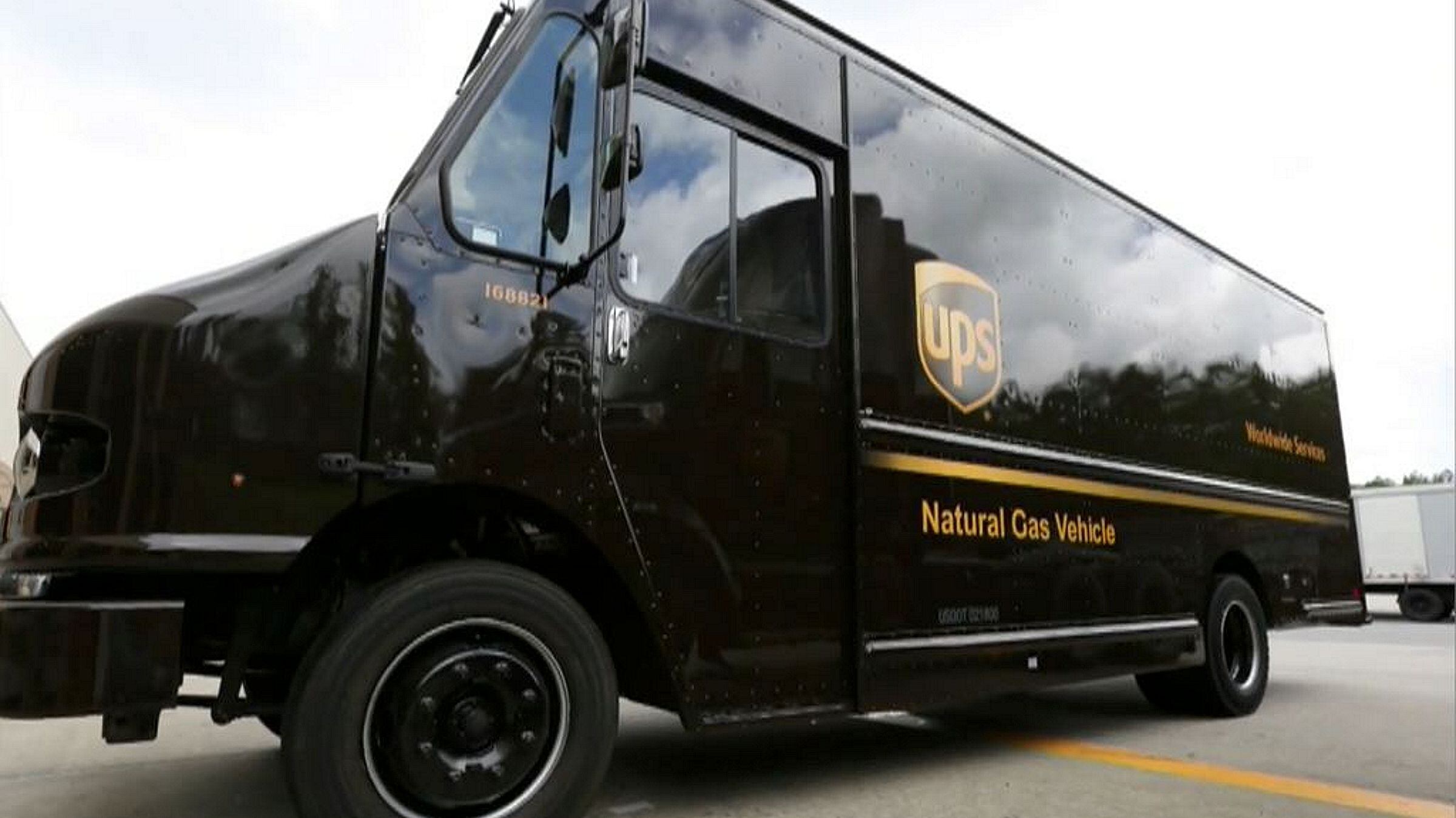
Mike Whitlatch, vice president of global energy and procurement at UPS, discusses the parcel service's investment in the new trucks burning cleaner fuel.
Fact or Fiction: Business owners and entrepreneurs need to scale their businesses to accommodate their where customers are now. Brian Fanzo, founder of iSocialFanz, breaks down this myth and explains why and how entrepreneurs can prepare for rapid expansion.
Lumos Helmet CEO Eu-wen Ding discusses the new high-tech helmet that offers front and rear lights, turn signals, and even technology that responds to your basic hand gestures.
These are the headlines you Need 2 Know for Tuesday, October 8th, 2019.
Leo Simonovich, global head of industrial cyber and digital security for Siemens Gas and Power, spoke with Cheddar about the evolving threat to utilities and other industrial sites.