The power of A.I. can reach deeper than just recommending which show to binge on Netflix. It can also be used to analyze millions of images to predict things like income, political leanings, and buying habits. Steve Lohr, Technology and Economics Reporter at The New York Times, joined us to discuss artificial intelligence's full potential when it comes to predictive analytics.
Lohr's recent piece in The New York Times highlights a Stanford study that used 50 million images from Google Street View to give a glimpse of A.I.'s ability to gather data. He explains that researchers identified 22 million cars to draw conclusions about information such as which political candidate a particular zip code favored. The project took just 2 weeks to classify all the cars. In his piece, Lohr points out that without the help of AI, it would take human experts over 15 years to accomplish that task.
This type of data collection raises concerns over privacy and issues of data access. He says most of predictive analysis has been used for commercial purposes and selling products. The use of data becomes scary when it becomes integrated into decisions such as hiring, he says, because the mistakes become more costly.
Political ad spending will reach $6.89 billion this election cycle according to eMarketer, up 63.3 percent compared to the 2016 elections.
Ride-hailing service Lyft's annual loss more than doubled last year to over $2.6 billion, but the company claimed progress as revenue jumped 68 percent and ridership grew.
Geoffrey Colon and Aya Kikimova, Head of Brand Studio and Brand Studio at Microsoft Advertising, join Cheddar to discuss their new report that explores trends of the past and present that will impact the next decade.
__________________
Check out the report [here](https://about.ads.microsoft.com/en-us/blog/post/january-2020/2020-vision-trends-to-define-the-next-decade).
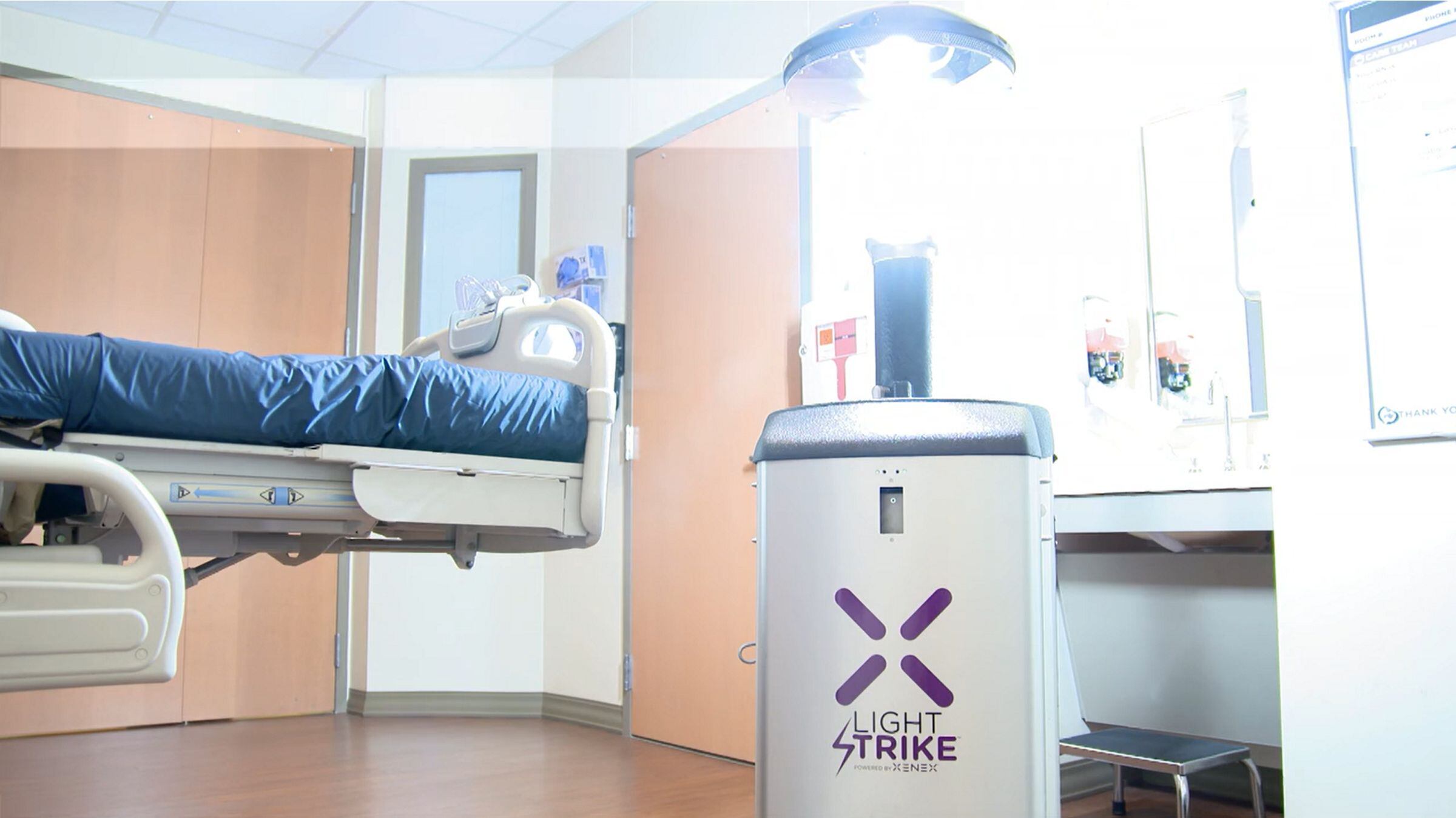
Xenex Disinfection Services has offered to ship out its germ-killing robots free-of-charge. But first, the San Antonio-based company needs assurances that China will respect its intellectual property.
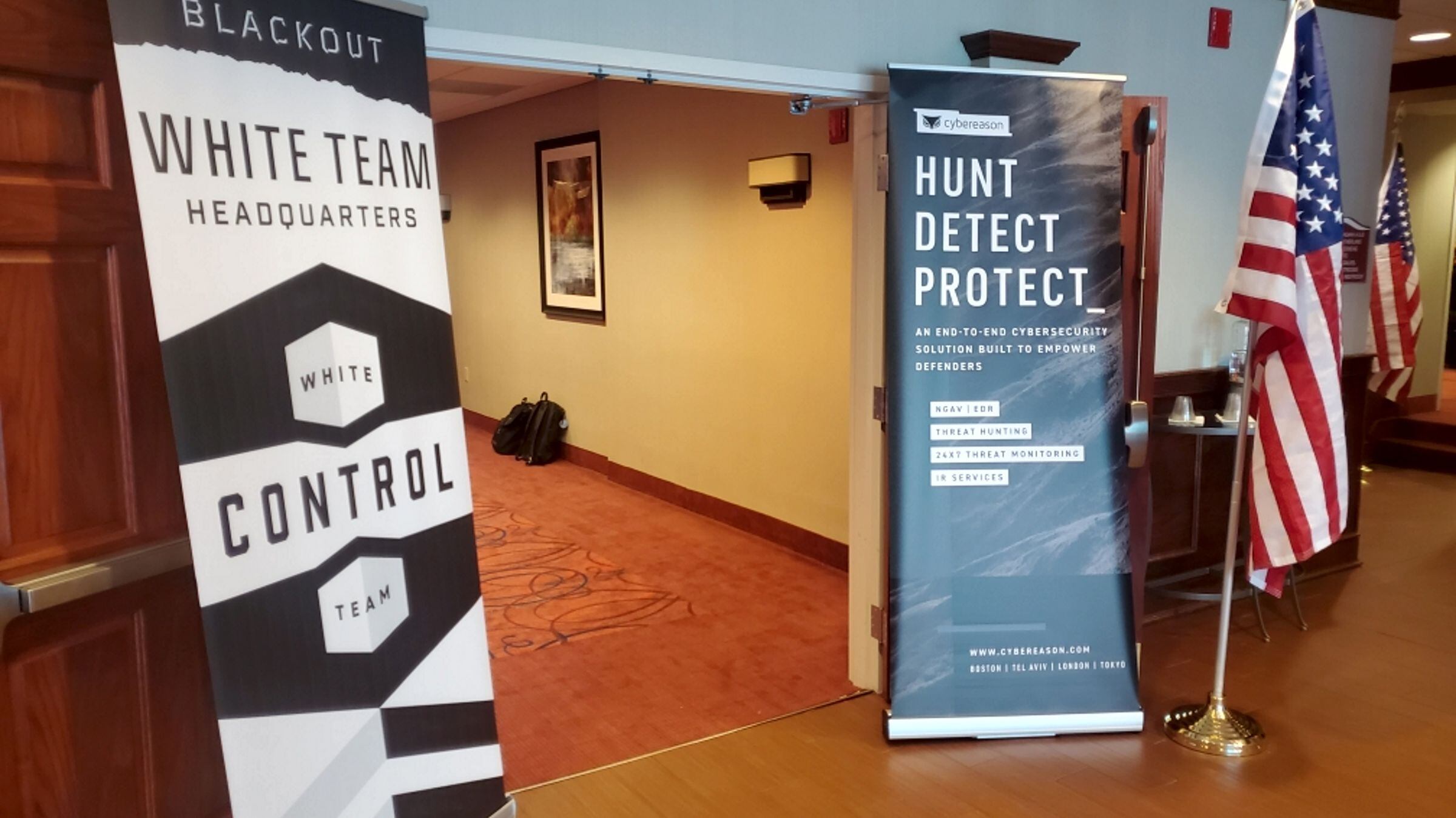
Cybereason's Chief Information Security Officer Israel Barak discussed with Cheddar about preparing for beyond the standard fears of hacking votes.
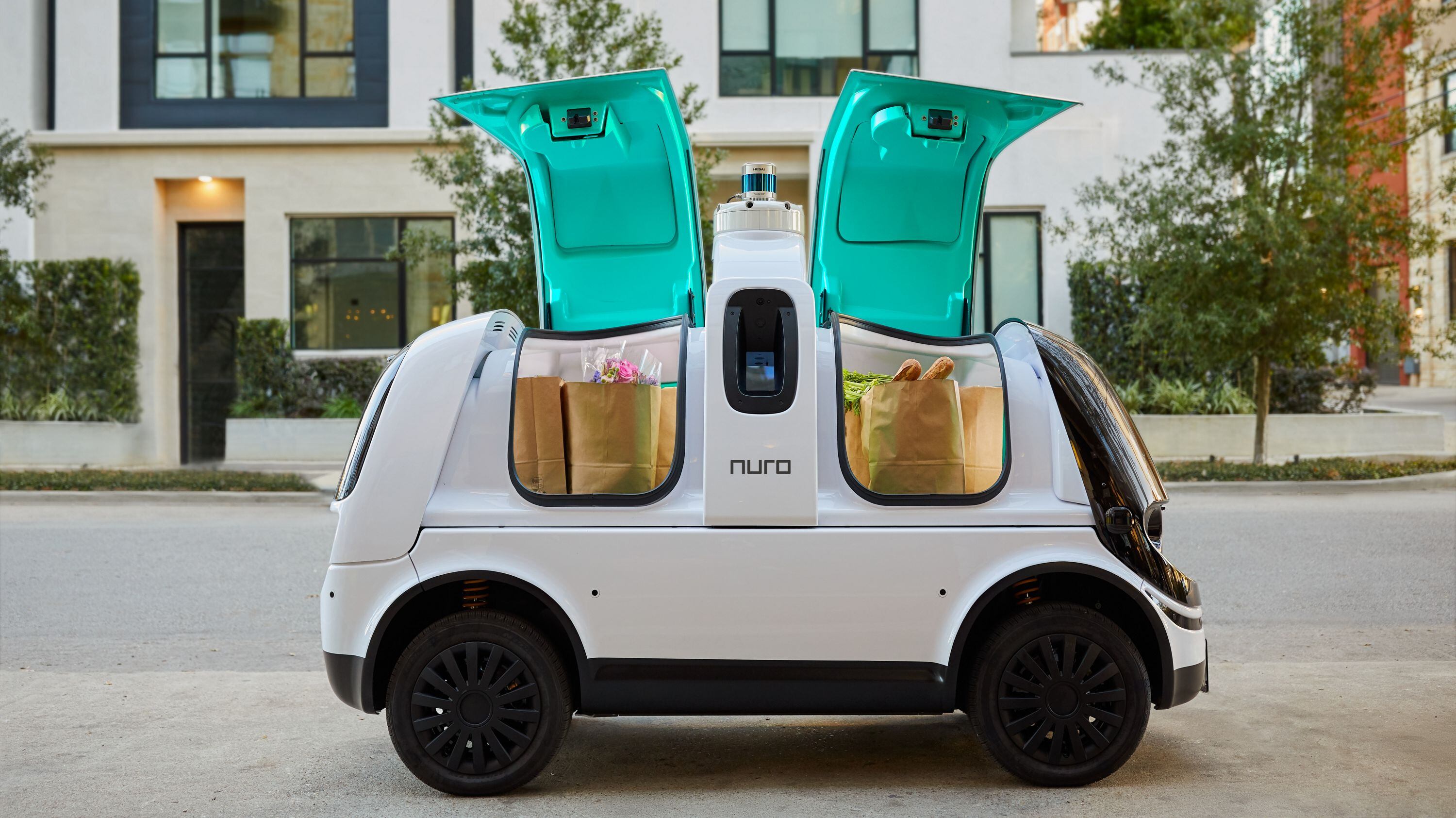
The exemption granted by the Department of Transportation allows the company to introduce its second-generation vehicle lacking a steering wheel, transparent windshield, mirrors, and gas and brake pedals.
COO Matt Bromberg discussed with Cheddar how more engaged players also mean more spending in an industry that relies on microtransactions within free-to-play games.
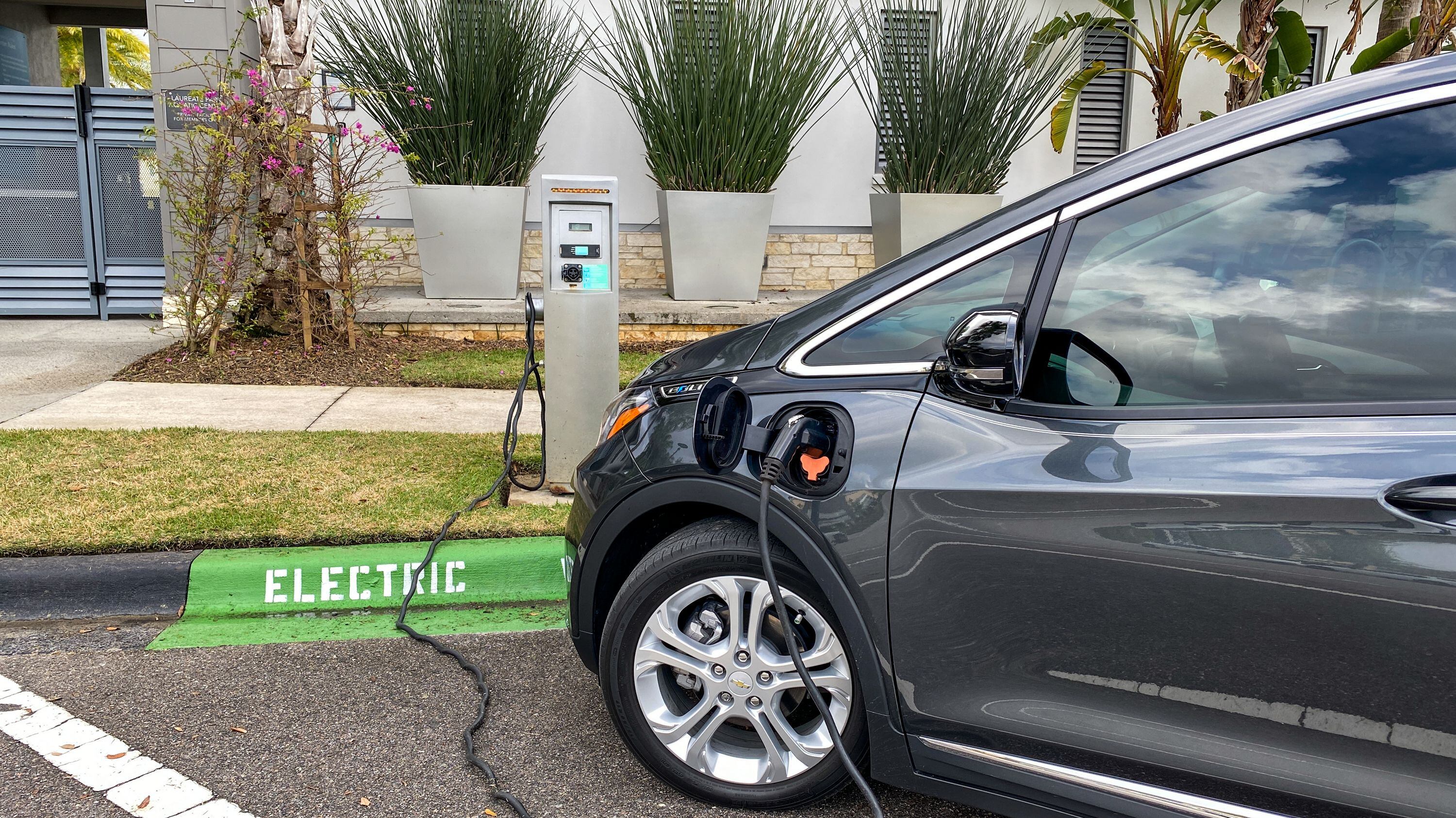
The auto giant's first chief sustainability officer, Dane Parker, says he sees electric vehicles overtaking combustion engine cars as overwhelmingly as cars overtook the horse and buggy.
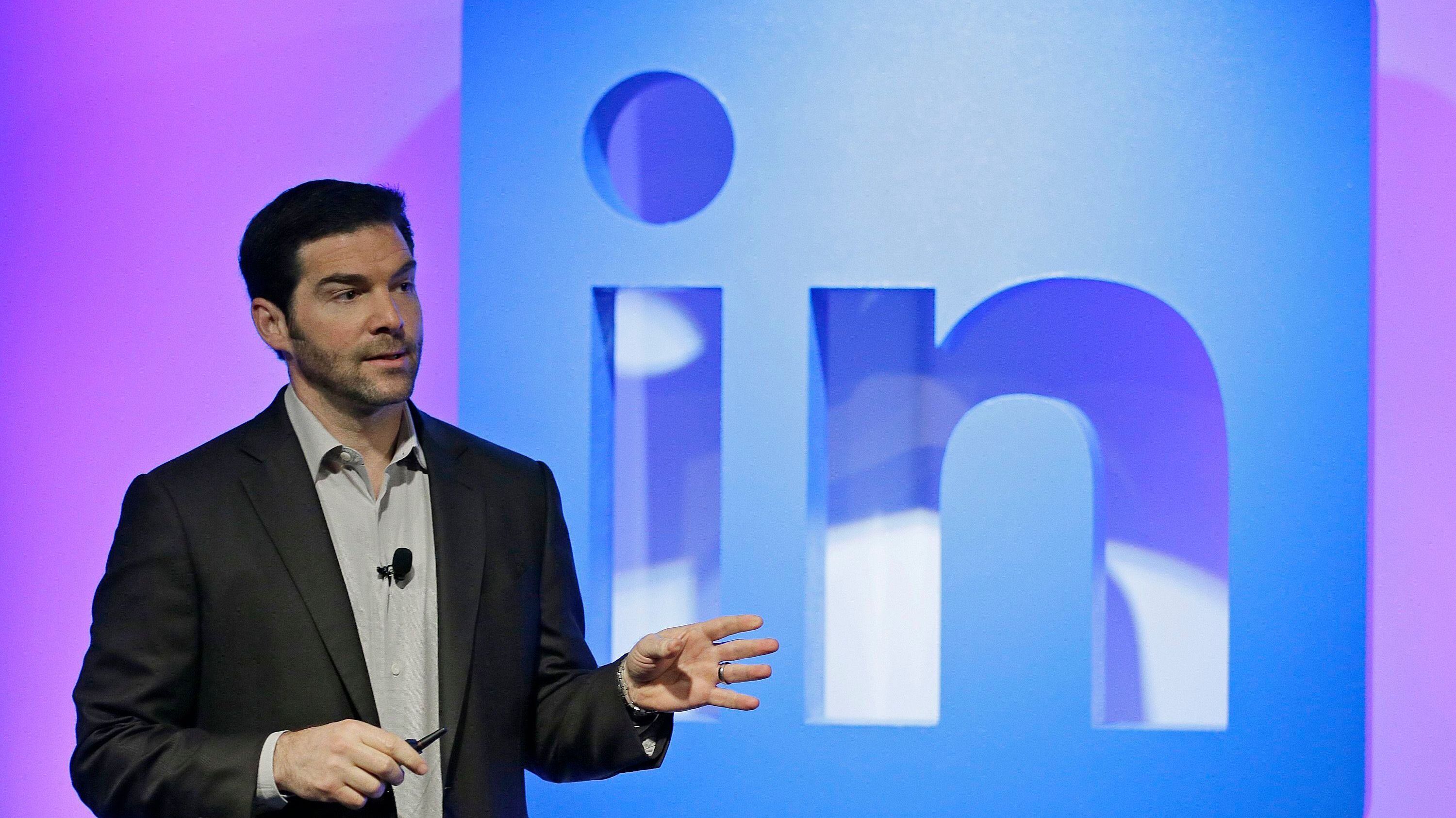
Jeff Weiner will become executive chairman after 11 years as CEO of the Microsoft-owned business. Ryan Roslansky, senior vice president of product, will become CEO as of June 1.
Adjusted for one-time items, earnings came to $1.53 per share. Analysts polled by FactSet expected earnings of $1.46. Revenue rose 36% to $20.9 billion. Wall Street expected revenue of $20.7 billion. Disney shares rose 1.2% in after-hours trading to $146.50.