The power of A.I. can reach deeper than just recommending which show to binge on Netflix. It can also be used to analyze millions of images to predict things like income, political leanings, and buying habits. Steve Lohr, Technology and Economics Reporter at The New York Times, joined us to discuss artificial intelligence's full potential when it comes to predictive analytics.
Lohr's recent piece in The New York Times highlights a Stanford study that used 50 million images from Google Street View to give a glimpse of A.I.'s ability to gather data. He explains that researchers identified 22 million cars to draw conclusions about information such as which political candidate a particular zip code favored. The project took just 2 weeks to classify all the cars. In his piece, Lohr points out that without the help of AI, it would take human experts over 15 years to accomplish that task.
This type of data collection raises concerns over privacy and issues of data access. He says most of predictive analysis has been used for commercial purposes and selling products. The use of data becomes scary when it becomes integrated into decisions such as hiring, he says, because the mistakes become more costly.
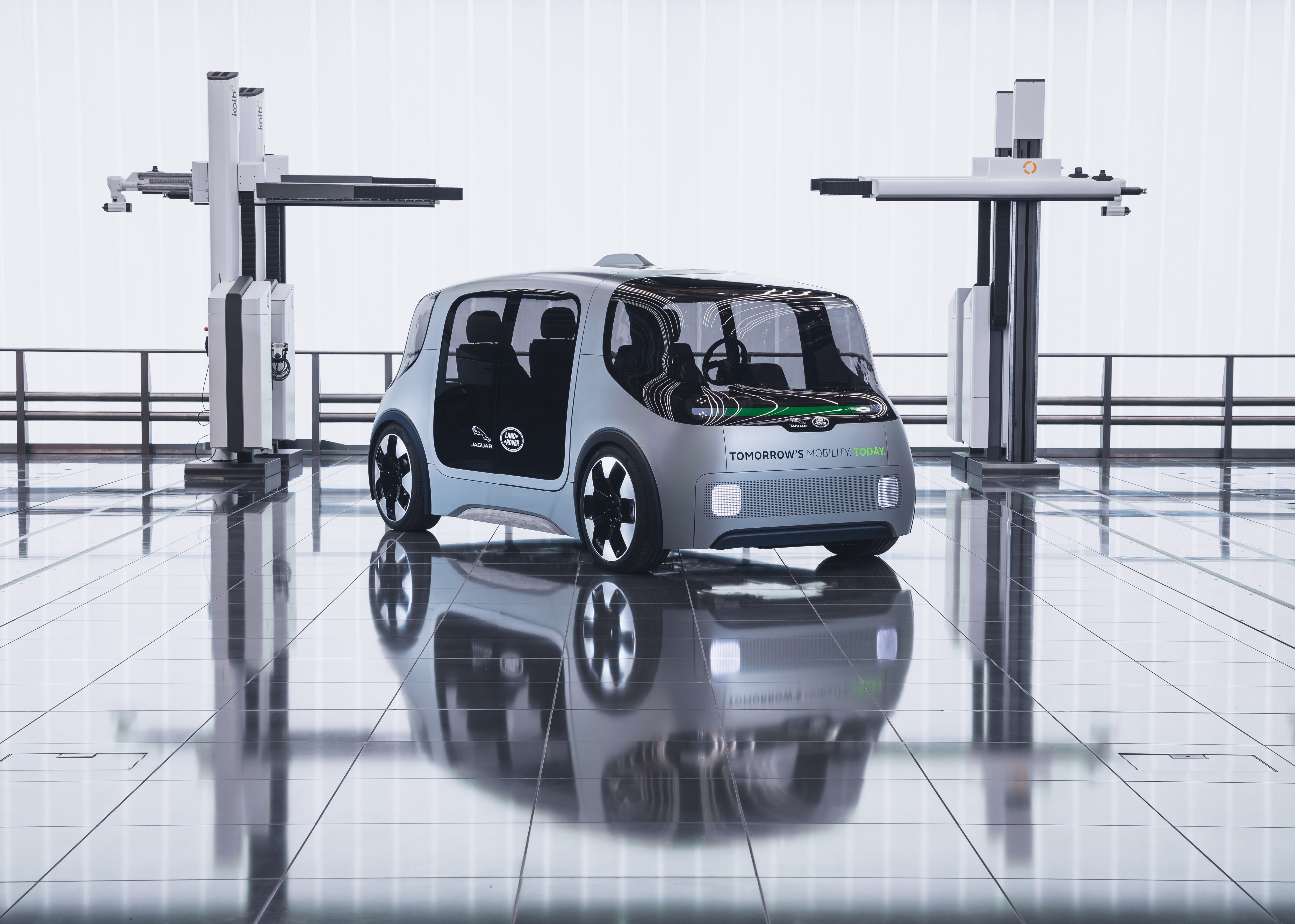
Project Vector is not a new car model but rather a multi-use design that could serve as the bones for future electric vehicles with a variety of personal and commercial uses.
The New York City-based startup's biggest targets are companies looking to provide supplemental benefits to employees — a segment that it hopes will grow as the business world becomes more responsive to these kinds of health needs.
At a closed-door gathering in the nation’s capital last month, representatives from close to two-dozen renewable energy, electric vehicle, and environmental advocacy organizations began the early stages of handicapping which Republican senators might be willing to join Democrats in supporting lucrative tax credits for the various green sectors – most of which were axed at the last minute late last year.
From Wall Street to Silicon Valley, these are the top stories that moved markets and had investors, business leaders, and entrepreneurs talking this week on Cheddar.
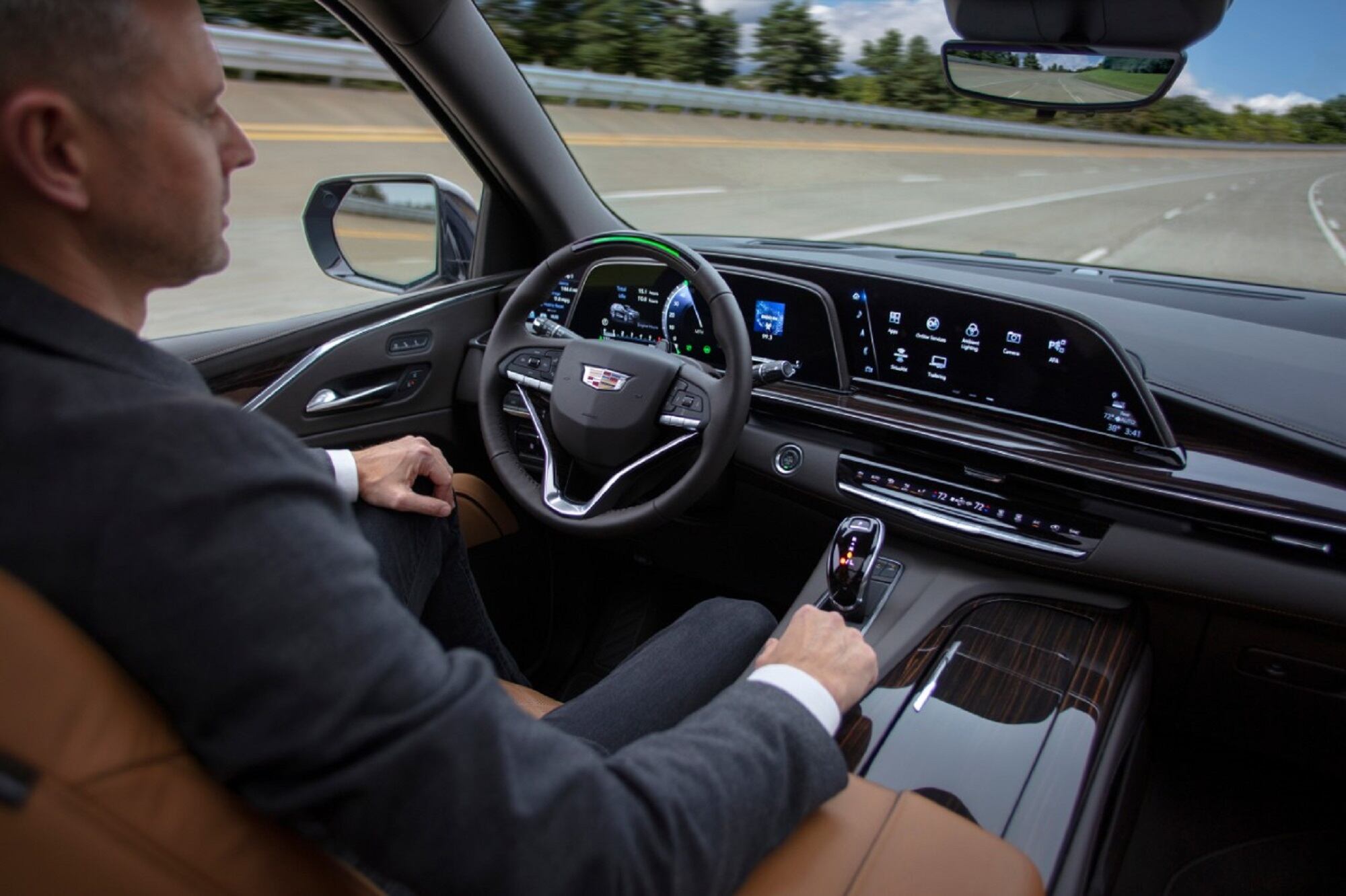
The feature is called Super Cruise and fully controls acceleration and braking when enabled. It can also automatically change lanes by activating a turn signal stalk in either direction.
Upheaval European energy companies may offer warning signs about just how much, or how little, disruption shareholders will be willing to tolerate.
The former NYC mayor tried something different in the Democratic primary race so far, pushing memes on Instagram that left some potential voters and experts scratching their heads.
Satellite radio giant Sirius XM has invested $75 million in SoundCloud, the music streaming and distribution platform known for its popularity among new artists.
Former champ De La Hoya has his sights set on a big win for the up-and-coming star Ryan Garcia in his Valentine's Day fight against Francisco Fonseca.
Three-in-ten U.S. adults have used an online dating service at some point in their lives, according to a new report from the Pew Research Center, which conducted the study in October.