The power of A.I. can reach deeper than just recommending which show to binge on Netflix. It can also be used to analyze millions of images to predict things like income, political leanings, and buying habits. Steve Lohr, Technology and Economics Reporter at The New York Times, joined us to discuss artificial intelligence's full potential when it comes to predictive analytics.
Lohr's recent piece in The New York Times highlights a Stanford study that used 50 million images from Google Street View to give a glimpse of A.I.'s ability to gather data. He explains that researchers identified 22 million cars to draw conclusions about information such as which political candidate a particular zip code favored. The project took just 2 weeks to classify all the cars. In his piece, Lohr points out that without the help of AI, it would take human experts over 15 years to accomplish that task.
This type of data collection raises concerns over privacy and issues of data access. He says most of predictive analysis has been used for commercial purposes and selling products. The use of data becomes scary when it becomes integrated into decisions such as hiring, he says, because the mistakes become more costly.
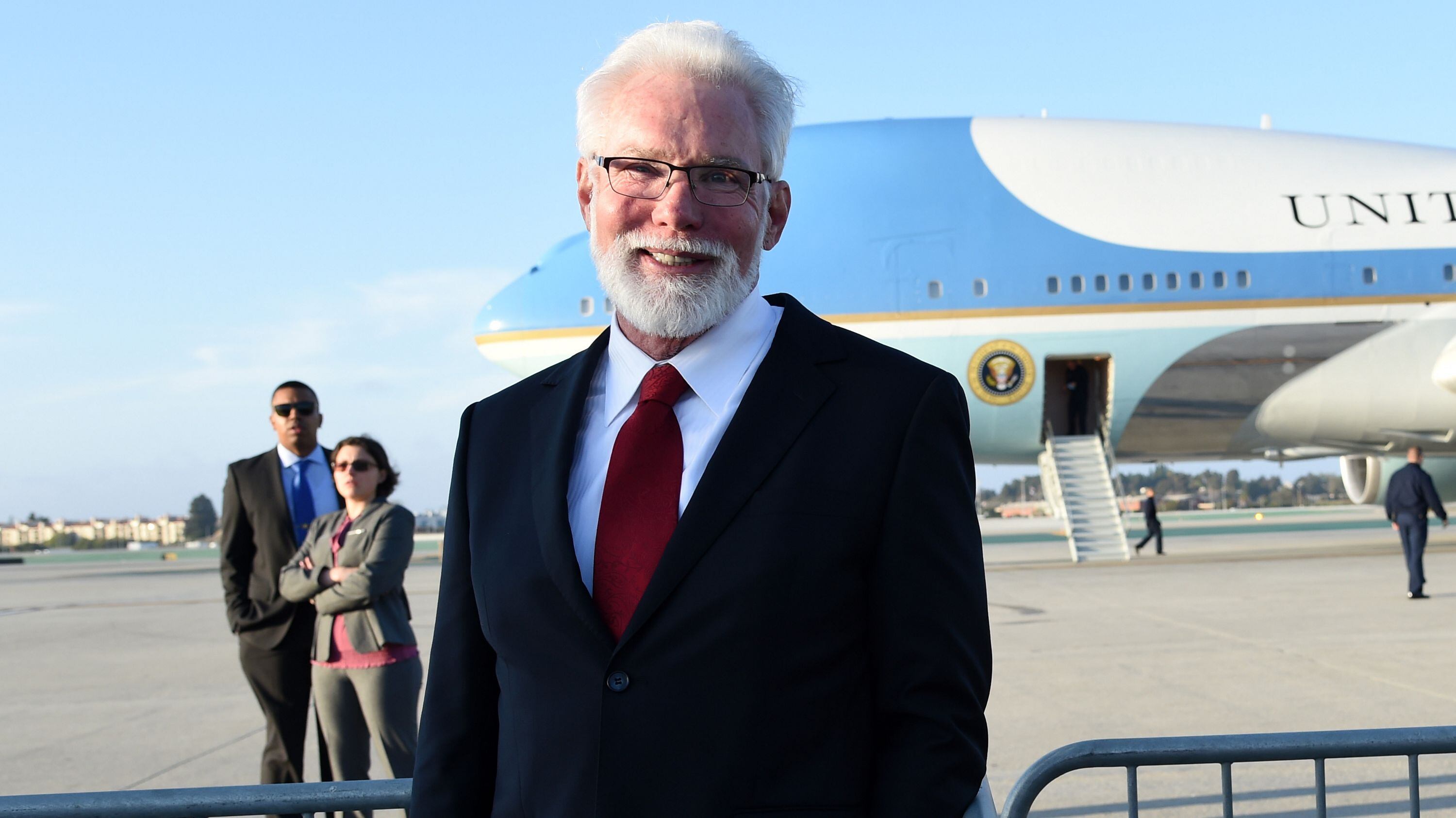
A city of about 150,000 just in northern Los Angeles County is preparing for the spread of the novel coronavirus by teaming up with the local aerospace companies to create ventilator substitutes and preparing an ordinance that would require wearing masks, according to Mayor R. Rex Parris.
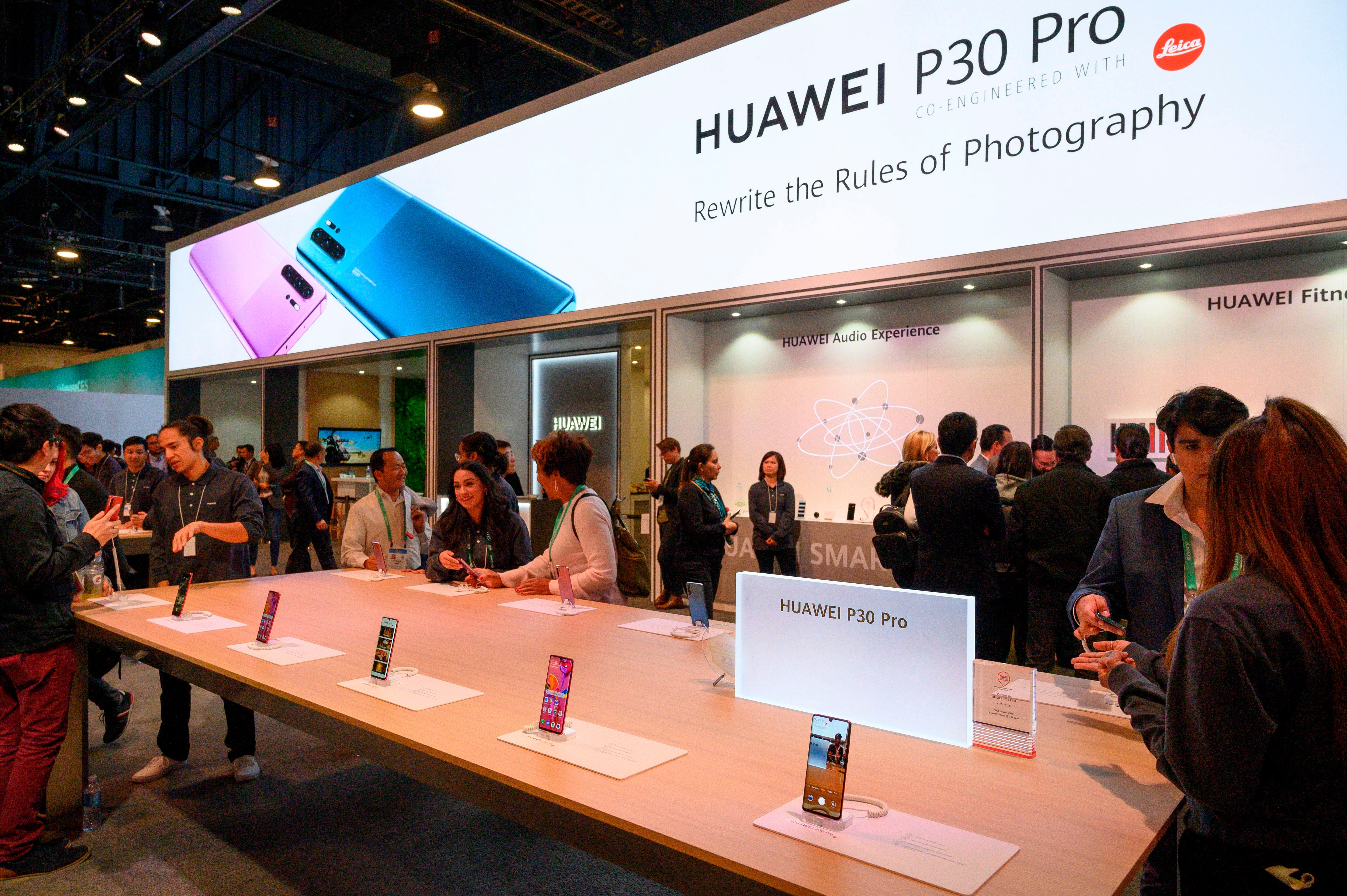
The world’s biggest telecom equipment provider is now seeing more growth from its consumer handset business.
The president took to Twitter last Friday and unleashed a furious series of attacks at GM and its chairman and CEO, Mary Barra, leaving company executives, officials inside the White House, and employees at a nonprofit who had helped broker the partnership between GM and Ventec flabbergasted.
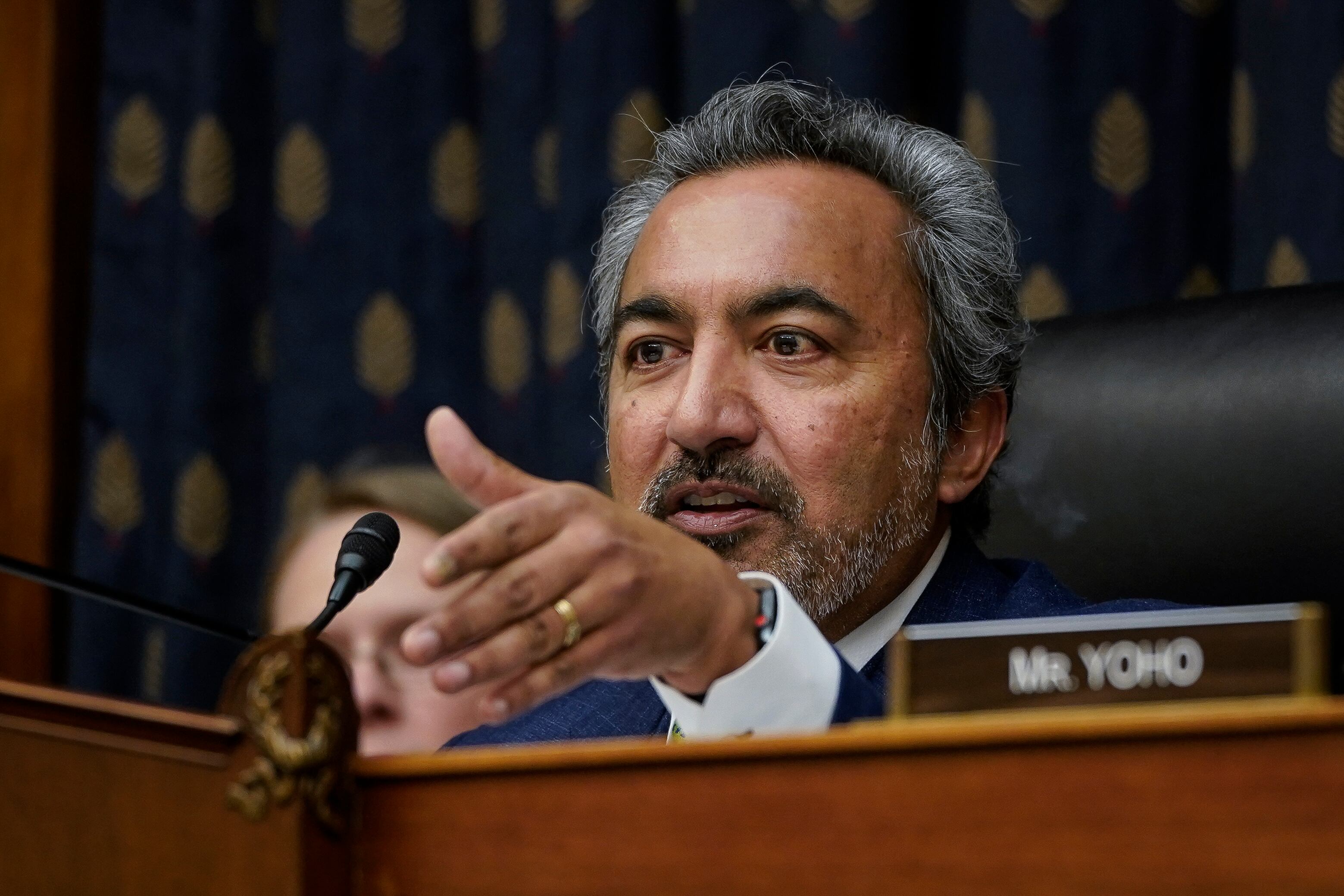
California Rep. Ami Bera wants to see more federal control over things like purchasing and stockpiling medical supplies to meet the needs of the coronavirus pandemic.
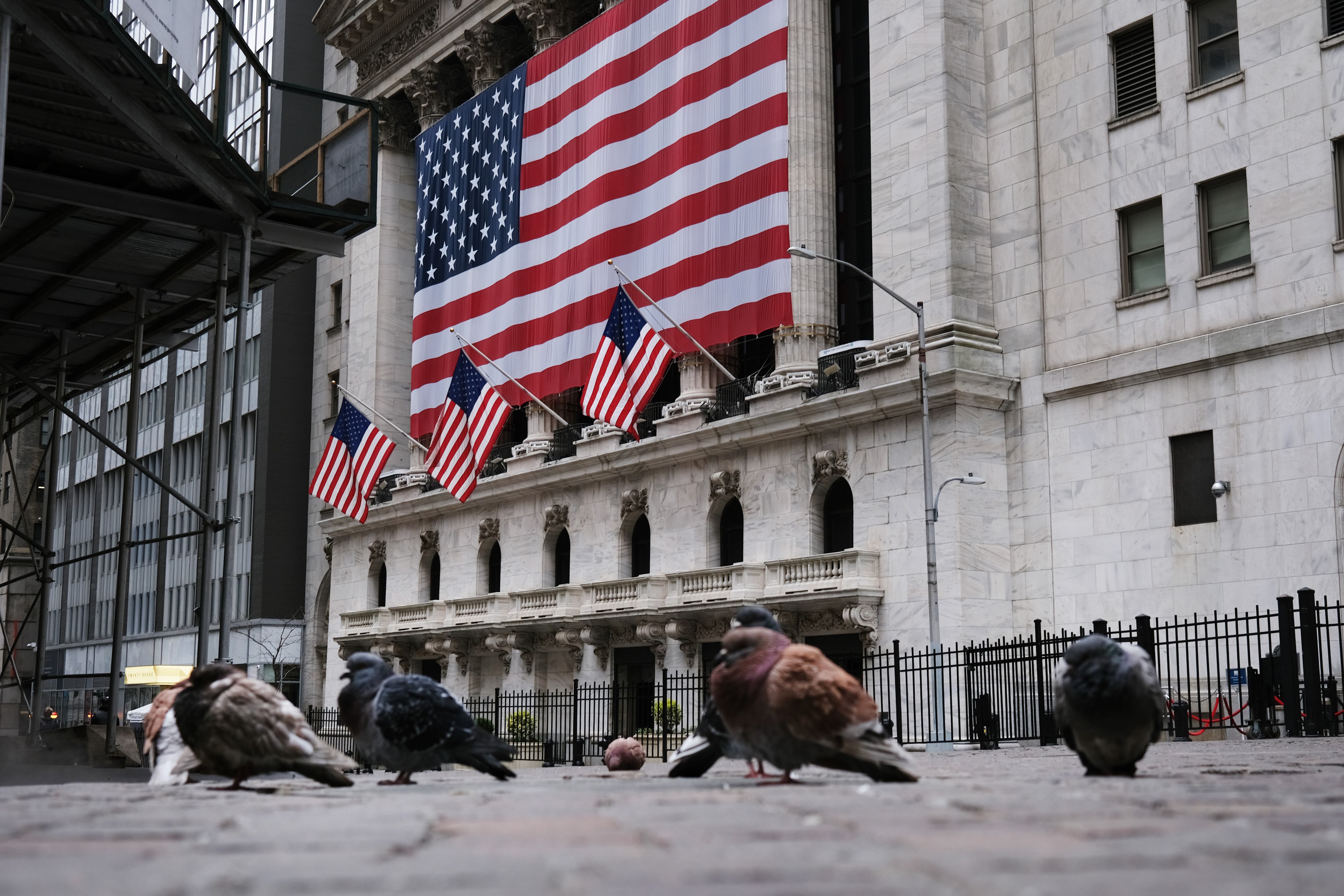
Stocks are pushing higher on Wall Street, led by big gains for health care companies announcing developments that could aid in the coronavirus outbreak.
Dr. Christopher Wiles, a resident physician at the University of Connecticut, is turning his hobby into a potential way to offset a shortage of personal protective equipment in hospitals dealing with COVID-19.
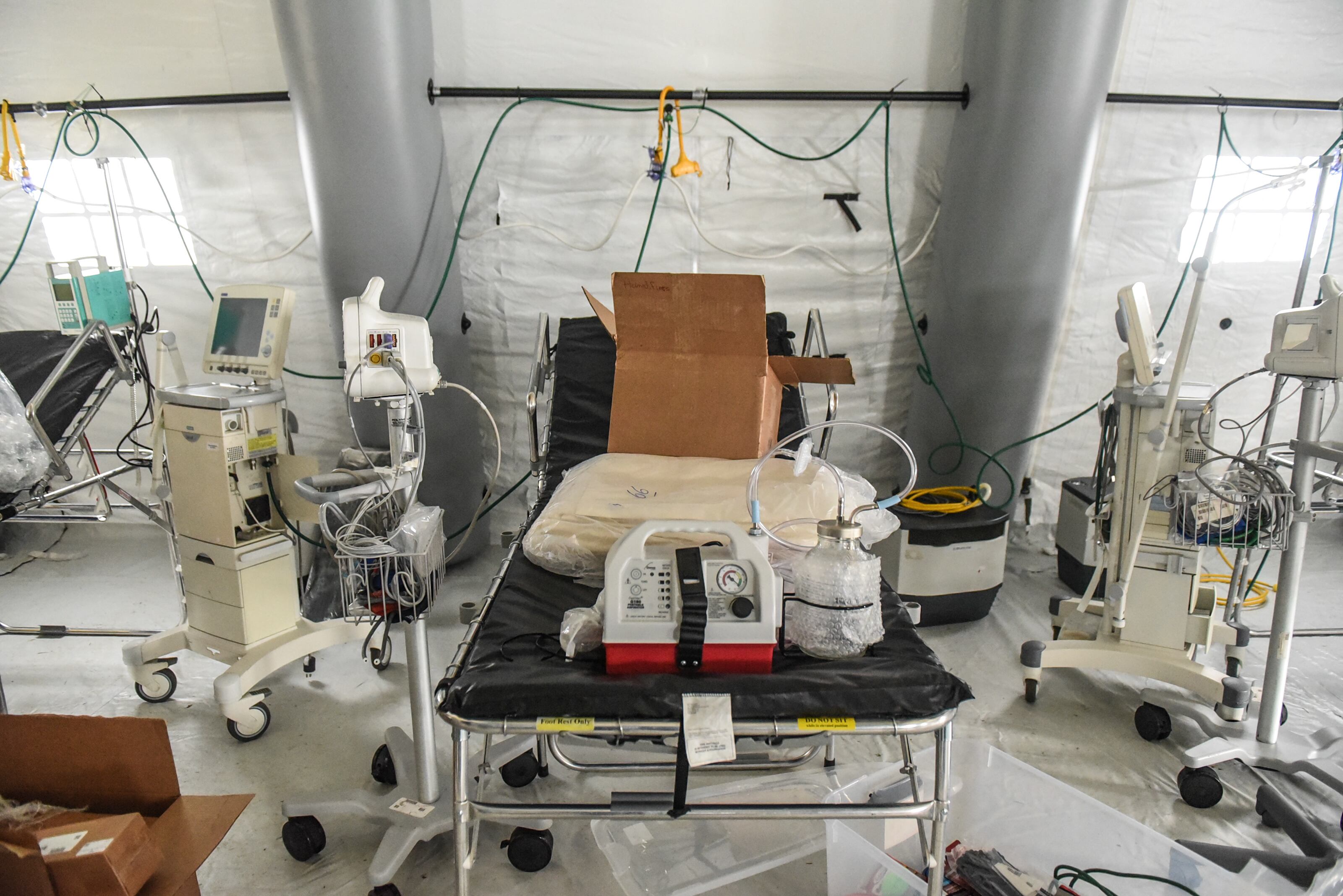
Trump said that the order will “require General Motors to accept, perform, and prioritize Federal contracts for ventilators." In a statement, he said the contracting process with the automaker was not moving quickly enough.
From Wall Street to Silicon Valley, these are the top stories that moved markets and had investors, business leaders, and entrepreneurs talking this week on Cheddar.
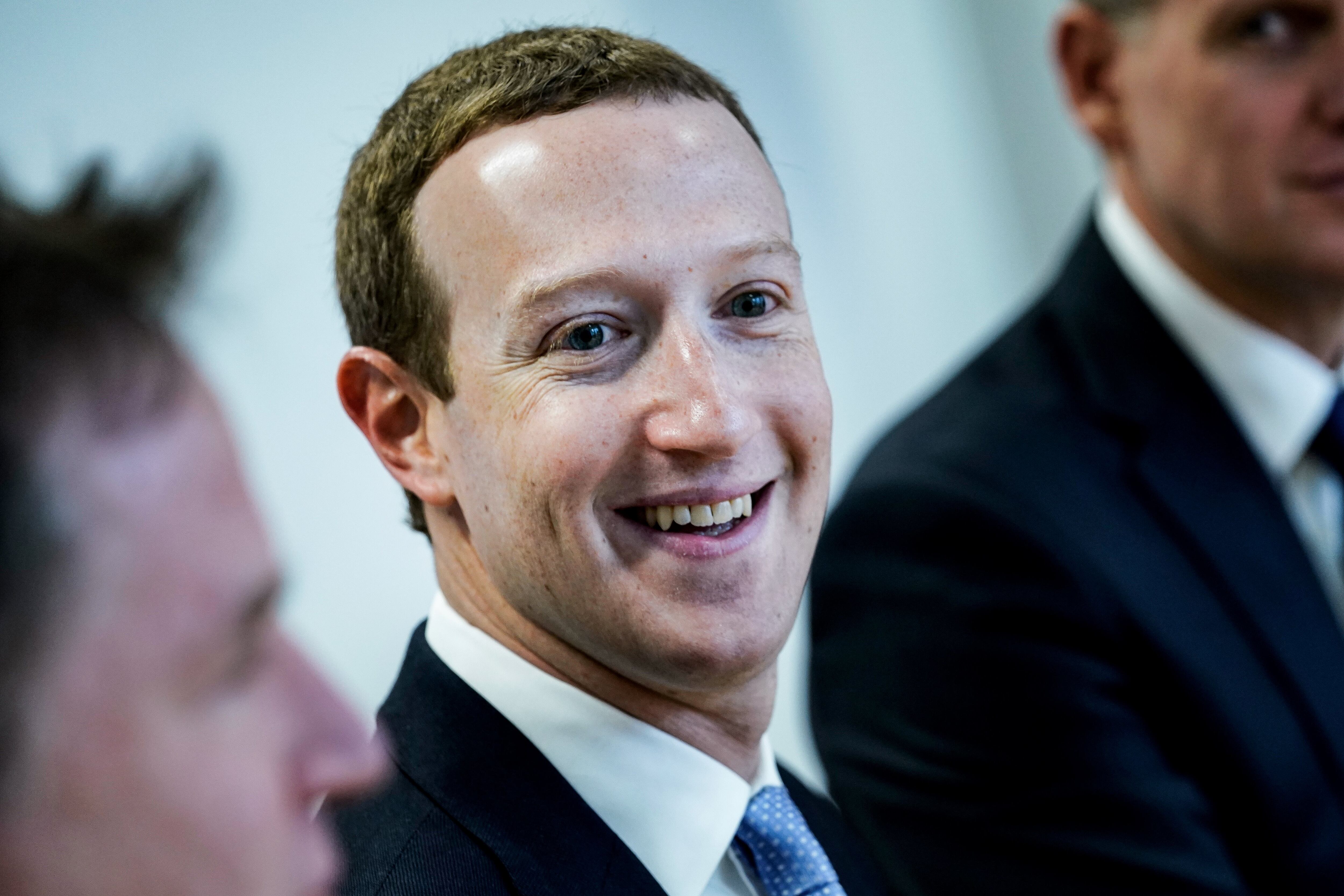
Mark Zuckerberg and his wife Priscilla Chan have donated $25 million through their foundation to a philanthropic effort organized by Bill Gates to explore new coronavirus treatments.
Healthcare workers have launched their own campaigns for gathering personal protective equipment as they fight the coronavirus on the frontlines, with #GetUsPPE trending across social media.