The power of A.I. can reach deeper than just recommending which show to binge on Netflix. It can also be used to analyze millions of images to predict things like income, political leanings, and buying habits. Steve Lohr, Technology and Economics Reporter at The New York Times, joined us to discuss artificial intelligence's full potential when it comes to predictive analytics.
Lohr's recent piece in The New York Times highlights a Stanford study that used 50 million images from Google Street View to give a glimpse of A.I.'s ability to gather data. He explains that researchers identified 22 million cars to draw conclusions about information such as which political candidate a particular zip code favored. The project took just 2 weeks to classify all the cars. In his piece, Lohr points out that without the help of AI, it would take human experts over 15 years to accomplish that task.
This type of data collection raises concerns over privacy and issues of data access. He says most of predictive analysis has been used for commercial purposes and selling products. The use of data becomes scary when it becomes integrated into decisions such as hiring, he says, because the mistakes become more costly.
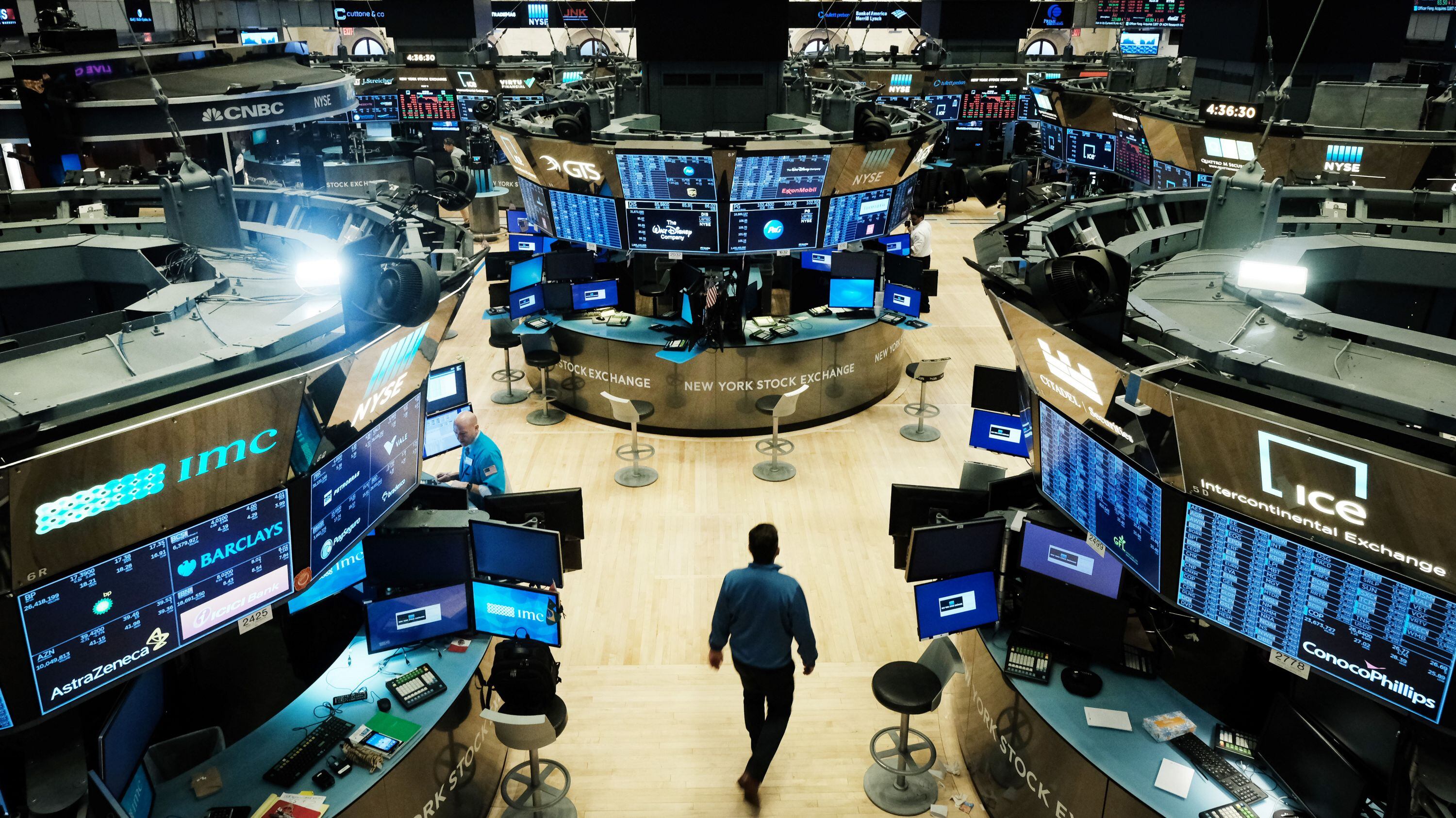
While the New York Stock Exchange isn't sure when it will reopen, its COO Michael Blaugrund said the exchange is already looking at how it will and why humans in the building may be so important to the trading mix.
Bala Ganesh, VP of UPS Advanced Technology Group, told Cheddar Thursday that the shipping and pharmacy companies worked closely with the Federal Aviation Administration to get the drone deliveries up and running.
NASA Administrator Jim Bridenstine announced Thursday the three companies that will develop, build and fly lunar landers, with the goal of returning astronauts to the moon in 2024 and ultimately on to Mars.
The Motion Picture Academy bends the rules for streaming movies this year to qualify for Oscars amid the coronavirus, but large theater changes push back against studios that want to release their films online breaking theater exclusivity even after the pandemic ends.
The spotlight is still on Quibi, which just launched on April 6 in the middle of the pandemic. Its Daily Essentials provides bite-sized chunks of news and lifestyle topics.
Sarah Cooper, the performer behind the viral video, talked to Cheddar Wednesday about why she chose to riff on the POTUS.
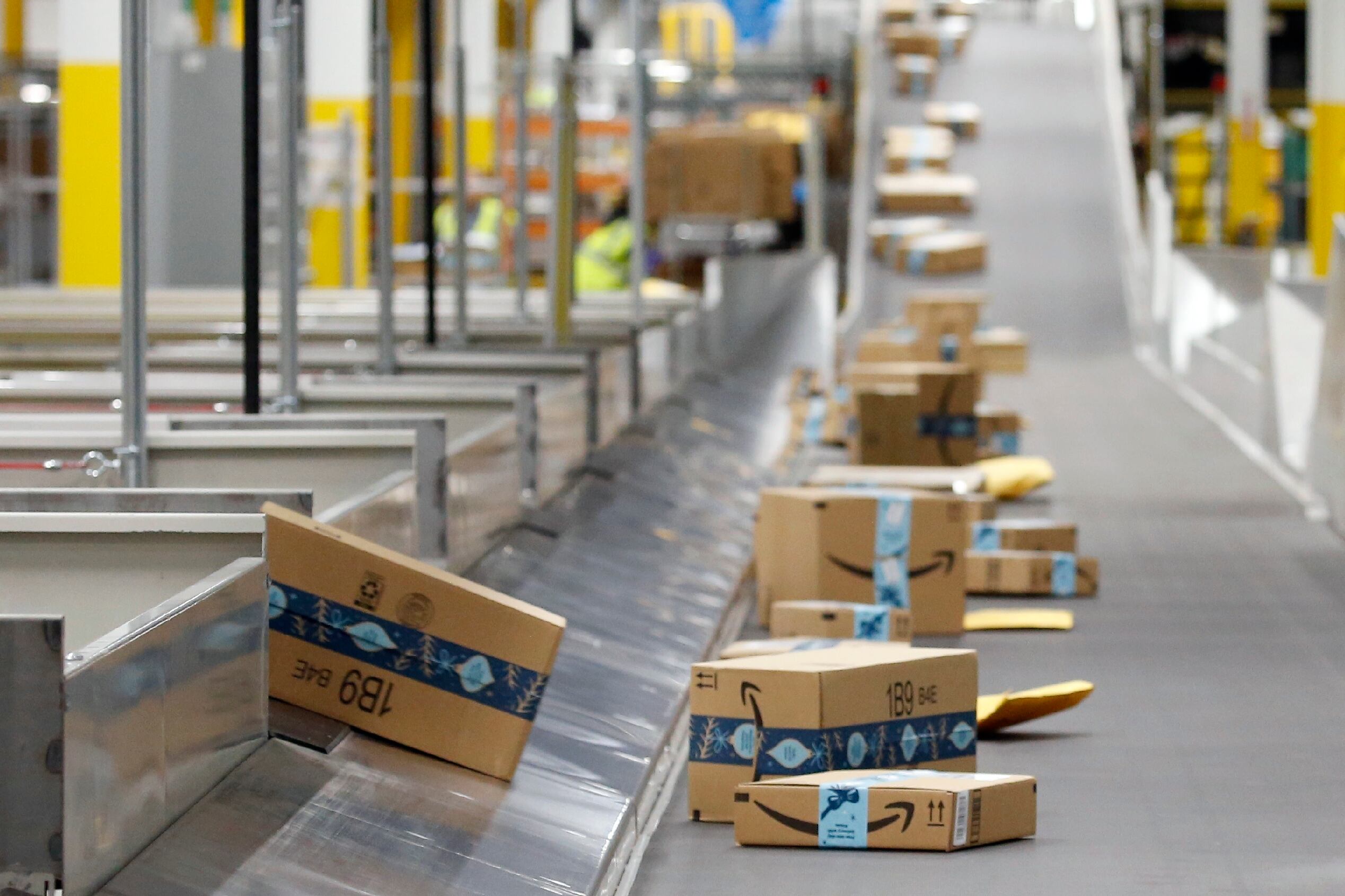
Some Amazon workers, members of a non-profit group focused on worker's rights called United For Respect, contend the $1.15 trillion company isn't doing enough to protect them from the coronavirus.
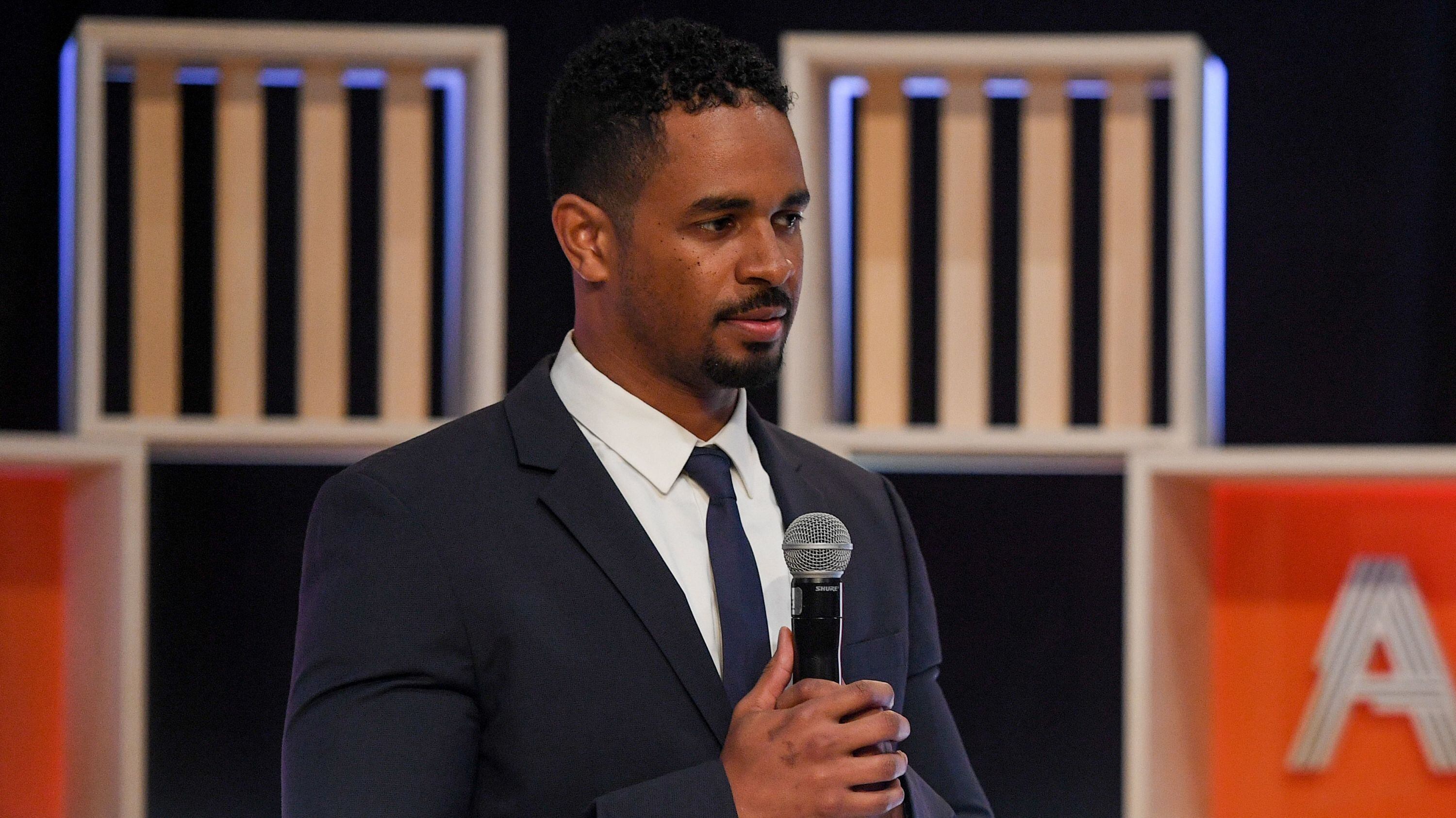
Damon Wayans Jr. and his business partner Kris Jones pivoted their Special Guest app, developed to book live entertainment, to
Neal Shapiro, president of the New York metro area public broadcasting station WNET, told Cheddar Monday that PBS stations are offering kids the tools to stay on track with their schooling via educational television.
From Wall Street to Silicon Valley, these are the top stories that moved markets and had investors, business leaders, and entrepreneurs talking this week on Cheddar.