The power of A.I. can reach deeper than just recommending which show to binge on Netflix. It can also be used to analyze millions of images to predict things like income, political leanings, and buying habits. Steve Lohr, Technology and Economics Reporter at The New York Times, joined us to discuss artificial intelligence's full potential when it comes to predictive analytics.
Lohr's recent piece in The New York Times highlights a Stanford study that used 50 million images from Google Street View to give a glimpse of A.I.'s ability to gather data. He explains that researchers identified 22 million cars to draw conclusions about information such as which political candidate a particular zip code favored. The project took just 2 weeks to classify all the cars. In his piece, Lohr points out that without the help of AI, it would take human experts over 15 years to accomplish that task.
This type of data collection raises concerns over privacy and issues of data access. He says most of predictive analysis has been used for commercial purposes and selling products. The use of data becomes scary when it becomes integrated into decisions such as hiring, he says, because the mistakes become more costly.
The social media giant has invested $40 million into small businesses across the country with 50 percent of it earmarked for small businesses owned by people of color, women, and veterans.
Roku CFO Steve Louden told Cheddar that the coroanvirus pandemic has only sped up the process of cord-cutting and new viewership on streaming platforms.
From Wall Street to Silicon Valley, these are the top stories that moved markets and had investors, business leaders, and entrepreneurs talking this week on Cheddar.
Alex Stamos, a security expert, spoke to Cheddar about how videoconferencing company Zoom is working toward improving security amid some challenges.
Dave Shull, TiVo CEO, told Cheddar on Thursday that the company has seen an increase in viewership amid the pandemic, which is why they were undaunted in releasing Stream 4K.
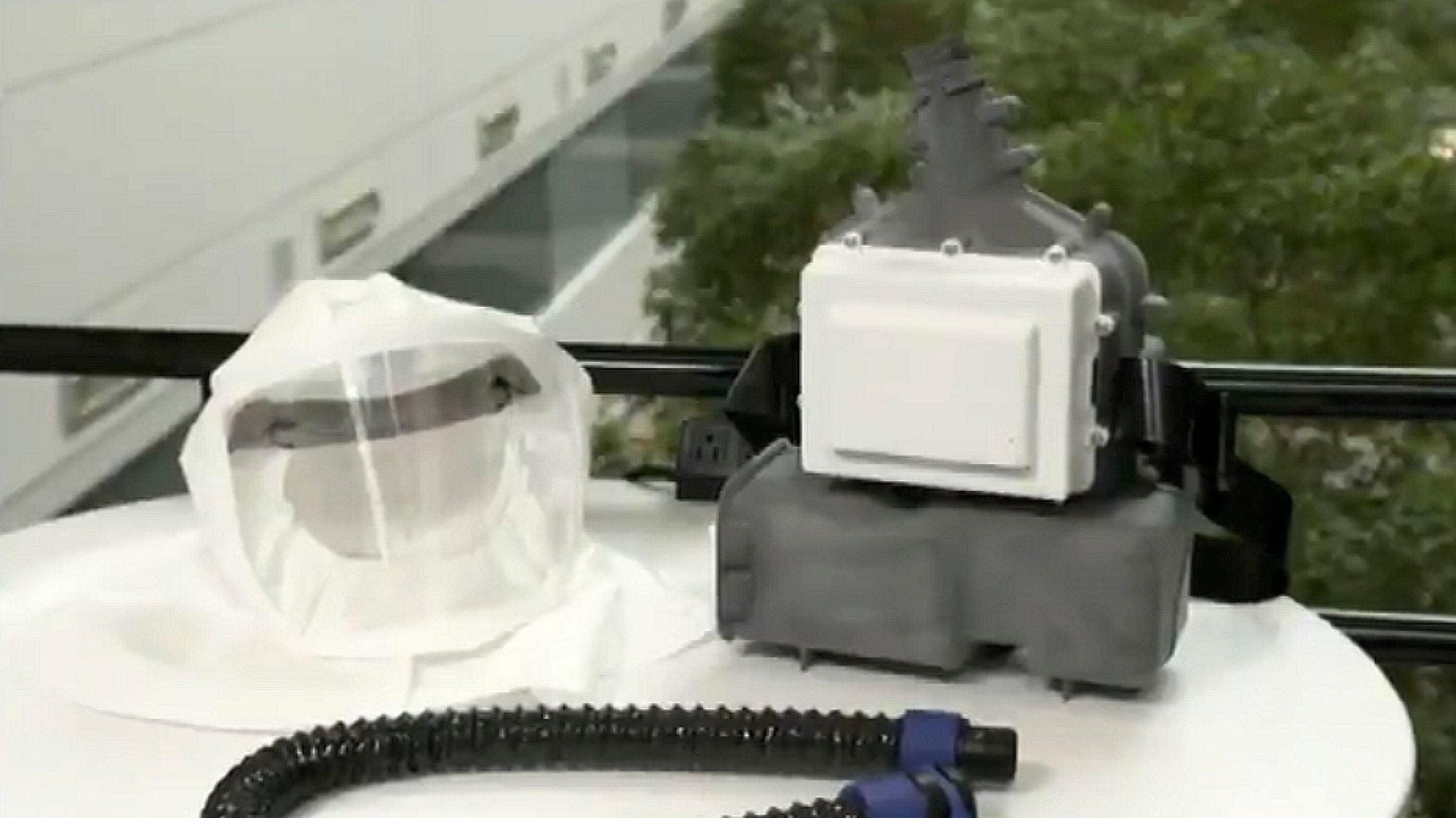
Jim Baumbick, vice president of enterprise product line management at Ford, told Cheddar on Wednesday that the company began shipping respirators to hospitals on Monday and has the capability of producing 12,000 units a week.
As governments around the world consider how to monitor new coronavirus outbreaks while reopening their societies, many are starting to bet on smartphone apps to help stanch the pandemic. But their decisions on which technologies to use — and how far those allow authorities to peer into private lives — are highlighting some uncomfortable trade-offs between protecting privacy and public health.
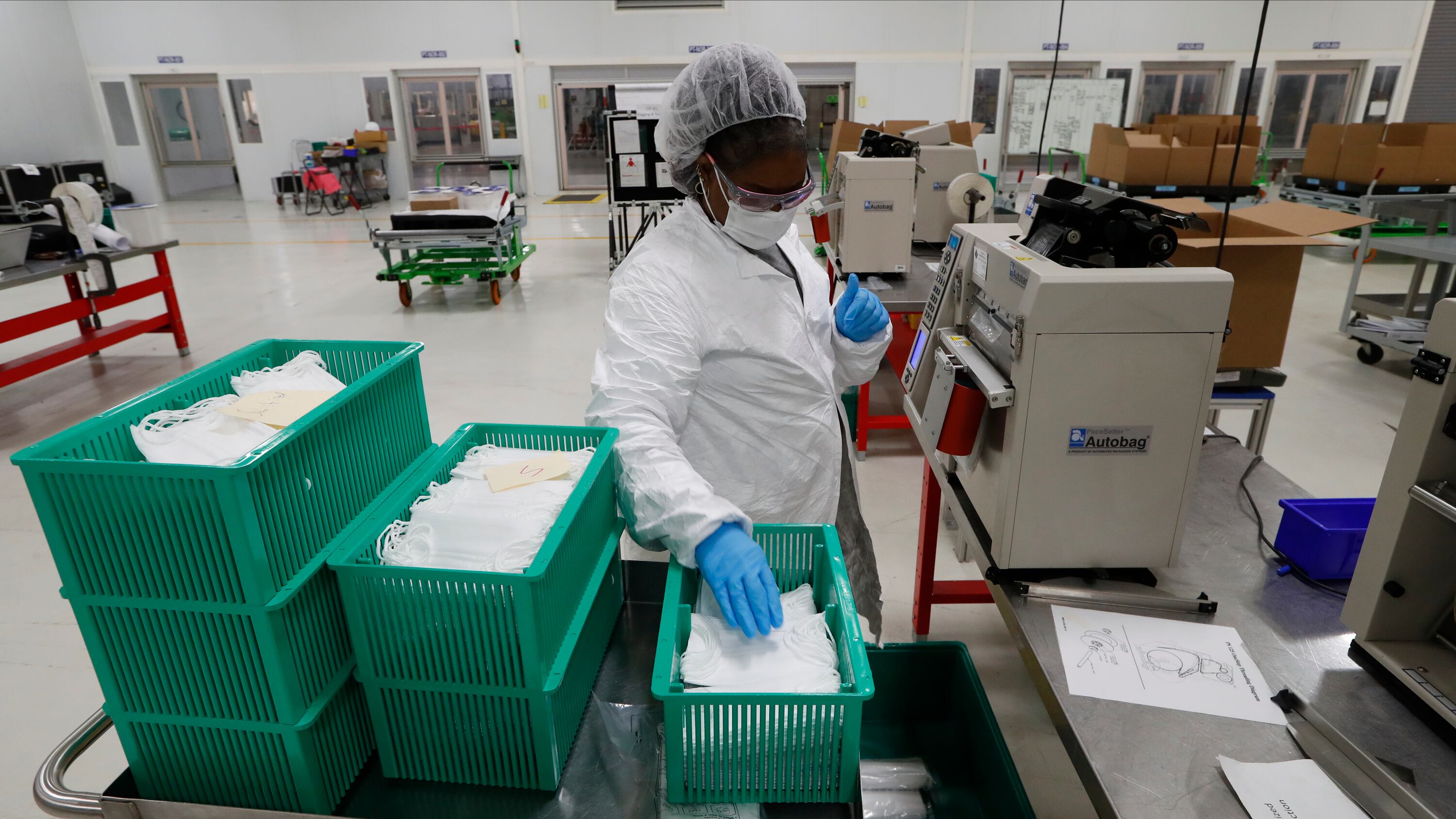
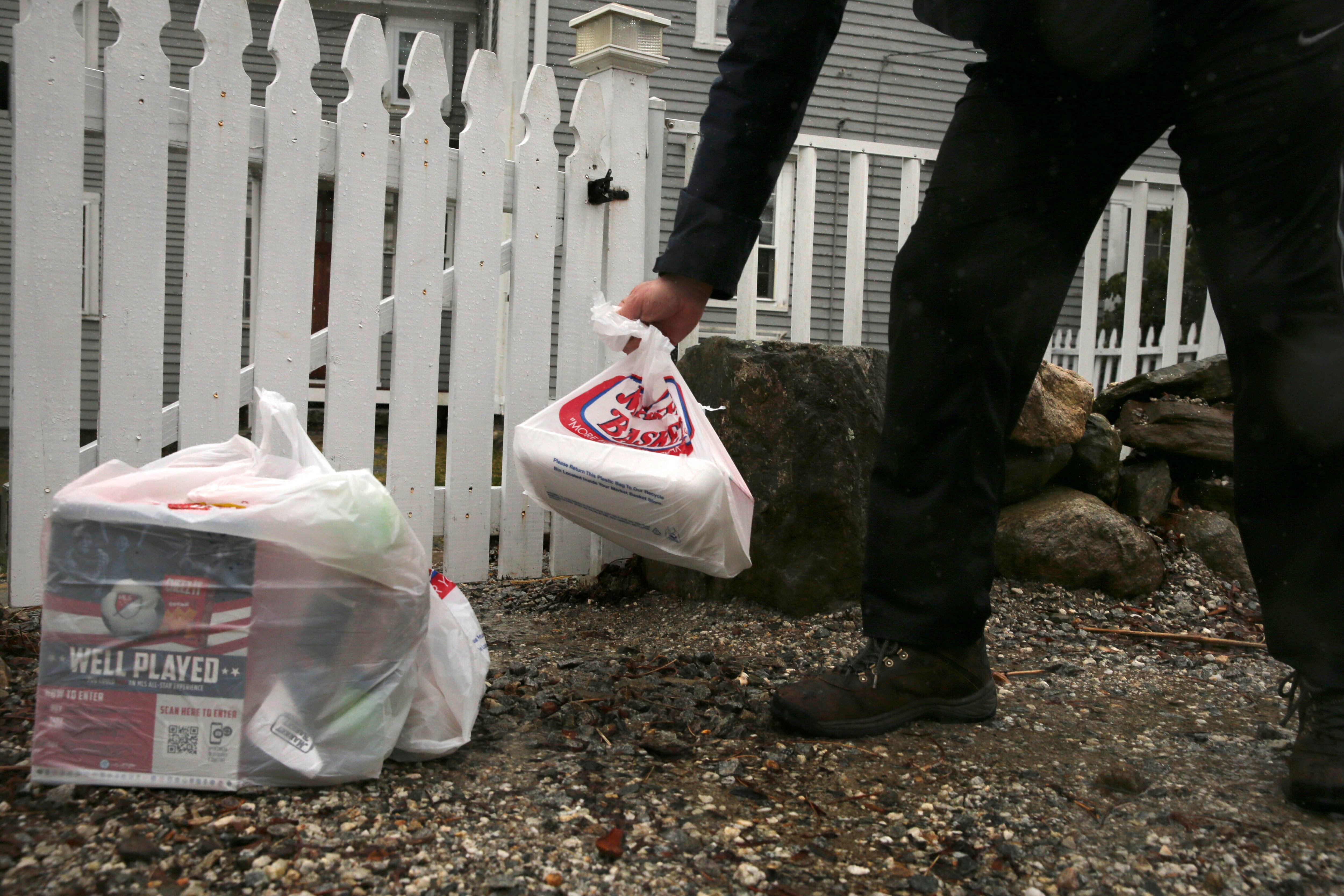
Companies across a wide swath of industries have found ways to give back to communities in their time of need amid the COVID-19 pandemic.
Workers from some of the biggest companies in the U.S. held walkouts or sick-outs on Friday in honor of May Day to pressure their employers to improve working conditions and pay amid the coronavirus pandemic.
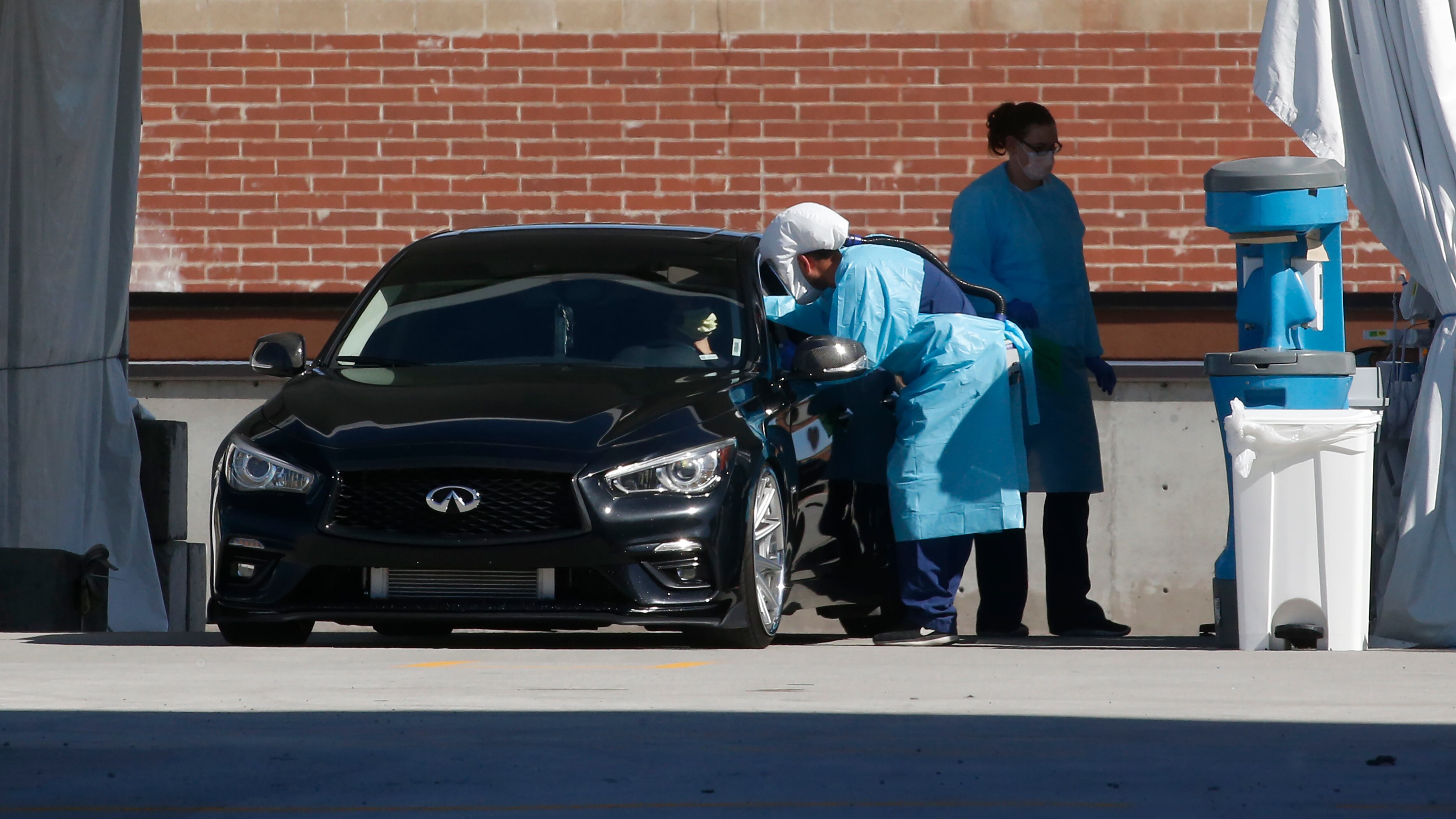
Utah's Lieutenant Governor Spencer Cox and Domo CEO Josh James joined Cheddar to discuss their partnership on testing for COVID-19.