The power of A.I. can reach deeper than just recommending which show to binge on Netflix. It can also be used to analyze millions of images to predict things like income, political leanings, and buying habits. Steve Lohr, Technology and Economics Reporter at The New York Times, joined us to discuss artificial intelligence's full potential when it comes to predictive analytics.
Lohr's recent piece in The New York Times highlights a Stanford study that used 50 million images from Google Street View to give a glimpse of A.I.'s ability to gather data. He explains that researchers identified 22 million cars to draw conclusions about information such as which political candidate a particular zip code favored. The project took just 2 weeks to classify all the cars. In his piece, Lohr points out that without the help of AI, it would take human experts over 15 years to accomplish that task.
This type of data collection raises concerns over privacy and issues of data access. He says most of predictive analysis has been used for commercial purposes and selling products. The use of data becomes scary when it becomes integrated into decisions such as hiring, he says, because the mistakes become more costly.
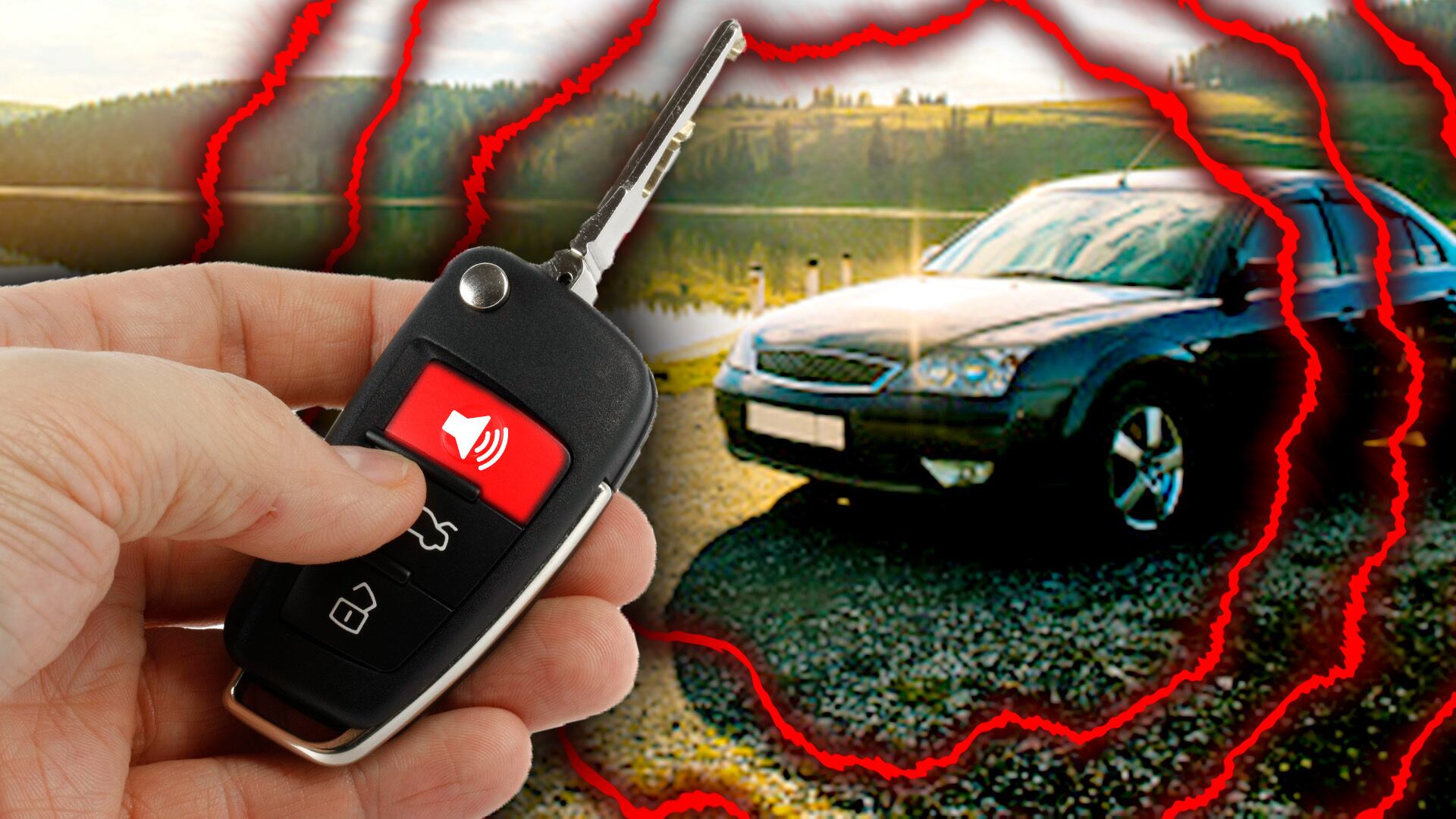
If you lived in a big city in the 90s, you're probably one of the unlucky people who was kept up at night on a regular basis by errant car alarms. But today, those in that same big city hear alarms far less often than you did. So where did car alarms go? How have they evolved, and did we ever need them to begin with?
The online used-car marketplace, Vroom, began trading on Nasdaq on Tuesday, doubling its IPO price.
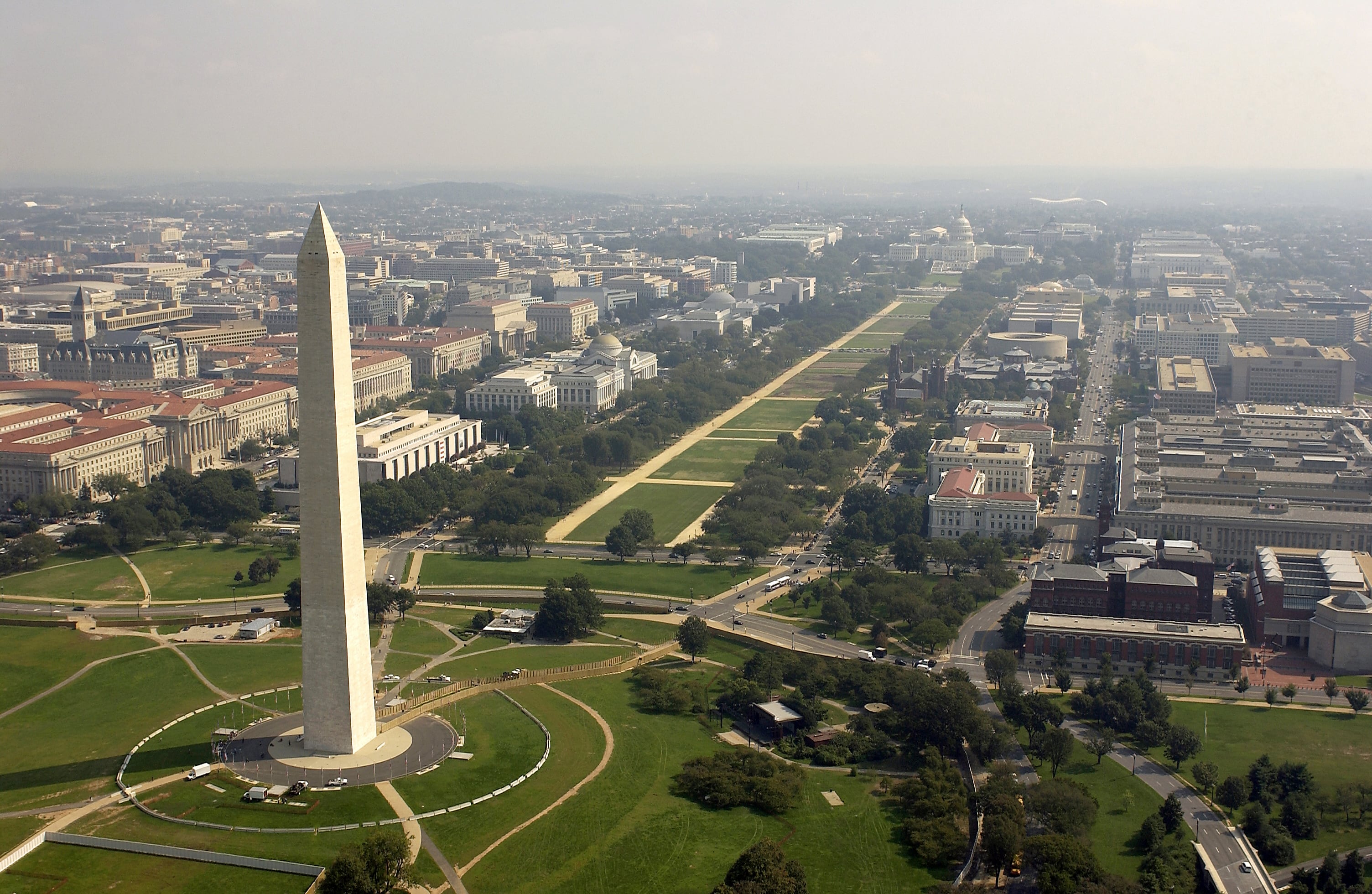
The skyline of Washington D.C. is stunted. You've probably heard that D.C. can't build skyscrapers taller than the U.S. Capital Building or the Washington Monument. But those are both myths from a bygone era. Cheddar tells the real story.
IBM says it is getting out of the facial recognition business over concern about how it can be used for mass surveillance and racial profiling.
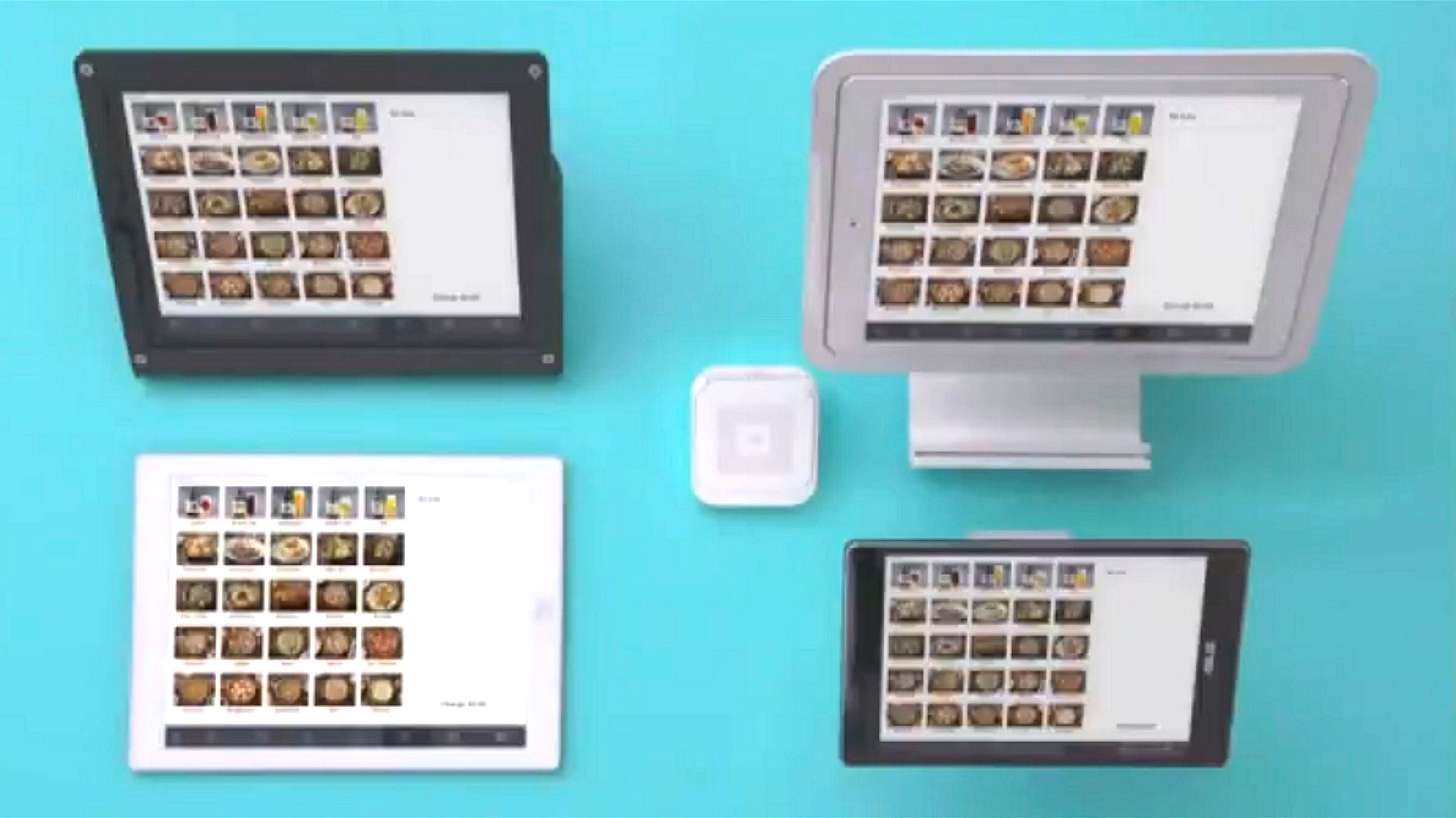
Contactless payments company Square has seen its clients forced to adapt to social distancing and stay-at-home orders with new technology.
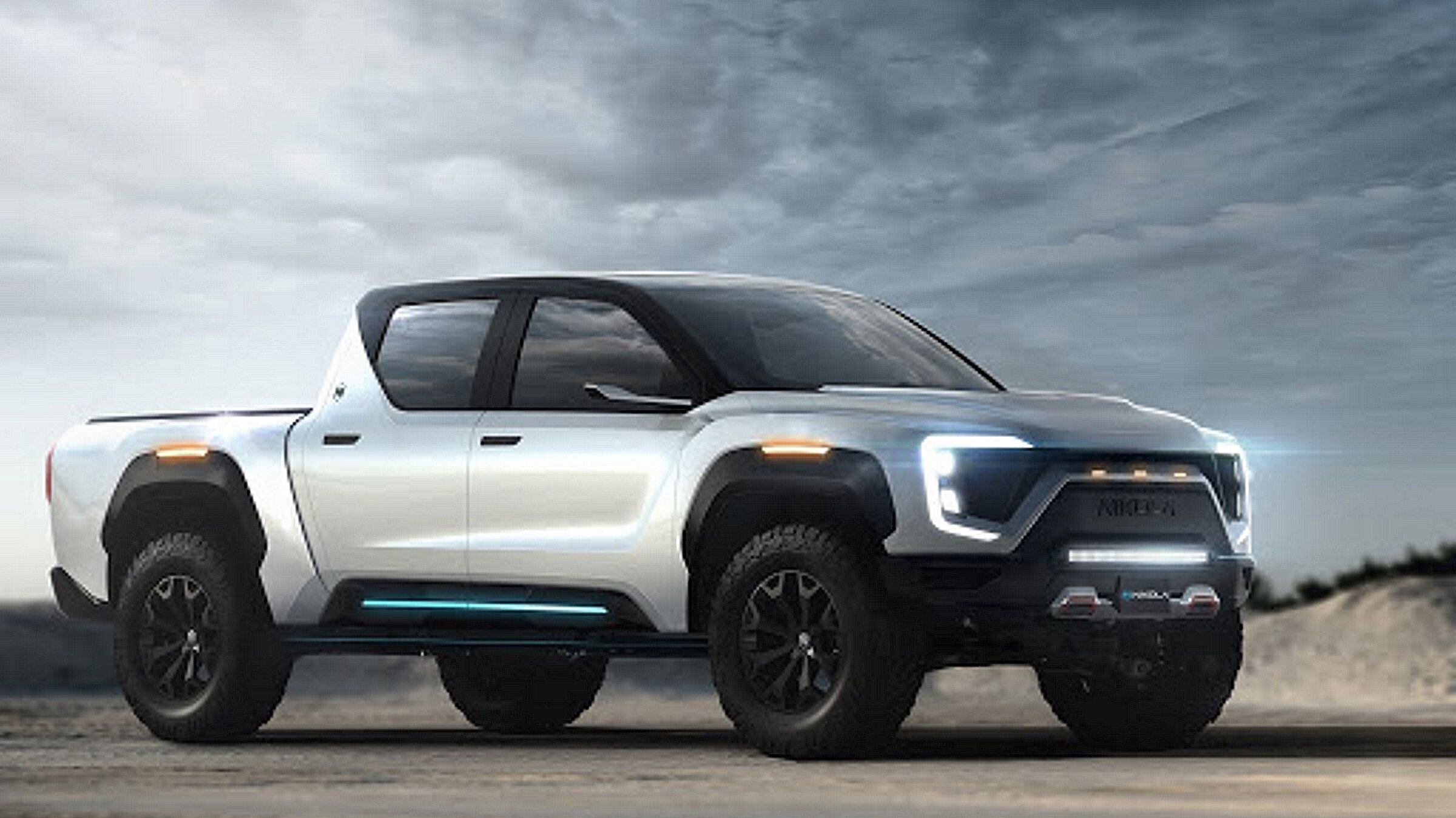
Nikola motors goes public after developing zero emissions hydrogen and battery electric powered semi-trucks. A fleet of Nikola trucks are set to be manufactured in 2021 out of Germany.
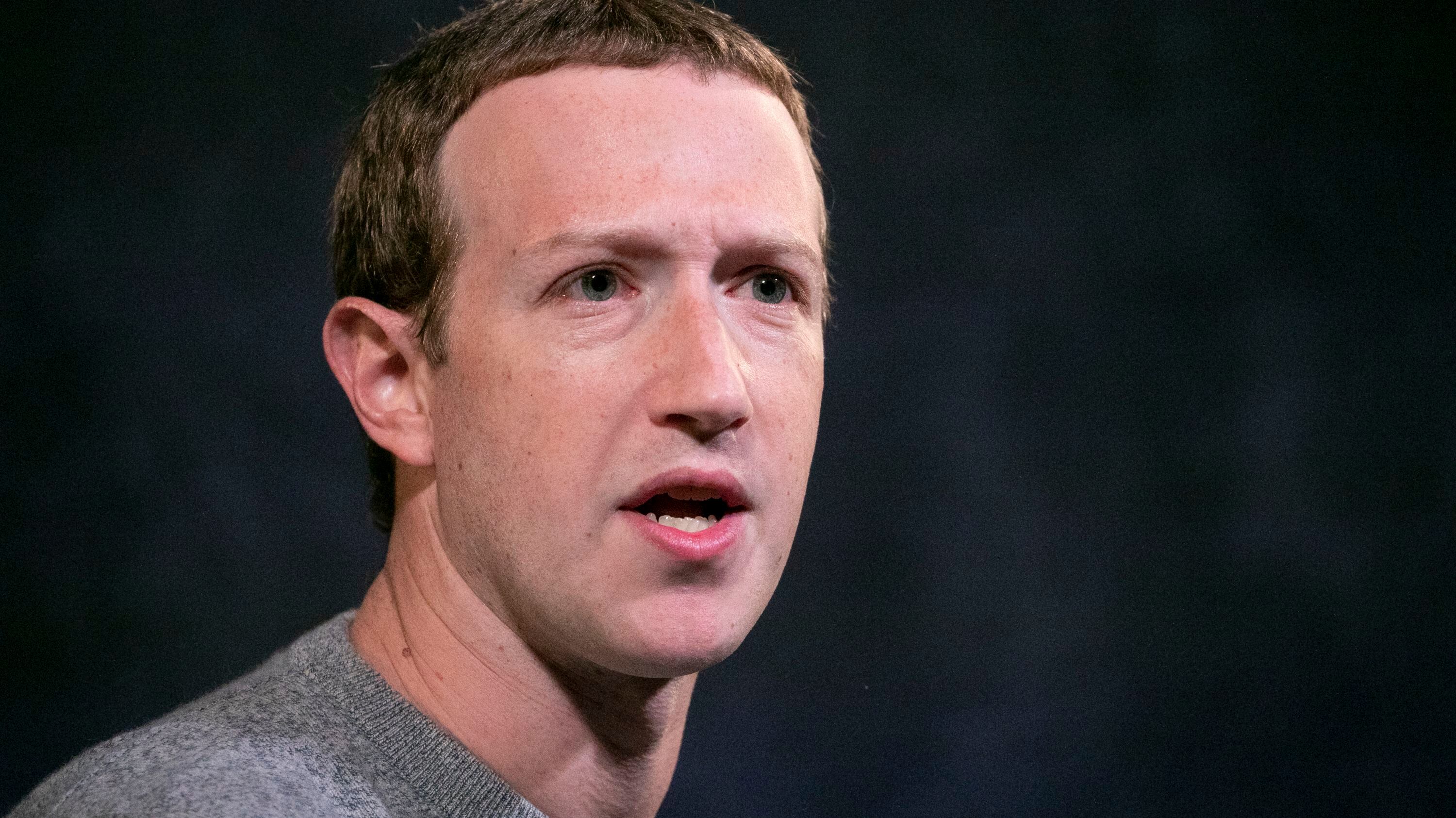
Facebook employees are using Twitter to register their frustration over CEO Mark Zuckerberg’s decision to leave up posts by President Donald Trump that suggested protesters in Minneapolis could be shot.
A growing number of writers, performers, musicians, and podcasters who have turned to fan-direct services such as Patreon, Substack, and OnlyFans to make a living. This trend has only been amplified under quarantine, as media consumption has increased dramatically worldwide.
From Wall Street to Silicon Valley, these are the top stories that moved markets and had investors, business leaders, and entrepreneurs talking this week on Cheddar.
Autotune was a staple in pop hits throughout the 2000s. T-Pain, Nelly, Daft Punk, and almost every major pop artist embraced the technology. But most of these famous tunes were actually using Autotune incorrectly. So who started this trend and how did something so despised become so popular?