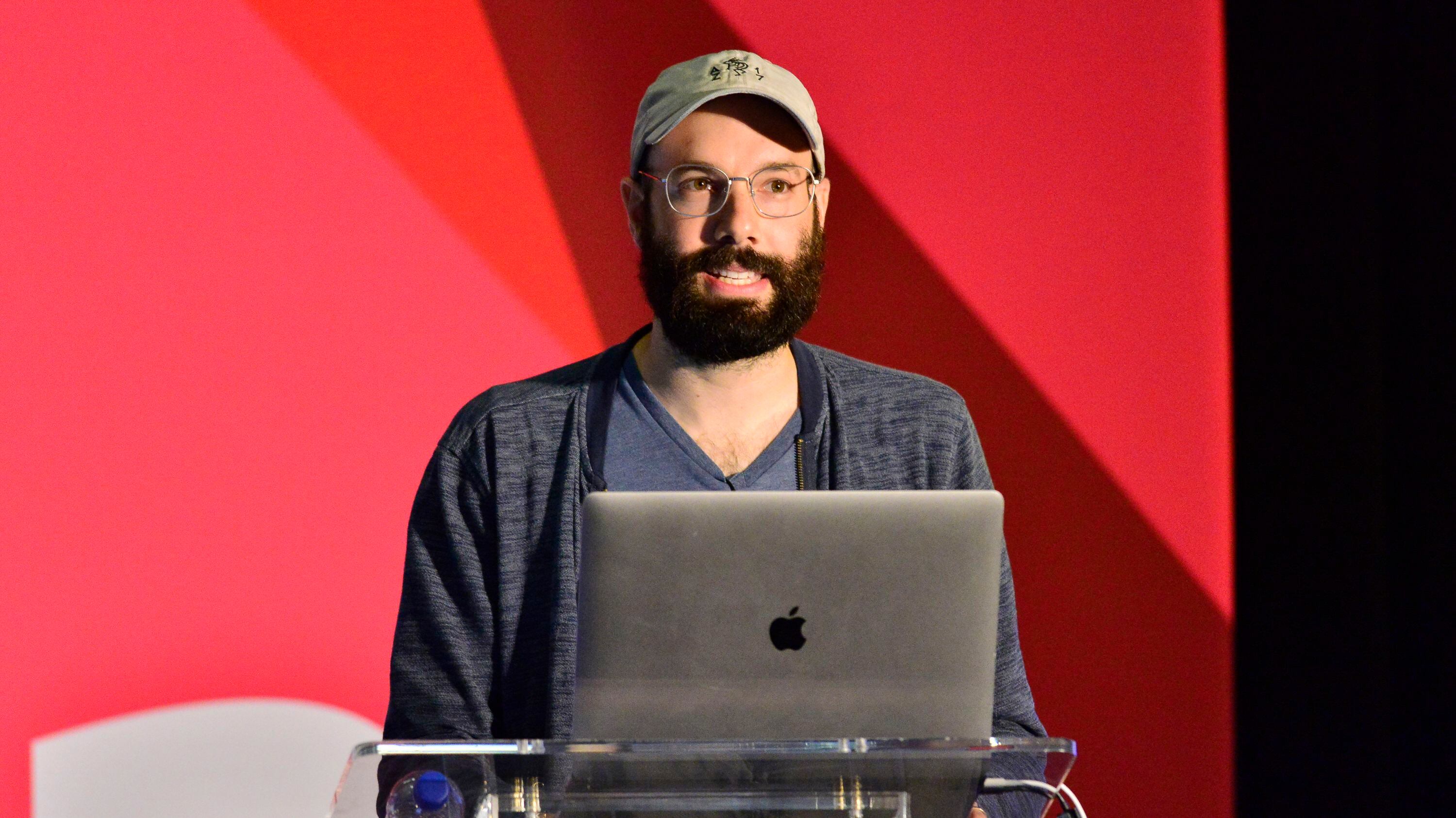
The power of A.I. can reach deeper than just recommending which show to binge on Netflix. It can also be used to analyze millions of images to predict things like income, political leanings, and buying habits. Steve Lohr, Technology and Economics Reporter at The New York Times, joined us to discuss artificial intelligence's full potential when it comes to predictive analytics.
Lohr's recent piece in The New York Times highlights a Stanford study that used 50 million images from Google Street View to give a glimpse of A.I.'s ability to gather data. He explains that researchers identified 22 million cars to draw conclusions about information such as which political candidate a particular zip code favored. The project took just 2 weeks to classify all the cars. In his piece, Lohr points out that without the help of AI, it would take human experts over 15 years to accomplish that task.
This type of data collection raises concerns over privacy and issues of data access. He says most of predictive analysis has been used for commercial purposes and selling products. The use of data becomes scary when it becomes integrated into decisions such as hiring, he says, because the mistakes become more costly.
Patreon has been valued at over $1.2 billion as the coronavirus pandemic forces creators find new outlets. CEO Jack Conte joined Cheddar to discuss the company's vision.
Altice USA, Cheddar's parent company, has made an offer to purchase the rest of Cogeco, which owns Atlantic Broadband. Altice USA will sell the Canadian assets to Rogers Communications.
Samsung’s second attempt at a foldable smartphone will come with a $2,000 price tag and a few elite perks aimed at affluent consumers still able to afford the finer things in life during tough times.
Facebook said Tuesday that it removed a small network of accounts and pages linked to Russia's Internet Research Agency, the “troll factory" that has used social media accounts to sow political discord in the U.S. since the 2016 presidential election.
West Virginia University has developed technology that can predict coronavirus outbreaks with 90 percent accuracy. Dr. Ali Rezai, executive chair of WVU's Rockefeller Neuroscience Institute, joined Cheddar to discuss the technology and protocols the university will implement to mitigate the spread of COVID-19.
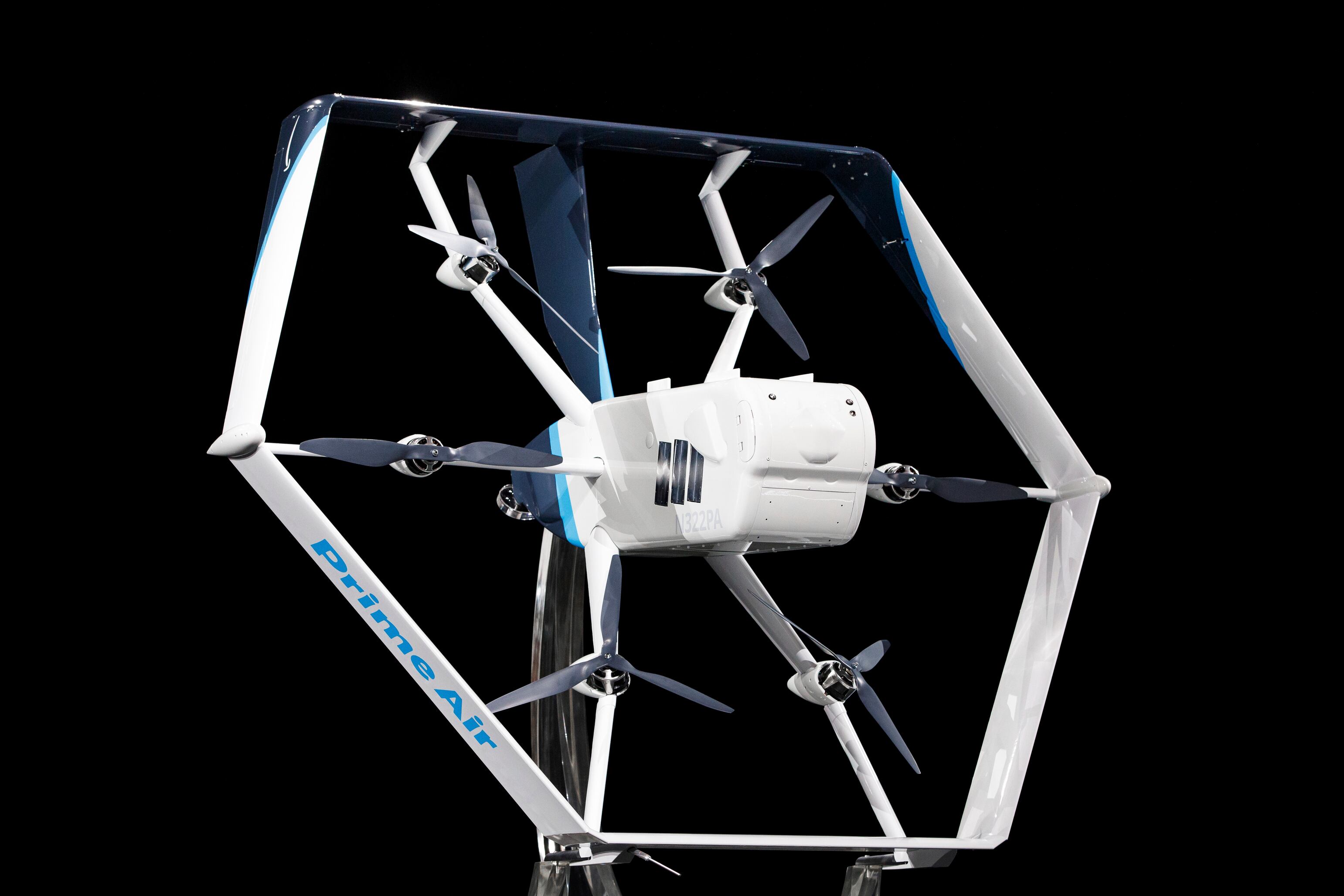
Getting an Amazon package delivered from the sky is closer to becoming a reality..
China on Friday introduced export restrictions on artificial intelligence technology, including the type that TikTok uses to choose which videos to spool up to its users.
From Wall Street to Silicon Valley, these are the top stories that moved markets and had investors, business leaders, and entrepreneurs talking this week on Cheddar.
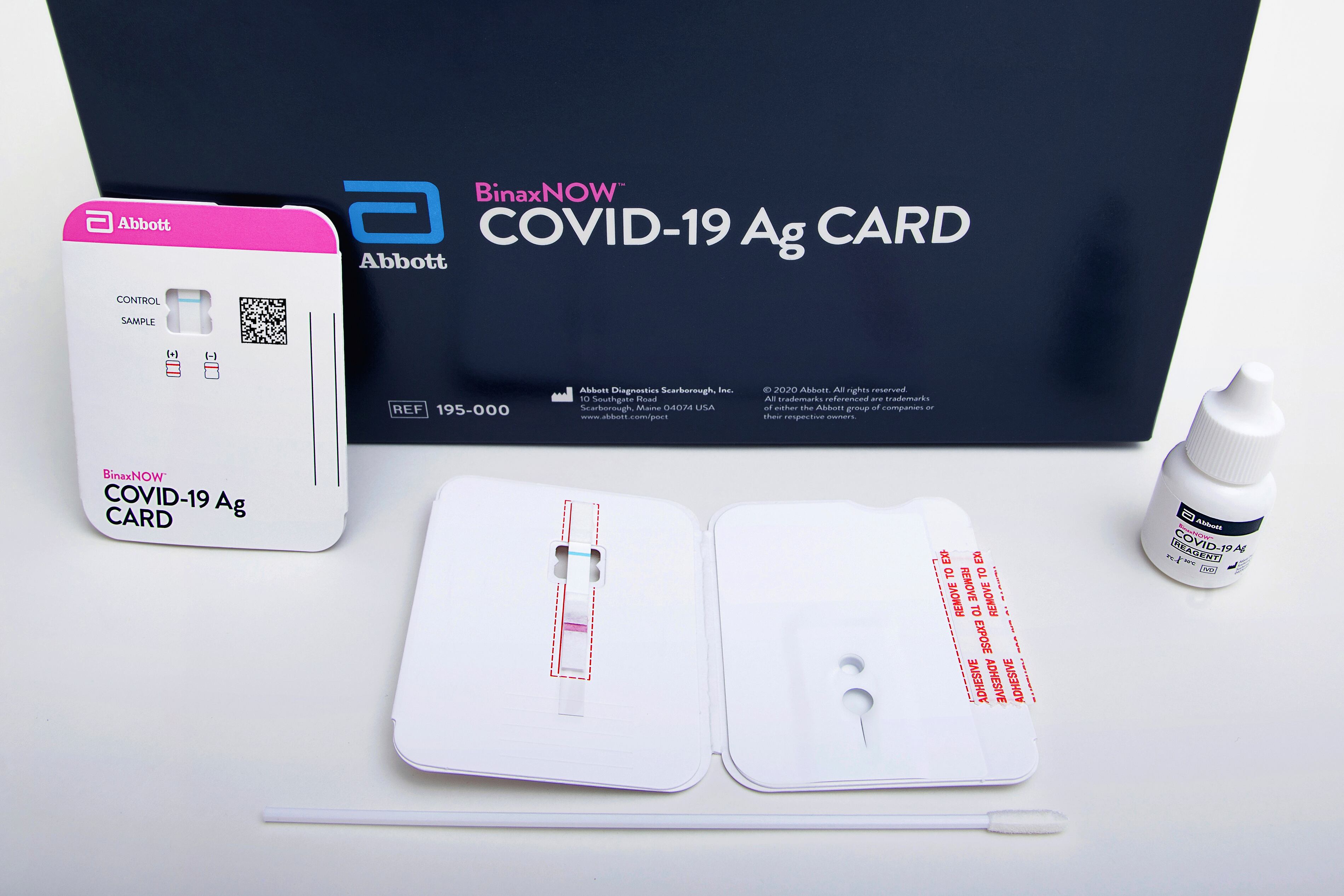
Abbott has announced a new FDA approved rapid COVID-19 test. Dr. John Hackett, divisional vice president of applied research and technology for Abbott's diagnostics business, joined Cheddar to discuss how the test works and its accuracy.
Unity Technologies is set to go public as it becomes one of the most successful game developing platforms with over two billion active users. Cheddar's Michelle Castillo reports.