The power of A.I. can reach deeper than just recommending which show to binge on Netflix. It can also be used to analyze millions of images to predict things like income, political leanings, and buying habits. Steve Lohr, Technology and Economics Reporter at The New York Times, joined us to discuss artificial intelligence's full potential when it comes to predictive analytics.
Lohr's recent piece in The New York Times highlights a Stanford study that used 50 million images from Google Street View to give a glimpse of A.I.'s ability to gather data. He explains that researchers identified 22 million cars to draw conclusions about information such as which political candidate a particular zip code favored. The project took just 2 weeks to classify all the cars. In his piece, Lohr points out that without the help of AI, it would take human experts over 15 years to accomplish that task.
This type of data collection raises concerns over privacy and issues of data access. He says most of predictive analysis has been used for commercial purposes and selling products. The use of data becomes scary when it becomes integrated into decisions such as hiring, he says, because the mistakes become more costly.
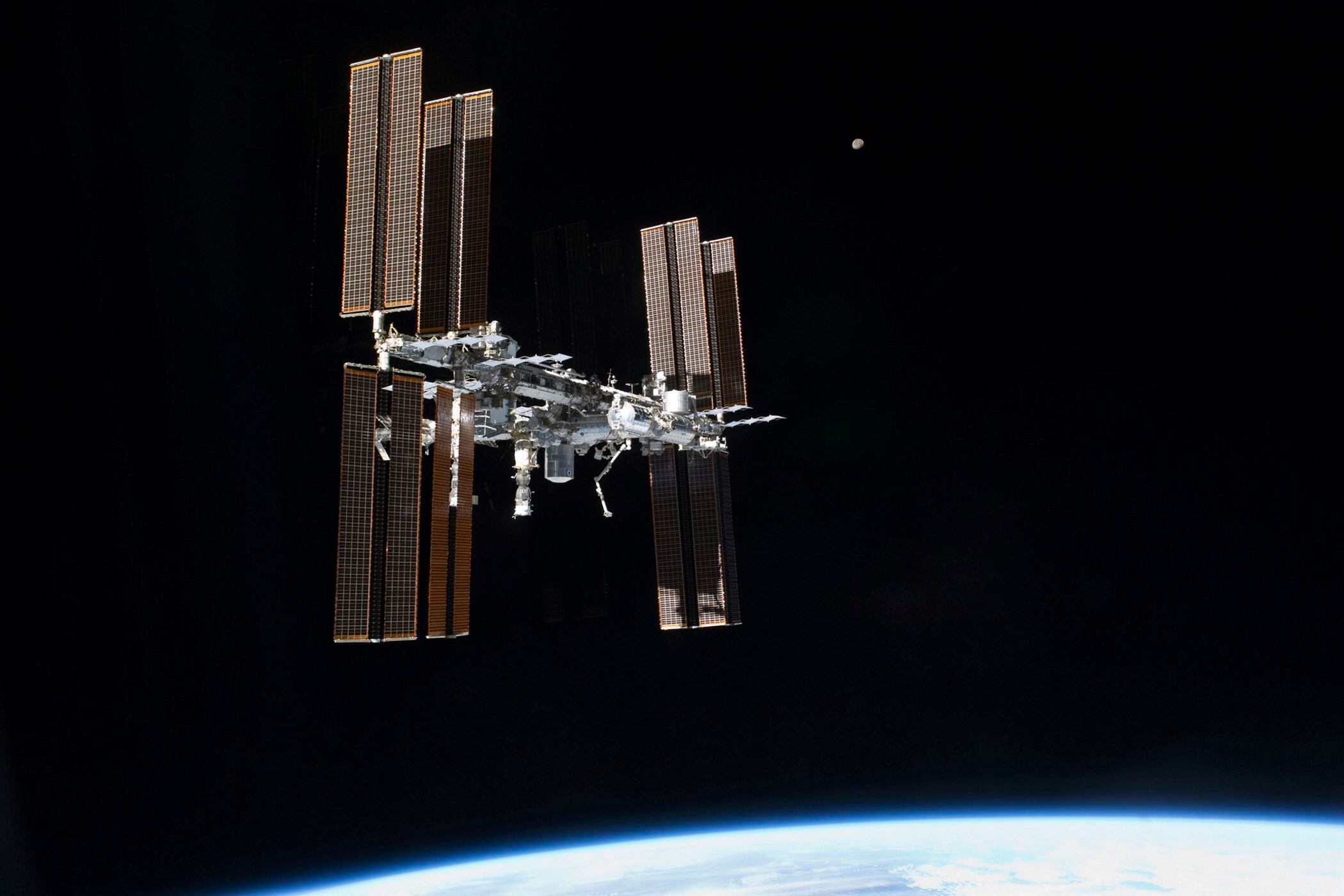
A small air leak at the International Space Station has finally been traced to the Russian side, following a middle-of-the-night search by astronauts.
Pinterest CRO, Jon Kaplan, joined Cheddar to discuss the surge in activity on the app amid the pandemic. Kaplan also talks new features coming to the social media app.
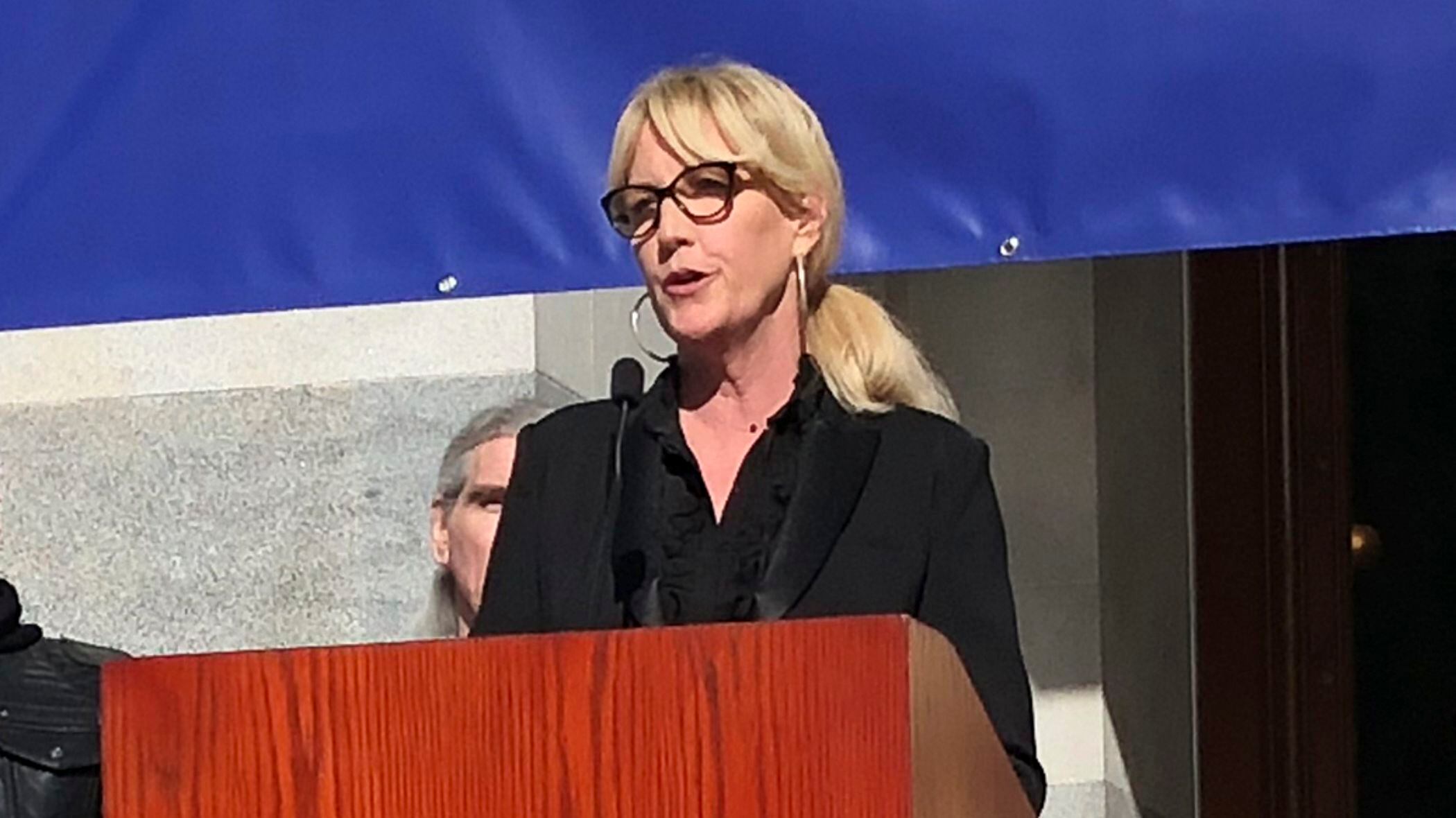
Activist, Erin Brockovich joined Cheddar to advocate for 911 operators to be classified as first responders and address problems plaguing the water supply in U.S. communities.
A federal judge has halted a ban on TikTok's U.S. operations until at least November 12th when President Trump called for a complete ban of the social media platform. Cheddar's Michelle Castillo reports on the turbulent timeline of Trump's intervention with the social media app.
Kyle Malady, chief technology officer at Verizon, joined Cheddar to discuss the new MEC technology that he said would allow the development of "new and exciting products."
Uber can keep operating in London after it won its appeal of a decision by the British capital’s transit regulator not to renew its license.
Future moon explorers will face ultrahazardous radiation levels. That's the conclusion of a new study published by Chinese and German scientists Friday.
From Wall Street to Silicon Valley, these are the top stories that moved markets and had investors, business leaders, and entrepreneurs talking this week on Cheddar.
VIA optronics is making its debut on the NYSE after the company raised $93.8 million. Jurgen Eichner, CEO, joined Cheddar to discuss taking the company public and the company's success amid the pandemic.
Ohio Rep. Bob Latta joined Cheddar to discuss new safety legislation he's introduced for autonomous vehicles. The Self-Drive Act will create a national standard for operation of self-driving cars.