The power of A.I. can reach deeper than just recommending which show to binge on Netflix. It can also be used to analyze millions of images to predict things like income, political leanings, and buying habits. Steve Lohr, Technology and Economics Reporter at The New York Times, joined us to discuss artificial intelligence's full potential when it comes to predictive analytics.
Lohr's recent piece in The New York Times highlights a Stanford study that used 50 million images from Google Street View to give a glimpse of A.I.'s ability to gather data. He explains that researchers identified 22 million cars to draw conclusions about information such as which political candidate a particular zip code favored. The project took just 2 weeks to classify all the cars. In his piece, Lohr points out that without the help of AI, it would take human experts over 15 years to accomplish that task.
This type of data collection raises concerns over privacy and issues of data access. He says most of predictive analysis has been used for commercial purposes and selling products. The use of data becomes scary when it becomes integrated into decisions such as hiring, he says, because the mistakes become more costly.
Apple is rolling out its first Mac computers powered by the same kind of chips that run iPhones and iPads in a move aimed at making it even easier for its most popular products to work together.
Virgin Hyperloop has completed its first human test run yesterday in the Las Vegas desert, moving two people 500m in 15 seconds at 107 mph. Josh Giegel, co-founder and CTO, joined Cheddar to discuss the landmark moment and the technology behind the hyperloop.
John Matze, CEO of Parler, says he welcomes Republicans and Democrats alike to create "discussion, debate, and discourse" on the popular "free speech social network."
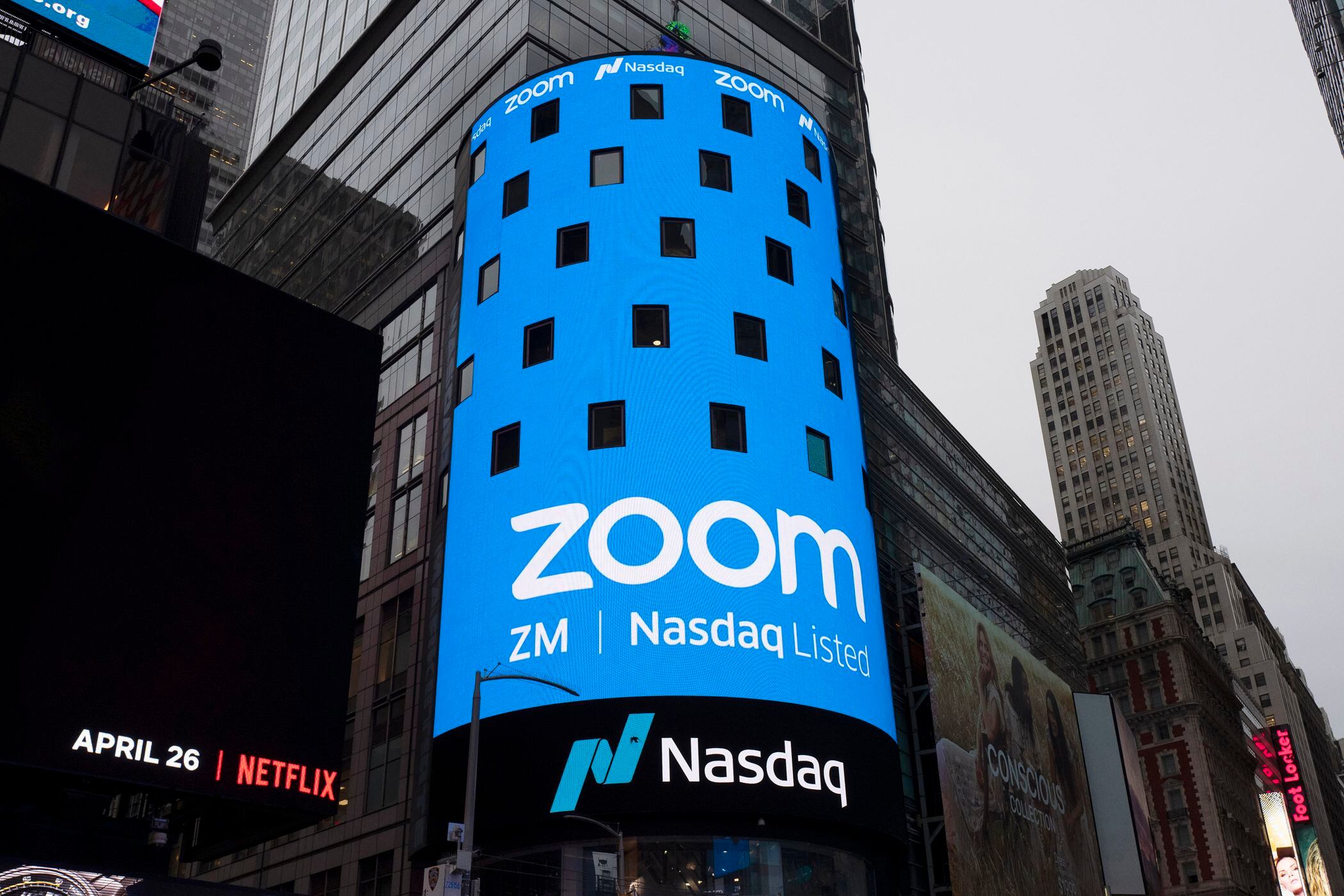
Federal regulators are requiring Zoom to strengthen its security in a proposed settlement of allegations that the video conferencing service misled users about its level of security for meetings.
Gaming accessory manufacturer, Turtle Beach, is coming off of a record Q3 earnings report. CEO Juergen Stark joined Cheddar to discuss the company's growth and expectations for the PS5 and Xbox Series X..
Digital political ads , while not the primary source for campaigns, are growing in popularity. Cheddar's Michelle Castillo takes a look at how Facebook's political ad policies are being implemented.
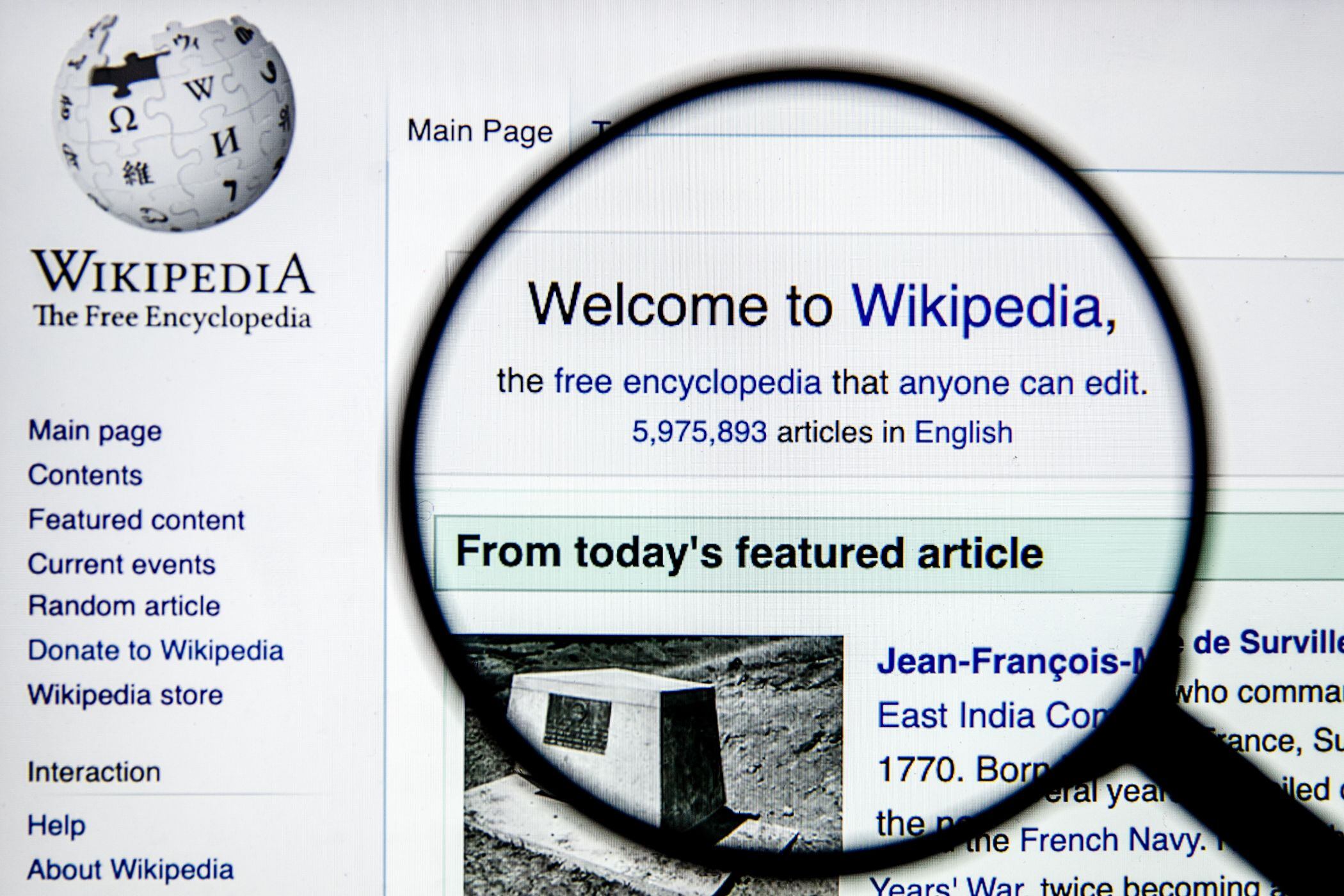
Ryan Merkley, Wikimedia Foundation's chief of staff, joined Cheddar to discuss how Wikipedia is combating the spread of misinformation on Election Day.
DoorDash is getting into the growing prescription drug delivery business through a partnership with wholesale giant Sam's Club.
San Francisco has a population of over 883,000 residents, but it only has two cemeteries for the entire city. But neither of them perform active burials. So why are bodies showing up under the city?
WHOOP is now valued at $1.2 billion after raising $100 million in Series E Funding. Will Ahmed, founder and CEO, joined Cheddar to discuss the success of the brand as people become more attentive of their health.