The power of A.I. can reach deeper than just recommending which show to binge on Netflix. It can also be used to analyze millions of images to predict things like income, political leanings, and buying habits. Steve Lohr, Technology and Economics Reporter at The New York Times, joined us to discuss artificial intelligence's full potential when it comes to predictive analytics.
Lohr's recent piece in The New York Times highlights a Stanford study that used 50 million images from Google Street View to give a glimpse of A.I.'s ability to gather data. He explains that researchers identified 22 million cars to draw conclusions about information such as which political candidate a particular zip code favored. The project took just 2 weeks to classify all the cars. In his piece, Lohr points out that without the help of AI, it would take human experts over 15 years to accomplish that task.
This type of data collection raises concerns over privacy and issues of data access. He says most of predictive analysis has been used for commercial purposes and selling products. The use of data becomes scary when it becomes integrated into decisions such as hiring, he says, because the mistakes become more costly.
Topps unveiled an expansion of its Godzilla NFT collections while New York Comic Con held a panel on the crypto collectibles showing the surging interest in the space.
From Wall Street to Silicon Valley, these are the top stories that moved markets and had investors, business leaders, and entrepreneurs talking this week on Cheddar.
Google is cracking down on digital ads promoting false climate change claims or being used to make money from such content, hoping to limit revenue for climate change deniers and stop the spread of misinformation on its platforms.
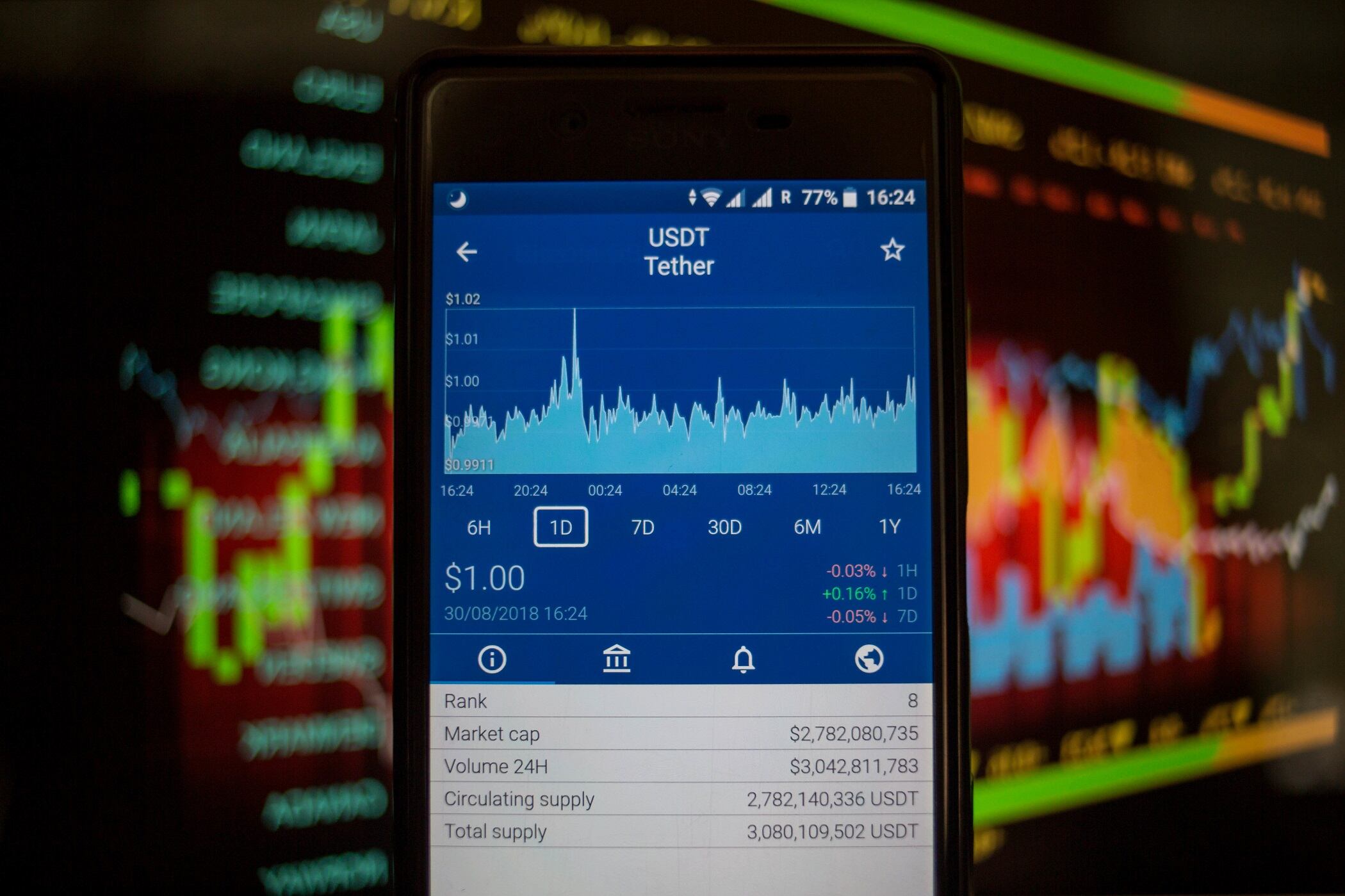
With the Biden administration reportedly looking into regulating stablecoins like Tether and Circle, just what might those rules look like going forward?
General Motors plans to cash in as the world switches from combustion engines to battery power, promising to double its annual revenue by 2030.
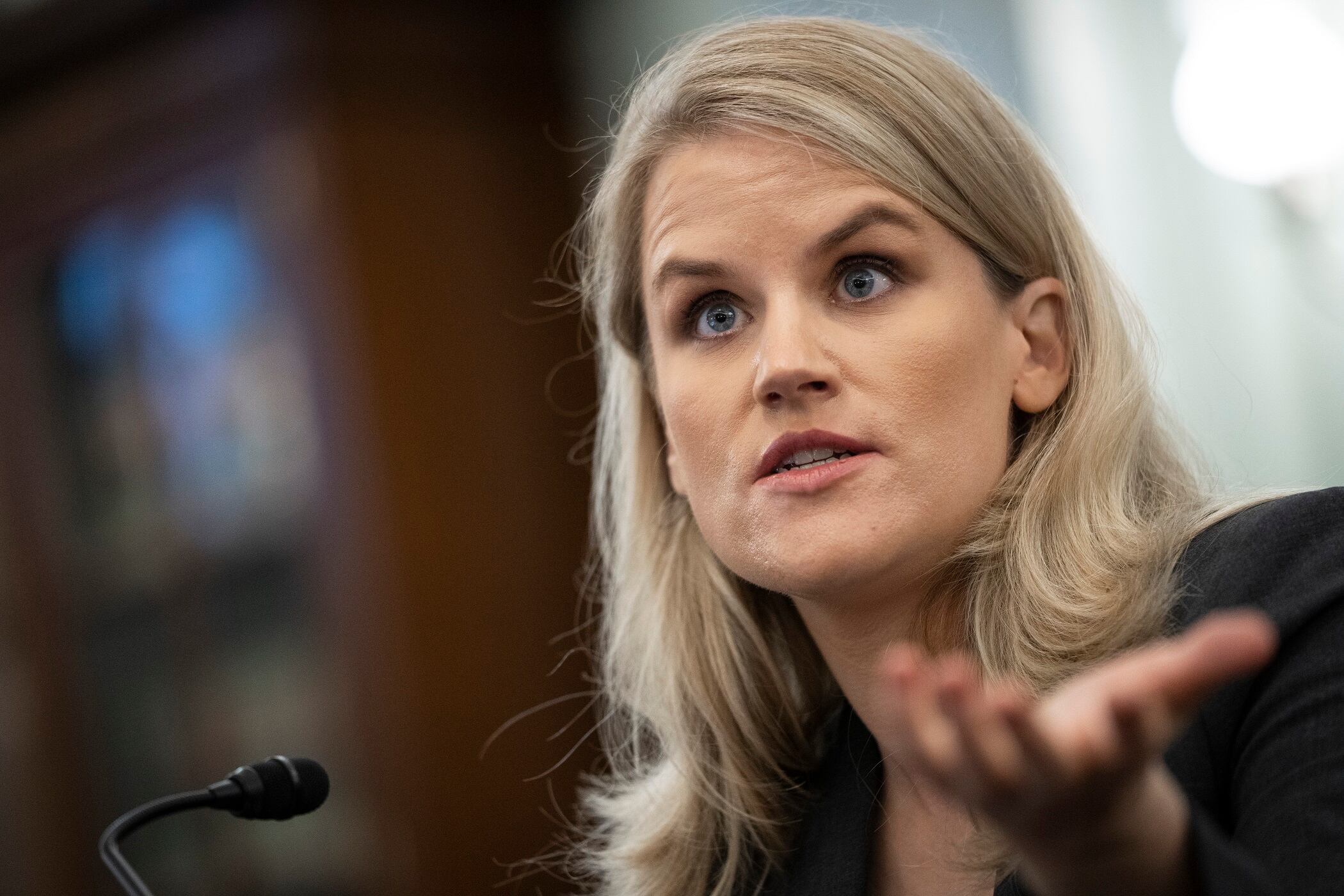
A former Facebook data scientist has told Congress that the social network giant’s products harm children and fuel polarization in the U.S. while its executives refuse to change because they elevate profits over safety.
A Russian actor and a film director have rocketed into space to make the world’s first movie in orbit.
Facebook and its Instagram and WhatsApp platforms have suffered a worldwide outage.
Tesla says it delivered 241,300 electric vehicles in the third quarter even as it wrestled with a global shortage of computer chips that has hit the entire auto industry.
From Wall Street to Silicon Valley, these are the top stories that moved markets and had investors, business leaders, and entrepreneurs talking this week on Cheddar.