Google Street View Gives a Glimpse into Power of A.I.
The power of A.I. can reach deeper than just recommending which show to binge on Netflix. It can also be used to analyze millions of images to predict things like income, political leanings, and buying habits. Steve Lohr, Technology and Economics Reporter at The New York Times, joined us to discuss artificial intelligence's full potential when it comes to predictive analytics.
Lohr's recent piece in The New York Times highlights a Stanford study that used 50 million images from Google Street View to give a glimpse of A.I.'s ability to gather data. He explains that researchers identified 22 million cars to draw conclusions about information such as which political candidate a particular zip code favored. The project took just 2 weeks to classify all the cars. In his piece, Lohr points out that without the help of AI, it would take human experts over 15 years to accomplish that task.
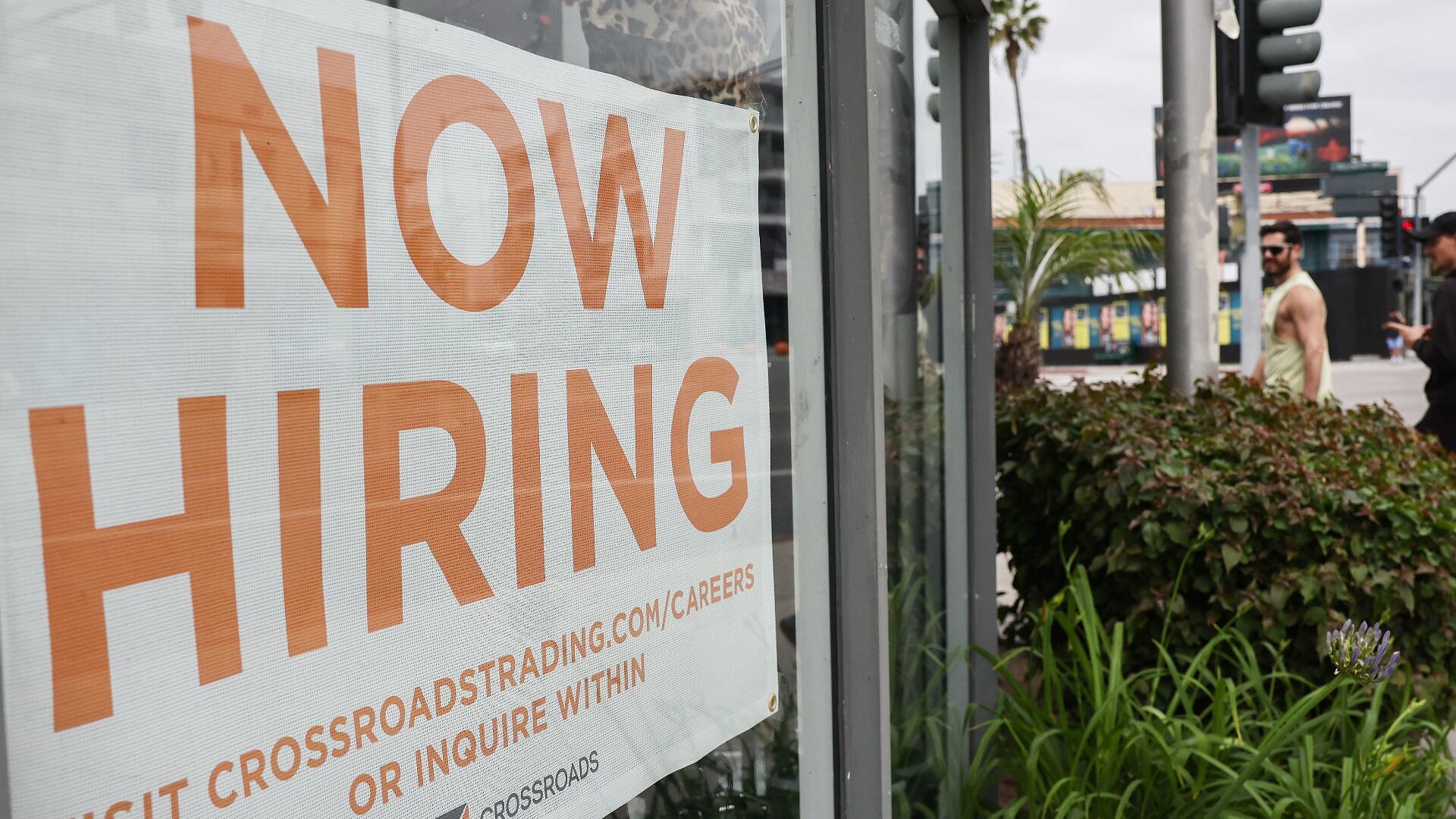
This type of data collection raises concerns over privacy and issues of data access. He says most of predictive analysis has been used for commercial purposes and selling products. The use of data becomes scary when it becomes integrated into decisions such as hiring, he says, because the mistakes become more costly.
Jesse Pickard, CEO of The Mind Company, shares how Elevate and Balance are redefining mental fitness with science-backed tools for brainpower and wellness.
Tom’s Guide Editor-in-Chief Mark Spoonauer breaks down Apple & Amazon's latest product drops—what's hot, what's hype, and what really matters for users.
With satellites already in orbit, defense contractor L3Harris is standing by to accelerate Trump's executive order. We take an inside look at the technology
Ben Lamm, founder of Colossal Biosciences, is leading a bold mission to resurrect the extinct dodo via gene editing, avian breakthroughs, and rewilding plans.
Julie Hansen of Babbel unveils Babbel Speak, an AI voice trainer tackling language fear head-on, as Babbel eyes IPO and takes on AirPods’ translation tech.
Ali Kashani, CEO of Serve Robotics, dives into their $63.3M acquisition of Vayu Robotics and how it's accelerating the future of autonomous delivery systems.