Good2Know is your daily dose of stories that impact your life.
THE BARCODE CELEBRATES 50 YEARS
On Monday, the barcode or "universal product code" marked its 50th anniversary. Grocery stores and canned food manufacturers originally rejected the idea of a universal barcode system, but they eventually came around, and now billions of items are scanned every day across the globe. Yet all these years later it's still unclear who actually invented the barcode.
GARAGE HACKERS
A security engineer has exposed a serious flaw in Nexx wi-fi-connected garage door openers, which allowed him to remotely hack into people's homes across the world and open their garages. Apparently, a single password stands between a potential hacker and all Nexx users' private data, including their names and email addresses. A cybersecurity and infrastructure security agency has released an official warning for three Nexx devices, including the garage door opener, a smart plug that controls outlets in your home, and a smart alarm system. Nexx has so far not commented publicly on the report.
Disney theme parks are experiencing a significant slump in attendance this summer, resulting in shorter wait times and declining foot traffic. What's bad for Disney though could be an excellent opportunity for families looking to save money on their next summer vacation. Stephanie Opera, director of marketing at Pixie Travel and authorized Disney vacation planner, breaks down how to save.
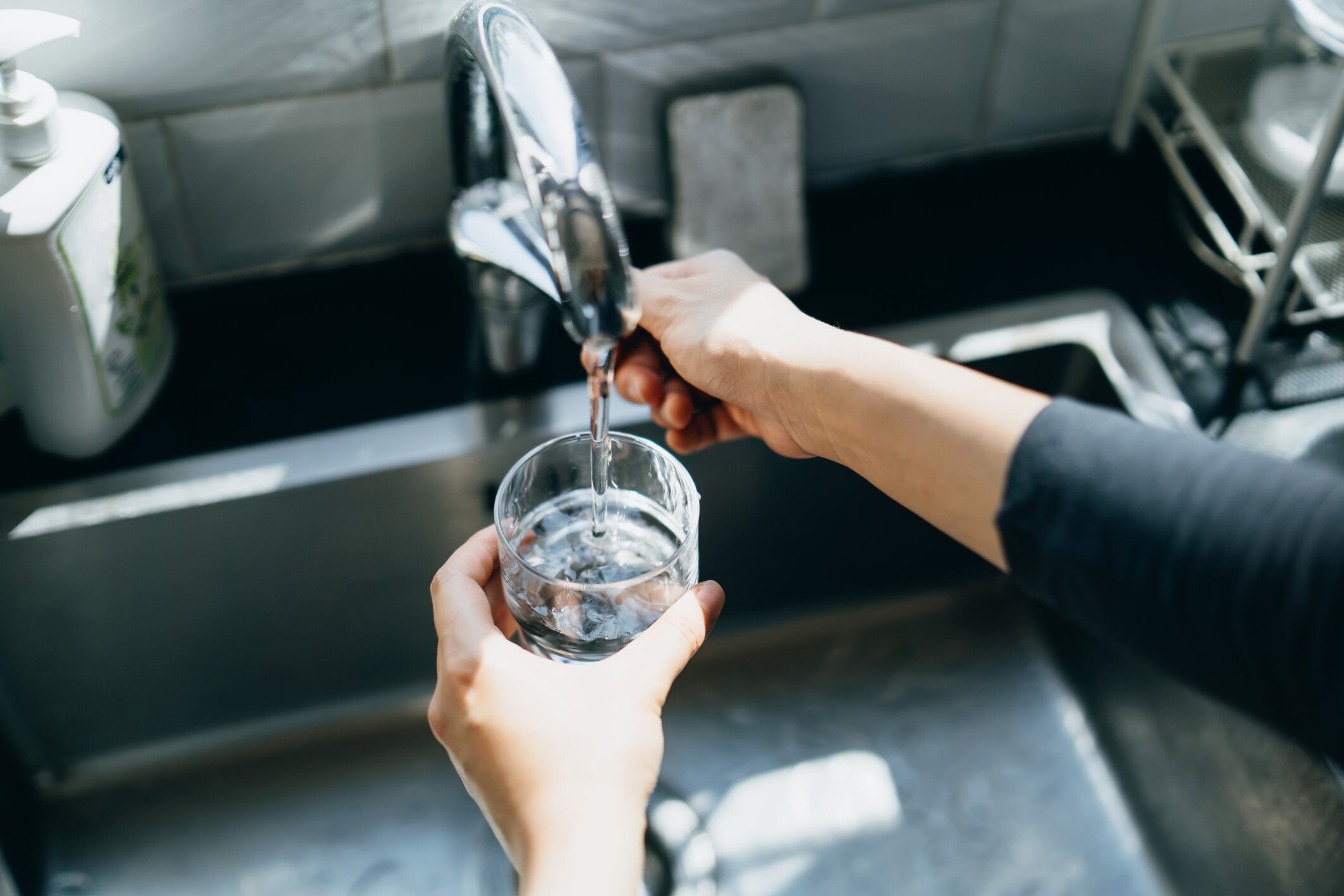
The United States has a reputation for having some of the safest tap water in the world. But experts are challenging that reputation after a new study found "forever chemicals" in tap water. Cheddar's Ashley Mastronardi has the story
Prosecutors rested their sexual assault case against Kevin Spacey in a London courtroom Wednesday after four men testified in the past two weeks that the Oscar winner preyed on them.
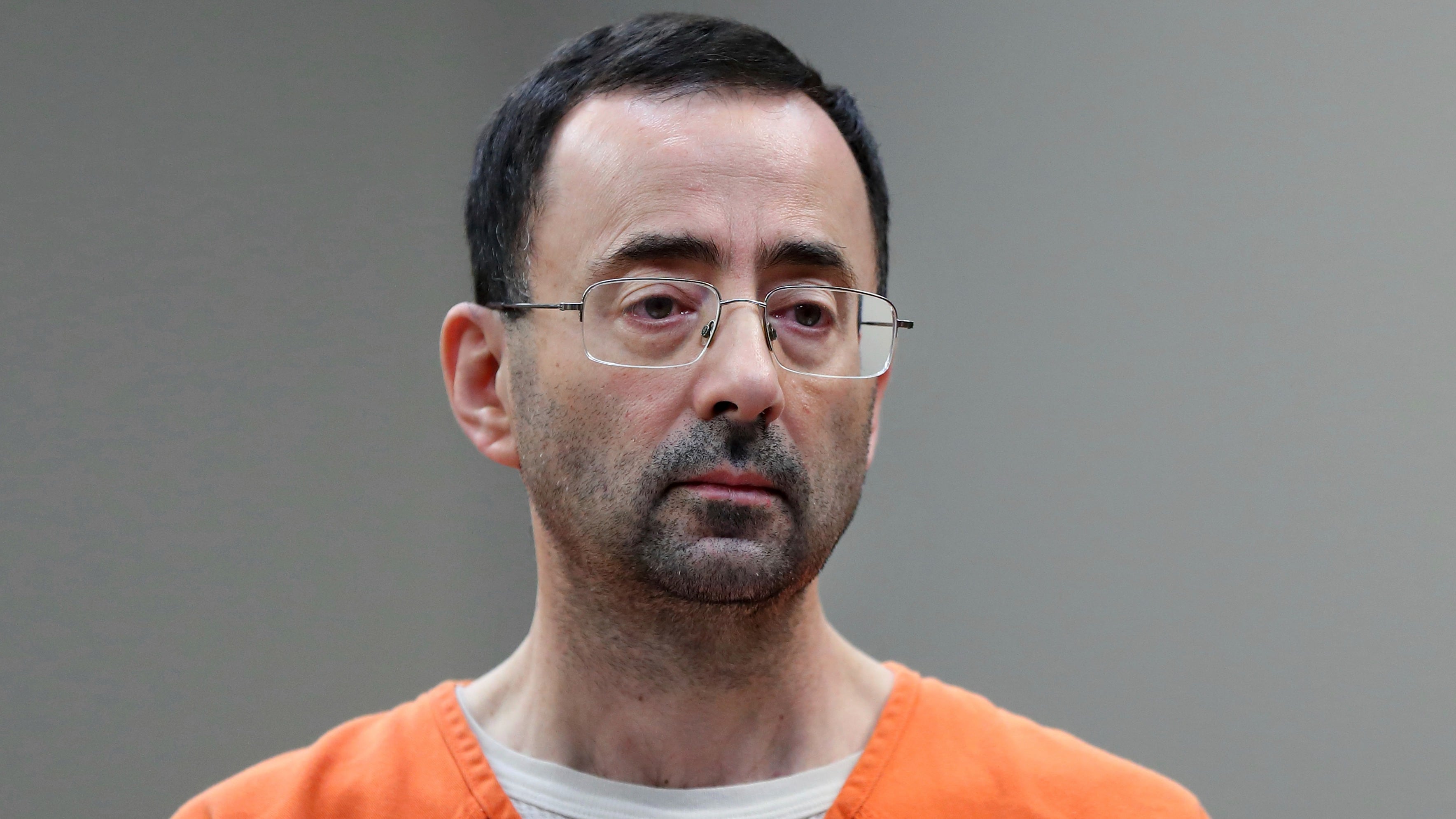
The gunman who killed 11 people at a Pittsburgh synagogue in 2018 is eligible for the death penalty, a federal jury announced Thursday, setting the stage for further evidence and testimony on whether he should be sentenced to death or life in prison.
Republicans on the House Judiciary Committee accused the agency of targeting conservatives, suppressing evidence that Covid-19 came from a lab leak and abusing its surveillance powers.
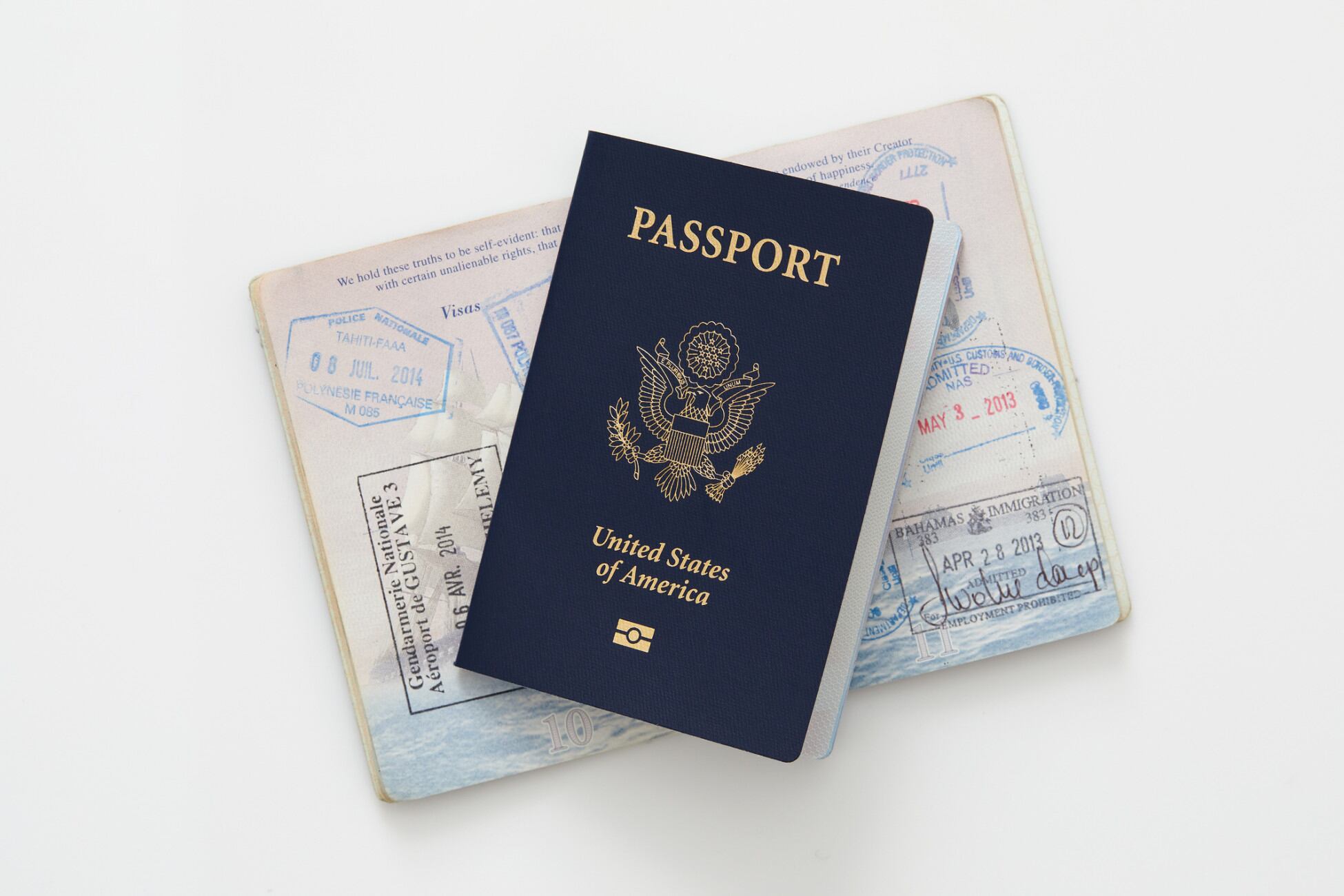
Have you been hearing about all the passport delays that are currently affecting travelers around the U.S? If you're in a rush to get your passport, it could cost you hundreds of dollars. So to protect your dollar, we brought in travel expert Francesca Page to give some tips on how to avoid extra fees for expedited passports down the line.
While it's already July, there's still time to plan those last minute summer vacations. and we've got expert tips that can help you save. Consumer Reporter Janice Lieberman has more.