By Tom Krisher
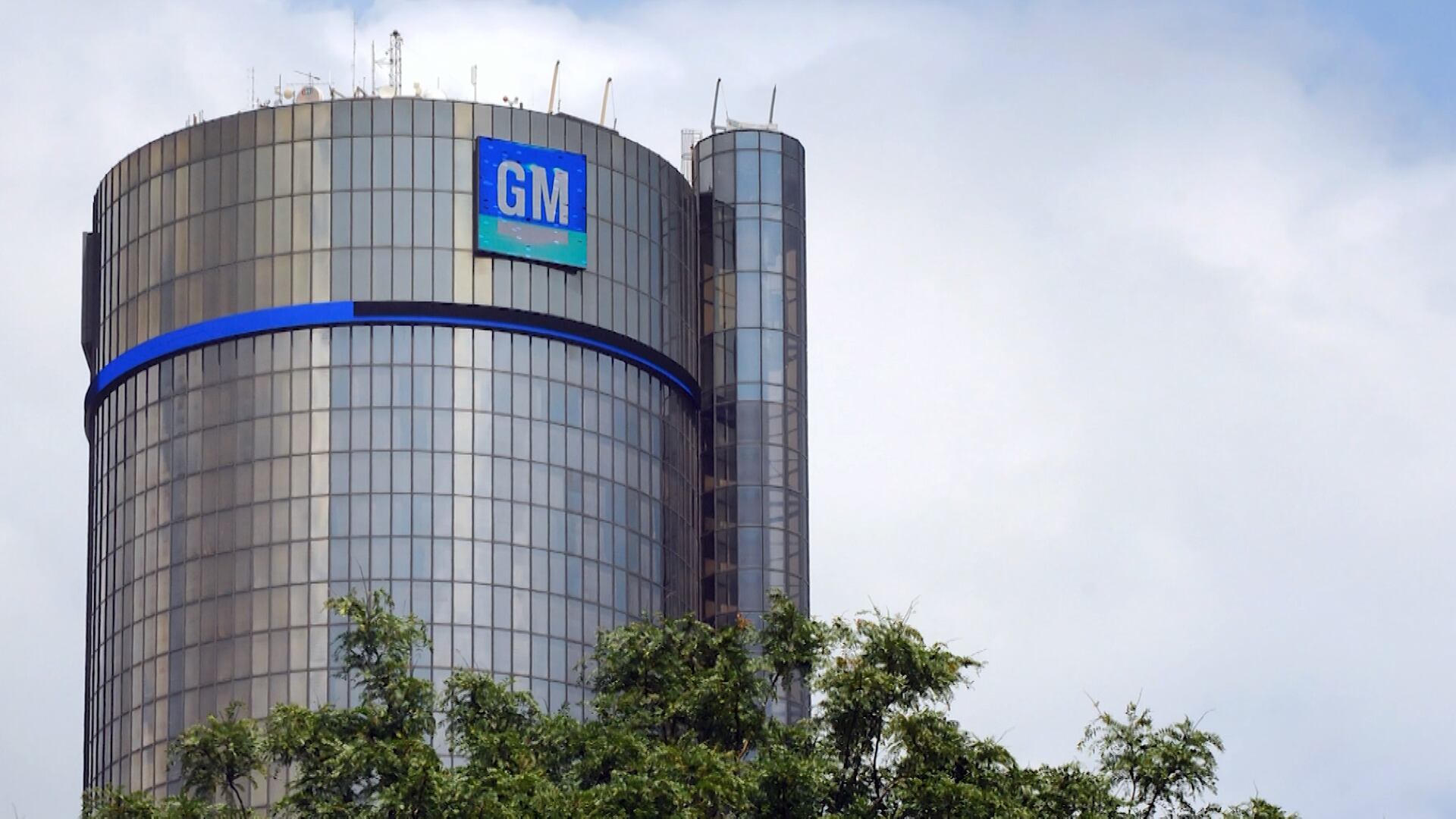
General Motors will recall about 7 million big pickup trucks and SUVs worldwide to replace potentially dangerous Takata air bag inflators.
The move came Monday after the U.S. government told the automaker it had to recall 6 million of the vehicles in the U.S.
The recall will cost the Detroit automaker an estimated $1.2 billion, about one third of its net income so far this year.
GM says it will not fight the recall, even though it believes the vehicles are safe.
The automaker had petitioned the agency four times starting in 2016 to avoid a recall, contending the air bag inflator canisters have been safe on the road and in testing. But the National Highway Traffic Safety Administration on Monday denied the petitions, saying the inflators still run the risk of exploding.
Owners who filed comments with NHTSA said the company was placing profits over safety.
Exploding Takata inflators caused the largest series of auto recalls in U.S. history, with at least 63 million inflators recalled. The U.S. government says that as of September, more than 11.1 million had not been fixed. About 100 million inflators have been recalled worldwide.
Takata used volatile ammonium nitrate to create a small explosion to fill airbags in a crash. But the chemical can deteriorate when exposed to heat and humidity and explode with too much force, blowing apart a metal canister and spewing shrapnel.
Twenty-seven people have been killed worldwide by the exploding inflators including 18 in the U.S.
The recall covers GM full-size pickup trucks and SUVs from the 2007 through 2014 model years, including the Chevrolet Silverado 1500, 2500, and 3500 pickups. The Silverado is GM’s top-selling vehicle and the second-bestselling vehicle in the U.S. Also covered are the Chevrolet Suburban, Tahoe and Avalanche, the Cadillac Escalade, GMC Sierra 1500, 2500 and 3500, and the GMC Yukon.
It took the agency more than four years to arrive at its decision, which comes toward the end of President Donald Trump's four-year term.
NHTSA said in a prepared statement that it analyzed all available data on the airbags, including engineering and statistical analyses, aging tests, and field data.
“Based on this information and information provided to the petition’s public docket, NHTSA concluded that the GM inflators in question are at risk of the same type of explosion after long-term exposure to high heat and humidity as other recalled Takata inflators,” the agency said.
The company has 30 days to give NHTSA a proposed schedule for notifying vehicle owners and starting the recall, the statement said.
GM said that although it believes a recall isn't warranted based on the factual and scientific records, it will abide by NHTSA's decision.
GM spokesman Dan Flores said Monday that none of the inflators have blown apart in the field or in laboratory testing. But he said GM doesn’t want a drawn-out fight with the government.
“Although we are confident that the inflators in the GMT900 vehicles do not pose an unreasonable risk to safety, continue to perform as designed in the field and will continue to perform as designed in line with the results of our accelerated aging studies, we will abide by NHTSA’s decision to maintain the trust and confidence of customers and regulators,” he said in an email.
The decision means that all Takata ammonium nitrate inflators in the U.S. will be recalled, NHTSA said. Earlier this year the agency decided not to seek a recall of inflators with a moisture-absorbing chemical called a desiccant. But NHTSA said it would monitor those inflators and take action if a problem arose.
In a 2019 petition to NHTSA, GM said the inflators were designed to its specifications and are safe, with no explosions even though nearly 67,000 airbags have deployed in the field.
But Takata declared the GM front passenger inflators defective under a 2015 agreement with the government.
In its petition, GM said that Northrop Grumman tested 4,270 inflators by artificially exposing them to added humidity and temperature cycling, and there were no explosions or abnormal deployments. It says GM has “established that worse-than-worst-case humidity exposure and temperature cycling will not cause inflator ruptures ... at any point within even unrealistically conservative vehicle service life estimates.”
Shares of GM rose nearly 3% in Monday morning trading to $44.16.
Drivers can check to see if their vehicles have been recalled by going to https://www.nhtsa.gov/recalls and keying in their 17-digit vehicle identification number.
The recalls drove Japan’s Takata into bankruptcy and brought criminal charges against the company. Eventually, it was purchased by a Chinese-owned auto parts supplier.
Updated on November 23, 2020 at 11:30 a.m. ET with the latest information.