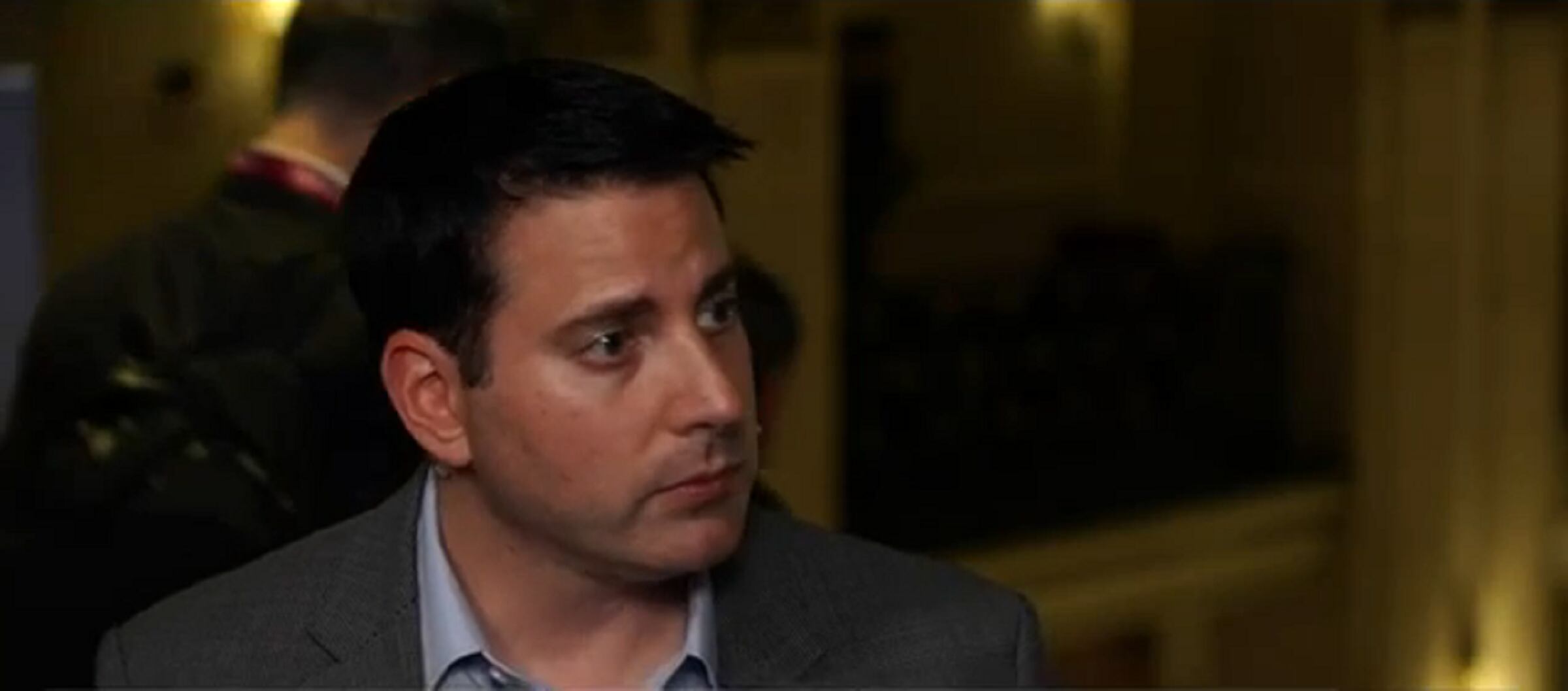
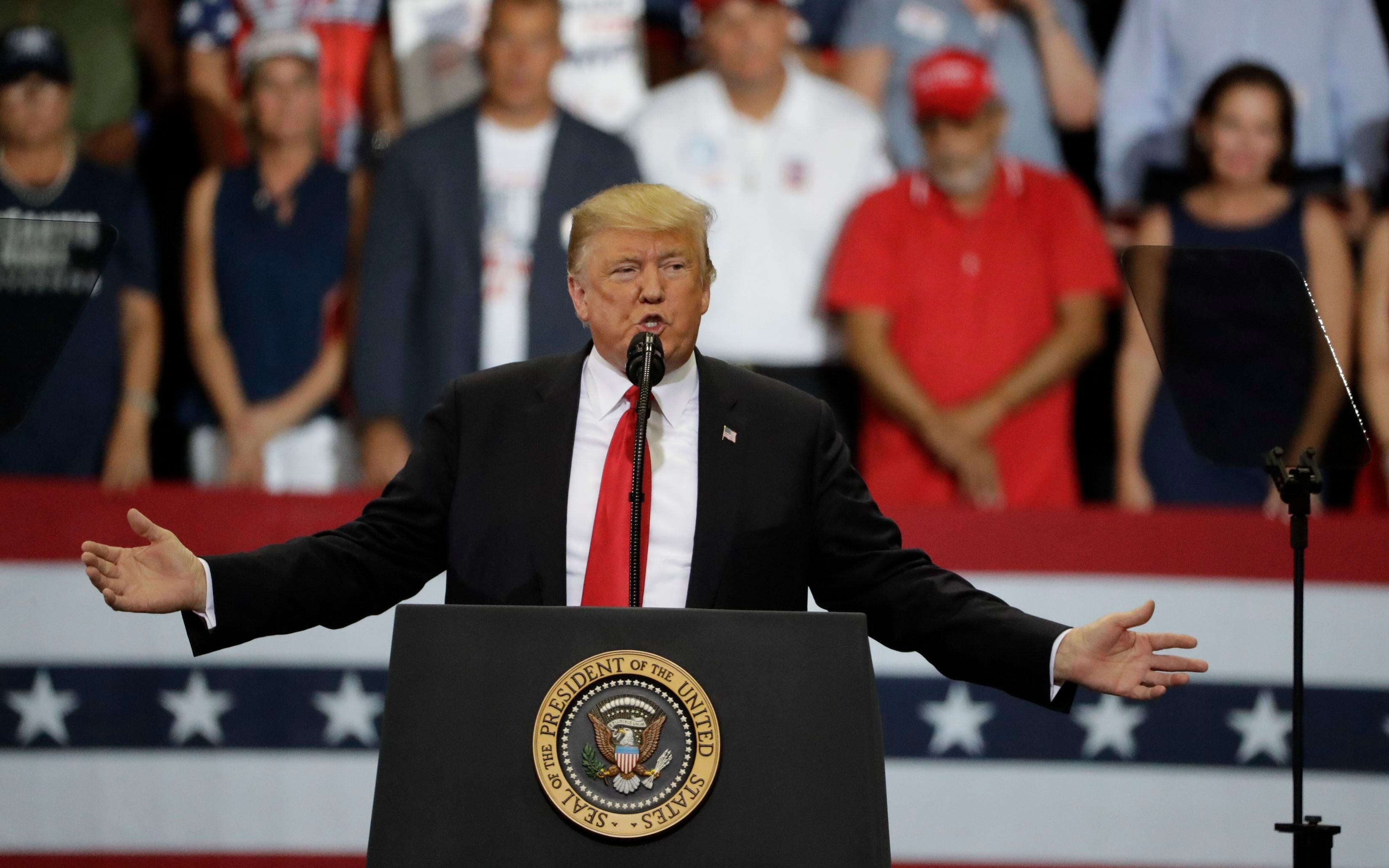
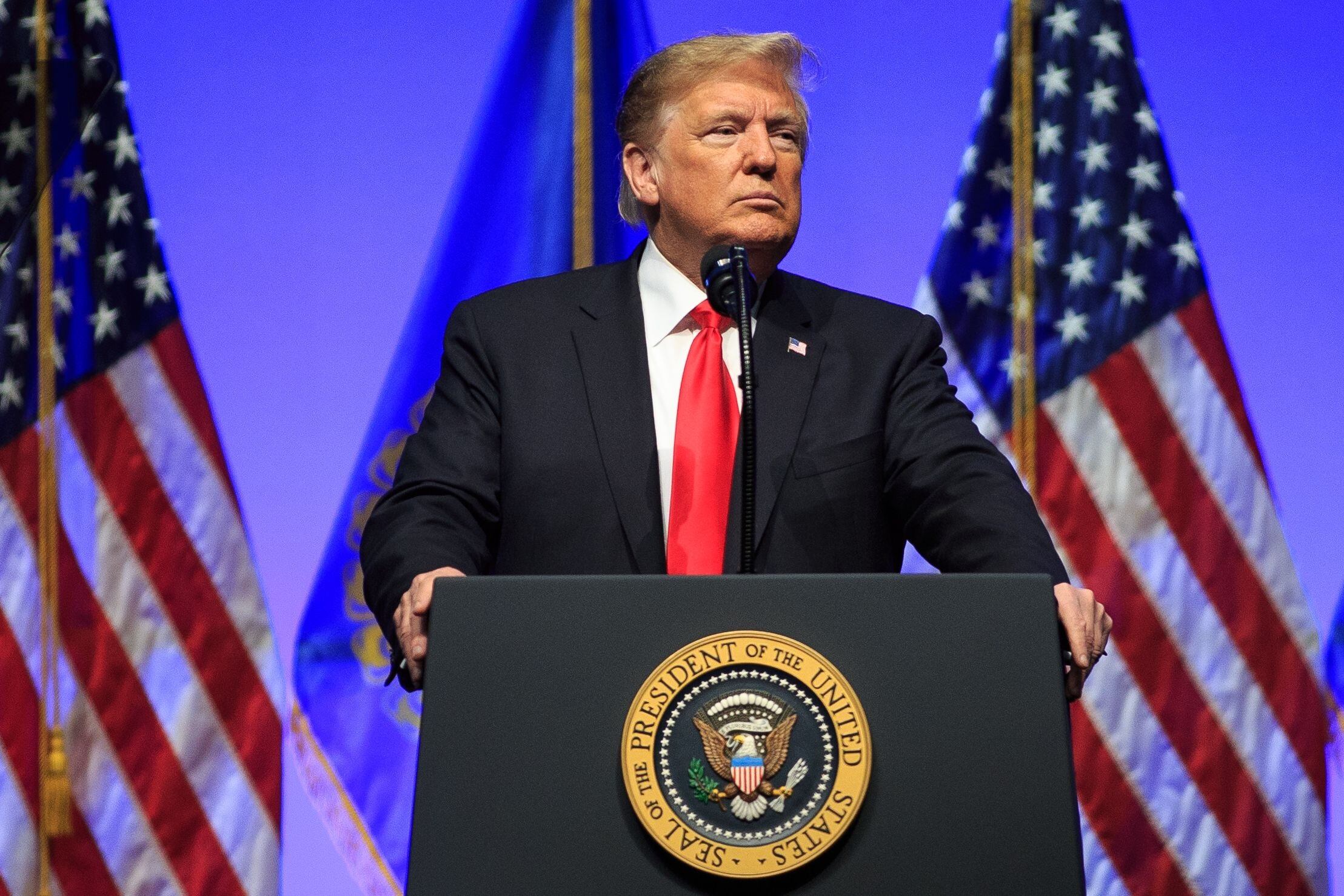
*By Justin Chermol and Carlo Versano* When General Motors announced a major restructuring that would result in mass layoffs and plant closures, the American automaker managed to do what few others have: unite the left and right in anger and disappointment. Rep. Debbie Dingell (D-MI) represents a suburban Detroit district that will be affected by the reductions. She told Cheddar in an interview Wednesday that she was surprised by the timing, given that the auto industry is cyclical. Both Democrats and Republicans think "they are the worst corporation in this country." "They have no fans right now," she said. GM's newest strategy is twofold: the company is shrinking its sedan footprint in response to market conditions and consumer tastes, as well as investing in an electric, self-driving future it's terming "Zero Crashes, Zero Emissions, Zero Congestion." Ford ($F), GM's main American rival, announced in April that it will scale about 90 percent of its auto production to trucks, utilities, and commercial vehicles by 2020. The company went on to explain that it would discontinue four of its sedan models and invest more in autonomous technology. Back in June, in a cautionary note, GM [wrote](https://assets.bwbx.io/documents/users/iqjWHBFdfxIU/rJBrNbApznVU/v0) to the Department of Commerce, warning increased tariffs could lead to a "smaller GM." Despite its foresight, GM didn't cite tariffs as a reason for the layoffs in its statement Monday. Instead, CEO Mary Barra said almost the opposite ー that the economy was so strong that it would be preferable to make changes now rather than trying to restructure during a slowdown. Automakers learned that lesson the hard way during the financial crisis. Dingell said that while she indicated to President Trump that she would support a "NAFTA 2.0" trade bill, she has changed her mind in the wake of GM's restructuring. "I will not support a trade bill that lets that company put any more jobs in Mexico," she said. "We need to keep those jobs here in the United States." After the announcement, [President Trump](https://twitter.com/realDonaldTrump/status/1067494680416407552) and Prime Minister [Justin Trudeau](https://twitter.com/JustinTrudeau/status/1067082236686753792?ref_src=twsrc%5Etfw%7Ctwcamp%5Etweetembed%7Ctwterm%5E1067082236686753792&ref_url=https%3A%2F%2Fwww.cnn.com%2F2018%2F11%2F26%2Fbusiness%2Fgm-oshawa-plant%2Findex.html) both took to Twitter to call reductions in the U.S. and Canada a massive "disappointment." Since then, the two leaders have spoken on the phone to discuss the issue. While pundits and industry analysts debate whether the era of the personally-owned car is coming to an end ー and perhaps where American automakers fall in the new mobility hierarchy ー the effects of GM's decisions will still weigh heavily on local communities that depend on it as the anchor business. And that, in turn, makes it a political issue for the president. President Trump dispatched his chief economic adviser Larry Kudlow to meet with Barra. As for the future of the auto-industry, Rep. Dingell said she understands the harsh realities her constituents are facing: "It's no longer a car industry, its a mobility industry. And the mobility industry is changing." "The model is going to change but you are still going to be building vehicles and there will be new jobs," she said.