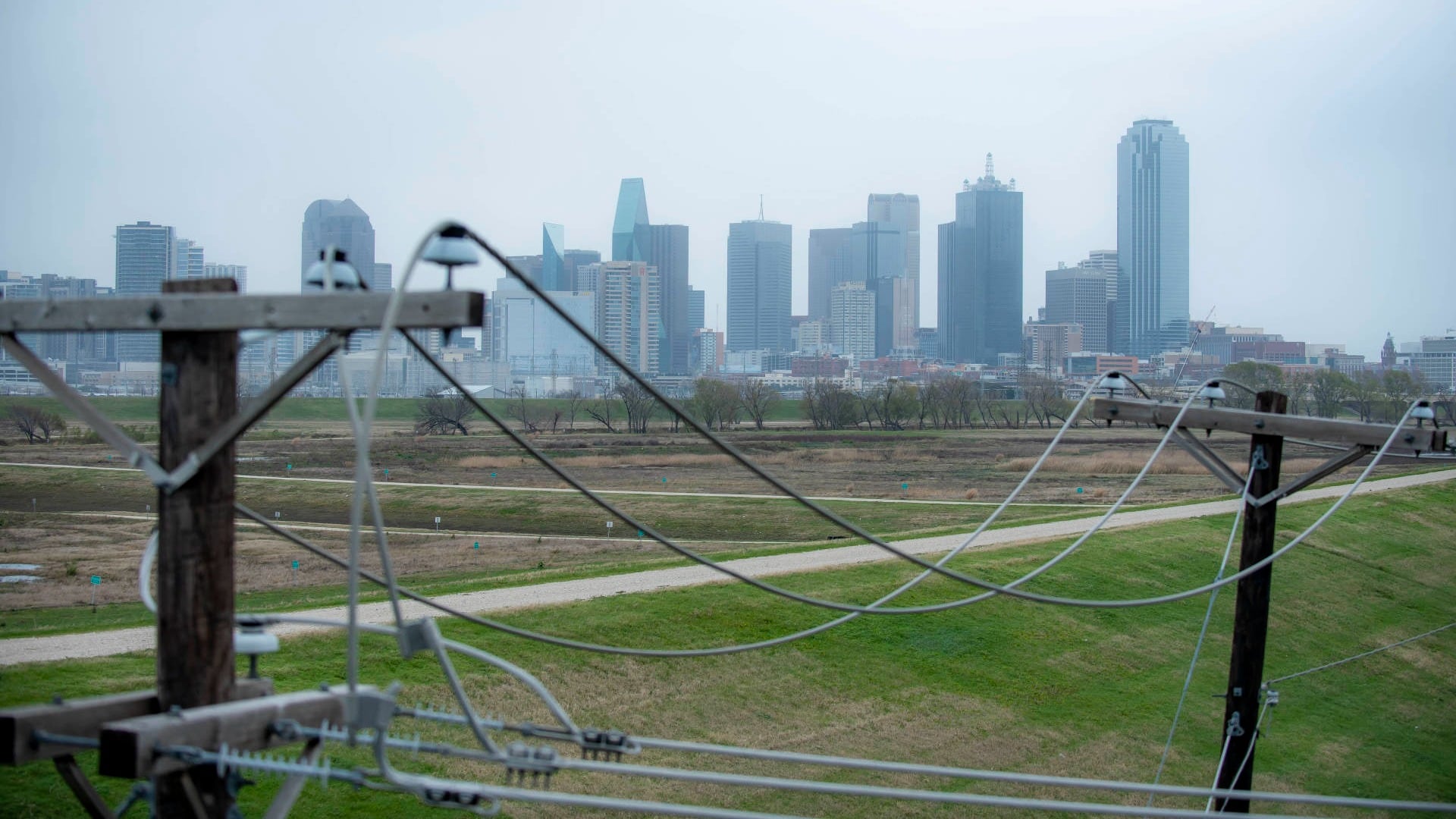
The Dallas skyline is visible from Sylvan Avenue in Dallas, Texas on Thursday, December 22, 2022. (Emil T. Lippe for The Washington Post via Getty Images)
Ford, General Motors, Google Nest, and several energy companies are partnering to support the growth of "virtual power plants" (VPPs) — or networks of decentralized power sources designed to kick in when the grid falls short. RMI, a nonprofit seeking to decarbonize the energy system, is spearheading the effort.
“Virtual power plants are poised for explosive growth, and RMI is committed to being at the forefront of their success by launching VP3,” said RMI CEO Jon Creyts in a press release. “Our analysis shows that VPPs can reduce peak power demand and improve grid resilience in a world of increasingly extreme climate events."
How does this work? Virtual power plants pool together both energy producers and consumers under a single entity, from wind and solar farms to home heaters that use smart thermostats. The idea is that these networks can coordinate to both provide and conserve energy as needed, depending on demand on the grid. This could entail using advanced software to prompt members to reduce their consumption.
On the supply side, producers in a VPP are able to better "monitor, forecast, optimize and trade their power," explains Next, one of Europe's largest VPP operators. "This way, fluctuations in the generation of renewables can be balanced by ramping up and down power generation and power consumption of controllable units."
So if a wind farm is overproducing, and a solar park is under producing, they can coordinate their output to provide a balanced load. It also allows them to potentially trade together on the same market, putting them in competition with large central power plants. It could also provide additional power options for large industrial consumers, such as automakers.
“Virtual power plants present an exciting opportunity to unlock additional value for homes, businesses and communities, helping to drive greater energy independence and grid decarbonization,” said Mark Bole, vice president and head of GM's V2X and Battery Solutions. “This collaboration underscores GM’s commitment to creating a more resilient grid, with EVs and virtual power plants playing a key role in helping to advance our all-electric future.”
The largest tech convention in the world kicks off this week. CES, organized by the Consumer Technology Association, will run from Wednesday Jan. 5 through Friday Jan. 7, featuring more than 2,000 exhibitors showing off their latest tech products in Las Vegas. Ian Sherr, editor at large at CNET, gives a first look at some of the biggest trends expected this year.
Verizon and AT&T have agreed to delay the launch of their 5G networks for two weeks following pressure from the Federal Aviation Administration, airline companies and even Transportation Secretary Pete Buttigieg. The aviation industry is concerned the 5G rollout could bring technical challenges or safety concerns on top of the current disruptions they're already dealing with from COVID and severe weather. Hugh Odom, founder and president of Vertical Consultants and former AT&T attorney, discusses how the Biden administration was able to come to this agreement with the wireless carriers.
Angelo Zino, Senior Industry Analyst & Vice President at CFRA Research, breaks down the tech giants' valuation milestone and discusses the areas of Apple's business that could see further growth.
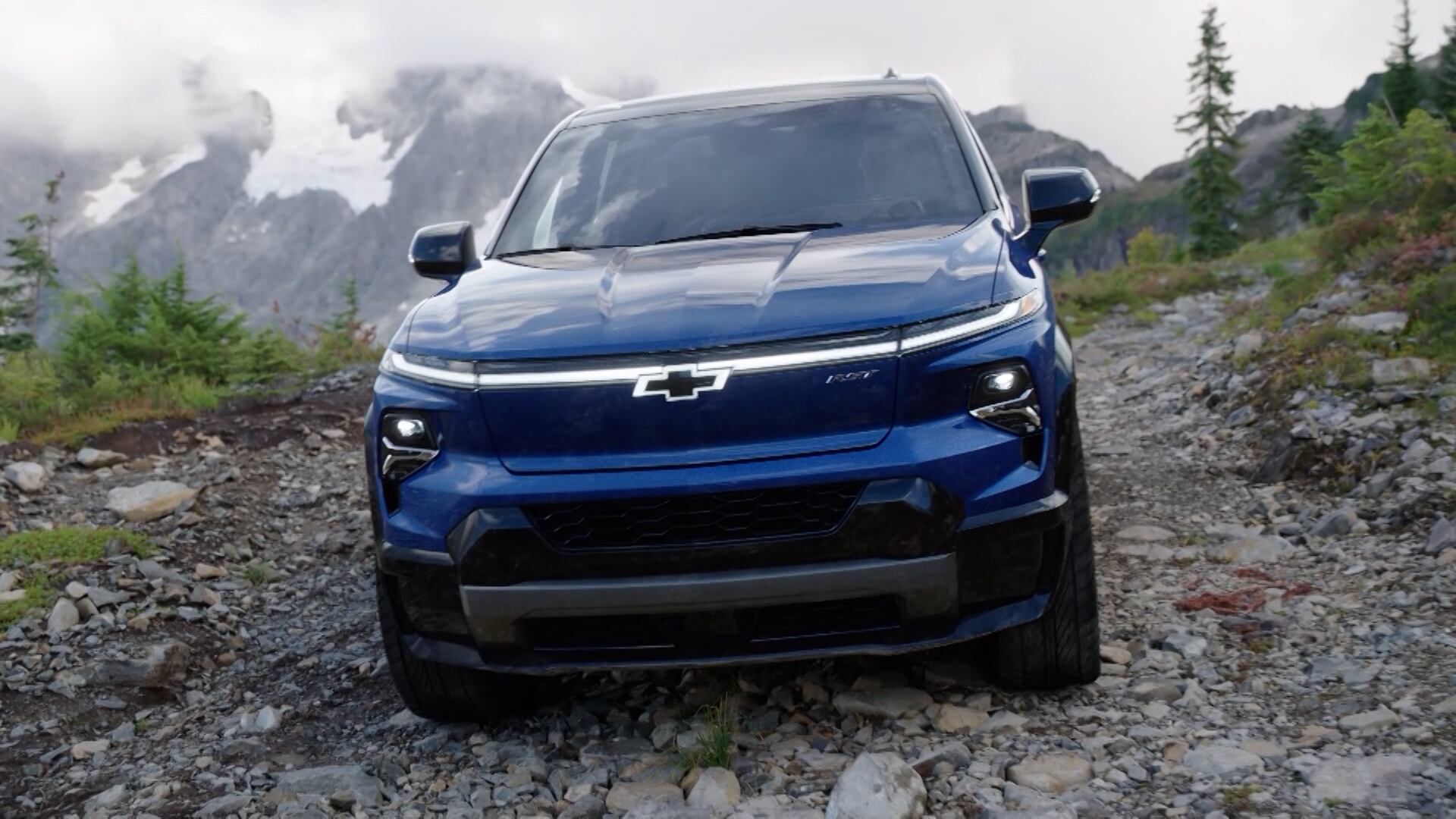
General Motors rolled out the newest addition to its EV fleet with the all-electric Silverado pickup truck. Deborah Wahl, chief marketing officer at GM, joined Cheddar to talk about the latest EV offering and how it matches up to its past gas-powered versions. She said she expects demand to soar after the "first-level truck" sold out in just 12 minutes and talked about steps GM plans to take to regain its title as top U.S. auto seller after being dethroned by Toyota in 2021 with emphasis on the EV market. "I think this is an exciting new inflection point for the market overall, for [an] idea of an all-electric future, and certainly shows that we're extremely committed to the idea of everybody in an electric vehicle," said Wahl.
With the annual CES convention underway amid COVID, HP unveiled rolled out a number of new products virtually this year, including new gaming PCs and 4K display monitors. But as industries look toward a greener future, HP is working with the climate crisis in mind. James McCall, chief sustainability officer at HP, joined Cheddar's Kristen Scholer to discuss the company's climate goals, which includes reducing its carbon footprint to net-zero by 2040. He admitted that reaching the ambitious goal will be difficult because much of the company's emissions totals come from third parties. "A large part of our footprint is outside of HP's direct control. A lot of it comes either from our incoming supply chain, the materials, our manufacturing process, or about 30 to 40 percent of it comes from our consumer-use base," McCall told Cheddar.
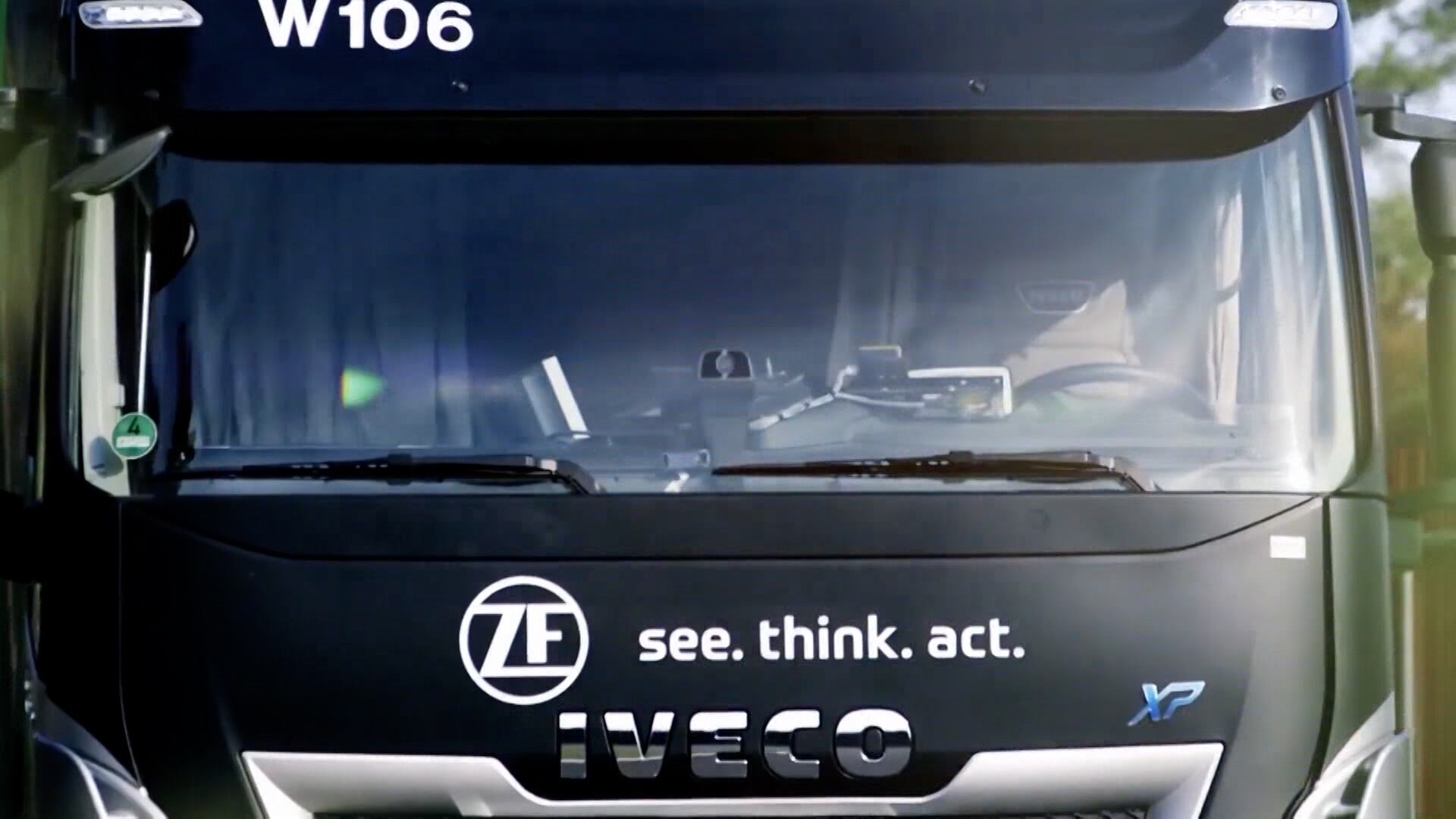
Martin Fischer, president of technology supplier for cars and commercial vehicles ZF North America, joined Cheddar to discuss the company's solutions for next-generation mobility in autonomous vehicles and its plans to usher in the next phase of electric vehicles. He also talked about the rising demand for self-driving technology on a global scale. "Whereas we are really active also there for passenger cars and commercial vehicles, what we showcase at CES now virtually is our autonomous shuttles," he said. "So, what that means is we bring these vehicles to busy city centers and can take traffic levels down."
Steve Patton, EY Americas Mobility Sector Leader, joins Cheddar News to discuss what can be done to speed up the adoption of EVs, and how infrastructure can be scaled up to support this transition.