More than 90 million square feet of retail space has been shuttered this year, and with the retailer Bon-Ton announcing this week it would close 200 of its stores, 2018 is on track to break last year's record for lost stores.
"This is just another example of one of those big box retailers who weren't nimble enough and really listening to the changing times," said Melissa Gonzalez, founder and CEO of Lionesque Group.
In the first four months of 2018, retail giants like Toys "R" Us, Sears, and Sam's Club have closed all or some of their locations. Moody's distressed-level watch list predicted that others, such as Guitar Center, J. Crew, and David's Bridal could be next.
There have already been more store closures in 2018 than there were in all of 2016. And as each brick-and-mortar shop shutters, it creates potential customers for online retailers like Amazon.
"They have data at their fingertips, they're really at the pulse of understanding what consumers want," said Gonzalez in an interview Friday on Cheddar. "They can serve up the items that you know we want, and present things online before we even know we want them, and they can target us in ways department stores aren't able to do."
For full interview, [click here](https://cheddar.com/videos/2018-the-year-of-retail-closures).
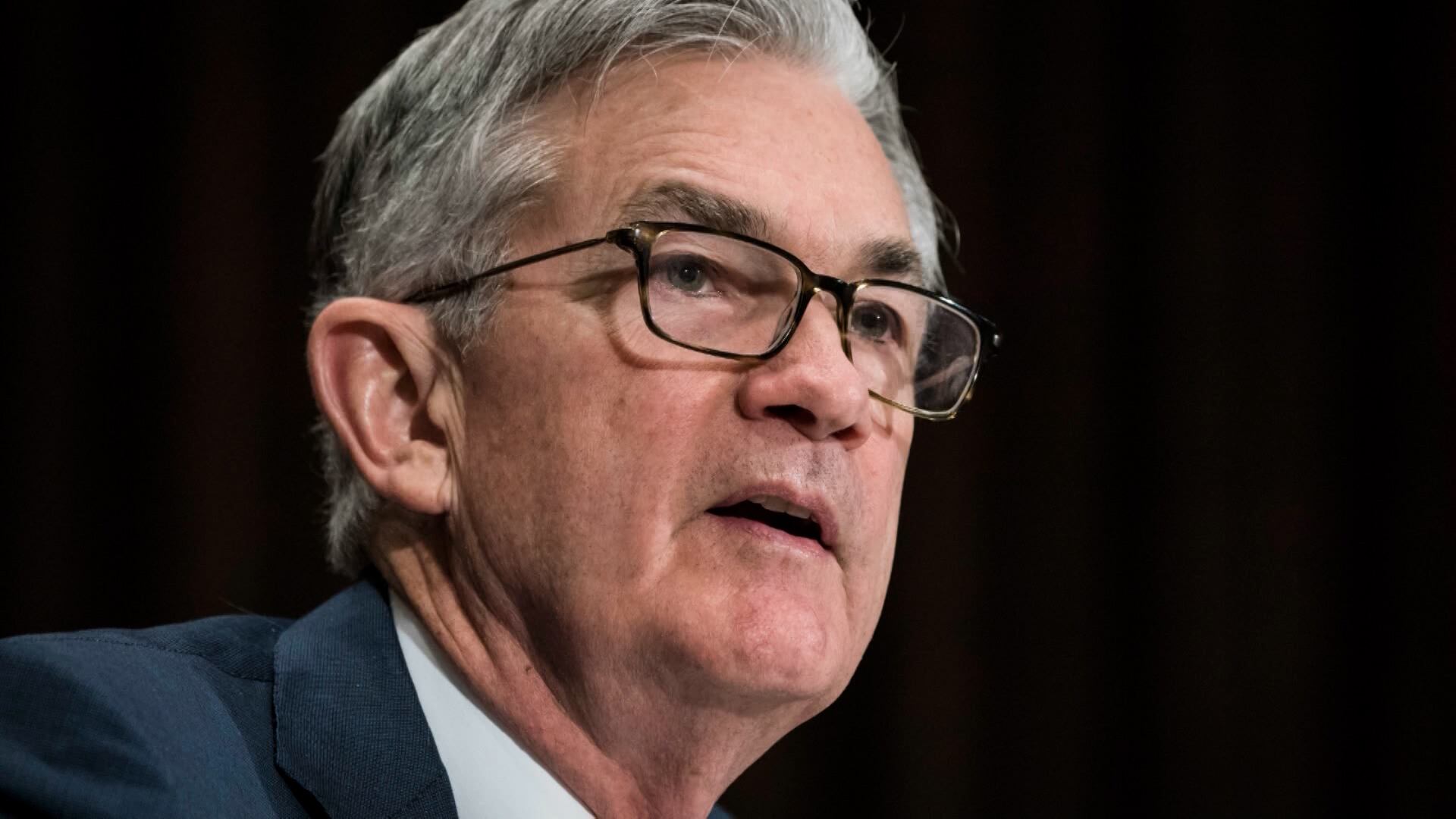
The Federal Reserve minutes from its January meeting are indicating it's sticking to an interest rate hike in March, but what does the report coupled with ongoing inflation mean for investors going forward? Scott Brown, a market strategist at LPL Financial, joined Cheddar News to break down the minutes and talk about how investors might navigate the rest of the year. "it seems like the market is kind of inclined to trade off these headlines, really, through the first half of the year," he said. "And then, oh, don't forget, we've got midterm elections, which always tend to add a little bit of volatility in the second half of the year." Brown noted that the path forward for stock investors in 2022 would be "rockier" than last year.
Season 13 "Shark Tank" contestant Tania Speaks secured a $400,000 deal for her Speaks Organic Skincare brand with "Shark" Mark Cuban while also being named one of the best pitches in the history of the show — all at 19 years old. Now 20, Speaks joined Cheddar News to talk about the skincare line, the clean beauty industry, and the moment that host Cuban was moved by her pitch. "I couldn't believe that he got emotional. I'm surprised I held back my tears that long," the young entrepreneur revealed. "It's just amazing for someone else to be inspired by your story, especially Mark Cuban himself."
The media giant formerly known as ViacomCBS has officially rebranded itself as Paramount Global with a focus on its streaming service, Paramount Plus. Naveen Chopra, chief financial officer at Paramount, joined Cheddar to discuss the company’s name change and streaming wars. "There are components of content licensing that we continue to do, either historical arrangements or opportunities to license content that don't really impinge on what we're trying to do with our owned and operated services and that continues to be an important ingredient in our broader financial model," he said. "But our number one priority is putting our best assets on Paramount Plus." Chopra also discussed theatrical release windows before feature films hit its service and the platform's subscription goals.
The recent 7.5% year-over-year increase in consumer prices is the highest since 1982, and drew some strong reactions from investors, with speculations that the Federal Reserve will hike interest rates by 50 points instead of 25. But other analysts believe that the Fed will stick with its original plan of 25 points next month. Chris Vecchio, Senior Analyst, at DailyFX broke down how the Fed could potentially react to the historically high inflation data.
Ride share competitors Uber and Lyft both posted their fourth quarter earnings days apart from each other. Both companies have been trying to get back on their feet after taking some pandemic-related hits, but the Omicron variant had other ideas as the year came to a close, with each company taking a hit in ridership in December. Lance Ippolito, head trader at The Future of Wealth explains how Uber and Lyft measured up this earnings period and why Uber may still have an edge over the competition.