By David Koenig and Michelle Chapman
Frontier Airlines and Spirit Airlines are proposing to combine in a $2.9 billion deal that would create a larger discount airline to compete against the nation's dominant carriers and, they say, promote lower fares.
Both are ultra-low-cost carriers that tempt travelers with rock-bottom prices for no-frills service but often generate more than their share of consumer complaints.
The deal is likely to get a close examination from antitrust regulators in the Biden Administration, which has signaled a tougher line against big corporate mergers. Consumer advocates criticized the Obama administration for allowing a string of major-airline mergers that greatly consolidated power in the industry.
However, the Frontier-Spirit combination would rank only fifth among U.S. airlines in passenger-carrying capacity and seventh in revenue. Frontier and Spirit are pitching their merger as a counterbalance to American, Delta, United and Southwest, which together control about 80% of the U.S. air travel market.
“The Biden administration has made it very clear over the last year that they would like to promote competition in the airline space, and this is really an answer to returning balance from a competitive perspective to the big four," Frontier CEO Barry Biffle said in an interview.
Savanthi Syth, an airline analyst for Raymond James & Associates, said that because of the relatively small size of Frontier and Spirit, she wouldn't expect antitrust issues “in a normal environment ... but given the Biden Administration’s ‘big is bad’ approach we would expect some objection.”
Airlines are struggling to recover as the pandemic stretches into a third year. Frontier and Spirit both reported Monday that they suffered fourth-quarter losses — $87.2 million for Spirit, $53 million for Frontier. Both also posted full-year losses for 2021.
The airlines claim that if they are allowed to merge it will create many new routes that aren’t currently served by ultra-low-cost carriers, resulting in $1 billion a year in savings for consumers. They also say the combined company will grow and create 10,000 new jobs by 2026.
Ultra-low cost airlines have shaken the airline industry in recent years, using their lower cost structure — including less-senior workers — to take customers away from entrenched carriers and lure people who balk at paying major-airline fares. Frontier and Spirit say their costs are up to 40% lower on a per-mile basis, which will discourage bigger airlines from matching their prices.
The budget airlines, however, lack advantages of the giant carriers. They don't fly long international routes, they have smaller frequent-flyer programs, and they tend to operate fewer flights per route, which leaves fewer options to rebook passengers if a flight is canceled or delayed.
Frontier and Spirit frequently have among the highest complaint rates in the industry – they ranked last and next to last in the latest monthly figures from the Transportation Department. Many of those complaints are for canceled or delayed flights. The airlines say that by combining, they will create a more reliable airline with fewer flight disruptions.
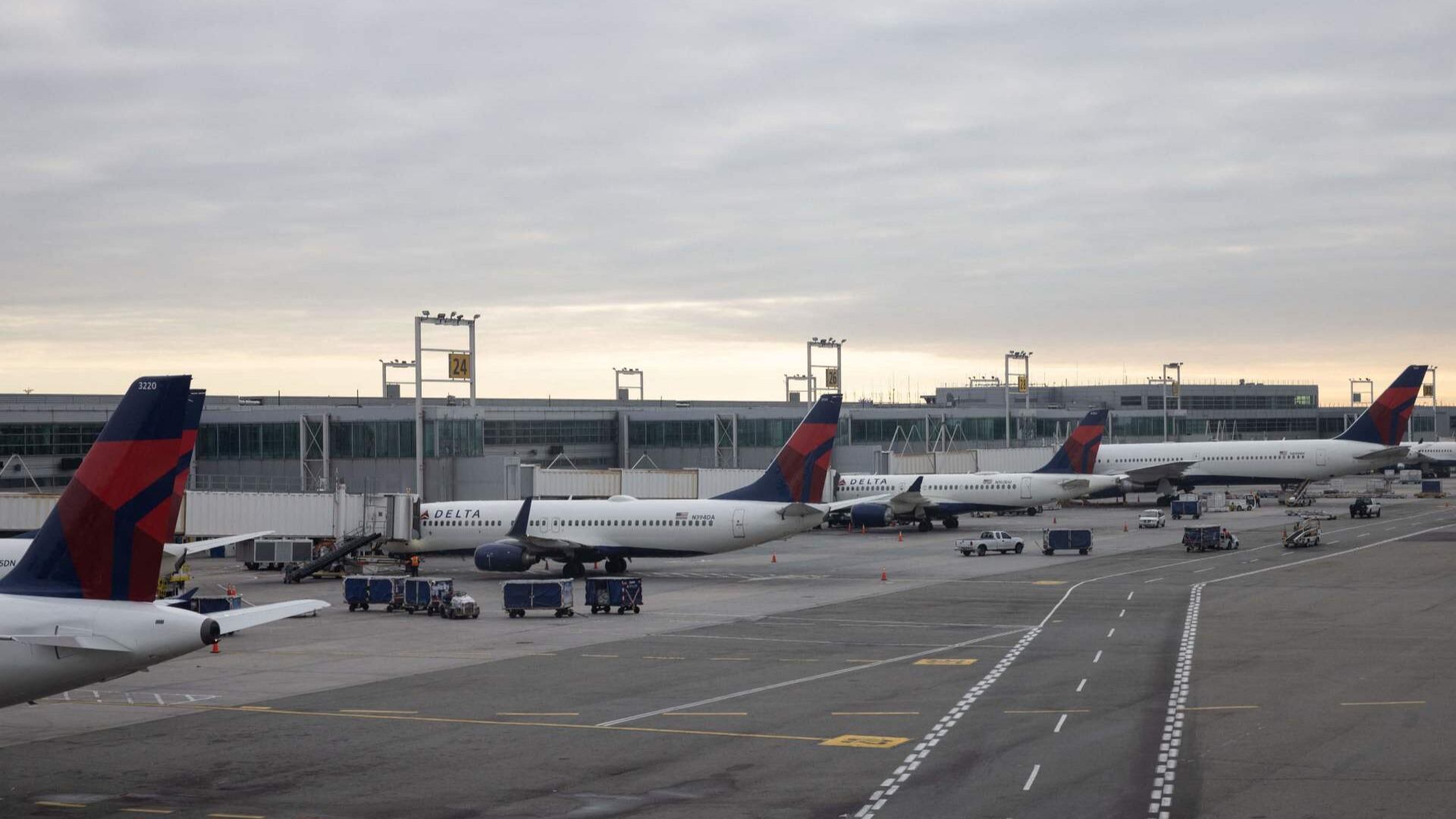
While the airlines were saying that, the Federal Aviation Administration ordered the grounding of all Frontier flights nationwide because of “automation issues.” By midday, Frontier had canceled more than 110 flights, or more than 20% of its schedule, and delayed a similar number.
Frontier spokeswoman Jennifer De La Cruz said the problem was a technology-related issue that was fixed. She said the airline was working to restore its flight schedule for the rest of the day.
The airlines did not announce the combined company’s name, its CEO or the location of its headquarters. Frontier Chairman Bill Franke, who heads a committee that will make those decisions and serve as chairman of the new company, said there is no reason to announce such things until it is clear that the merger will go through.
“Right now we need to have regulatory oversight, regulatory support for the transaction. That could take a matter of months,” said Franke, who was once Spirit's chairman and whose Indigo Partners investment firm is now Frontier's biggest shareholder.
According to the deal announcement, Frontier shareholders will own 51.5% of the new company. Spirit shareholders will get 1.9126 shares of Frontier plus $2.13 in cash for each of their Spirit shares, which values Spirit at $25.83 per share based on Frontier’s closing stock price of $12.39 on Friday.
In afternoon trading Monday, shares of Miramar, Florida-based Spirit rose nearly 17% to $25.40, Denver-based Frontier gained 3%, and the nation's other leading budget airline, Allegiant, was little changed.
The transaction is expected to close in the second half of the year. It still needs approval from Spirit shareholders.
Updated on February 7, 2022, at 2:02 p.m. ET with the latest details.