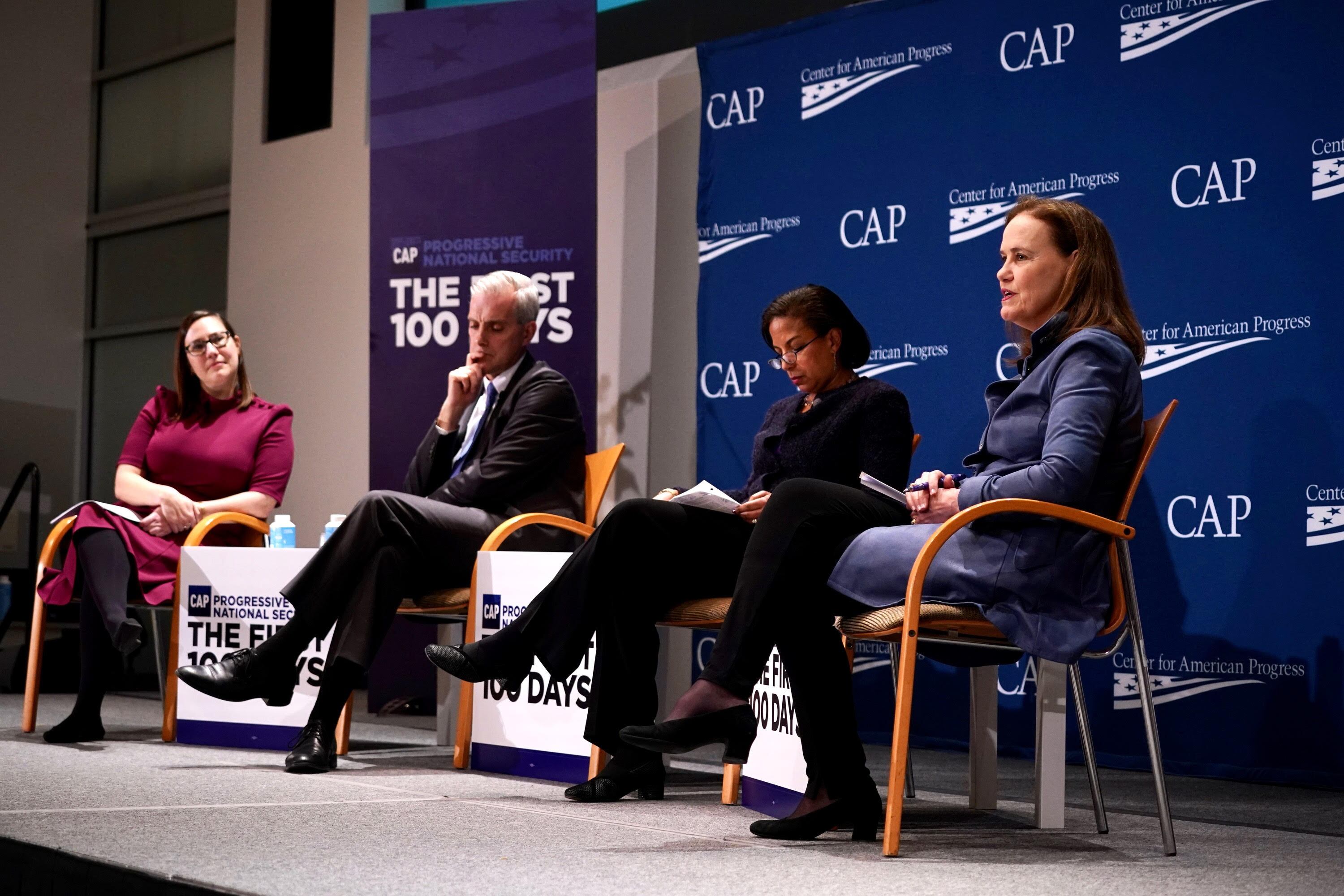
Senior foreign policy officials from the last several presidential administrations gathered in Washington D.C. Tuesday for a series of panels and workshops aimed at creating a “roadmap for an incoming administration’s first 100 days in office,” according to the Center for American Progress.
Solutions that stem from the summit, hosted by the progressive think tank, are intended to help provide a new administration with approaches to handling pressing issues, such as mending fences with European allies and de-escalating tensions with nations like Iran and China.
Though the roadmap would likely be of more interest to a new administration come 2021, it will also be available to President Donald Trump if he wins re-election this November, although the organization does not believe the president’s advisors would take the advice of the progressive experts who were gathered.
Katrina Mulligan, a former Department of Justice national security expert who now works on national security and international policy at CAP, said the eventual goal is to put together “a menu of options” with a “focus on those activities or actions that would have the highest impact.”
Mulligan said experts who were working with the White House as far back as the Reagan administration planned to be in attendance. She said she hopes the next administration takes advice on, what she describes as, both offensive and defensive moves. “What do you need to do to repair things that are inherited on day one and what are the things you need to do to lay out an affirmative agenda?”
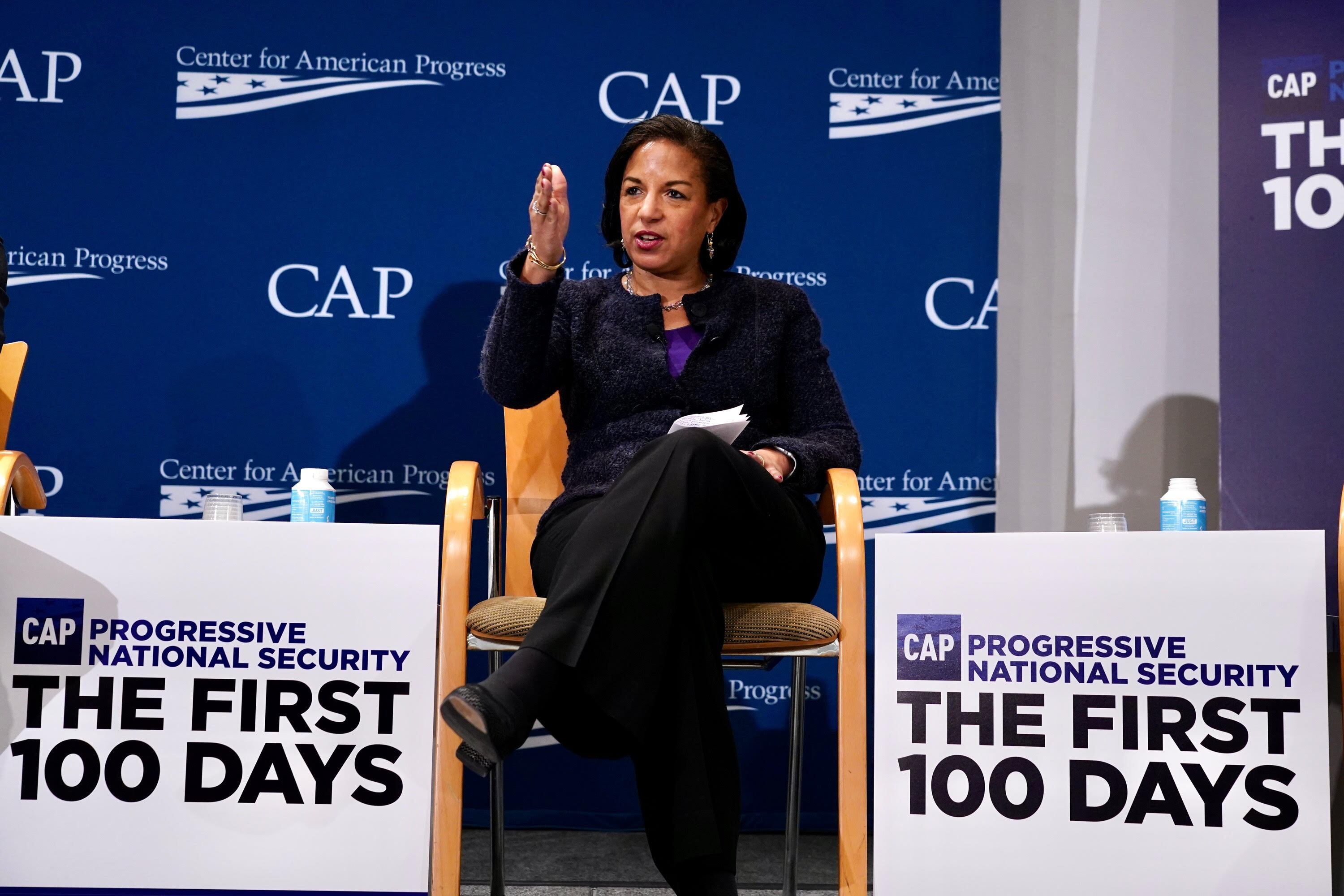
<i>Former Ambassador Susan Rice speaks at CAP’s opening event. / Center for American Progress</i>
Attendees include former Ambassador to the United Nations Samantha Power, former National Security Advisor Ambassador Susan Rice, former White House Chief of Staff Denis McDonough, former Under Secretary of Defense Michèle Flournoy and former Deputy National Security Advisor Avril Haines.
The group hopes to outline possible executive actions, diplomatic priorities and policy implementation activities, though Mulligan said there wasn’t a “specific catalyst” for the agenda- planning meetings.
After President Trump took office, employees left the State Department in droves. The State Department lost 12 percent of its foreign affairs specialists in the first eight months of Trump’s presidency.
Those who remain have worked on Trump’s ‘America First’ platform, which focuses on domestic priorities over stronger international ties. The president has also butted heads with allied leaders during his time in office, while actively working to strengthen bonds with leaders of nations traditional hostile toward the U.S. such as North Korea’s Kim Jong Un and Russia’s Vladimir Putin.
A new administration will need a robust employee base in order to accomplish lofty foreign policy goals, so Mulligan is leading a group to formulate ideas on that very issue. “I worry about the hollowing out of career civil service at the State Department, particularly,” Mulligan said. “I worry about the legacy of ‘America First’ and what it means for a lot of people who don’t understand the risk of isolating America by treating other countries the way we’ve been treating them.”
Together, she said CAP hopes to provide a roadmap in six to nine months for a new president.
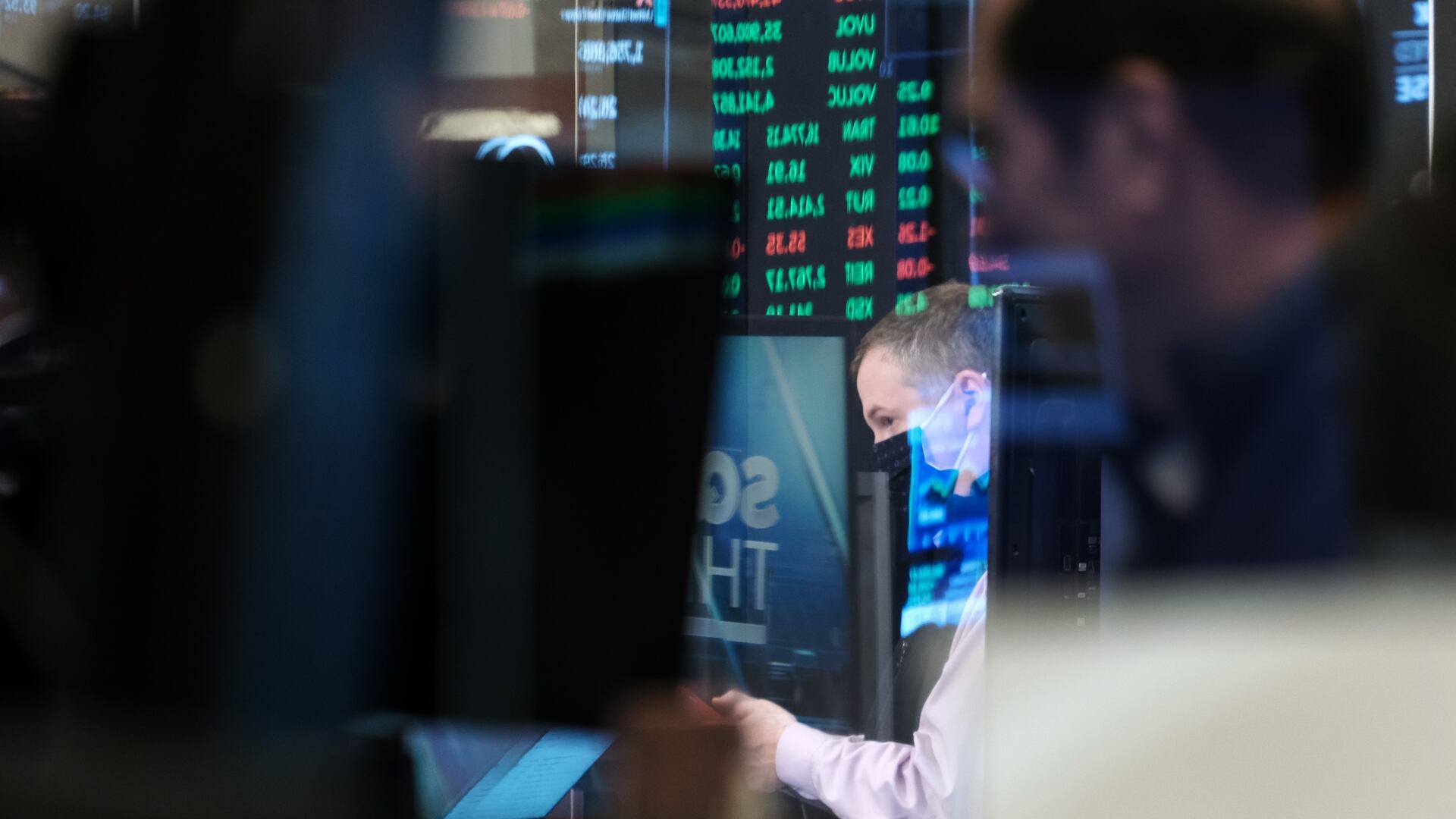
Markets were pointing to a higher open to kick off the third trading week in November. It comes as stocks come off a losing week in reaction to October's consumer price index--which showed inflation at its highest point in over 30 years.
Ryan Detrick, Chief Market Strategist for LPL Financial joined Wake Up with Cheddar to discuss.
Harvard Business School Professor Ranjay Gulati joined Wake Up With Cheddar to break down the massive challenge the Biden Administration faces in ensuring projects in the $1.2 trillion infrastructure bill are completed on time and on budget.
Jill is joined by Baker Machado to talk all things infrastructure: where will the money go and who’s in charge? Plus, Sesame Street has its first Asian-American muppet. And a trailer for the trailer for Spiderman. Huh?
In this week's Cheddar Changemakers, Megan Pratz spoke with a 16-year-old climate activist Sarah Goody. She is the founder of a youth-led climate action group 'Climate NOW.'
We toss around the term "democracy is under attack" quite often without thinking too much, but one organization is actually stepping up to do something about it. The Fairness Project is a group that funds and organizes state ballot measures across the country. It has used ballot initiatives on campaigns aimed at expanding Medicaid, adding more paid time off, and raising minimum wage. It recently launched a new direct democracy campaign to fight back against attempts to make ballot measures inaccessible.
Kelly Hall, executive director of The Fairness Project, joined Cheddar Politics to discuss more about the group's efforts to push for economic and social justice, avoiding partisan gridlock.
Doug Flynn, Certified Financial Planner and Co-Founder of Flynn Zito Capital Management, joins Cheddar News' Closing Bell, where he says he believes the news of the infrastructure bill was already priced into the market and that inflation continues to loom large on Wall Street.
President Joe Biden signed into law today his landmark $1.2 trillion infrastructure bill, and it includes approximately $550 billion in new funding for increased broadband access, improving the power grid, and more. But what does this mean for the American economy, and American workers? Eliza Collins, Politics Reporter at The Wall Street Journal joins Cheddar News' Closing Bell to discuss what's included in the bill, which former mayor has been tapped to oversee how the bill is implemented, and how these new infrastructure investments will impact the economy.
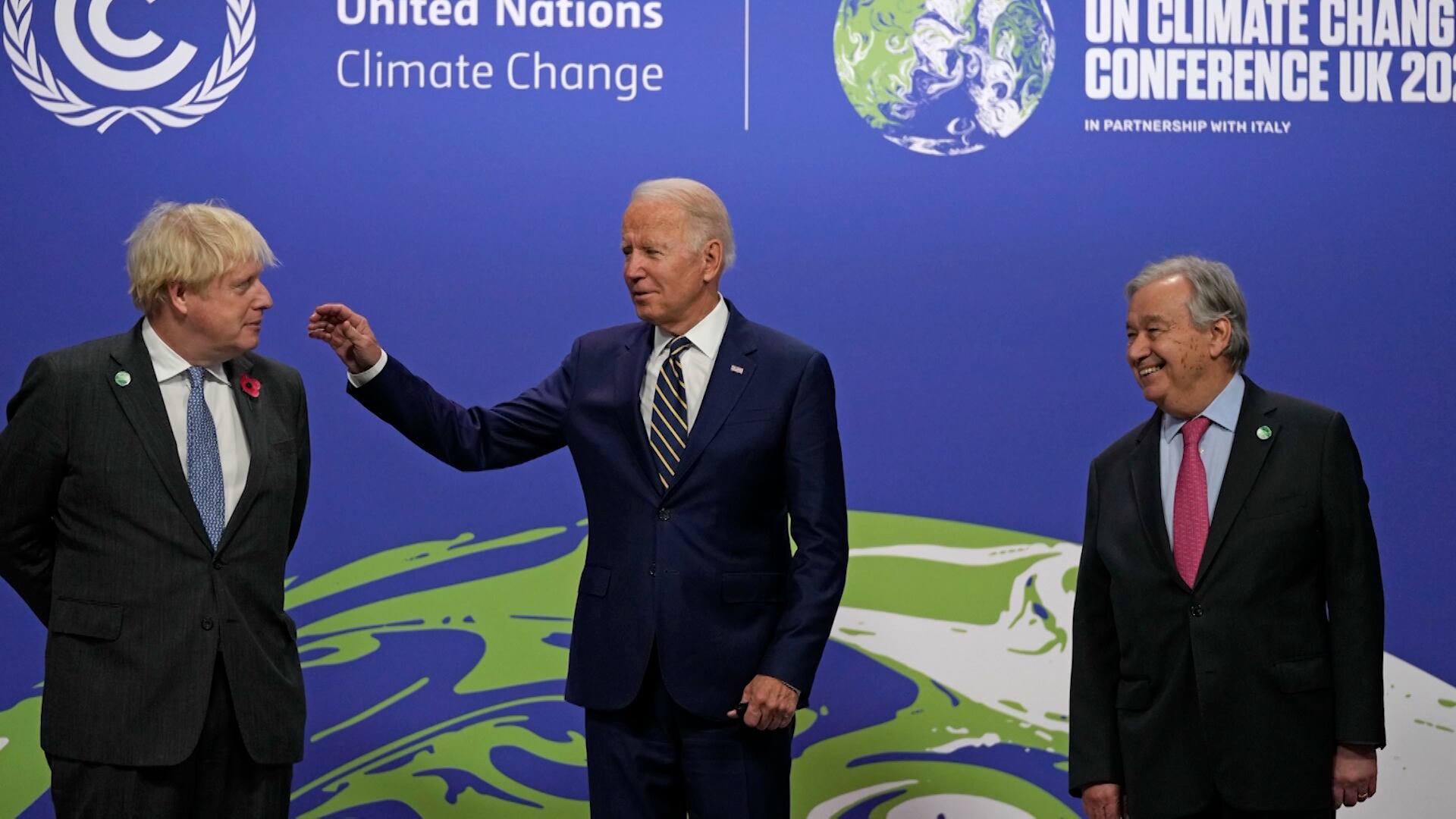
The two-week COP26 climate conference has now ended with leaders reaching a deal, but so far the deal is getting mixed reviews from climate experts across the globe. Chloe Demrovsky, president and CEO of Disaster Recovery Institute International, explains that while the agreement is a step forward in some ways, the world still has much more to work on in order to keep warming to below 2 degrees Celsius.
Jill and Carlo cover the latest with the infrastructure bill, the growing state rebellion over boosters, Trump's dereliction of duty on the pandemic, Taylor Swift's reign of cultural domination and more.