As Washington debates whether the country should repeal the Affordable Care Act, known as Obamacare, applicants are rushing to get covered, reportedly driving applications to a record high.
“I’m glad that the people understand the importance of getting coverage,” Donna Christensen, the former delegate for the U.S. Virgin Islands’ at-large district, told Cheddar on Wednesday.
But many still remain uninsured. According to the National Center for Health Statistics, 28.2 million people under the age of 65 did not have coverage in 2016.
For context, that's a smaller proportion than before Obamacare passed. The federal agency said that the percentage of people uninsured now stands at 9 percent, compared to 16 percent in 2010.
Many uninsured and current beneficiaries of the Act worry that a repeal would be in place by 2019 and that time is running out. However, Christensen argues that this is not the case. She says it’s going to be very hard for Congress to repeal ACA.
“The Affordable Care Act is still the law of the land,” the ex-congresswoman said, stating that she doubts a repeal would ever happen.
“It was not easy to get the law passed, but it’s going to be more difficult to take it away,” Christensen said.
She encouraged the uninsured to seek coverage by December 15th this year, pointing out that benefits will be valid into the next year.
Congressional Budget Office director Keith Hall put out a blog post on the federal agency’s website on Wednesday. He says that according to the CBO’s most recent baseline, repealing Obamacare's individual mandate would reduce the nation’s federal budget deficit by $338 billion within the next decade. That's less than the previous estimate of $416 billion, made last December.
Cryptocurrencies and digital assets are ideally left to the jurisdiction of the U.S. Commodity Futures Trading Commission, rather than the Securities and Exchange Commission, according to Congressman Darren Soto (D-Fla.). "Securities laws can be very intense and hurt the market unless it’s truly a security,” Soto told Cheddar Thursday.
These are the headlines you Need to Know for Thursday, Jan. 10, 2019.
Television psychologist Phil McGraw, better known as Dr. Phil, praised his "best friend" and colleague in entertainment Oprah Winfrey in an almost-endorsement for a presidential run on Wednesday when he joined Cheddar to discuss his new podcast, "Phil in the Blanks."
Apple is planning to slash production for its newer iPhone models by 10 percent this quarter, according to a report in the Nikkei. However, CEO Tim Cook continues to say that the iPhone XR is the best-selling phone in company history. Trade talks between China and the U.S. wrapped up Wednesday after an unscheduled third day of negotiations. Both sides expressed optimism over the progress made during these talks. Plus, Hope King sits down with Bridget Karlin, chief technology officer for IBM Global Technology Services, to talk about the future of blockchain and much more.
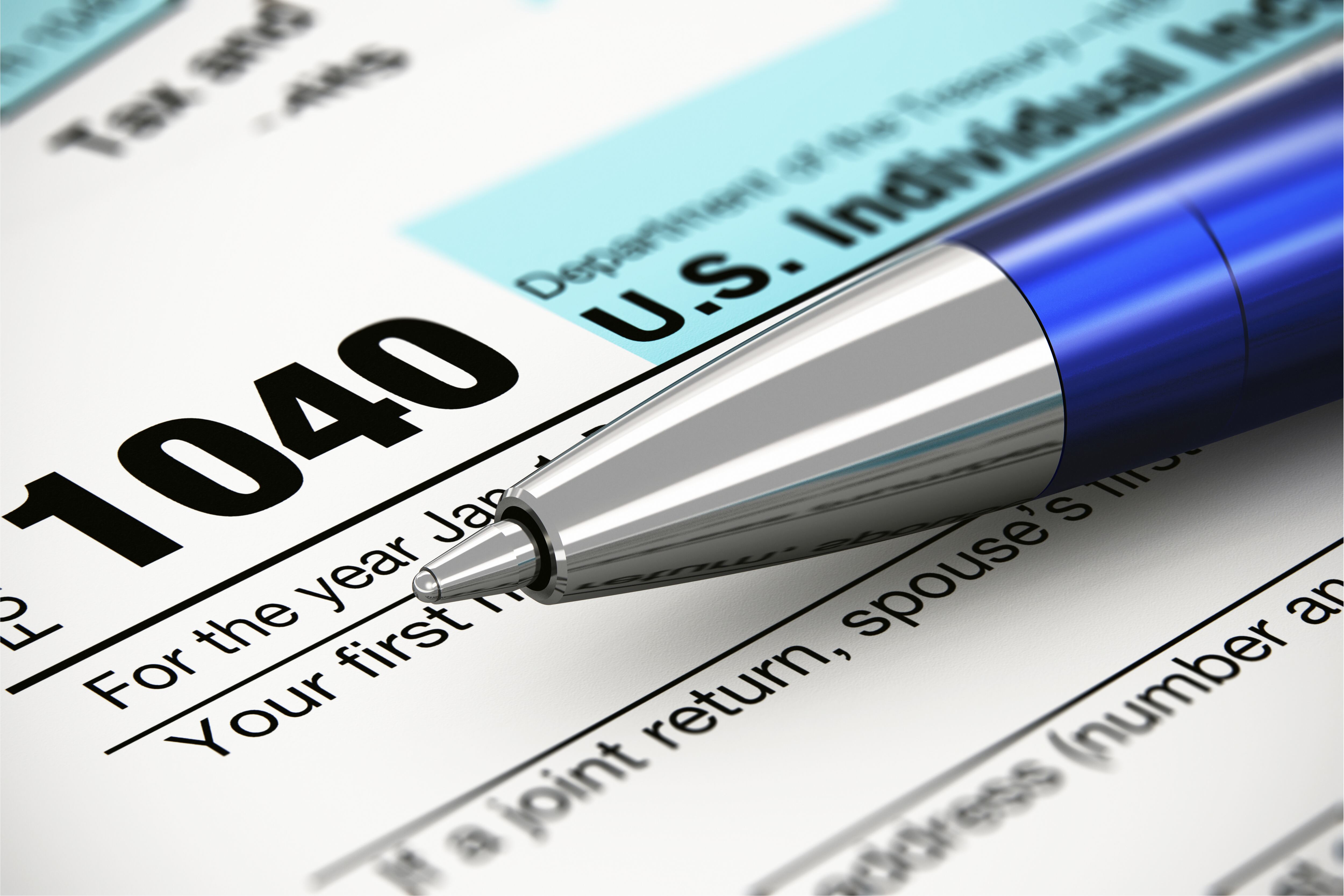
The Internal Revenue Service says it will process tax returns at the end of the month, even though the government is shut down. Scott Hodge, president of the Tax Foundation, talked to Cheddar about how the agency is moving forward.
These are the headlines you Need 2 Know for Wednesday, Jan. 9, 2019.
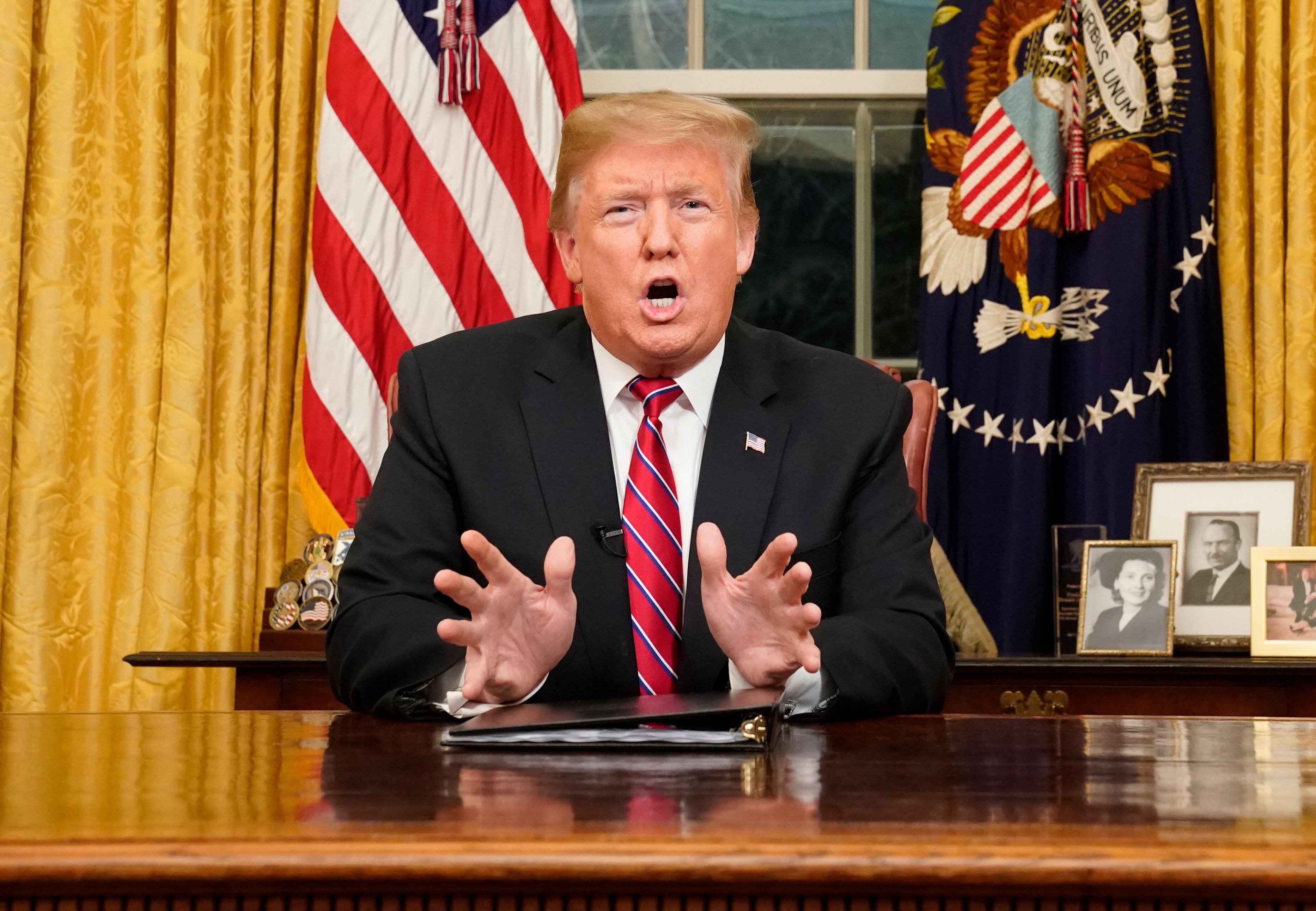
After a period of serious flip-flopping, major U.S. television networks have agreed to broadcast President Trump's Tuesday night Oval Office address on immigration to the nation, but according to Christine Emba of the Washington Post, the decision may not be sensical ー largely because it marks a significant departure.
As the partial government shutdown spans its 18th day, furloughed federal workers like Sam Shirazi who have been placed on unpaid leave are struggling with both an immediate financial reality and a more amorphous sense of uncertainty. "We don't know when it's going to end, and it doesn't seem like it's going to end anytime soon," Shirazi told Cheddar's J.D. Durkin on Tuesday.
These are the headlines you Need 2 Know for Tuesday, Jan. 8, 2018.
When freshman Democratic Rep. Alexandria Ocasio-Cortez floated the idea to Anderson Cooper on "60 Minutes" Sunday that the very wealthy pay a marginal tax rate as high as 70 percent, it got pundits and politicians all worked up. What exactly was the newly-elected, self-proclaimed radical proposing?