As Washington debates whether the country should repeal the Affordable Care Act, known as Obamacare, applicants are rushing to get covered, reportedly driving applications to a record high.
“I’m glad that the people understand the importance of getting coverage,” Donna Christensen, the former delegate for the U.S. Virgin Islands’ at-large district, told Cheddar on Wednesday.
But many still remain uninsured. According to the National Center for Health Statistics, 28.2 million people under the age of 65 did not have coverage in 2016.
For context, that's a smaller proportion than before Obamacare passed. The federal agency said that the percentage of people uninsured now stands at 9 percent, compared to 16 percent in 2010.
Many uninsured and current beneficiaries of the Act worry that a repeal would be in place by 2019 and that time is running out. However, Christensen argues that this is not the case. She says it’s going to be very hard for Congress to repeal ACA.
“The Affordable Care Act is still the law of the land,” the ex-congresswoman said, stating that she doubts a repeal would ever happen.
“It was not easy to get the law passed, but it’s going to be more difficult to take it away,” Christensen said.
She encouraged the uninsured to seek coverage by December 15th this year, pointing out that benefits will be valid into the next year.
Congressional Budget Office director Keith Hall put out a blog post on the federal agency’s website on Wednesday. He says that according to the CBO’s most recent baseline, repealing Obamacare's individual mandate would reduce the nation’s federal budget deficit by $338 billion within the next decade. That's less than the previous estimate of $416 billion, made last December.
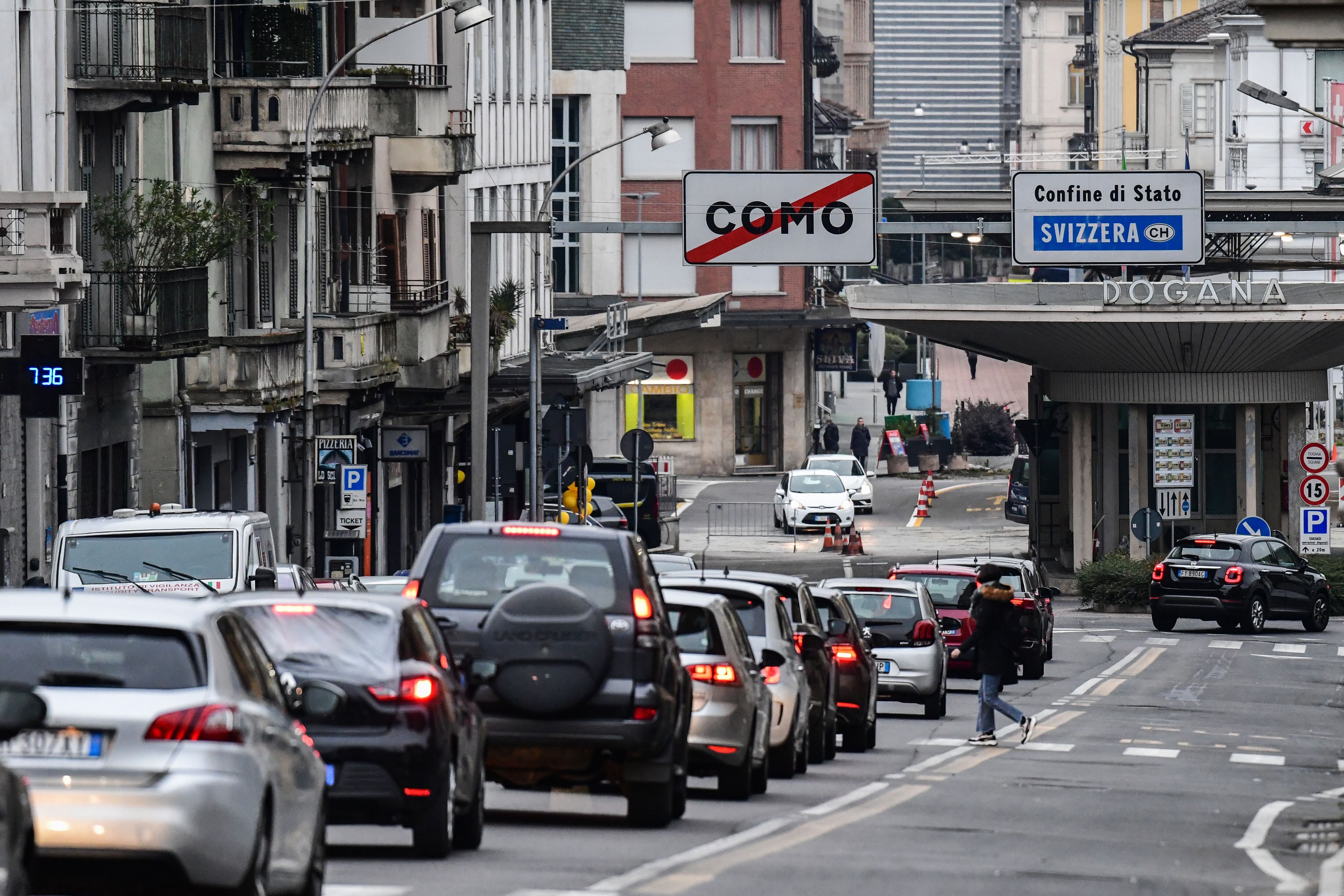
Lenore Hawkins, chief macro strategist at Tematica Research, told Cheddar from Lake Como, Italy, that the local populace seems to be taking the directives to stay indoors seriously.
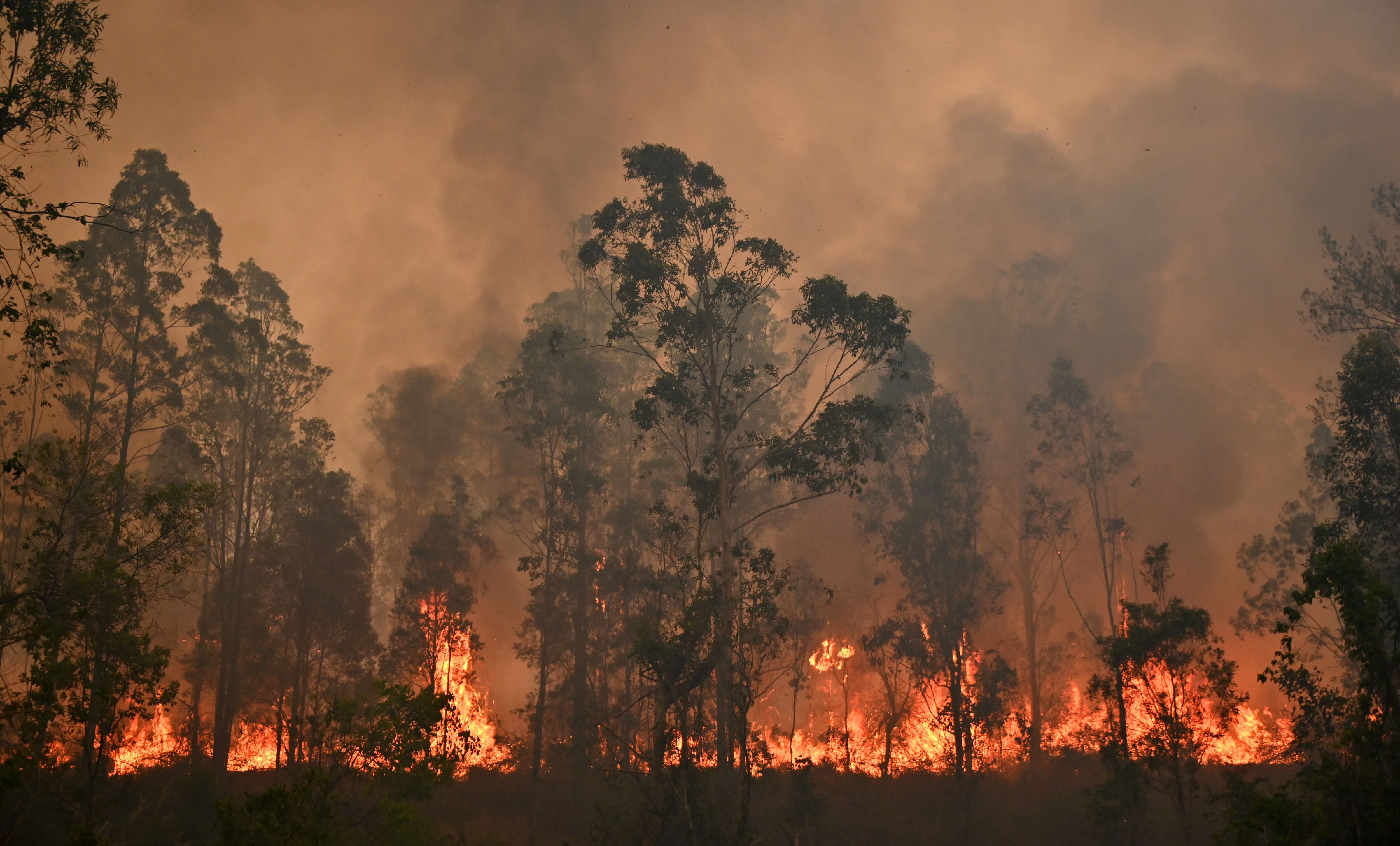
The Earth's average temperature last year was about 1.1 degrees Celsius higher than pre-industrial levels, second only to the record established in 2016.
Swaths of shale producers, many heavily in debt and still recovering from the price crash of 2015, have posted double-digit drops in stock prices in the past 48 hours, with some companies already announcing rounds of layoffs.
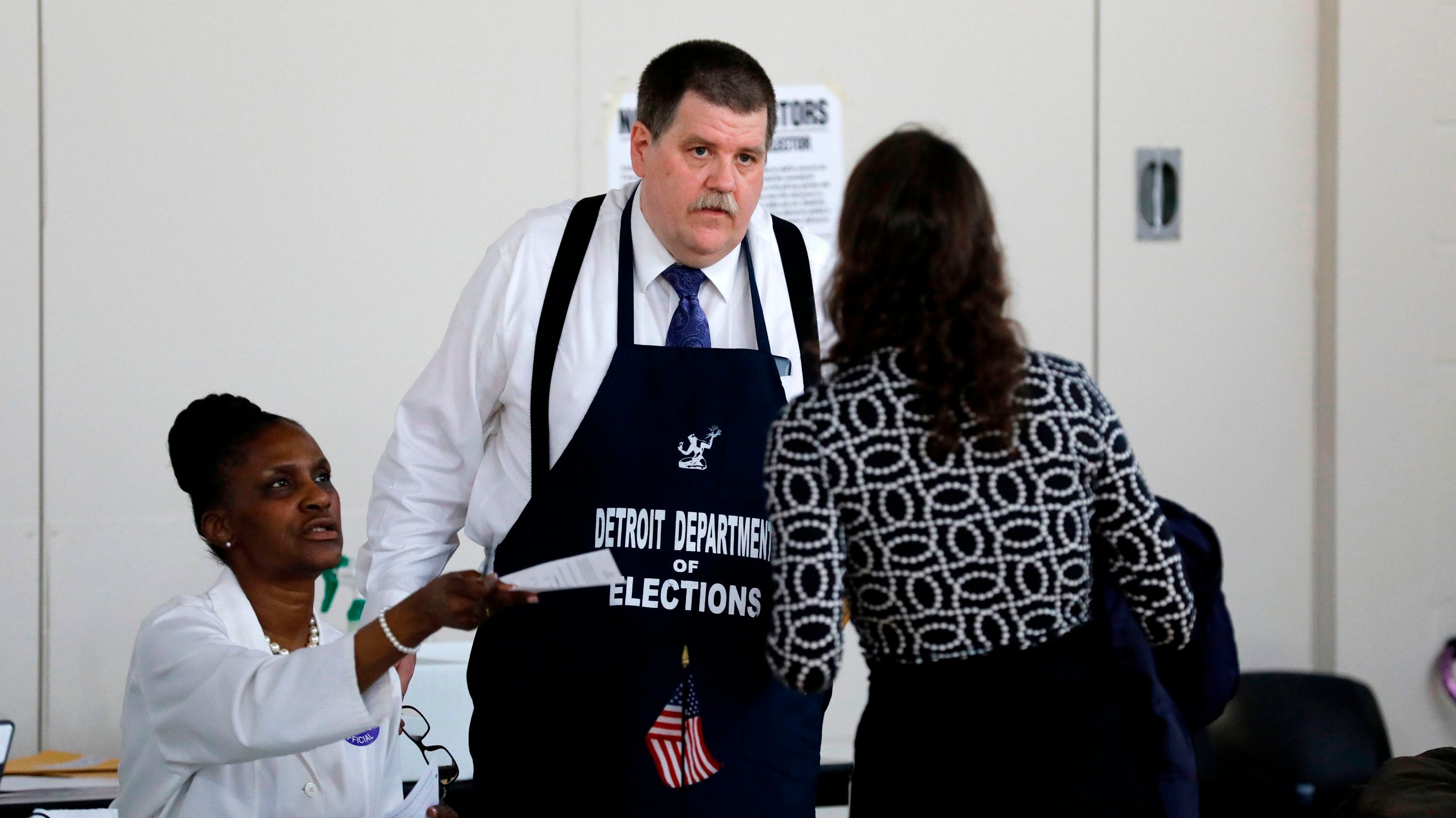
Biden and Vermont Senator Bernie Sanders will go head to head for the 352 delegates promised on what some are calling ‘Super Tuesday 2.0,’ with a focus on the battleground state of Michigan.
These are the headlines you Need 2 Know for Tuesday, March 10, 2020.
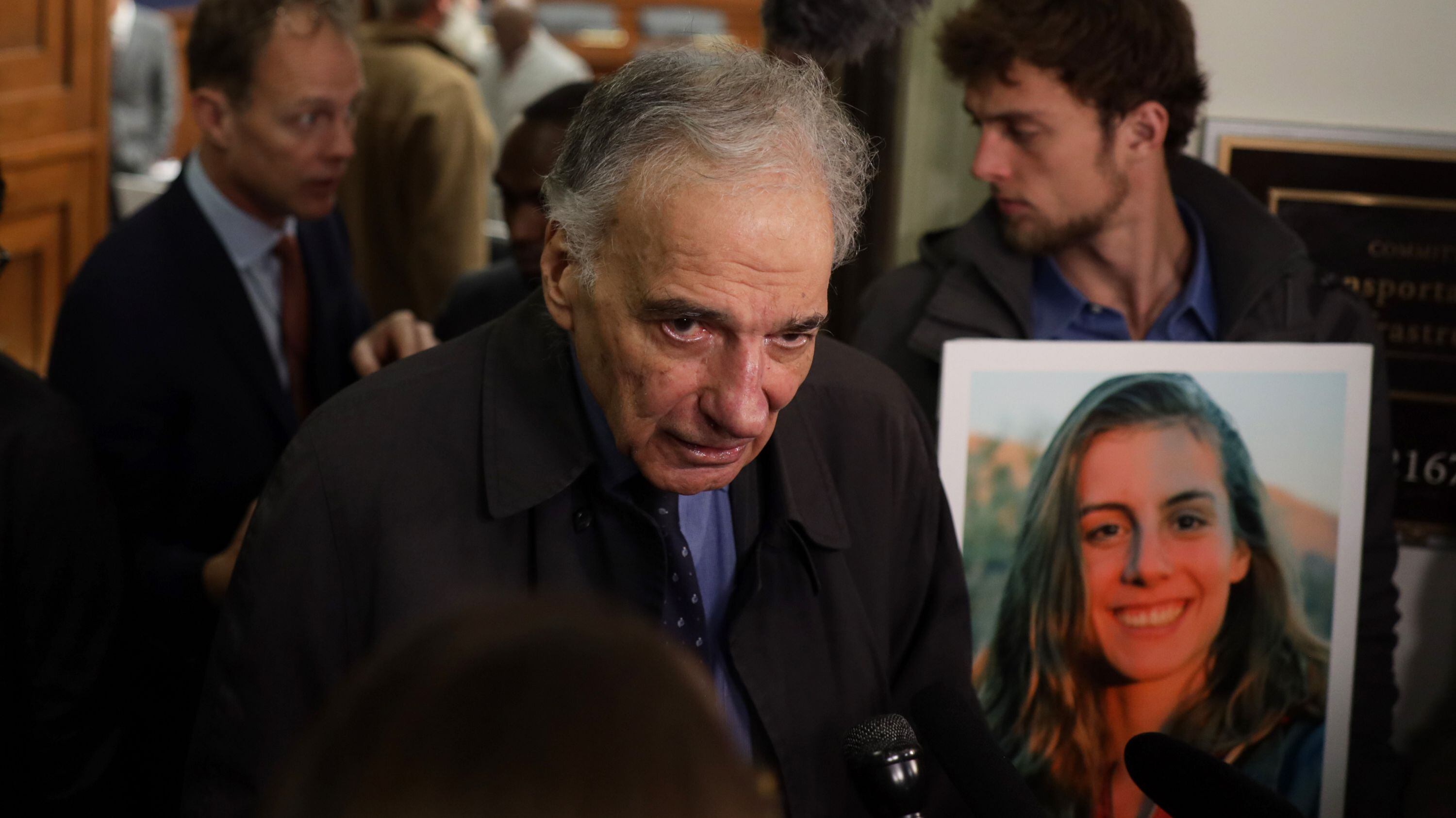
Consumer advocate Ralph Nader, whose grandniece was killed in that disaster, said that even once the plane makes it back to the skies, he won't fly in it.
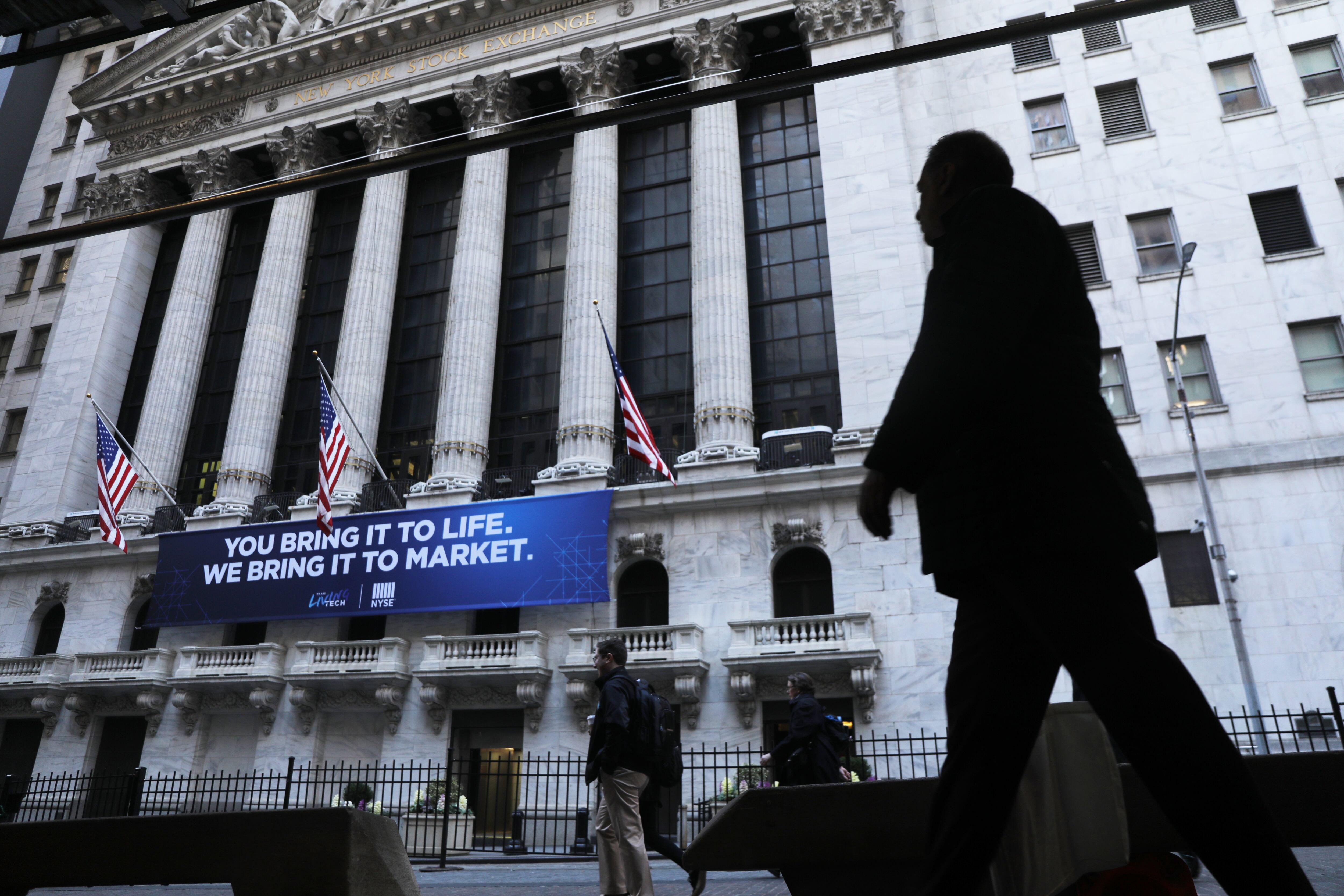
The Dow Jones Industrial Average sank 7.8%, its steepest drop since the financial crisis of 2008, as a free-fall in oil prices and worsening fears of fallout from the spreading coronavirus outbreak seize markets. The sharp drops triggered the first automatic halts in trading in two decades.
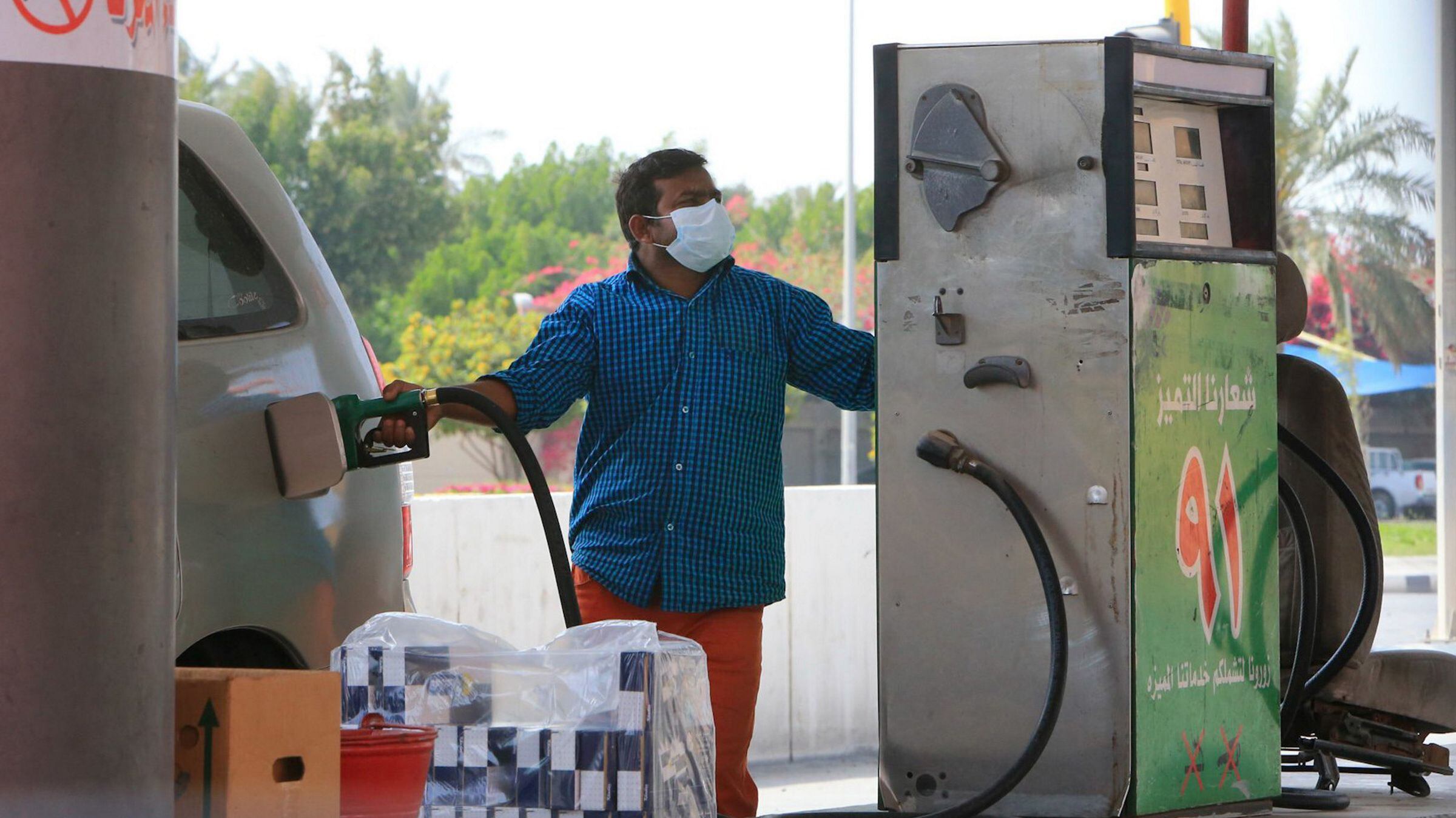
Brent crude, the global benchmark for oil and for U.S. gasoline prices, hovered around $36 a barrel after opening Monday at about $33 -- down from $45 a barrel on Friday and nearly $70 in January.
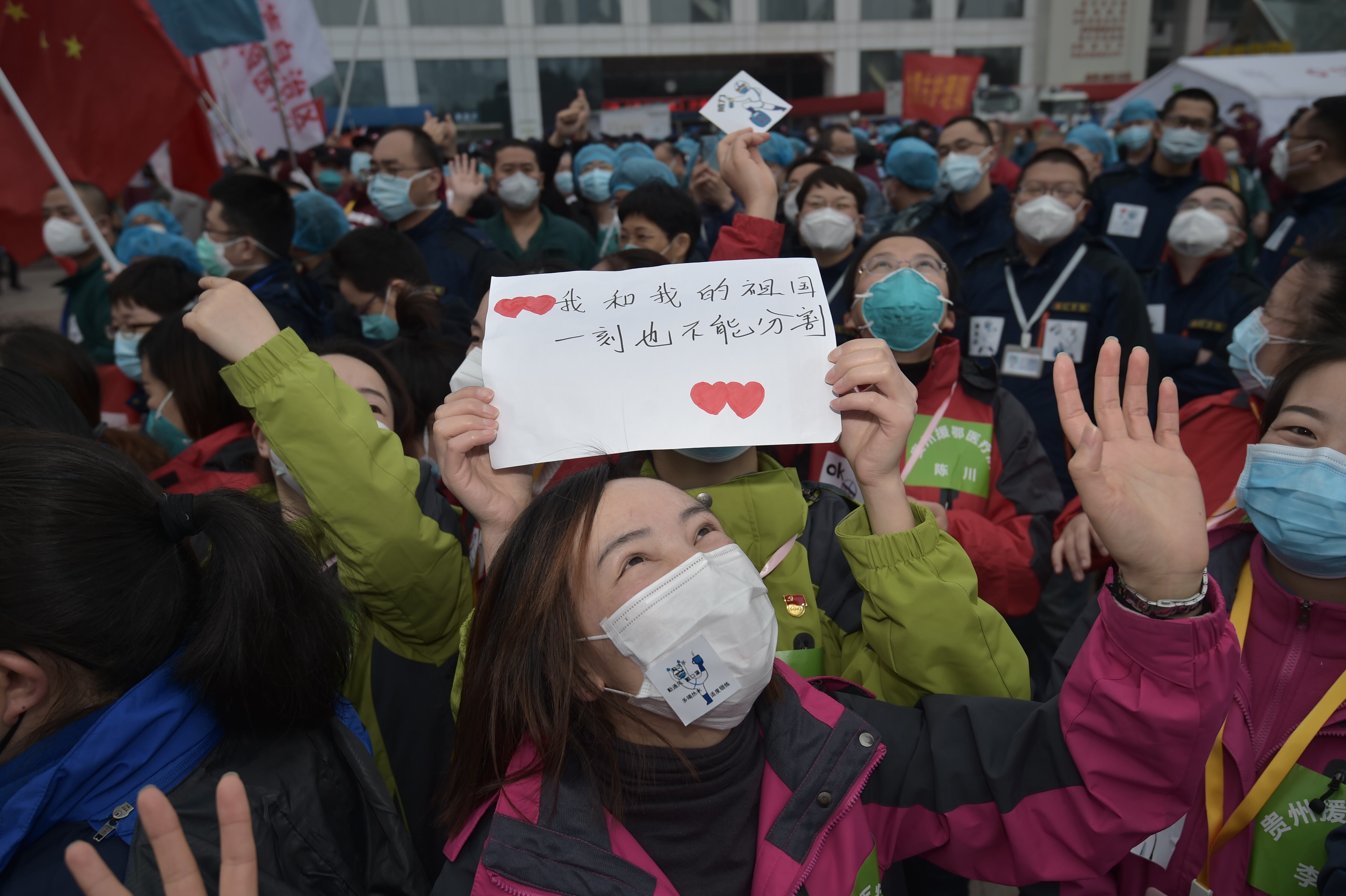
Officials at the World Health Organization said Monday that of about 80,000 people who have been sickened by COVID-19 in China, more than 70 percent have recovered and been discharged from hospitals.
Stocks are falling sharply Monday on Wall Street on a combination of coronavirus fears and plunging oil prices, triggering a brief, automatic halt in trading to let investors catch their breath.