As Washington debates whether the country should repeal the Affordable Care Act, known as Obamacare, applicants are rushing to get covered, reportedly driving applications to a record high.
“I’m glad that the people understand the importance of getting coverage,” Donna Christensen, the former delegate for the U.S. Virgin Islands’ at-large district, told Cheddar on Wednesday.
But many still remain uninsured. According to the National Center for Health Statistics, 28.2 million people under the age of 65 did not have coverage in 2016.
For context, that's a smaller proportion than before Obamacare passed. The federal agency said that the percentage of people uninsured now stands at 9 percent, compared to 16 percent in 2010.
Many uninsured and current beneficiaries of the Act worry that a repeal would be in place by 2019 and that time is running out. However, Christensen argues that this is not the case. She says it’s going to be very hard for Congress to repeal ACA.
“The Affordable Care Act is still the law of the land,” the ex-congresswoman said, stating that she doubts a repeal would ever happen.
“It was not easy to get the law passed, but it’s going to be more difficult to take it away,” Christensen said.
She encouraged the uninsured to seek coverage by December 15th this year, pointing out that benefits will be valid into the next year.
Congressional Budget Office director Keith Hall put out a blog post on the federal agency’s website on Wednesday. He says that according to the CBO’s most recent baseline, repealing Obamacare's individual mandate would reduce the nation’s federal budget deficit by $338 billion within the next decade. That's less than the previous estimate of $416 billion, made last December.
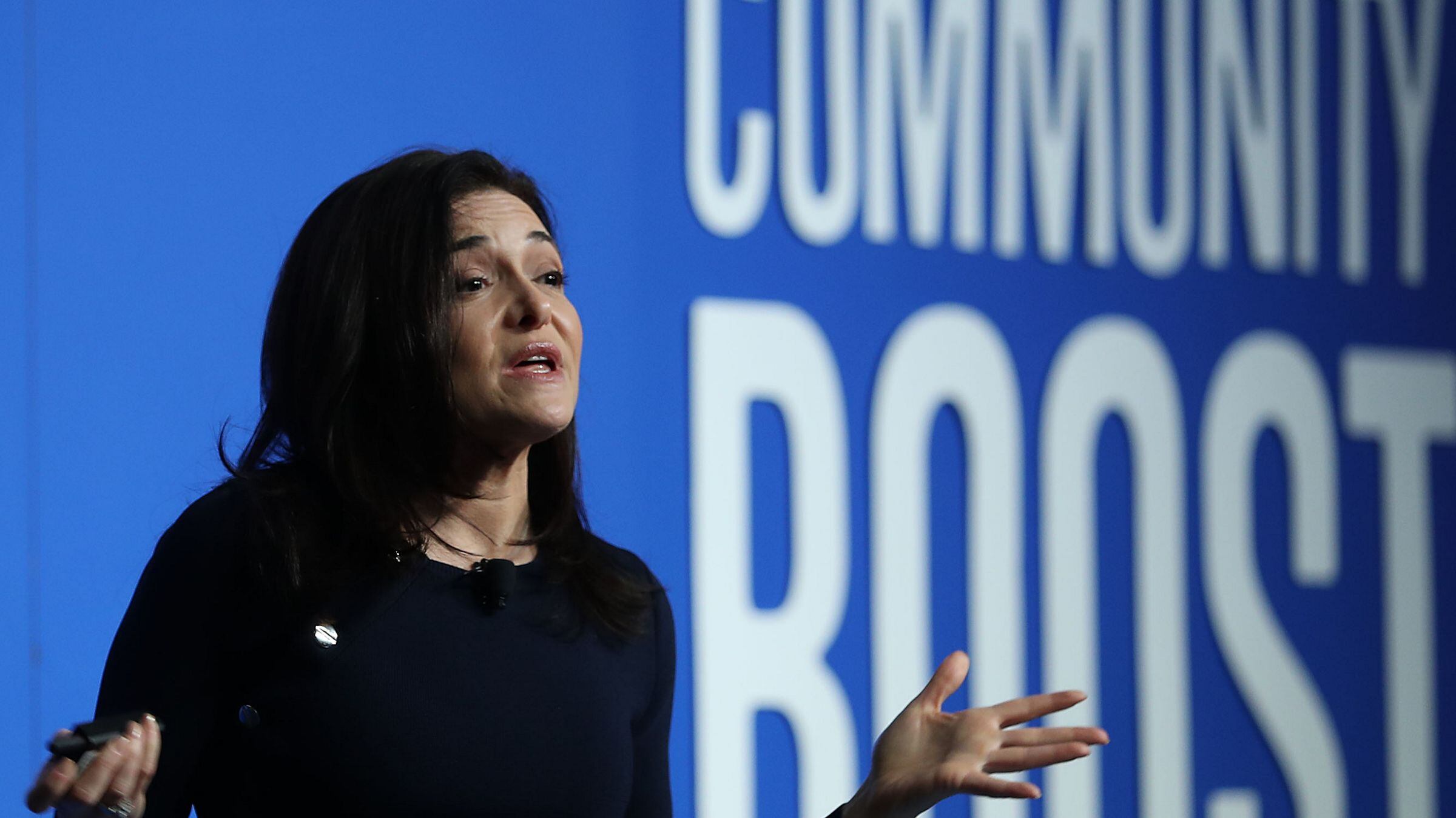
The Small Business Grants Program, revealed in a blog post on Tuesday morning, was created to keep workers working, help with rent costs, connect with more customers, cover operational costs. (Photo by Joe Raedle/Getty Images)
The Fed is reviving a program that it first used during the 2008 financial crisis to unclog a short-term lending market for what is known as “commercial paper.” Large businesses issue commercial paper to raise cash to meet payrolls and cover other short-term costs.
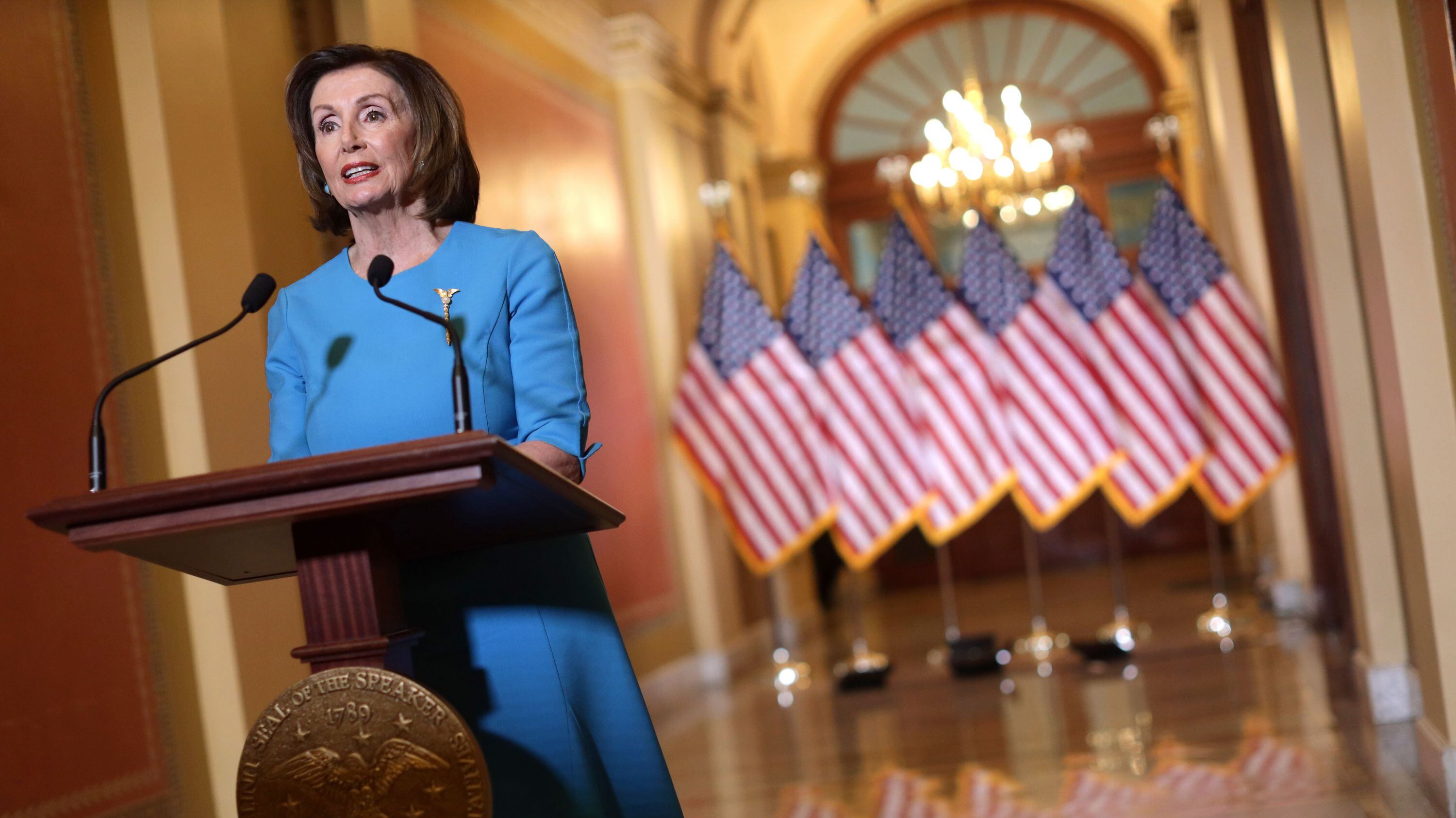
Speaker Nancy Pelosi said the House Democrats will pass the $8.3 billion ‘Families First Coronavirus Response Act’ today, though she did not mention support by Republicans or the White House.
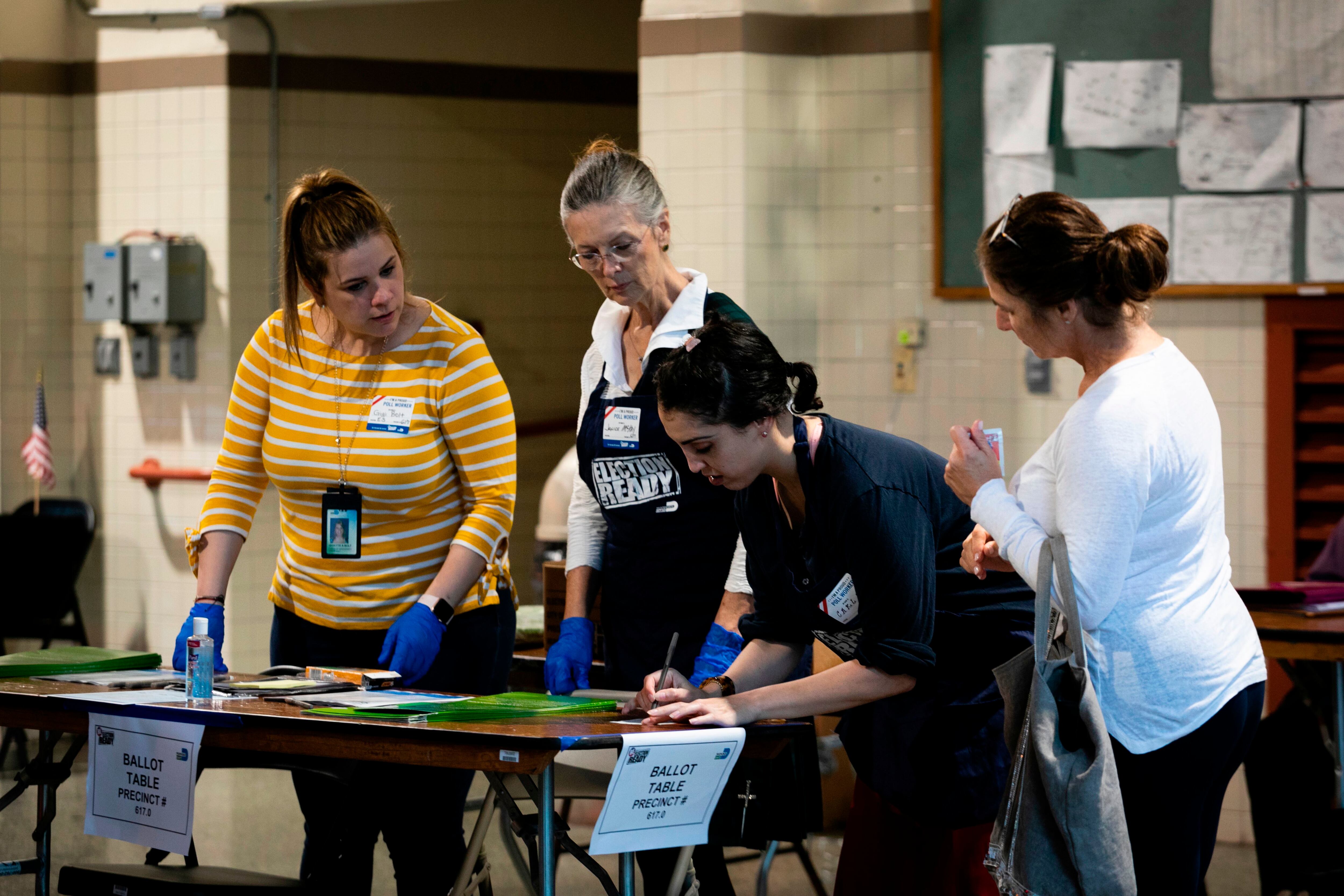
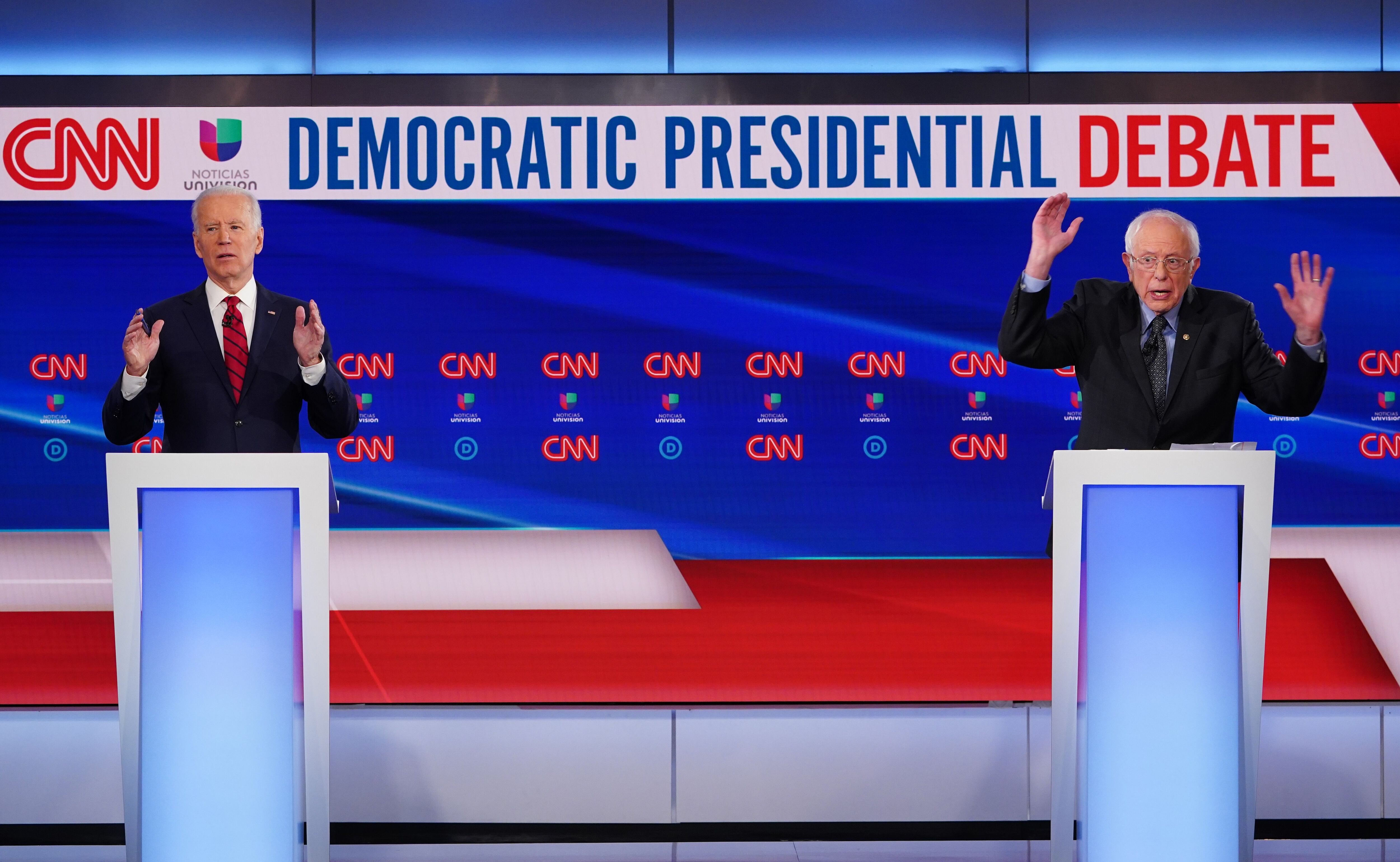
Millions of voters in Arizona, Florida, and Illinois have already cast ballots for the 441 Democratic pledged delegates up for grabs in today and those who haven't are expected to head to the polls.
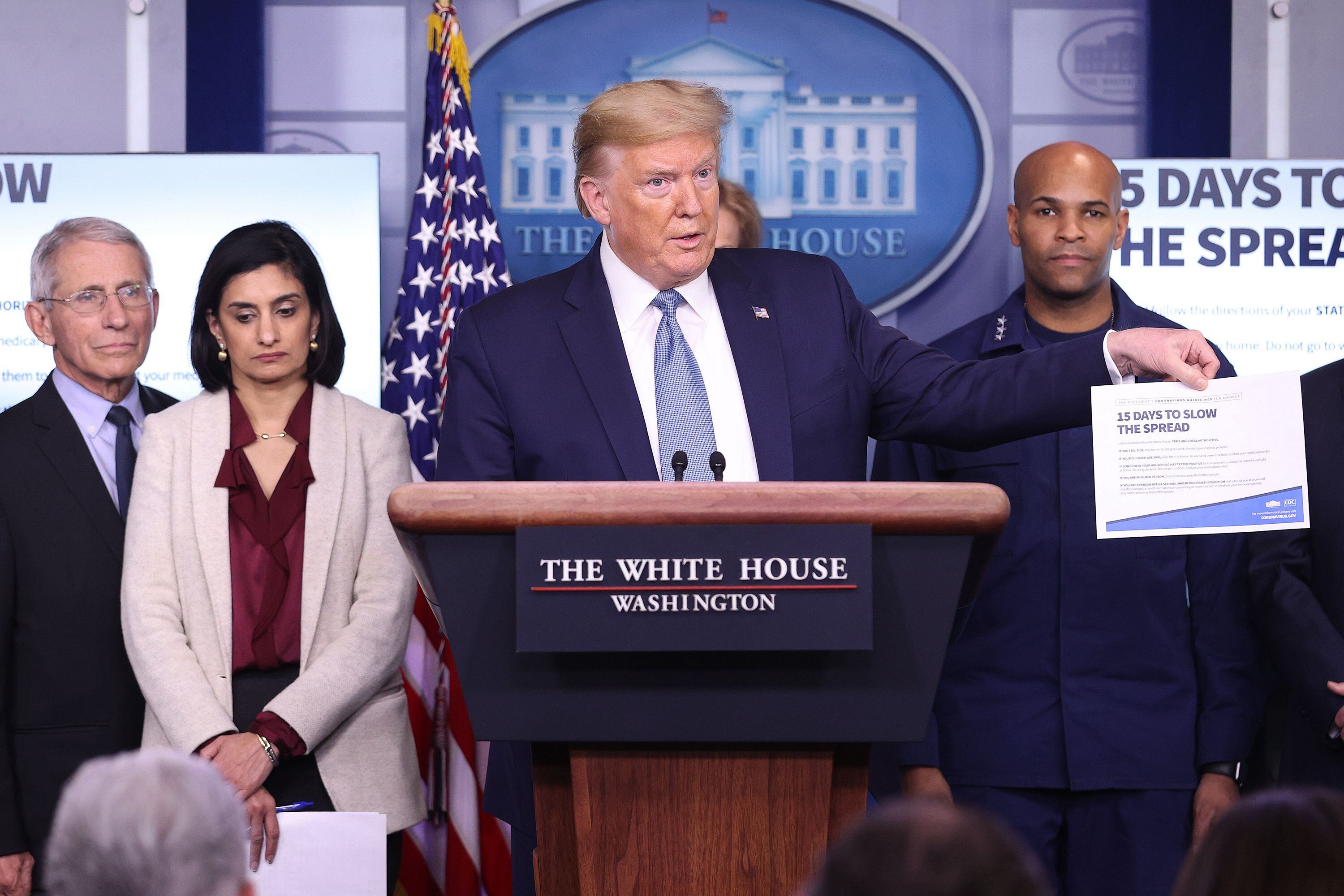
The guidelines mark the first attempt by the federal government to establish best practices for all Americans amid an avalanche of disparate state and local policies.
U.S. airlines are reportedly seeking as much as $50 billion in federal support as travel restrictions aimed at containing the spread of coronavirus have pushed the industry’s biggest players to the brink of bankruptcy.
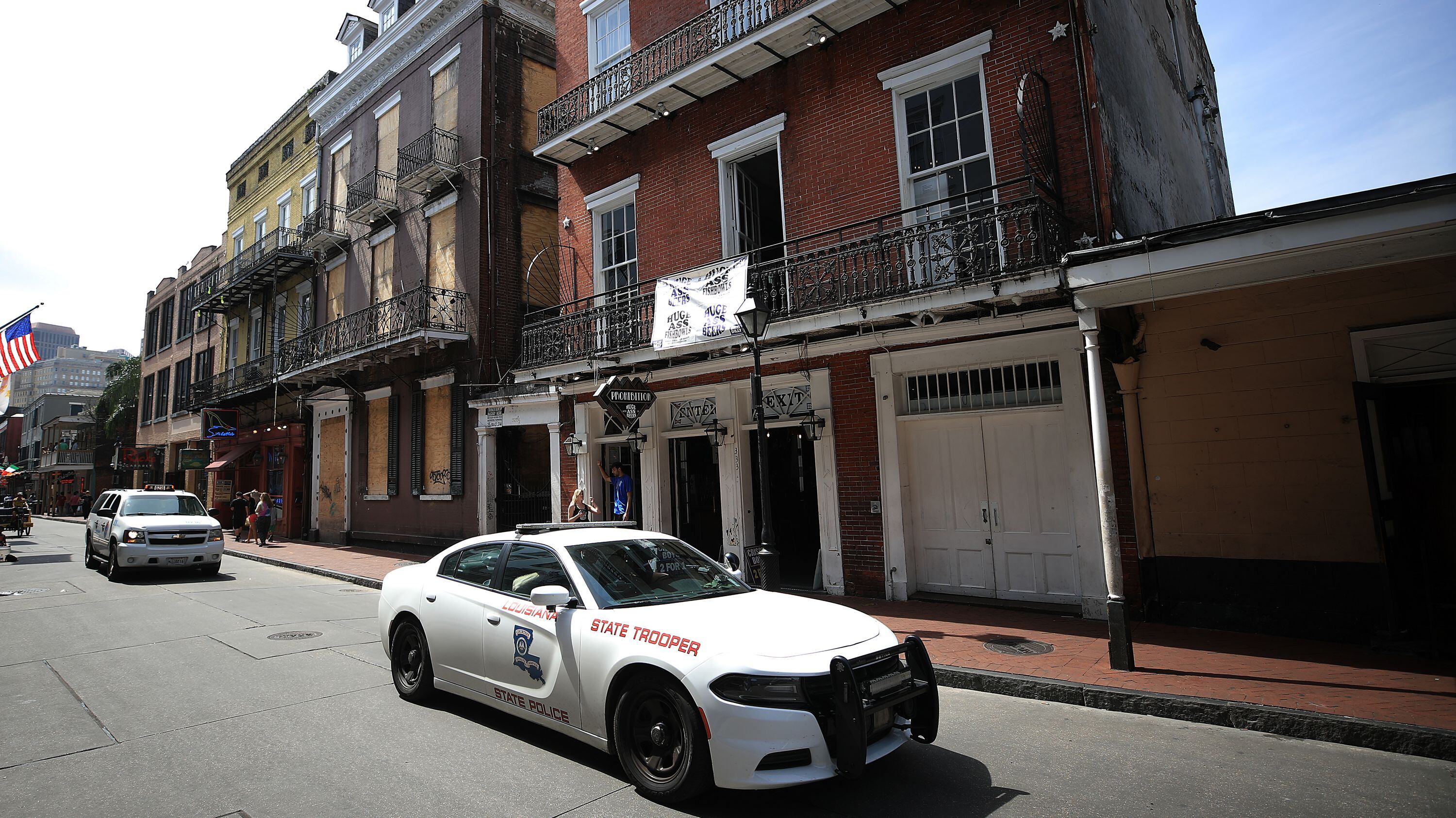
The action came on the heels of an executive order by Louisiana Gov. John Bel Edwards, banning gatherings of 250 people or more across the state and shutting down schools.
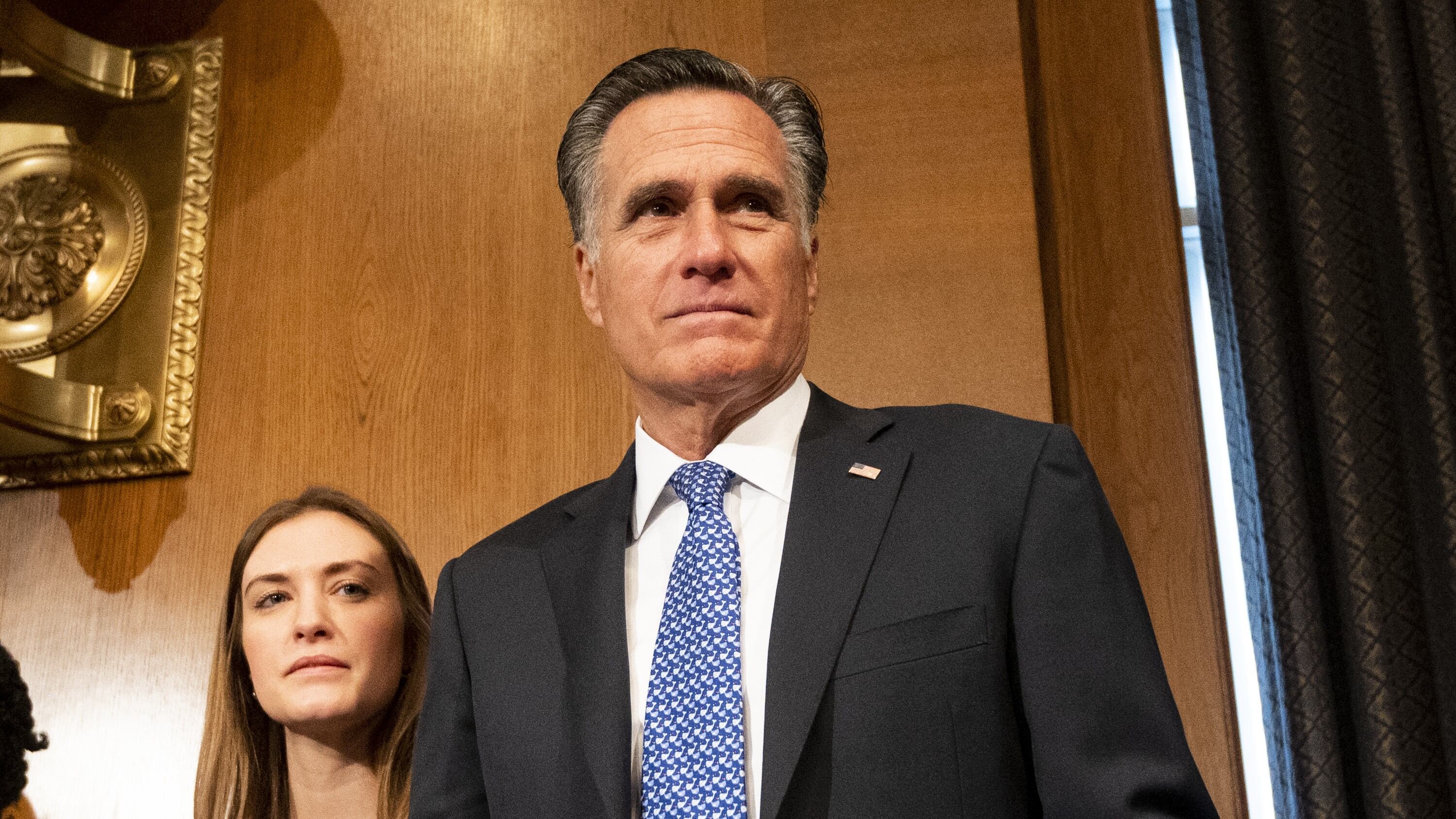
Sen. Mitt Romney seems to be channeling former Democratic presidential candidate Andrew Yang in his proposal to give every U.S. adult $1,000 to help them deal with the economic impact of the coronavirus outbreak.
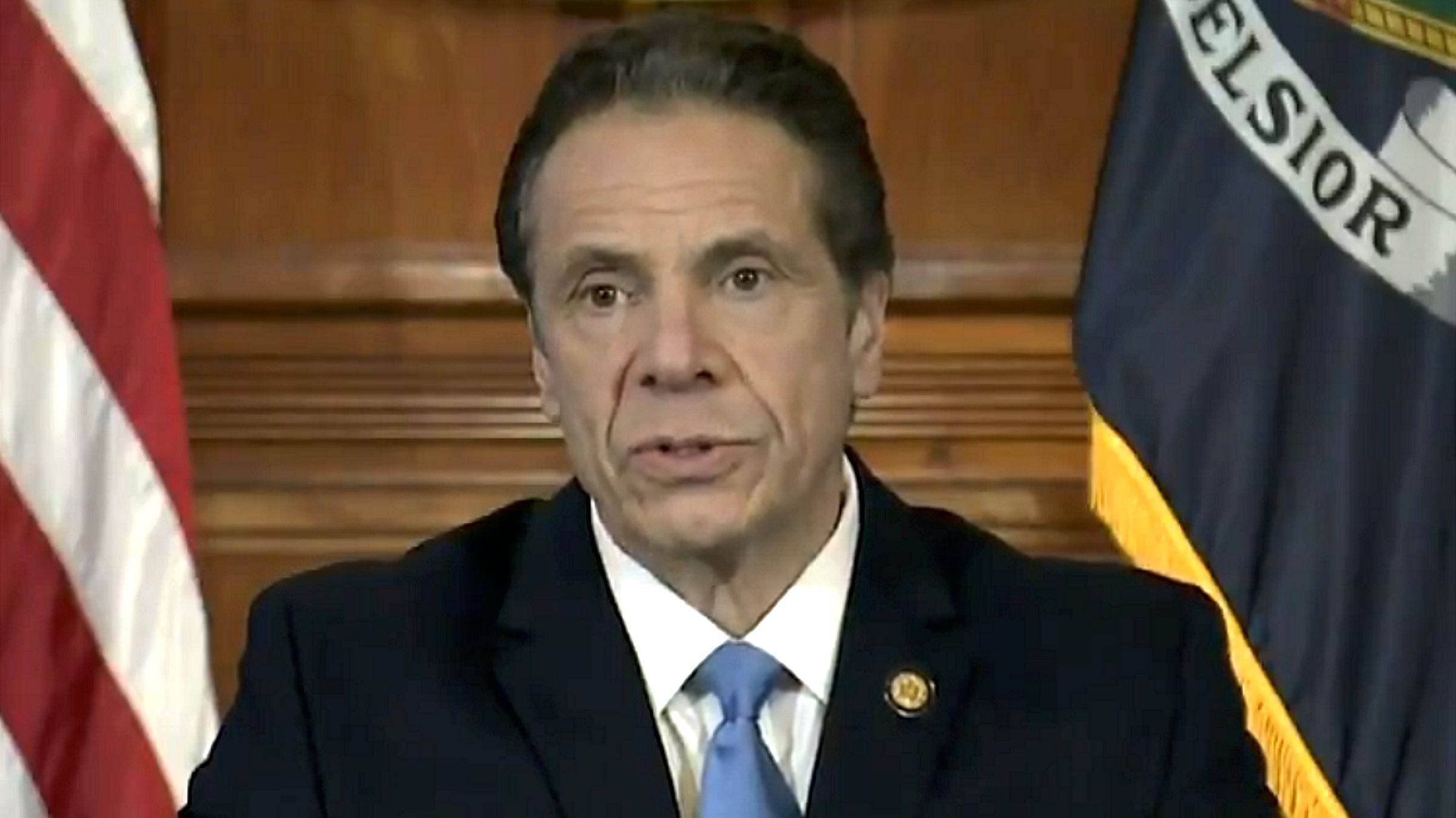
Gov. Cuomo revealed that there are now 950 confirmed cases in New York with 158 hospitalizations and seven death, along with a coordinated effort between New York and its neighboring states, New Jersey and Connecticut, in order to stem the increased spread of the COVID-19 disease.
These are the headlines you Need 2 Know for Monday, March 16, 2020.