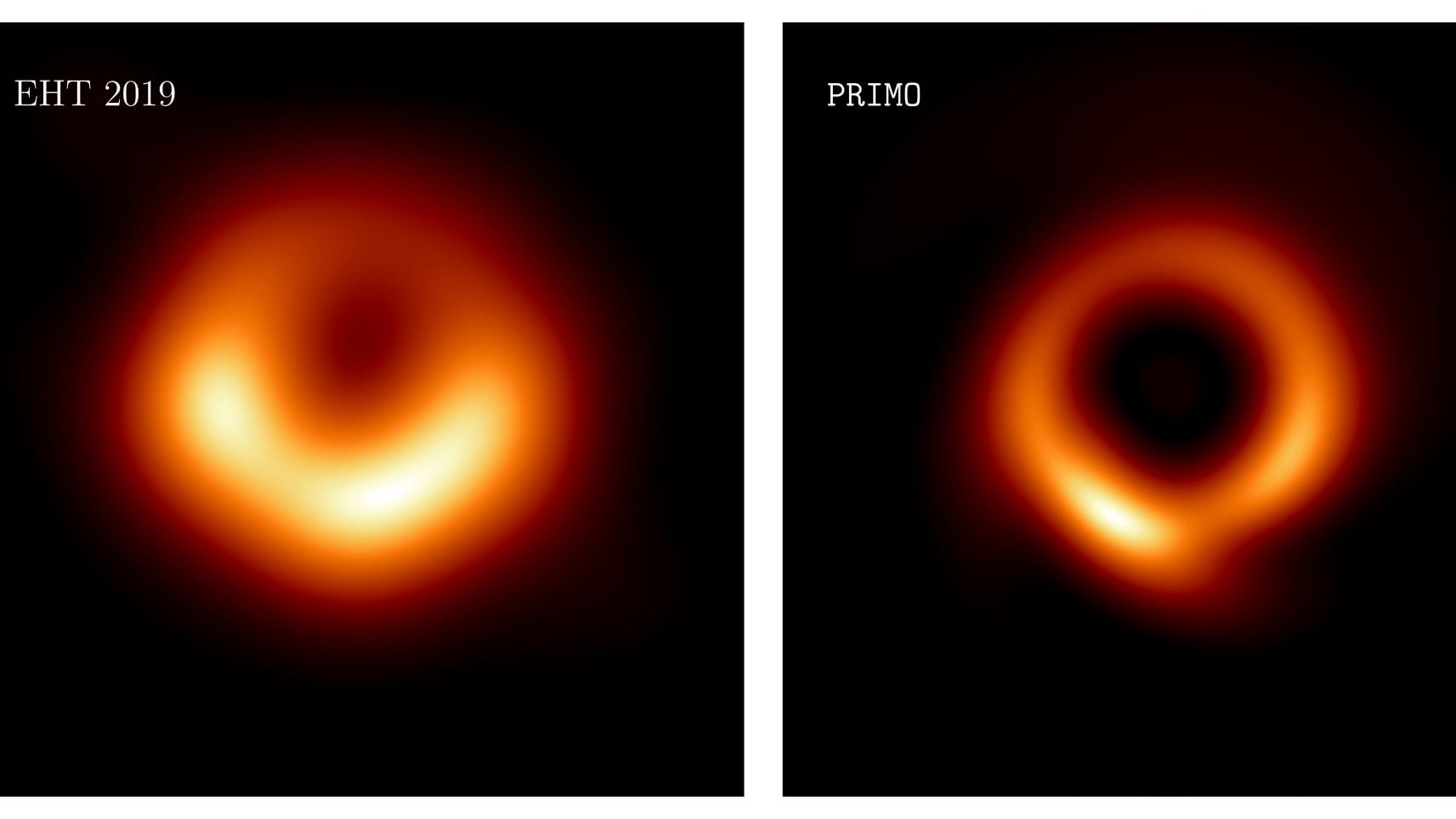
This combination of images provided by researcher Lia Medeiros shows images of the M87 black hole released in 2019, left, and an updated one for 2023. The new version, published Thursday, April 13, 2023, in the Astrophysical Journal Letters — keeps the original shape, but with a skinnier ring and a sharper resolution. Even with many telescopes working together, gaps remained in the data. In the latest study, scientists relied on the same data and used machine learning to fill in the missing pieces. (Lia Medeiros via AP)
By Maddie Burakoff
The first image of a black hole captured four years ago revealed a fuzzy, fiery doughnut-shaped object. Now, researchers have used artificial intelligence to give that cosmic beauty shot a touch-up.
The updated picture, published Thursday in the Astrophysical Journal Letters, keeps the original shape, but with a skinnier ring and a sharper resolution.
The image released in 2019 gave a peek at the enormous black hole at the center of the M87 galaxy, 53 million light-years from Earth. A light-year is 5.8 trillion miles. It was made using data gathered by a network of radio telescopes around the world, showing swirling light and gas.
But even with many telescopes working together, gaps remained in the data. In the latest study, scientists relied on the same data and used machine learning to fill in the missing pieces.
The resulting picture looks similar to the original, but with a thinner “doughnut” and a darker center, researchers said.
“For me, it feels like we’re really seeing it for the first time,” said lead author Lia Medeiros, an astrophysicist at the Institute for Advanced Study in New Jersey.
By having a clearer picture, researchers hope to learn more about the black hole’s properties and gravity in future studies. And Medeiros said the team plans to use machine learning on other images of celestial objects, including possibly the black hole at the center of our Milky Way galaxy.
___
The Associated Press Health and Science Department receives support from the Howard Hughes Medical Institute’s Science and Educational Media Group. The AP is solely responsible for all content.
High-speed connectivity solutions provider Credo went public on the Nasdaq on Thursday, raising $200 million in its IPO. CEO Bill Brennan, joined Cheddar to discuss its entry into the capital markets and the next chapter for the company. "We're going to be focused on what we have been focused on, which is really creating, creating innovative connectivity solutions that really pushed the edge on efficient power as well as very effective cost," he said.
BD Veritor is a variation of the at-home COVID test that uses a smartphone to interpret the results. The test is taken via a nose swab test strip that is then scanned by your phone’s camera with the result clearly displayed as positive or negative. James Walker, vice president of integrated diagnostics USA for BD, joined Cheddar to discuss how the test hopefully takes the "guesswork out of testing." Walker also went into what BD is doing to deal with the surging demand for at-home tests amid the omicron spread. "While we don't disclose how much we produce, we have capacity to manufacture up to 12 million rapid antigen tests per month and are delivering on our commitments to distributors and retailers," he said.
Low-code app development platform Crowdbotics raised $22 million in a Series A funding round led by Jackson Square Ventures. Crowdbotics has helped more than 14,000 customers launch apps without having to learn how to code. The company can offer a team of expert developers to help companies launch custom apps, or provide the means for companies to develop apps themselves. Crowdbotics CEO Anand Kulkarni joined Cheddar News' Closing Bell to discuss.
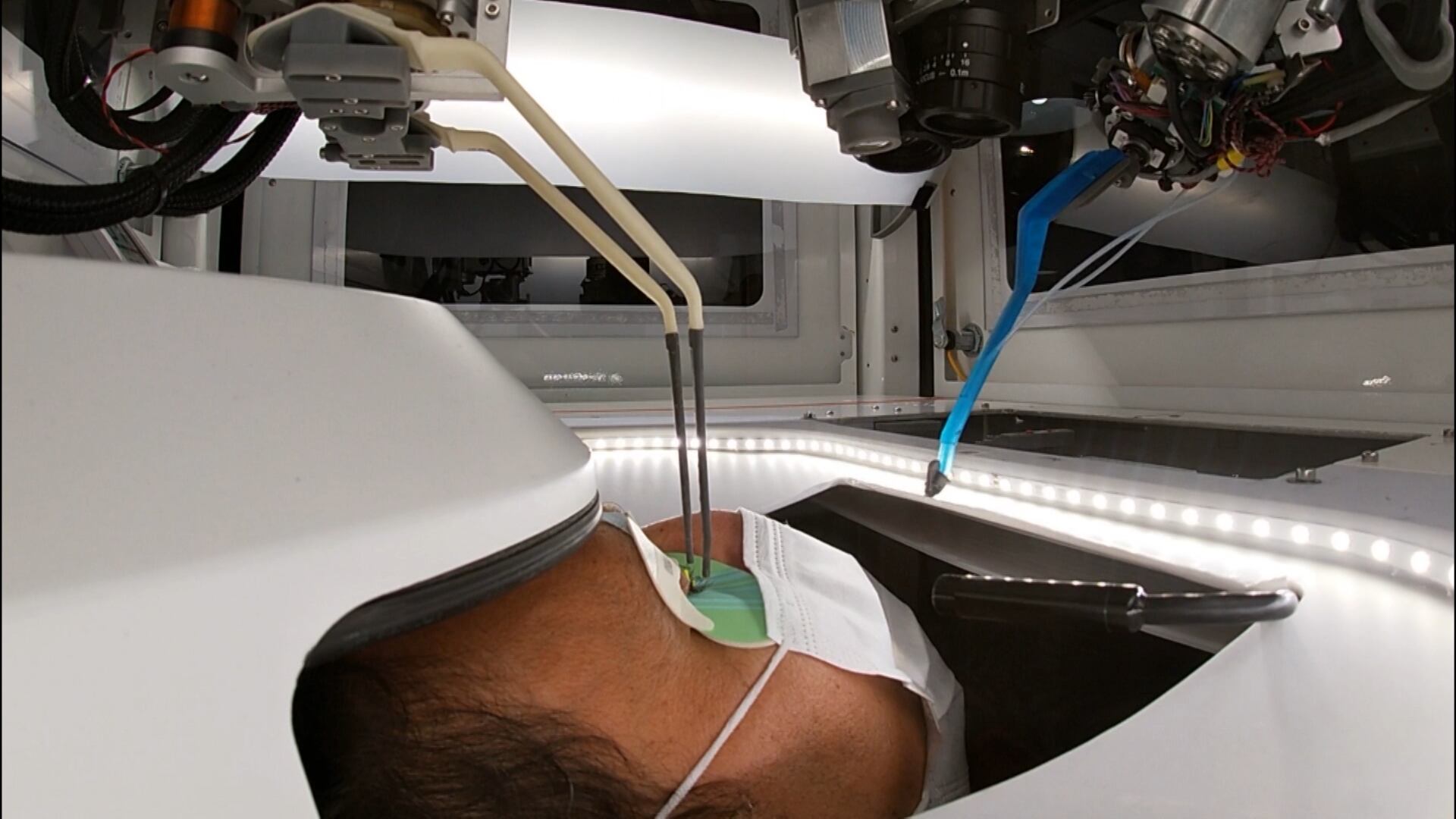
Nathan Harding, CEO of Luum, joins Cheddar Innovates to discuss the process of having a robot put on eyelash extensions, and how automation is making its way into the beauty industry
Kevin Yu, Founder and CEO of Sidechef, joins Cheddar Innovates to discuss how it's building a platform to make recipe shopping easy, and how its features help you discover new recipes with the same ingredients to fight the massive problem of food waste.
On this episode of Cheddar Innovates: Sidechef CEO breaks down how it's building a platform to make recipe shopping easy; Luum CEO explains the process of having a robot put on eyelash extensions; A look at Curiosity Stream's new original series, 'Evolve.'