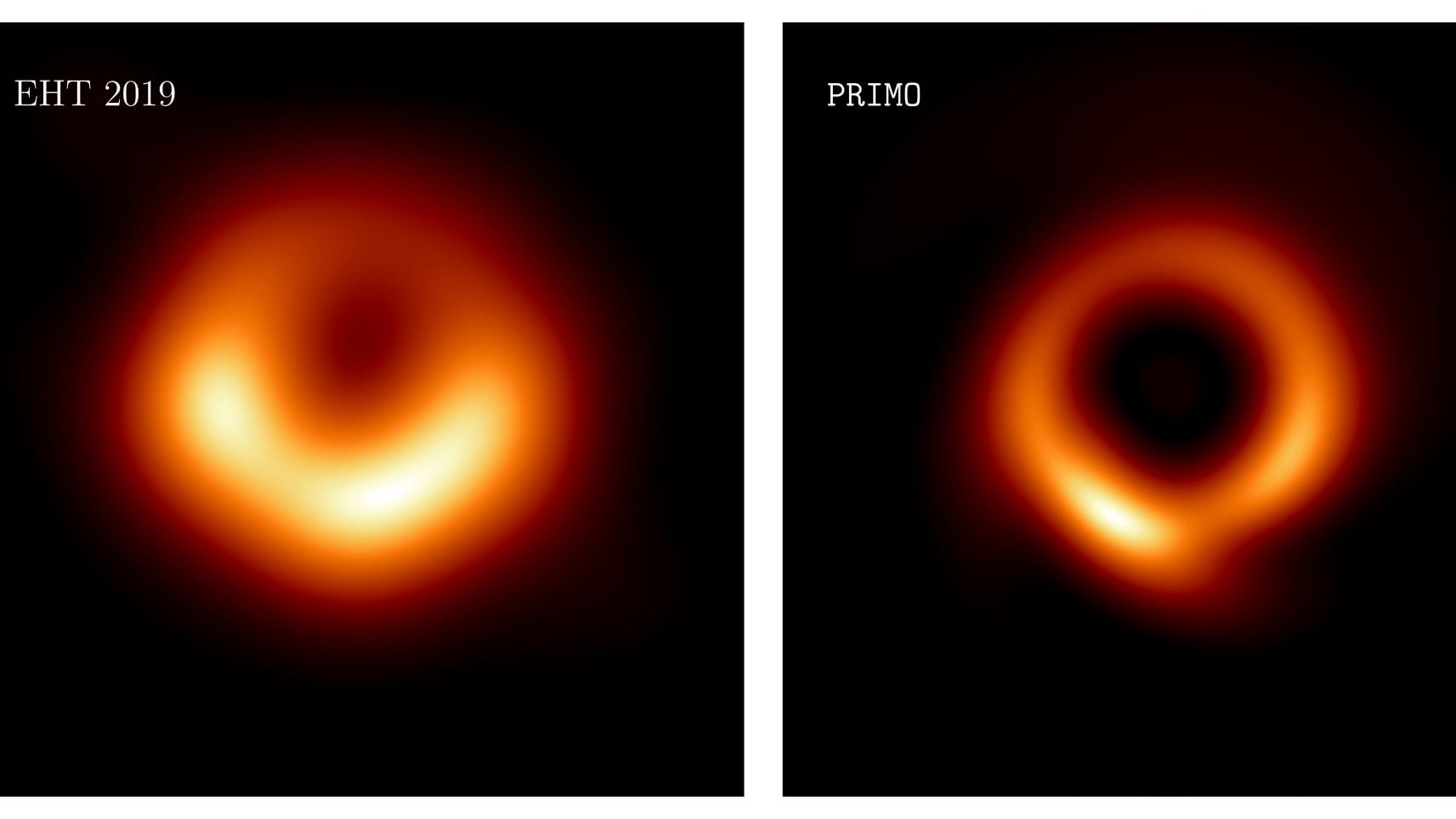
This combination of images provided by researcher Lia Medeiros shows images of the M87 black hole released in 2019, left, and an updated one for 2023. The new version, published Thursday, April 13, 2023, in the Astrophysical Journal Letters — keeps the original shape, but with a skinnier ring and a sharper resolution. Even with many telescopes working together, gaps remained in the data. In the latest study, scientists relied on the same data and used machine learning to fill in the missing pieces. (Lia Medeiros via AP)
By Maddie Burakoff
The first image of a black hole captured four years ago revealed a fuzzy, fiery doughnut-shaped object. Now, researchers have used artificial intelligence to give that cosmic beauty shot a touch-up.
The updated picture, published Thursday in the Astrophysical Journal Letters, keeps the original shape, but with a skinnier ring and a sharper resolution.
The image released in 2019 gave a peek at the enormous black hole at the center of the M87 galaxy, 53 million light-years from Earth. A light-year is 5.8 trillion miles. It was made using data gathered by a network of radio telescopes around the world, showing swirling light and gas.
But even with many telescopes working together, gaps remained in the data. In the latest study, scientists relied on the same data and used machine learning to fill in the missing pieces.
The resulting picture looks similar to the original, but with a thinner “doughnut” and a darker center, researchers said.
“For me, it feels like we’re really seeing it for the first time,” said lead author Lia Medeiros, an astrophysicist at the Institute for Advanced Study in New Jersey.
By having a clearer picture, researchers hope to learn more about the black hole’s properties and gravity in future studies. And Medeiros said the team plans to use machine learning on other images of celestial objects, including possibly the black hole at the center of our Milky Way galaxy.
___
The Associated Press Health and Science Department receives support from the Howard Hughes Medical Institute’s Science and Educational Media Group. The AP is solely responsible for all content.
Earlier this week, digital investment advisor Betterment announced that it has hired Makara, a company known for its management of cryptocurrency portfolios. Sarah Levy, CEO of Betterment, joins Cheddar News' Closing Bell, where she explains why crypto represents such a promising long-term play and how her company stands to benefit from this latest move.
At-home medical labs company Getlabs raised $20 million in a Series A round, led by Emerson Collective and the Minderoo Foundation. Getlabs aims to be the boots-on-the-ground partner to telehealth. The company says more than 70% of medical decisions still require collecting diagnostic tests in person, and that it fills that void by delivering health care directly to their patients' homes. Founder & CEO of Getlabs Kyle Michelson joined Cheddar News' Closing Bell to discuss.
The White House laid out plans for a $5 billion investment into a national network of charging stations to ease EV driving anxiety. Bruce Brimacombe, CEO of EV infrastructure GOe3 joined Cheddar News to discuss how much needs to be done for drivers to get over the fear of running out of energy. "People need to be able to do what they're doing now," he said. "But that is the way that if you're going to buy an electric car, you got to feel like you're not changing your world." Brimacombe noted that building out the infrastructure between cities was GOe3's own focus.
Sonos reported better than expected Q1 earnings amid chip shortage with the release of its Roam product. CFO Brittany Bagley joined Cheddar News to discuss the smart speaker maker's successful report and its plans to hit its 2024 targets as people leave their homes as pandemic restrictions ease. "Even as people head out in the world, it doesn't mean they don't like to listen to music at home or watch a streaming movie at home," she said. "So there's still a real role for us and our products in peoples lives, sort of, no matter what else they're doing."
Kalle Marsal, Chief Operating Officer at PetDx, joins Cheddar Innovates to discuss how next-generation sequencing technology is being used to detect cancer in pets early.
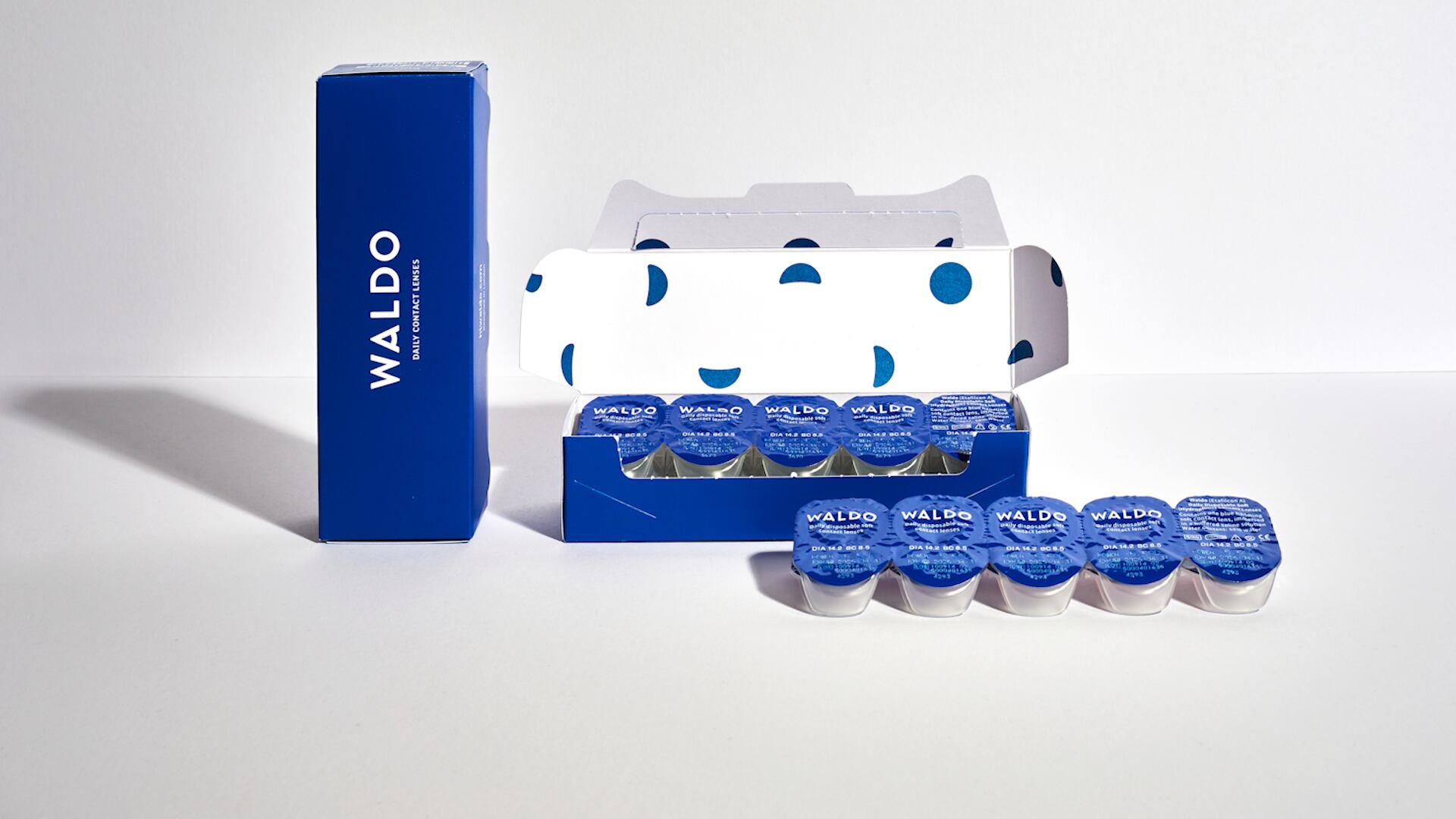
Ashleigh Hinde, Founder and CEO of WALDO, joins Cheddar Innovates to discuss why now is a good time to make eyecare a priority, and how they are democratizing access to eyecare for all.
On this episode of Cheddar Innovates: WALDO CEO breaks down why now is a good time to make eyecare a priority, and how they are democratizing access to eyecare for all; COO at PetDx explains how next-generation sequencing technology is being used to detect cancer in pets early; Cheddar gets a look at Curiosity Stream's 'Inside The Mind of a Con Artist.'
Cheeze, Inc. is a media platform that hopes to help photographers to tell stories through the use of NFT’s. Simon Hudson, founder and CEO of Cheeze, Inc. joined Cheddar News to explain the process as well as teasing its "Women of Authenticity" display for Women’s History Month. "We've made it very simple and focused very hard on reducing all of the friction to bring their items to the blockchain." Hudson explained. He also addressed reports that cloud software giant Salesforce could be getting into the NFT marketplace.