Filmmaker Gambles College Savings to Make First Feature, Wins Tribeca Award
The independently-produced feature film 'Blame' took home the best actress prize at the 2017 Tribeca Film Festival. But the story of how the movie actually got to the festival in the first place is just as interesting as its subject matter. We're joined now by actress Nadia Alexander, and Quinn Shephard, who wrote, directed, produced, and acted in the film.
Shephard has been working on "Blame," a modern retelling of "The Crucible," since she was 15. She began to make the film at age 20, only to have her main investor pulled out at the last minute.
Shephard liquidated her college fund to pay for the production. When she was left without any money for post-production, she called in favors, worked out deals, and lived in basements while editing it herself.
Actress Nadia Alexander won the Best Actress Award at Tribeca. Both women agree that the #MeToo era has opened more doors for women in the industry.
Carlo and Baker preview President Biden's address to the nation as Omicron becomes the new dominant Covid strain. Plus, Trump gets booed for getting his booster and the White House gets a new puppy.
Briana Marbury, Executive Director of the Interledger Foundation, joins ChedHER to discuss how she's creating pathways to financial access, and advice for pursuing a career in philanthropy.
Sharon Marcil, North America Regional Chair of Boston Consulting Group, joins ChedHER to discuss how she's paving the way for women in leadership positions, and advice for career advancement.
On this episode of ChedHER: North America Regional Chair of Boston Consulting Group breaks down how she's closing retention gaps in business, and advice for advancing in your career; Executive Director of the Interledger Foundation explains how she's working to create pathways to financial access; A look at how JPMorgan Chase is helping business owners in the Harlem community.
Ian Rogers, Chief Experience Officer, Ledger, joins Cheddar News to discuss innovation in crypto security, and why a hardware wallet is a critical tool for protecting digital assets.
Carlo and Baker cover the latest developments after a devastating tornado outbreak over the weekend, plus an eye on Omicron and inflation, and not even Spielberg can save the box office.
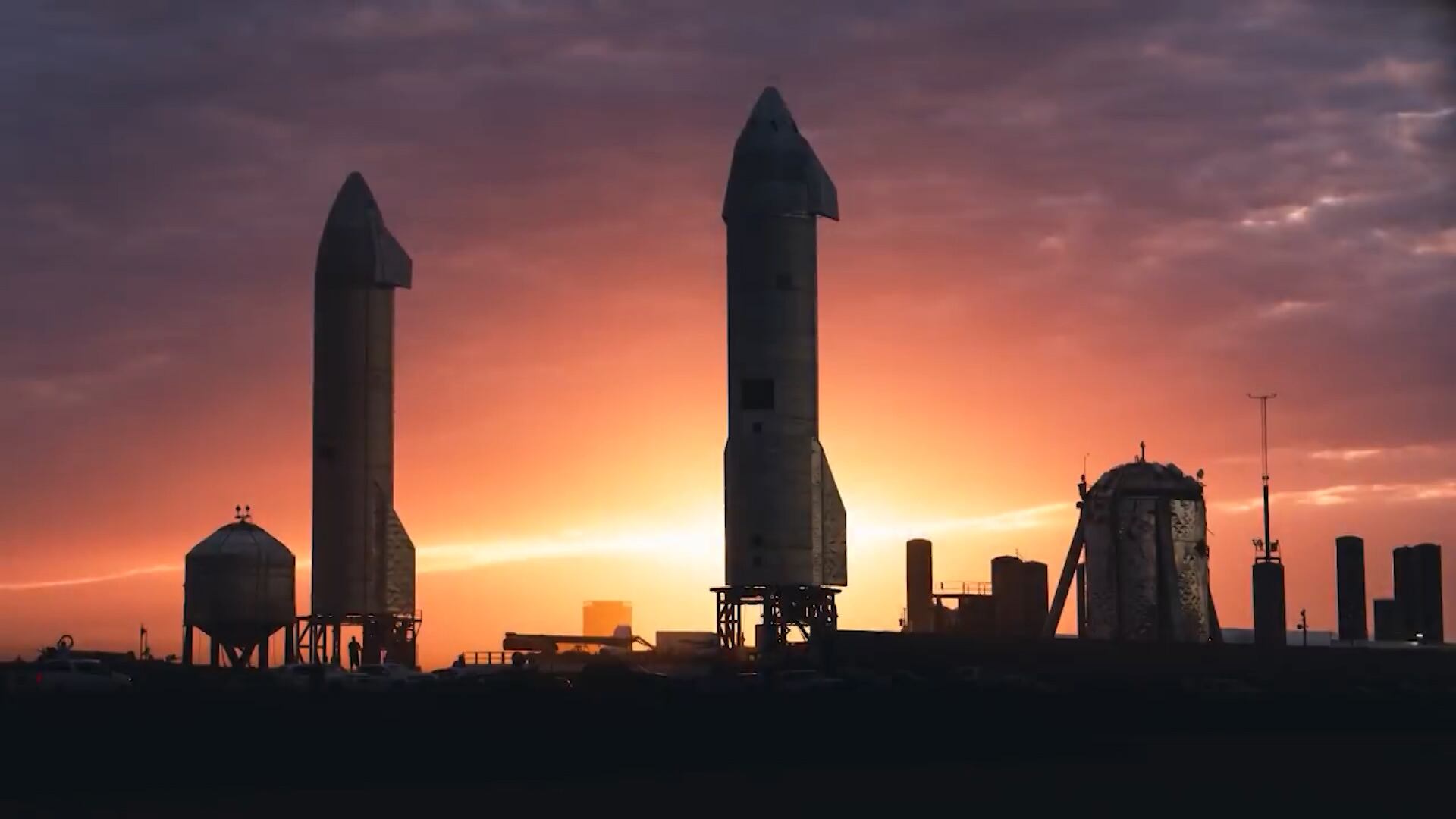
Reusable rocket developer Stoke Space Technologies raised $65 million in a Series A round led by Breakthrough Energy Ventures, a firm founded by Bill Gates. Stoke says its reusable rockets provide the satellite industry with low-cost, on-demand access to and from orbit. As companies like SpacX and Blue Origin are also making commitments to rocket reusability, Stoke says it is taking a different approach with a system designed to be 100% reusable, comprised of rockets designed to fly daily, like an airplane. Stoke co-founder and CEO Andy Lapsa joins Cheddar News' Closing Bell to discuss.
Humans are set to return to a place we have not been in nearly 50 years: the moon. NASA's Artemis program is expected to have astronauts back on the lunar surface by 2025. NASA says it will use what it learns on the moon to take the next giant leap - sending the first astronauts to Mars. The Artemis program also includes contributions from private companies like SpaceX, as well as academic research institutions like Georgia Tech. Georgia Tech professor of practice and former NASA astronaut Sandra Magnus joins Future of Space: Humankind's Leap Forward to discuss.