By Michael Balsamo
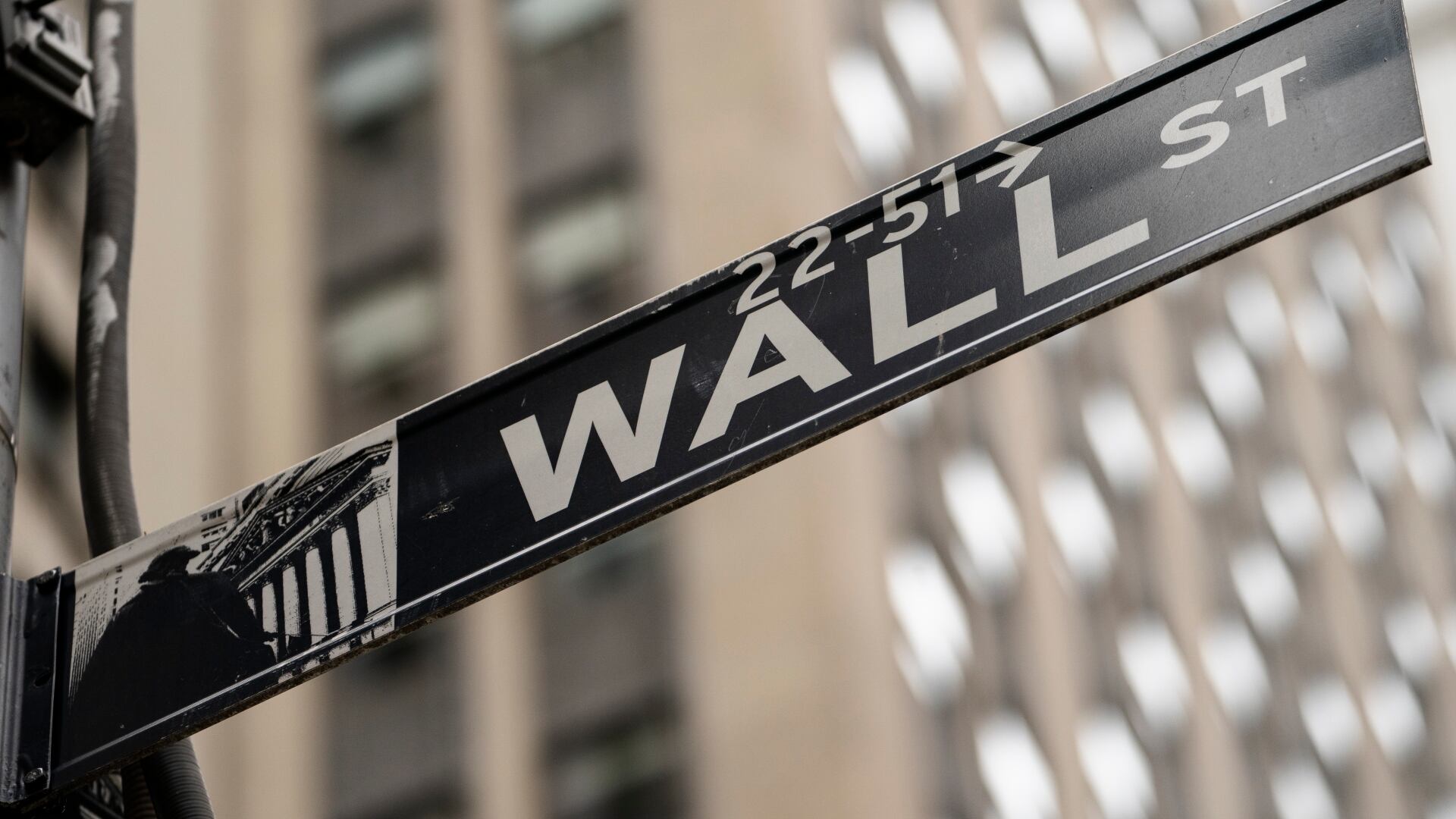
The Justice Department identified New York City, Portland, Oregon, and Seattle as three cities that could have federal funding slashed under a memorandum by President Donald Trump that sought to identify localities that permit "anarchy, violence, and destruction in American cities."
The designation, which could open the door for the federal government to cut off some funding to the cities, drew immediate criticism from local elected officials. It comes as Trump throughout the summer has cast American cities run by Democratic mayors as under siege by violence and lawlessness, despite the fact that most of the demonstrations against racial injustice have been largely peaceful.
An attempt to cut off federal funding to the cities would likely be met with immediate legal challenges and several federal judges ruled in favor of municipalities over similar attempts to withhold funding tied to immigration policies.
The Justice Department said the three cities were designated because they meet four main criteria, including "whether a jurisdiction forbids the police force from intervening to restore order amid widespread or sustained violence or destruction" and whether the city "disempowers or defunds police departments."
In Seattle, officials pointed to the "occupied" protest zone, also known as the "Capitol Hill Occupied Protest" zone, or CHOP, which emerged during nationwide protests over the police killing of George Floyd in Minneapolis, though Seattle police officers wearing helmets and wielding batons and rifles, cleared the area by force on July 1. In Portland, they pointed to 100 consecutive nights of protests "marred by vandalism, chaos, and even killing" and in New York City, the Justice Department pointed to a skyrocketing number of shootings throughout the five boroughs.
It is not the first time the Justice Department has attempted to take action against city officials for the violent demonstrations.
The department also explored whether it could pursue either criminal or civil rights charges against city officials in Portland after clashes erupted there night after night between law enforcement and demonstrators. For weeks, hundreds of demonstrators gathered outside the federal courthouse in Portland, some throwing bricks, rocks, and other projectiles at officers, leading officers to fire volleys of tear gas and pepper balls at the crowd.
"When state and local leaders impede their own law enforcement officers and agencies from doing their jobs, it endangers innocent citizens who deserve to be protected, including those who are trying to peacefully assemble and protest," Attorney General William Barr said in a statement. "We cannot allow federal tax dollars to be wasted when the safety of the citizenry hangs in the balance."
Barr said he hoped the designation would convince the cities to "reverse course and become serious about performing the basic function of government and start protecting their own citizens."
The attorney general's statement drew immediate condemnation from New York City Mayor Bill de Blasio and Governor Andrew Cuomo, both Democrats, who accused the Trump administration of politicization of law enforcement.
"This is just another one of President Trump's games," de Blasio said.
Trump has heaped blame for the unrest on Democrats, who are leading the cities where violence has occurred and tried to focus squarely on pockets of protest-related violence instead of the larger point of the racial injustice movement.
In a joint statement, de Blasio, Portland Mayor Ted Wheeler, and Seattle Mayor Jenny Durkan decried the designation as "thoroughly political and unconstitutional."
"The President is playing cheap political games with Congressionally directed funds. Our cities are bringing communities together; our cities are pushing forward after fighting back a pandemic and facing the worst financial crisis since the Great Depression, all despite recklessness and partisanship from the White House," the statement said.
In a separate statement, Durkan said the threats to defund the cities were "are a gross misuse of federal power and blatantly unlawful."
"Trump, the Department of Justice, and Barr's obsession with Seattle and me is irrational and most importantly, a huge distraction," she said.
A number of cities, including New York, sued the U.S. government after the Justice Department announced in 2017 that it would withhold grant money from cities and states until they gave federal immigration authorities access to jails and provide advance notice when someone in the country illegally is about to be released. Federal appeals courts in Chicago, Philadelphia, and San Francisco have ruled against the federal government by upholding lower-court injunctions placed on the enforcement of some or all of the challenged conditions, though in February the 2nd U.S. Circuit Court of Appeals in Manhattan overturned a lower court's decision ordering the administration to release funding to New York City and seven states
"Just like with sanctuary cities when he did that a couple of years ago and lost if he actually does this, we will sue and he will lose once again," Cuomo said.
___
Associated Press writers Karen Matthews in New York and Eugene Johnson in Seattle contributed to this report.