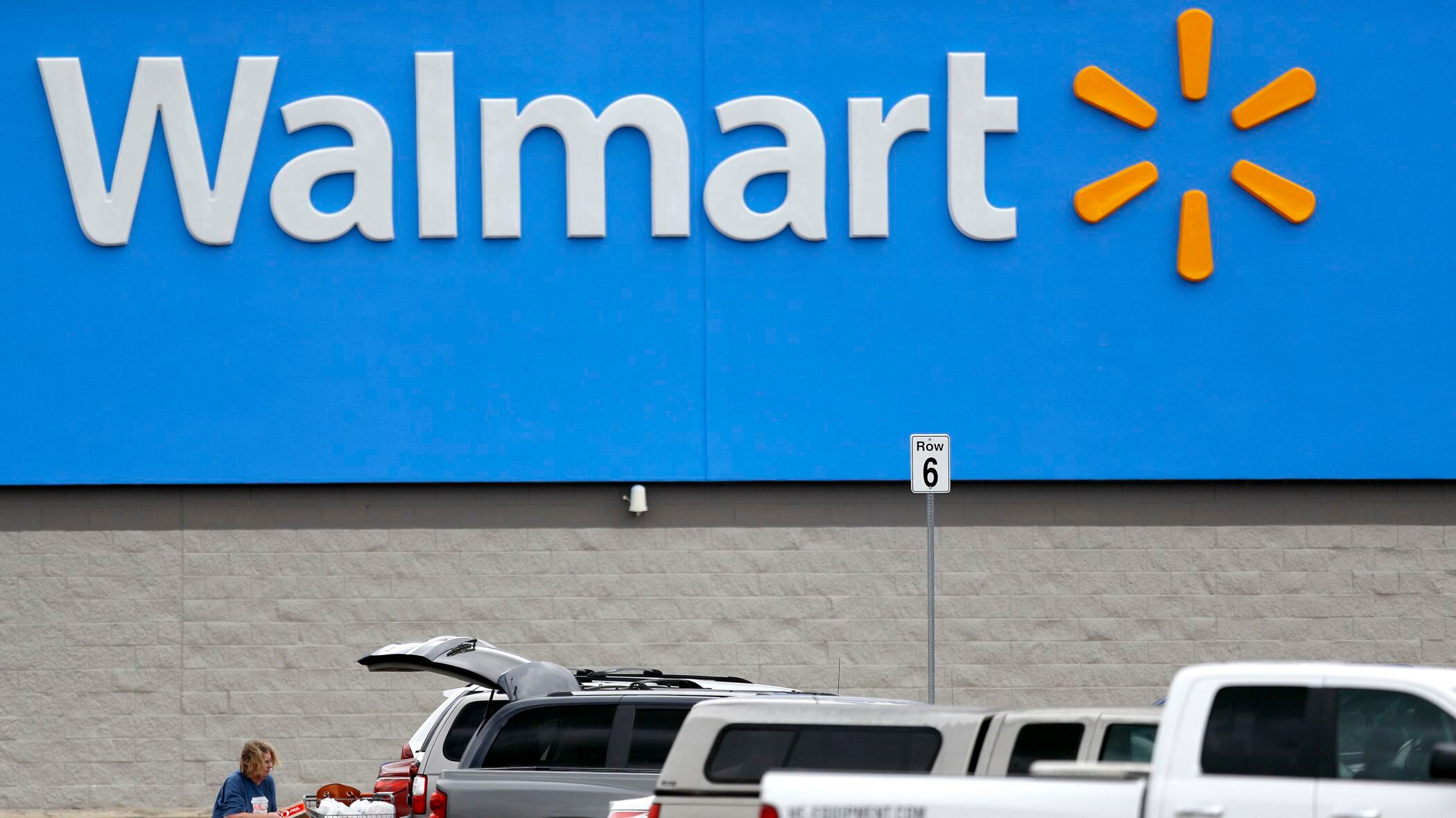
In this March 31, 2020 file photo, a woman pulls groceries from a cart to her vehicle outside of a Walmart store in Pearl, Miss. Walmart is teaming with the General Motors' Cruise autonomous vehicle unit to test automated package delivery in Arizona. (AP Photo/Julio Cortez, File)
By Michael Balsamo and Ann D'Innocenzio
The Justice Department is suing Walmart, alleging the company unlawfully dispensed controlled substances through its pharmacies, helping to fuel the opioid crisis in America.
The civil complaint being filed Tuesday points to the role Walmart’s pharmacies may have played in the crisis by filling opioid prescriptions and by unlawfully distributing controlled substances to the pharmacies during the height of the opioid crisis. Walmart operates more than 5,000 pharmacies in its stores around the country.
The Justice Department alleges Walmart violated federal law by selling thousands of prescriptions for controlled substances that its pharmacists “knew were invalid,” said Jeffrey Clark, the acting assistant attorney general in charge of the Justice Department’s civil division.
Federal law required Walmart to spot suspicious orders for controlled substances and report those to the Drug Enforcement Administration, but prosecutors charge the company didn’t do that. Walmart couldn’t immediately be reached for comment.
“Walmart knew that its distribution centers were using an inadequate system for detecting and reporting suspicious orders,” said Jason Dunn, the U.S. attorney in Colorado. “As a result of this inadequate system, for years Walmart reported virtually no suspicious orders at all. In other words, Walmart’s pharmacies ordered opioids in a way that went essentially unmonitored and unregulated.”
The suit alleges that Walmart made it difficult for its pharmacists to follow the rules, putting “enormous pressure" on them to fill a high volume of prescriptions as fast as possible, while at the same time denying them the authority to categorically refuse to fill prescriptions issued by prescribers the pharmacists knew were continually issuing invalid prescriptions.
AP reported the news of the lawsuit ahead of the Justice Department's public announcement, citing a person who could not discuss the matter publicly before the announced move. The person spoke to the AP on condition of anonymity.
The Justice Department’s lawsuit comes nearly two months after Walmart filed its own preemptive suit against the Justice Department, Attorney General William Barr, and the Drug Enforcement Administration.
In its lawsuit, Walmart said the Justice Department’s investigation — launched in 2016 — had identified hundreds of doctors who wrote problematic prescriptions that Walmart’s pharmacists should not have filled. But the lawsuit charged that nearly 70% of the doctors still have active registrations with the DEA.
Walmart’s lawsuit alleged the government was blaming it for the lack of regulatory and enforcement policies to stem the crisis. The company is asking a federal judge to declare the suit has no basis to seek civil damages. That suit remains ongoing.
The initial investigation was the subject of a ProPublica story published in March. ProPublica reported that Joe Brown, then U.S. attorney for the Eastern District of Texas office, spent years pursuing a criminal case against Walmart for its opioid prescription practices, only to have it stymied after the retail giant’s lawyers appealed to senior officials in the Justice Department.
Two months later, Brown resigned. He didn’t give a reason for his departure except to say he would be “pursuing opportunities in the private and public sectors." Brown went into private practice in the Dallas area.
Updated on December 22, 2020, at 3:44 p.m. ET with additional details.
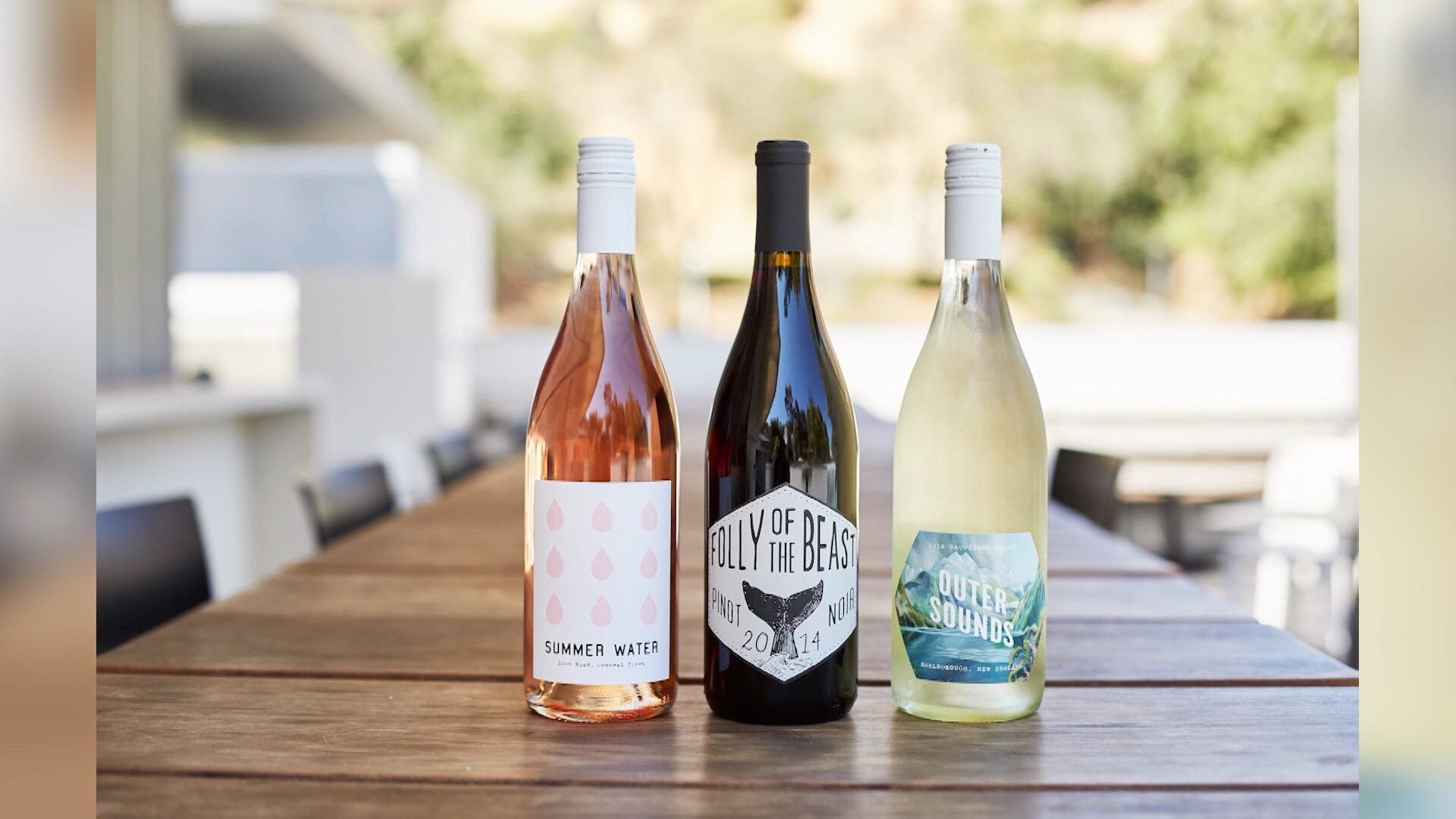
Wine subscription service Winc is officially a publicly-traded company after debuting on the New York Stock Exchange. CEO Geoff McFarlane and President Brian Smith joined Cheddar to talk about the decision behind the public offering and noted that its service goes beyond just subscriptions. "We're an omnichannel platform, so the subscription is a great way for us to really generate a ton of data from our customers, launch new products, and market our portfolio," McFarlane said. "But ultimately when we find great products that our customers really love, we want them to be everywhere." He went on to point to distribution partners like Whole Foods, Walmart, and Trader Joe's.
Roy Banks, CEO of Weave Communication, a cloud-based software company for small businesses, joined Cheddar to talk about the company's New York Stock Exchange debut. Banks broke down just how his company helps small businesses manage relationships with their customer base and also laid out how the funds raised will be used to grow the business and its short and long term goals.
Jeff Powell, Managing Partner & CIO at Polaris Wealth Advisory Group, discusses how supply chain issues and inflation will impact consumer spending, and discusses the future of the electric vehicle market.
Sotheby's is getting into the crypto game. The auction house announced it will now be accepting bids in increments of ETH, marking the first time that an auction will field live bids in crypto. This announcement comes just a week ahead of Sotheby's contemporary art auction 'The Now Evening Auction' for two works by Banksy: Trolley Hunters and Love is in the Air. Alex Branczik, Sotheby's Chairman for Modern & Contemporary Art joined Cheddar's Opening Bell to discuss what went into this move.
Jim Worden, Chief Investment Officer, Wealth Consulting Group, talks about the consumer spending headwinds and breaks down the bright spots from Disney's earnings and Rivian's IPO.
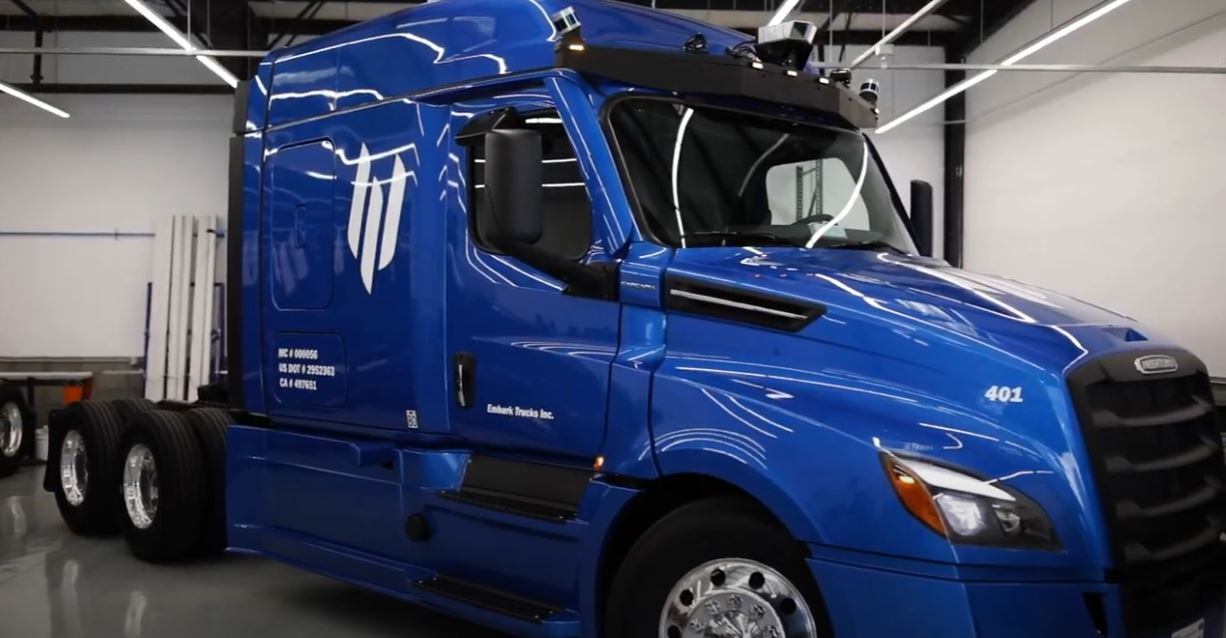
Autonomous tech developer Embark made its Nasdaq debut on Thursday via a SPAC merger, making its CEO Alex Rodrigues, the youngest chief executive of a publicly-traded company at the age of 26. He joined Cheddar's "Between Bells" to discuss what led to the IPO and what it means for the trucking industry as it looks to navigate ongoing supply chain issues. "I think there are really three major benefits to autonomous trucks. You think about the benefit from an efficiency perspective, from a safety perspective, and from an environmental perspective," Rodrigues noted.
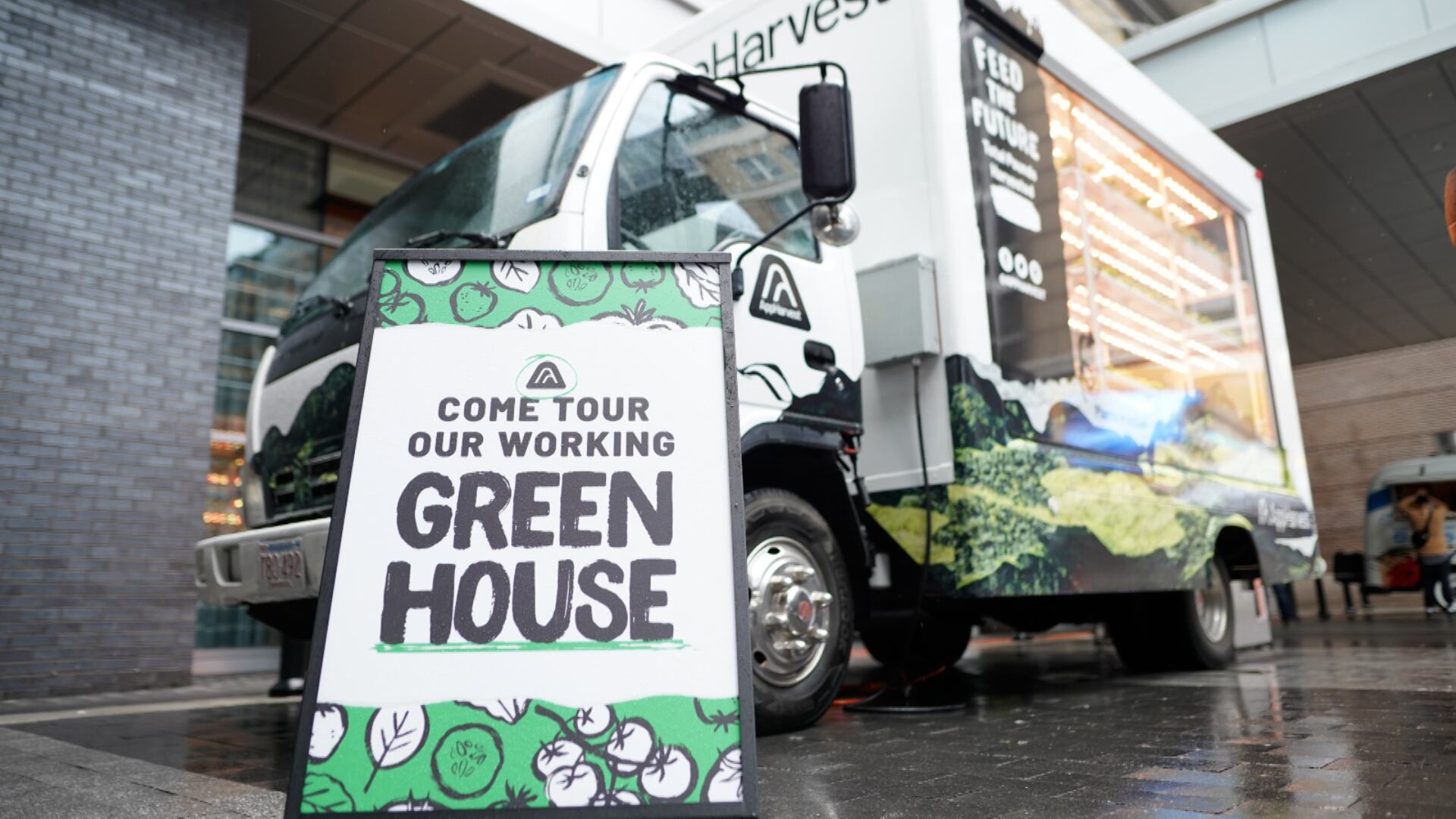
AppHarvest CEO Jonathan Webb joined Cheddar's "Opening Bell" to talk about the company's Q3 earnings, stating sales data showed the indoor farming tech firm remained on track with its 2021 outlook. Webb also discussed a new campaign called "Fight The Food Fight," to encourage consumers to support a more resilient, sustainable food system.
Inflation hit a concerning milestone last month, rising by as much as 6.2 percent, the highest that it's been since 1990. Consumer pockets felt the increase the most in gas and food costs. Jason Ware, Chief Investment Officer at Albion Financial Group spoke to Cheddar about what lead to the spike in costs and if high inflation will be here to stay in 2022.
Mike Proulx, VP and research director at Forrester, joined Cheddar to talk all about Disney's lackluster Q3 earnings after the company reported a slowdown in Disney+ subscriber growth. Proulx discussed a Forrester study that found 45 percent of U.S. adults subscribed to streaming services because of the pandemic but 26 percent had plans to cancel a service over the next two years. "We're always going to look at growth, and we also have to look at engagement," he said. "But both of those metrics come down to having either original or exclusive content that will offer value to the subscriber base."