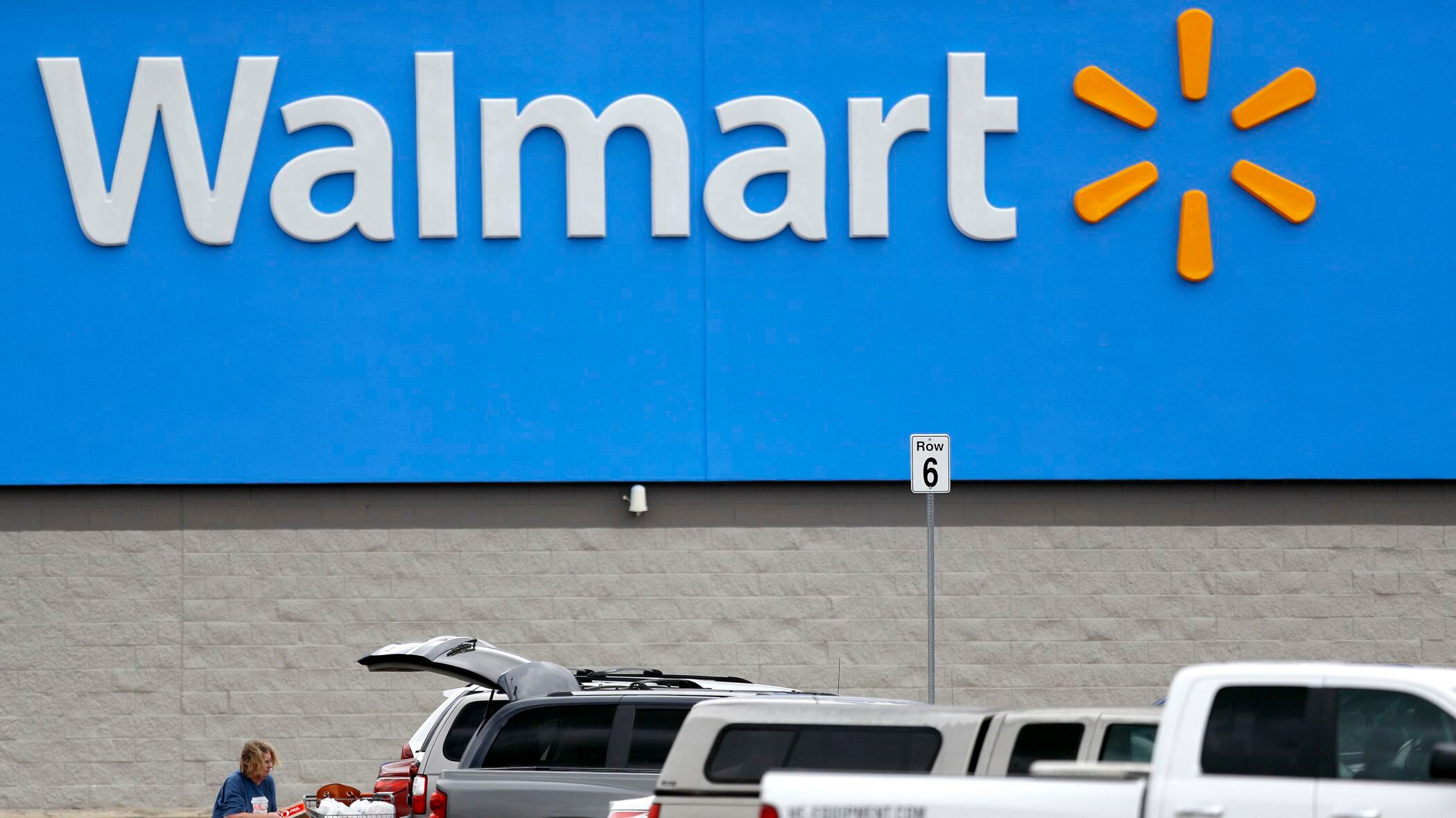
In this March 31, 2020 file photo, a woman pulls groceries from a cart to her vehicle outside of a Walmart store in Pearl, Miss. Walmart is teaming with the General Motors' Cruise autonomous vehicle unit to test automated package delivery in Arizona. (AP Photo/Julio Cortez, File)
By Michael Balsamo and Ann D'Innocenzio
The Justice Department is suing Walmart, alleging the company unlawfully dispensed controlled substances through its pharmacies, helping to fuel the opioid crisis in America.
The civil complaint being filed Tuesday points to the role Walmart’s pharmacies may have played in the crisis by filling opioid prescriptions and by unlawfully distributing controlled substances to the pharmacies during the height of the opioid crisis. Walmart operates more than 5,000 pharmacies in its stores around the country.
The Justice Department alleges Walmart violated federal law by selling thousands of prescriptions for controlled substances that its pharmacists “knew were invalid,” said Jeffrey Clark, the acting assistant attorney general in charge of the Justice Department’s civil division.
Federal law required Walmart to spot suspicious orders for controlled substances and report those to the Drug Enforcement Administration, but prosecutors charge the company didn’t do that. Walmart couldn’t immediately be reached for comment.
“Walmart knew that its distribution centers were using an inadequate system for detecting and reporting suspicious orders,” said Jason Dunn, the U.S. attorney in Colorado. “As a result of this inadequate system, for years Walmart reported virtually no suspicious orders at all. In other words, Walmart’s pharmacies ordered opioids in a way that went essentially unmonitored and unregulated.”
The suit alleges that Walmart made it difficult for its pharmacists to follow the rules, putting “enormous pressure" on them to fill a high volume of prescriptions as fast as possible, while at the same time denying them the authority to categorically refuse to fill prescriptions issued by prescribers the pharmacists knew were continually issuing invalid prescriptions.
AP reported the news of the lawsuit ahead of the Justice Department's public announcement, citing a person who could not discuss the matter publicly before the announced move. The person spoke to the AP on condition of anonymity.
The Justice Department’s lawsuit comes nearly two months after Walmart filed its own preemptive suit against the Justice Department, Attorney General William Barr, and the Drug Enforcement Administration.
In its lawsuit, Walmart said the Justice Department’s investigation — launched in 2016 — had identified hundreds of doctors who wrote problematic prescriptions that Walmart’s pharmacists should not have filled. But the lawsuit charged that nearly 70% of the doctors still have active registrations with the DEA.
Walmart’s lawsuit alleged the government was blaming it for the lack of regulatory and enforcement policies to stem the crisis. The company is asking a federal judge to declare the suit has no basis to seek civil damages. That suit remains ongoing.
The initial investigation was the subject of a ProPublica story published in March. ProPublica reported that Joe Brown, then U.S. attorney for the Eastern District of Texas office, spent years pursuing a criminal case against Walmart for its opioid prescription practices, only to have it stymied after the retail giant’s lawyers appealed to senior officials in the Justice Department.
Two months later, Brown resigned. He didn’t give a reason for his departure except to say he would be “pursuing opportunities in the private and public sectors." Brown went into private practice in the Dallas area.
Updated on December 22, 2020, at 3:44 p.m. ET with additional details.
Analysts are all-in on tech giant Apple, issuing bullish ratings this week and calling it a 'safety blanket' and one of the best assets for investors in 2022. This comes as Apple edges closer to a $3 trillion market cap. Mario Stefanidis, Vice President at Roundhill Investments, joins Cheddar News' Closing Bell to discuss why analysts are bullish on the tech giant, how close the company is to hitting a $3 trillion market cap, and more.
Planet made its public debut on December 8, ringing the opening bell at the NYSE in honor of the occasion. With more than 200 satellites in orbit, the company operates the world's largest constellation of satellites, providing daily scans of the entire earth. This helps with everything from agriculture companies monitoring fields and crop health, to FEMA's disaster response, to marine protection programs. Will Marshall, co-founder and CEO of Planet, explains how this milestone will allow the company fulfill its mission of using space to help life here on Earth.
Lindsey Roeschke, travel and hospitality analyst at Morning Consult, breaks down how COVID-19 is impacting the travel sector and what the future of the industry looks like.
North Carolina is transitioning into an electric vehicle manufacturing hub, as Toyota plans to build its first North American lithium-ion battery plant. Machelle Baker Sanders, secretary of commerce for North Carolina, joined Cheddar to discuss the influx of tech-heavy businesses and what Toyota's 1,750 jobs mean for North Carolina's economy. Sanders said the carmaking giant's $1.29 billion project was contingent on it committing to align with the state's own climate goals for a greener future.
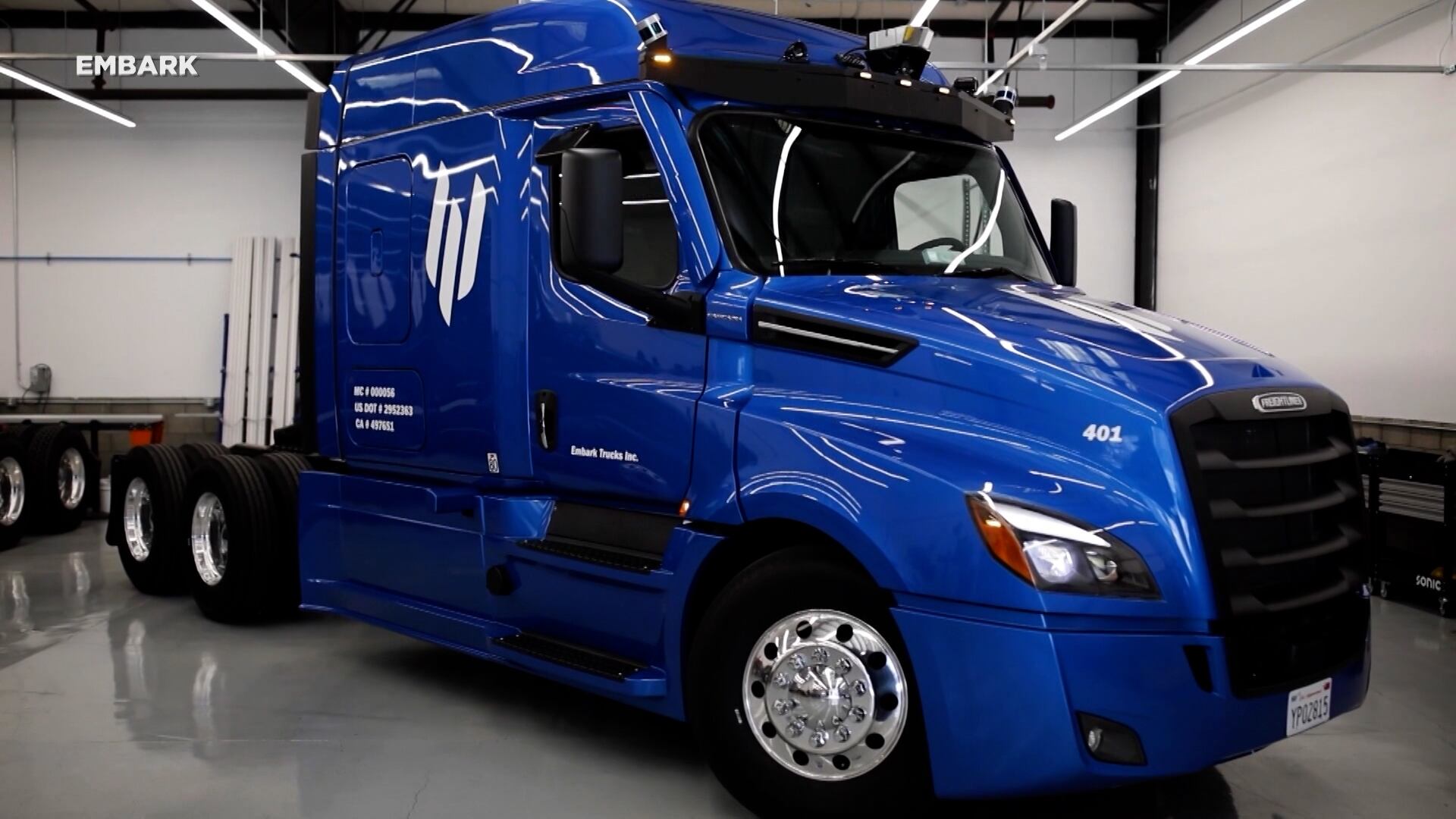
Just weeks after launching its IPO, Embark Trucks is looking to take trucking to the next level by establishing an autonomous truck lane between Houston and San Antonio, Texas. CEO Alex Rodrigues joined Cheddar's "Closing Bell" to talk about the company's expansion into the Lone Star State and the efforts taken to make the driverless vehicles safe for the shipping corridor. "I think the biggest thing you'll notice as a person driving on the road is that they're going to be a little bit more patient, a little bit more law-abiding because they don't have to get there under the same kind of time pressure," he said. "They don't have the hours of service limitations." He also explained that the lane itself isn't a segregated road but a digital route on an existing roadway for the vehicles to follow.
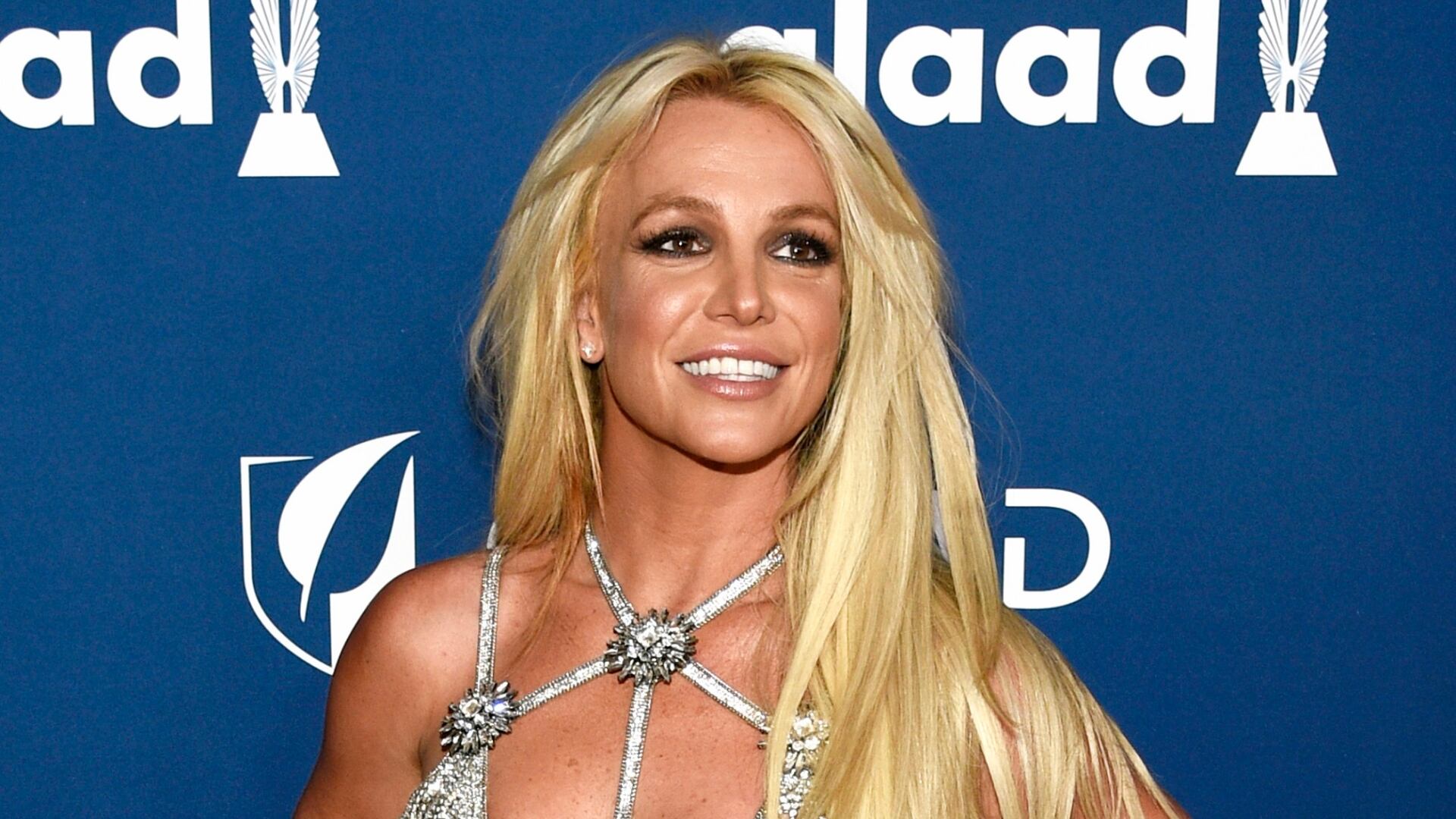
A judge has granted Britney Spears the right to begin executing documents on her own behalf. For the last 14 years, Spears was unable to sign off on her own paperwork due to her recently terminated conservatorship.
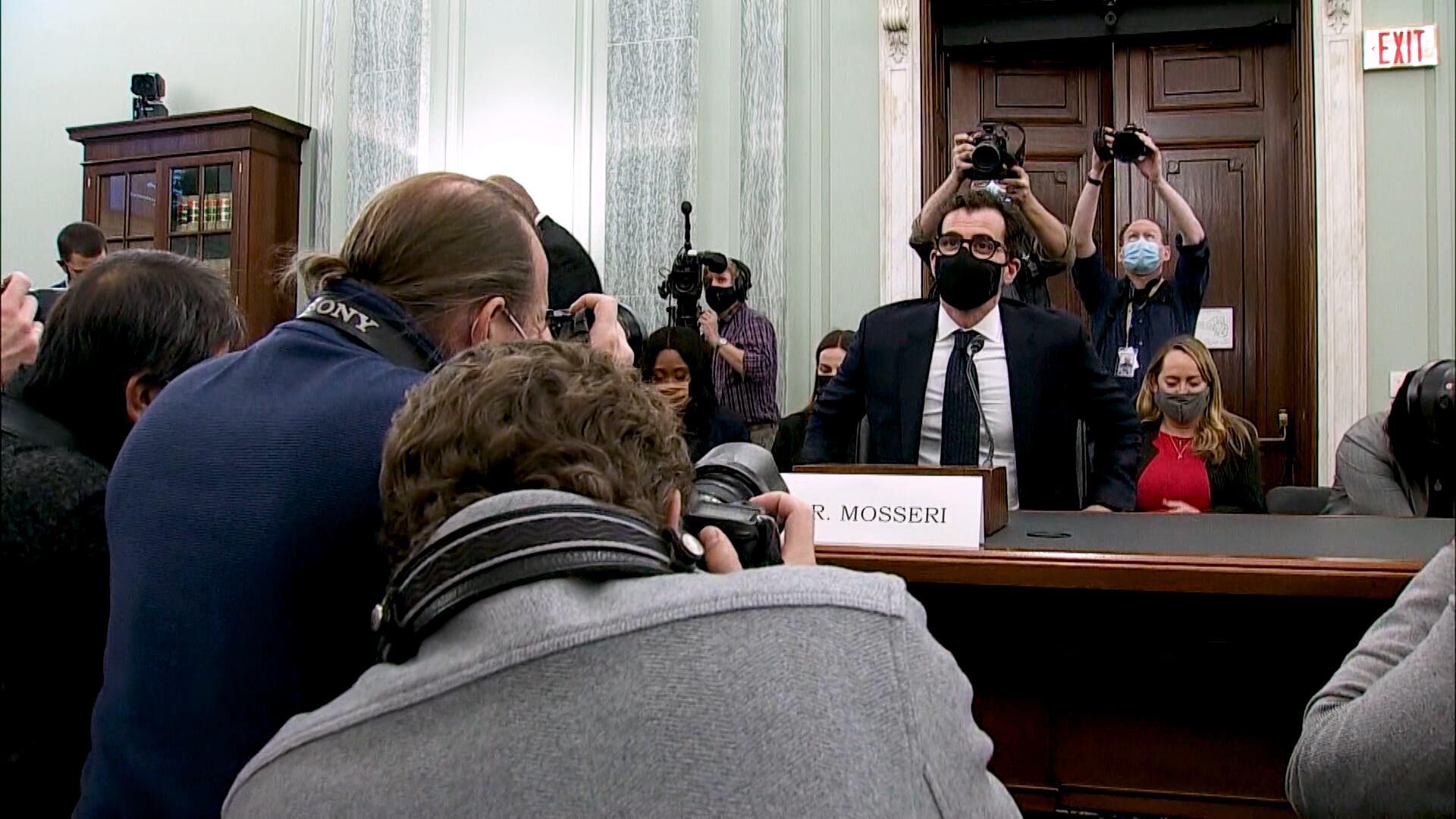
Instagram CEO Adam Mosseri faced a bipartisan Congressional grilling this week as the Senate inquired about safety practices for protecting the mental wellbeing of young people on the platform. Sen. Marsha Blackburn (R-Tenn.) joined Cheddar to talk about the hearing and how she was disappointed in Instagram coming unprepared with relevant information or documents. Blackburn also offered concern that the platform could continue with building a kids-only version despite having drawn significant opposition from the public.
Cheddar Innovates gets a look at the satellite that's searching for the earliest light from the big bang, plus a former Nike executive breaks down what the new era of sportswear looks like.